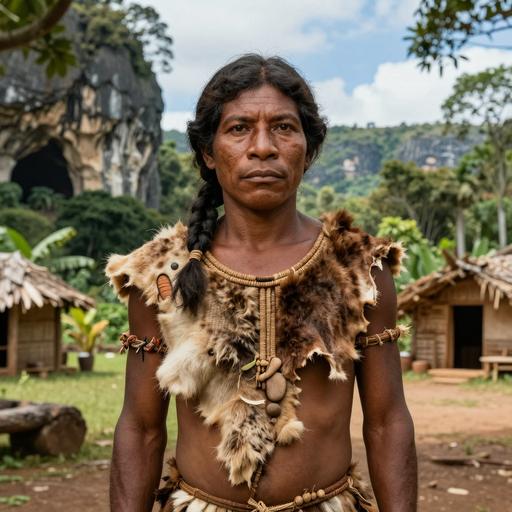
The Sumidouro Site in Brazil, dating back approximately 10,100 years, offers a fascinating glimpse into the Paleo-Indian era in South America. This period is part of the broader Archaic stage of pre-Columbian history, encompassing the transition from the Late Pleistocene to the early Holocene epoch. The site provides critical insights into the lifeways of some of the earliest human inhabitants of the continent, reflecting their adaptive strategies and cultural developments during a period of significant environmental changes.
Geographic and Environmental Context
The Sumidouro Site is located in the Lagoa Santa region of Minas Gerais, Brazil. This area is characterized by its karst landscape, with limestone caves, valleys, and small lakes. During the time frame in question, the climate was transitioning from the cooler and drier conditions of the Late Pleistocene to a warmer and more humid Holocene climate. This environmental shift had a profound impact on the flora and fauna, influencing the resources available to human populations.
Cultural and Technological Aspects
The Paleo-Indians at the Sumidouro Site were highly adaptive, developing technologies and strategies to exploit a diverse array of resources. Projectile points and other stone tools found at the site indicate advanced flintknapping skills, essential for hunting and processing game. These tools were typically made from locally sourced materials, demonstrating an intimate knowledge of the surrounding landscape.
In addition to stone tools, there is evidence to suggest the use of organic materials, such as wood and bone, which have not preserved well but likely played a crucial role in daily life. The presence of grinding stones suggests the processing of plant materials, pointing to a mixed subsistence strategy that included both hunting and foraging.
Subsistence and Diet
The inhabitants of the Sumidouro Site relied on a varied diet, reflecting the rich biodiversity of the region. Archaeological findings include the remains of megafauna, such as giant sloths and mastodons, which were gradually disappearing during this era. Additionally, they hunted smaller animals like deer and peccaries and gathered a variety of plant foods, including fruits, nuts, and tubers.
The shift in available resources from large Pleistocene megafauna to smaller, more abundant Holocene species necessitated an adaptation in hunting strategies and tools. This period marks an ecological and economic transition toward more regional and localized forms of subsistence.
Social Organization and Settlement Patterns
While direct evidence of social structures is scarce due to the ephemeral nature of early hunter-gatherer societies, the spatial distribution of artifacts and ecofacts suggests small, mobile groups. These groups likely moved seasonally, following animal migrations and the availability of plant resources, a pattern typical of hunter-gatherer societies globally.
Cave sites in the region, such as Lapa Vermelha and Lapa do Santo, provide evidence of habitation and ritual activity, indicating that these locations held cultural and possibly spiritual significance. The caves offered shelter and served as natural gathering places, promoting social interaction among groups.
Art and Symbolism
Artistic expression from this period is exemplified by rock art found in the region's caves. These expressions include petroglyphs and pictographs, depicting human figures, animals, and abstract patterns. The art provides valuable insights into the symbolic and possibly religious life of these early inhabitants, reflecting themes related to cosmology, identity, and the natural world.
Conclusion
The Sumidouro Site, circa 10,100 years ago, represents a dynamic era of human adaptation and cultural development in prehistoric Brazil. The Paleo-Indians of this period were adept at exploiting their environment, creating tools and strategies that enabled them to thrive during a time of significant ecological transition. As such, the site offers rich insights into the resilience and ingenuity of some of the earliest inhabitants of South America, contributing to our broader understanding of human prehistory on the continent.