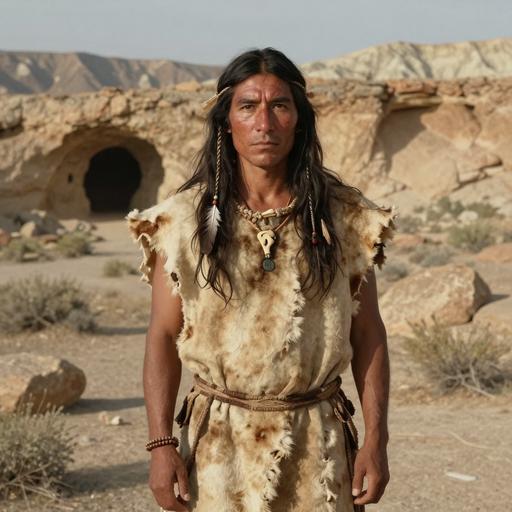
Lovelock Cave, located in northwestern Nevada near the town of Lovelock, is a significant archaeological site that provides insight into the prehistoric cultures of the region. Approximately 1,850 years ago, the cave was occupied by an ancient culture that is often associated with the broader cultural framework known as the Ancient Puebloans, although the specific groups in the Lovelock Cave area are sometimes classified as part of the Great Basin cultural area. This period predates the more widely recognized Ancestral Puebloans to the southeast (e.g., in present-day New Mexico and Arizona) and represents a unique adaptation to the distinct environment of the Great Basin.
Environment and Geography
The Great Basin is characterized by its arid climate, with vast desert plains, intermittent mountain ranges, and scarce water sources. Lovelock Cave is situated near the Humboldt River and the now largely dried-up Lake Lahontan, which was a significant water source in prehistoric times. Around 1,850 years ago, the climate was likely somewhat wetter than today, providing better conditions for sustenance.
Inhabitants and Culture
The groups inhabiting Lovelock Cave were hunter-gatherers adept at surviving in the Great Basin's challenging environment. While they might share some cultural traits with the Ancient Puebloans, such as social structures and certain technological aspects, they were more closely aligned with the Northern Paiute and other indigenous groups that traditionally occupied the Great Basin area.
The people of this time were likely semi-nomadic, moving seasonally to exploit different resources. This lifestyle required a deep understanding of the environment and the ability to migrate between resource zones efficiently. They relied heavily on wetlands and marshes for hunting and gathering and possibly set up semi-permanent camps near these rich ecological zones.
Subsistence Strategies
The Lovelock Cave culture depended predominantly on hunting, gathering, and fishing for subsistence. They hunted small game such as rabbits, ducks, and other waterfowl, as well as larger game such as deer. Fishing, particularly catching Lahontan cutthroat trout, was a significant part of their diet, given the proximity to ancient lakes and rivers.
Gathering played an equally important role, with people collecting seeds, nuts, berries, and roots. Cattails and other wetland plants were vital food sources, and the seeds from grasses and other plants would have been gathered and processed for consumption.
Material Culture and Technology
Archaeological findings at Lovelock Cave include numerous well-preserved artifacts, thanks to the cave’s dry conditions. These artifacts provide a glimpse into the technological capabilities and daily life of the inhabitants. Items include:
- Basketry: Lovelock Cave is famous for its intricate and well-preserved examples of basketry. The inhabitants used plant fibers to construct tightly woven baskets, which served various functions, from storage to food processing.
- Textiles: The people also crafted sandals and mats from plant materials, which display advanced weaving techniques.
- Tools: Stone tools such as projectile points, scrapers, and grinding stones have been discovered, indicating a sophisticated tool-making knowledge.
- Duck Decoys: Among the most remarkable finds are the ancient duck decoys made from bulrushes and feathers, demonstrating both artistic expression and practical hunting techniques.
Social Organization
While specific details about the social organization of the Lovelock Cave inhabitants are scarce, it is likely that they lived in small, kin-based groups. Their society was probably organized in a way that allowed for flexible division of labor, with tasks divided among group members according to skills and available resources.
Spirituality and Art
The spiritual life of the Lovelock Cave inhabitants is largely a matter of speculation, as direct evidence is limited. However, the care and skill involved in crafting objects such as basketry and the use of natural motifs suggest a culture that valued artistic expression and may have had spiritual connections to the natural world.
In summary, around 1,850 years ago, the inhabitants of Lovelock Cave were part of a robust hunter-gatherer tradition uniquely adapted to the Great Basin environment. Through their material culture, subsistence strategies, and social organization, they demonstrated resilience and ingenuity in one of North America's more challenging climates, adding a distinctive chapter to the broader story of prehistoric human adaptation and cultural development in the region.