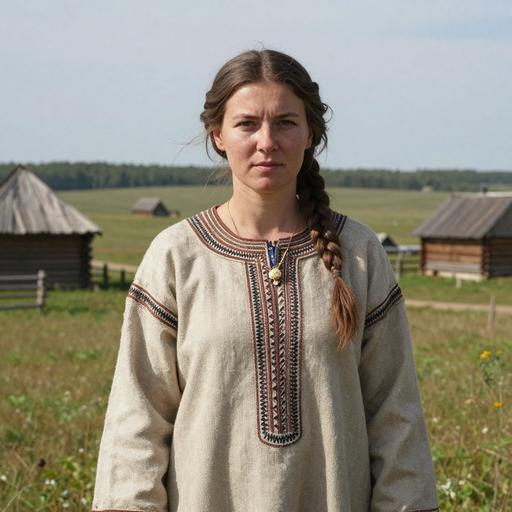
The Davydovskoye Archaeological Culture is a fascinating, albeit lesser-known, component of the broader Finno-Ugric cultural landscape, which thrived during the late Iron Age and early medieval periods across parts of central and eastern Europe. Situated primarily in the modern territories of what is now northwestern Russia, this culture provides key insights into the history and lifestyle of ancient Finno-Ugric peoples.
Geographic and Temporal Context
The Davydovskoye culture is typically associated with the region surrounding the upper reaches of the Volga River. This area is characterized by its broad river valleys, dense forests, and fertile plains. The culture is dated to the latter centuries of the first millennium AD, a period marked by significant migrations and interactions among various ethnic groups in Europe and Asia.
Social Structure and Community Life
The Davydovskoye people likely lived in small, semi-permanent settlements mostly composed of extended family units. Evidence suggests a largely egalitarian social structure, though some form of local clan or tribal leadership may have existed, likely based on age or experience rather than inherited status.
Economic Activities
The economy of the Davydovskoye culture was primarily subsistence-based, relying heavily on a mix of hunting, gathering, fishing, and agriculture. The fertile soil of the region supported the cultivation of cereal crops such as barley and rye, while the abundant forests and rivers provided ample resources for foraging and fishing. Additionally, evidence of animal husbandry has been found, indicating the domestication of livestock such as cattle, pigs, and sheep.
Craftsmanship and Trade
The people of the Davydovskoye culture were skilled artisans. Archaeological findings include pottery with distinctive geometric decorations, as well as finely crafted tools and weapons made from iron, bone, and antler. While their primary economy was self-sufficient, the Davydovskoye people likely engaged in trade with neighboring cultures, exchanging goods like furs, honey, and crafted items for metalwork, salt, or other commodities.
Spiritual and Religious Life
The spiritual life of the Davydovskoye culture was closely tied to nature and ancestor worship, common among Finno-Ugric cultures. They likely practiced a form of animism, believing in the presence of spirits in the natural world. Rituals and ceremonies may have been conducted in sacred groves or at sites of natural significance, such as water bodies or rock formations.
Burial practices suggest a belief in an afterlife, with the deceased often interred in mounds along with grave goods, which might include tools, weapons, and personal ornaments. These items were probably intended to assist the dead in their journey to the other world.
Artistic Expression
The art of the Davydovskoye culture, while functional, also served as a vehicle for expression. Pottery and metalwork often featured simple yet elegant designs, typically with organic or geometric motifs that may have held symbolic meanings. Due to the perishable nature of many materials, it's likely that textiles and wood carvings also played a significant role in their artistic output, though fewer examples of these have survived.
Interactions and Influence
The Davydovskoye culture was situated at cultural crossroads, resulting in interactions with neighboring Slavic, Baltic, and other Finno-Ugric groups. These interactions likely fostered the exchange of cultural practices, technologies, and genetic material, contributing to a dynamic regional history. Such exchanges are evident in certain shared artifacts and burial customs.
Legacy and Modern Relevance
Although the Davydovskoye archaeological culture eventually dissolved into a mosaic of emerging medieval entities, it remains a key subject of study for understanding the development of Finno-Ugric peoples and their impact on subsequent cultural and historical developments in the region. Modern archaeological techniques continue to uncover new information, shedding light on the complexities of this culture and enriching the broader narrative of Europe’s ancient peoples.
In summary, the Davydovskoye Archaeological Culture represents a vital piece of the Finno-Ugric historical puzzle, offering insights into their resilience, adaptability, and interactions with their environment and neighboring cultures during a transformative period in European history.