Menu
Currency
Main
Store
Blog

Loading Report

Preparing your ancestry journey

Connecting to ancient matches...

Preparing your report

Skip to main content
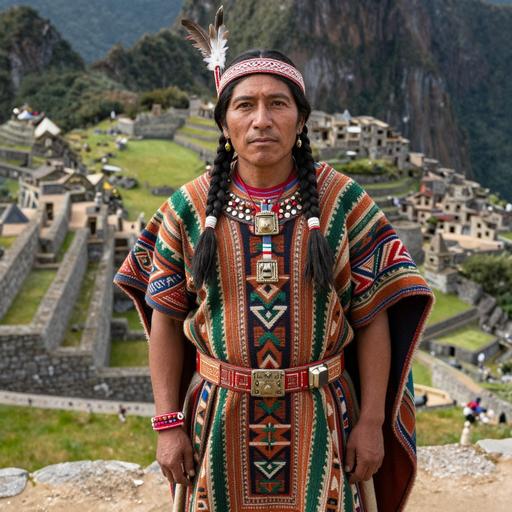
Portrait reconstruction of A man buried in Peru in the Pre-Columbian South America era
Ancient Individual

A man buried in Peru in the Pre-Columbian South America era

A man buried in Peru during the Late Horizon San Sebastian, Peru 500 Years Ago

A fragment of the ancient world, preserved across millennia in strands of DNA.

I1743
1430 CE - 1485 CE
Male
Peru
Scroll to begin
Chapter I

Identity

The biological and cultural markers that define this ancient individual

Sample ID

I1743

Date Range

1430 CE - 1485 CE

Cultural Period

Late Horizon San Sebastian, Peru 500 Years Ago

Biological Sex

Male

mtDNA Haplogroup

A2

Y-DNA Haplogroup

Q-B48

Chapter II

Place

Where this individual was discovered

Country Peru
Locality Cusco. San Sebastián. Machu Piccu
Chapter III

Time

When this individual lived in the broader context of human history

I1743 1430 CE - 1485 CE
Chapter IV

Story

The narrative of this ancient life

The Late Horizon period (ca. AD 1470-1532) in Peruvian history represents the pinnacle of the Inca Empire, the largest pre-Columbian empire in the Americas. By 500 years ago, around AD 1523, the Incas were at their zenith, characterized by sophisticated statecraft, impressive engineering, and a rich cultural tapestry. The mention of \San Sebastian" refers to regions influenced by Inca expansion, where the legacy of this vast civilization left an indelible mark. Here is an extensive and detailed description of this flourishing era and culture within the broader context of the Inca civilization.

Political and Social Structure

The Inca Empire, known as Tawantinsuyu, meaning "The Four Regions," was a well-organized society with a hierarchical political structure. The Sapa Inca, or emperor, was considered a divine ruler descended from the sun god Inti. As such, he held immense power over both secular and religious matters. Beneath the emperor, a complex network of administrators managed the vast territories, ensuring control and unity across diverse ethnic groups. This administrative efficiency was instrumental in maintaining the empire's cohesion and prosperity.

The social hierarchy was notably stratified, with the nobility and priestly class at the top, followed by regional administrators, artisans, and farmers, known as ayllu members. The ayllu, or kinship group, formed the backbone of Inca society, playing a crucial role in agricultural, economic, and social functions.

Agricultural and Economic Practices

Agriculture was the economic foundation of the Inca Empire. Ingenious agricultural techniques, such as terracing, irrigation, and crop rotation, enabled the Incas to cultivate diverse crops across varied terrains. Staples like maize, potatoes, and quinoa were fundamental to their diet, while coca leaves held cultural and medicinal significance.

The mit'a system was employed as a form of labor tax, requiring community members to work on state and religious projects for a specified period each year. These projects included infrastructure development, such as the construction of the intricate road network stretching over 40,000 kilometers, facilitating trade and communication within the empire.

Religion and Cosmology

Inca religious life was deeply intertwined with their cosmology and a pantheon of deities. Chief among them was Inti, the sun god, who was central to religious ceremonies and festivals. The Coricancha temple in Cusco was the religious heart of the empire, adorned with gold to honor Inti.

The Incas believed in an animistic universe, where spirits inhabited natural and architectural landmarks, known as huacas. Sacrifices, often of animals or valued textiles and goods, were common practices to appease these spirits and deities, ensuring agricultural fertility and social harmony.

Art and Architecture

Inca architecture is renowned for its stone masonry, with structures constructed without mortar yet capable of withstanding seismic activity. These architectural marvels are evident in cities like Cusco and Machu Picchu, characterized by their precise, interlocking stones and harmonious integration with the natural landscape.

Incan art extended beyond architecture, encompassing textiles, ceramics, and metalwork. Textiles, considered more valuable than gold, featured intricate patterns and vibrant colors, signifying social status and regional identity. Ceramics were both utilitarian and ceremonial, decorated with geometric designs and symbolic motifs.

Cultural Interactions and Legacy

The late horizon was a period of intensive interaction among different cultures and regions. In highland settlements like San Sebastian, local traditions blended with Inca influences, creating a syncretic cultural tapestry. The Incas often integrated conquered peoples through a policy of cultural assimilation, allowing for diversity within unity.

The legacy of the Inca civilization endures in contemporary Peru and beyond. Quechua, the Inca language, is still widely spoken, while traditional agricultural practices and textile techniques continue to be a vital part of indigenous life. The remnants of Inca infrastructure, particularly the road network, continue to influence regional connectivity.

Conclusion

The Late Horizon period marks a significant time in the history of the Inca civilization, where political acumen, cultural richness, and engineering prowess converged to create a sophisticated and harmonious society. The influence of this era extends well beyond its temporal limits, leaving an enduring legacy that continues to fascinate scholars and visitors to Peru today."

Context

Related Samples

This individual exists within a broader network of ancient samples. No ancient genome stands alone.

Sample ID Culture/Period Date Location Action
I0974 Early Intermediate Period Lima Culture, Peru 1,450 Years Ago 200 CE Lima. Huaca Pucllana, Peru View
I0975 Early Intermediate Period Lima Culture, Peru 1,450 Years Ago 635 CE Lima. Huaca Pucllana, Peru View
I0045 Early Intermediate Period Lima Culture, Peru 1,450 Years Ago 100 CE Lima. Huaca Pucllana, Peru View
I0979 Middle Horizon Tiwanaku, Bolivia 650 CE Tiwanaku. La Paz, Bolivia View
I0977 Middle Horizon Tiwanaku, Bolivia 900 CE Tiwanaku. La Paz, Bolivia View
I0976 Middle Horizon Tiwanaku, Bolivia 900 CE Tiwanaku. La Paz, Bolivia View
I0978 Middle Horizon Tiwanaku, Bolivia 1015 CE Tiwanaku. La Paz, Bolivia View
I0971 Middle Horizon Lima Coast, Peru 1,000 Years Ago 500 CE Lima. Huaca Pucllana, Peru View
I0969 Late Intermediate Period Lima Culture, Peru 650 Years Ago 1065 CE Lima. Huaca Pucllana, Peru View
I0968 Middle Horizon Lima Coast, Peru 1,000 Years Ago 985 CE Lima. Huaca Pucllana, Peru View
I0972 Late Intermediate Period Ychsma Culture, Peru 900 CE Lima. Huaca Pucllana, Peru View
I0964 Late Intermediate Period Lima Culture, Peru 650 Years Ago 1315 CE Lima. Huaca Pucllana, Peru View
I0965 Late Intermediate Period Lima Culture, Peru 650 Years Ago 1300 CE Lima. Huaca Pucllana, Peru View
I0967 Late Intermediate Period Ychsma Culture, Peru 900 CE Lima. Huaca Pucllana, Peru View
I0966 Late Intermediate Period Ychsma Culture, Peru 900 CE Lima. Huaca Pucllana, Peru View
I1743 Late Horizon San Sebastian, Peru 500 Years Ago 1430 CE Cusco. San Sebastián. Machu Piccu, Peru View
I1744 Late Intermediate Period San Sebastian, Peru 600 Years Ago 1285 CE Cusco. San Sebastián. Machu Piccu, Peru View
I1400 Late Intermediate Period San Sebastian, Peru 600 Years Ago 1295 CE Cusco. San Sebastián. Machu Piccu, Peru View
I1479 Late Intermediate Period Palpa, Peru 550 Years Ago 1325 CE Ica. Palpa. Los Molinos, Peru View
I1396 Late Intermediate Period Pacapaccari, Peru 600 Years Ago 1315 CE Ayacucho. Lucanas. Laramate. Pacapaccari, Peru View
I1358 Late Intermediate Period Pacapaccari, Peru 600 Years Ago 1175 CE Ayacucho. Lucanas. Laramate. Pacapaccari, Peru View
I1356 Late Intermediate Period Pacapaccari, Peru 600 Years Ago 1310 CE Ayacucho. Lucanas. Laramate. Pacapaccari, Peru View
I0042 Late Intermediate Period Botigiriayocc, Peru 600 Years Ago 1215 CE Ayachucho. Lucanas. Laramate. Botigiriayocc, Peru View
I0044 Late Intermediate Period Lima Culture, Peru 650 Years Ago 1230 CE Lima. Huaca Pucllana, Peru View
I2233 Early Horizon Paracas Culture, Peru 2,250 Years Ago 115 BCE Paracas Penisula. Wari Kayan, Peru View
I2236 Late Intermediate Period Chanka Culture, Peru 1200 CE Chanka, Peru View
I2237 Early Intermediate Period El Brujo, Peru 1,300 Years Ago 525 CE El Brujo, Peru View
I2238 Early Intermediate Period Moche Culture, Peru 200 CE El Brujo, Peru View
I2241 Middle Horizon to Late Intermediate Period Lambayeque Culture, Peru 750 CE El Brujo, Peru View
I2242 Middle Horizon to Late Intermediate Period El Brujo, Peru 850 Years Ago 1185 CE El Brujo, Peru View
I2243 Middle Horizon to Late Intermediate Period Lambayeque Culture, Peru 750 CE El Brujo, Peru View
I2244 Middle Horizon to Late Intermediate Period Lambayeque Culture, Peru 750 CE El Brujo, Peru View
I2250 Late Intermediate Period Chimu Culture, Peruvian Highlands 1100 CE Chinchawas, Peru View
I2251 Late Intermediate Period Chimu Culture, Peruvian Highlands 1100 CE Chinchawas, Peru View
I2252 Middle Horizon Chinchawas, Peruvian Highlands 750 CE Chinchawas, Peru View
I2253 Middle Horizon Wari Highlands, Peru 750 CE Chinchawas, Peru View
I2262 Early Intermediate Period Moche Culture, Peru 200 CE El Brujo, Peru View
I2263 Early Intermediate Period El Brujo, Peru 1,300 Years Ago 710 CE El Brujo, Peru View
I2264 Late Intermediate Period Chimu Culture, Peruvian Highlands 1100 CE Chinchawas, Peru View
I2268 Late Archaic Huaca Prieta, Peru 4,500 Years Ago 2400 BCE El Brujo, Peru View
I2539 Middle Horizon Caleta Huelen, Chile 1,100 Years Ago 795 CE Caleta Huelen 12, Chile View
I2540 Middle Horizon Caleta Huelen, Chile 1,100 Years Ago 750 CE Caleta Huelen 12, Chile View
I2543 Middle Horizon Campanayuq, Peru 1,000 Years Ago 985 CE Chanka, Peru View
I2544 Late Intermediate Period Chanka Culture, Peru 1100 CE Charrangochayoc, Peru View
I2545 Late Horizon Inca Culture, Peru 1400 CE Mesayocpata, Peru View
I2549 Late Intermediate Period Palpa, Peru 550 Years Ago 1390 CE Ica. Palpa. Los Molinos, Peru View
I2550 Middle Horizon Palpa, Peru 950 Years Ago 985 CE Monte Grande, Peru View
I2557 Early Intermediate Period Ullujaya, Peru 1,350 Years Ago 470 CE Ica Valley, Peru View
I2558 Early Intermediate Period Ullujaya, Peru 1,350 Years Ago 585 CE Ica Valley, Peru View
I2560 Middle Horizon Ullujaya, Peru 950 Years Ago 905 CE Ica Valley, Peru View
I2563 Late Intermediate Period Chanka Culture, Peru 1200 CE Chanka, Peru View
I2258 Late Intermediate Period La Galgada, Peru 600 Years Ago 1310 CE Ancash. Pallasca. La Galgada, Peru View
I0324 Early Intermediate Period El Brujo, Peru 1,300 Years Ago 710 CE El Brujo, Peru View
I8351 Laguna Chica Site 1600 Years Ago 250 CE Pampas. Laguna Chica, Argentina View
I14009 Late Intermediate Period Pukara, Chile 700 Years Ago 1155 CE Atacama Desert. Precordillera, Chile View
IO2 Middle Horizon Iroco, Bolivia 1,050 Years Ago 775 CE TiticacaBasin, Bolivia View
MIS3 Middle Horizon Miraflores, Bolivia 765 CE TiticacaBasin, Bolivia View
MIS5 Middle Horizon Miraflores, Bolivia 770 CE TiticacaBasin, Bolivia View
MIS7 Middle Horizon Miraflores, Bolivia 700 CE TiticacaBasin, Bolivia View
I17497 Late Intermediate Period Pukara, Chile 600 Years Ago 1301 CE Atacama Desert. Precordillera, Chile View
I2538 Middle Horizon Caleta Huelen, Chile 1,100 Years Ago 771 CE Caleta Huelen 12, Chile View
Sample ID Culture/Period Date Location Action
I1743 Late Horizon San Sebastian, Peru 500 Years Ago 1430 CE Cusco. San Sebastián. Machu Piccu, Peru View
Sources

References

Scientific publications and genetic data that inform this profile.

Scientific Publication

A Paleogenomic Reconstruction of the Deep Population History of the Andes

Authors Nakatsuka N, Lazaridis I, Barbieri C, Skoglund P, Rohland N et al.
Abstract

There are many unanswered questions about the population history of the Central and South Central Andes, particularly regarding the impact of large-scale societies, such as the Moche, Wari, Tiwanaku, and Inca. We assembled genome-wide data on 89 individuals dating from ∼9,000-500 years ago (BP), with a particular focus on the period of the rise and fall of state societies. Today's genetic structure began to develop by 5,800 BP, followed by bi-directional gene flow between the North and South Highlands, and between the Highlands and Coast. We detect minimal admixture among neighboring groups between ∼2,000-500 BP, although we do detect cosmopolitanism (people of diverse ancestries living side-by-side) in the heartlands of the Tiwanaku and Inca polities. We also highlight cases of long-range mobility connecting the Andes to Argentina and the Northwest Andes to the Amazon Basin. VIDEO ABSTRACT.

Use code for 25% off Expires Jul 12