Menu
Currency
Main
Store
Blog

Loading Report

Preparing your ancestry journey

Connecting to ancient matches...

Preparing your report

Skip to main content
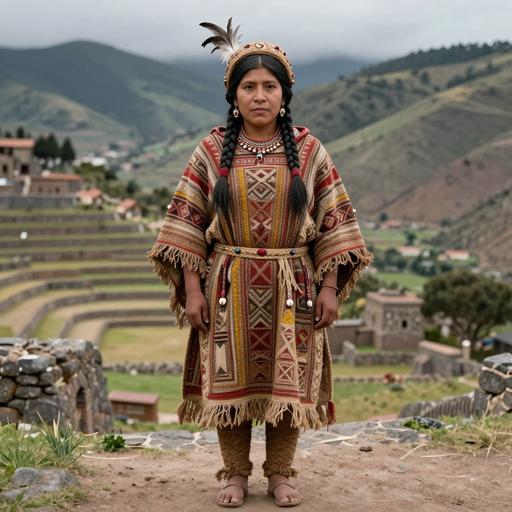
Portrait reconstruction of A woman buried in Peru in the Pre-Columbian South America era
Ancient Individual

A woman buried in Peru in the Pre-Columbian South America era

A woman buried in Peru during the Late Intermediate Period Chimu Culture, Peruvian Highlands

A fragment of the ancient world, preserved across millennia in strands of DNA.

I2251
1100 CE - 1400 CE
Female
Peru
Scroll to begin
Chapter I

Identity

The biological and cultural markers that define this ancient individual

Sample ID

I2251

Date Range

1100 CE - 1400 CE

Cultural Period

Late Intermediate Period Chimu Culture, Peruvian Highlands

Biological Sex

Female

mtDNA Haplogroup

D1

Y-DNA Haplogroup

N/A (Female)

Chapter II

Place

Where this individual was discovered

Country Peru
Locality Chinchawas
Chapter III

Time

When this individual lived in the broader context of human history

I2251 1100 CE - 1400 CE
Chapter IV

Story

The narrative of this ancient life

The Late Intermediate Period (LIP) of the Andean civilizations, dating roughly from 1000 to 1470 CE, was a time of regional cultural development and significant political fragmentation following the decline of the Wari and Tiwanaku states. During this period, the Chimu culture emerged as one of the most prominent in the coastal region of modern-day Peru, while the highlands hosted a variety of smaller, less centralized societies.

Geographic and Environmental Context

The Peruvian Highlands extend across the Andes mountain range, characterized by steep mountain slopes, high plateaus, and deep valleys. This region presents challenges for agriculture due to its altitude and rugged terrain, but it also offers unique opportunities for verticality-based farming and microenvironment exploitation. Communities adapted to these diverse ecological zones through intensive agricultural practices, which included terracing, irrigation, and the cultivation of a variety of crops suited to different altitudes.

The Chimu Culture

The Chimu culture was primarily based in the coastal areas of northern Peru, with its capital at Chan Chan, a sprawling adobe city near Trujillo. Although their heartland was on the coast, the interaction with the highland cultures was notable for trade and resource exchange. The Chimu are renowned for their sophisticated urban planning, monumental architecture, and advanced irrigation techniques. Their structures were often adorned with elaborate reliefs depicting geometric patterns, animals, and mythological creatures.

Political and Social Organization

The Chimu society was highly stratified, headed by a powerful king known as the \Chimú Capac" and supported by a complex administrative network. The governmental system showcased a significant level of centralization, which facilitated efficient resource management and expansion through conquest and alliances. This social hierarchy was visible in the layout of Chan Chan, where distinct areas served administrative, religious, residential, and manufacturing functions.

Economy and Trade

The Chimu economy was diverse and robust, relying heavily on agriculture supported by an extensive network of irrigation canals. They cultivated crops such as maize, beans, quinoa, and cotton, alongside various fruits. The Chimu were also adept fishermen, exploiting the rich marine resources of the Humboldt Current.

Trade was a crucial aspect of Chimu society, extending from the highlands to the coastal and northern regions. They traded goods such as textiles, metalwork, and pottery with highland communities. In return, they acquired products like coca leaves, feathers, and gold from the highlands, illustrating a dynamic exchange system integral to their economy.

Highland Cultures during the LIP

In contrast to the centralized Chimu state, the Peruvian Highlands during the LIP were characterized by a mosaic of smaller societies. These included the Chachapoyas, Huanca, and Recuay, among others. Many of these cultures favored fortified settlements on mountaintops, reflecting the need for defense in an era of frequent conflict.

Social Structure

Highland societies generally exhibited less centralized political systems compared to the Chimu. Power was often distributed among local lords or chiefs, each controlling smaller territories. Social organization was typically kin-based, with extended families forming the core social units.

Economy

Agriculture in the highlands leaned heavily on terraced farming, which maximized arable land use on mountain slopes. Highland societies were adept at creating specialized agro-pastoral systems to exploit various microclimates efficiently, focusing on crops like potatoes and maize while herding llamas and alpacas for transport, meat, and wool.

Cultural and Artistic Expression

Both the Chimu and highland societies are celebrated for their artistic achievements, characterized by distinct regional styles. The Chimu were particularly noted for their blackware ceramics and intricate metalwork, including gold, silver, and copper items. The highland cultures, meanwhile, are recognized for their textiles and stonework, reflecting both artistic skill and the adaptation to their local environments.

Interactions and Influence

The interactions between the Chimu and highland cultures were multifaceted, involving trade, warfare, and cultural exchanges. The Chimu's expansion sometimes brought them into conflict with highland groups, but it also facilitated the flow of ideas, leading to technological and cultural advancements that enriched both regions.

Conclusion

The Late Intermediate Period was a vibrant era of cultural evolution and interaction in the Andean region, characterized by the rise of the Chimu and dynamic highland societies. This diversity set the stage for the subsequent unification under the Inca Empire, which drew on the achievements and experiences of these earlier cultures to create one of the largest and most sophisticated empires in pre-Columbian America."

Context

Related Samples

This individual exists within a broader network of ancient samples. No ancient genome stands alone.

Sample ID Culture/Period Date Location Action
I0974 Early Intermediate Period Lima Culture, Peru 1,450 Years Ago 200 CE Lima. Huaca Pucllana, Peru View
I0975 Early Intermediate Period Lima Culture, Peru 1,450 Years Ago 635 CE Lima. Huaca Pucllana, Peru View
I0045 Early Intermediate Period Lima Culture, Peru 1,450 Years Ago 100 CE Lima. Huaca Pucllana, Peru View
I0979 Middle Horizon Tiwanaku, Bolivia 650 CE Tiwanaku. La Paz, Bolivia View
I0977 Middle Horizon Tiwanaku, Bolivia 900 CE Tiwanaku. La Paz, Bolivia View
I0976 Middle Horizon Tiwanaku, Bolivia 900 CE Tiwanaku. La Paz, Bolivia View
I0978 Middle Horizon Tiwanaku, Bolivia 1015 CE Tiwanaku. La Paz, Bolivia View
I0971 Middle Horizon Lima Coast, Peru 1,000 Years Ago 500 CE Lima. Huaca Pucllana, Peru View
I0969 Late Intermediate Period Lima Culture, Peru 650 Years Ago 1065 CE Lima. Huaca Pucllana, Peru View
I0968 Middle Horizon Lima Coast, Peru 1,000 Years Ago 985 CE Lima. Huaca Pucllana, Peru View
I0972 Late Intermediate Period Ychsma Culture, Peru 900 CE Lima. Huaca Pucllana, Peru View
I0964 Late Intermediate Period Lima Culture, Peru 650 Years Ago 1315 CE Lima. Huaca Pucllana, Peru View
I0965 Late Intermediate Period Lima Culture, Peru 650 Years Ago 1300 CE Lima. Huaca Pucllana, Peru View
I0967 Late Intermediate Period Ychsma Culture, Peru 900 CE Lima. Huaca Pucllana, Peru View
I0966 Late Intermediate Period Ychsma Culture, Peru 900 CE Lima. Huaca Pucllana, Peru View
I1743 Late Horizon San Sebastian, Peru 500 Years Ago 1430 CE Cusco. San Sebastián. Machu Piccu, Peru View
I1744 Late Intermediate Period San Sebastian, Peru 600 Years Ago 1285 CE Cusco. San Sebastián. Machu Piccu, Peru View
I1400 Late Intermediate Period San Sebastian, Peru 600 Years Ago 1295 CE Cusco. San Sebastián. Machu Piccu, Peru View
I1479 Late Intermediate Period Palpa, Peru 550 Years Ago 1325 CE Ica. Palpa. Los Molinos, Peru View
I1396 Late Intermediate Period Pacapaccari, Peru 600 Years Ago 1315 CE Ayacucho. Lucanas. Laramate. Pacapaccari, Peru View
I1358 Late Intermediate Period Pacapaccari, Peru 600 Years Ago 1175 CE Ayacucho. Lucanas. Laramate. Pacapaccari, Peru View
I1356 Late Intermediate Period Pacapaccari, Peru 600 Years Ago 1310 CE Ayacucho. Lucanas. Laramate. Pacapaccari, Peru View
I0042 Late Intermediate Period Botigiriayocc, Peru 600 Years Ago 1215 CE Ayachucho. Lucanas. Laramate. Botigiriayocc, Peru View
I0044 Late Intermediate Period Lima Culture, Peru 650 Years Ago 1230 CE Lima. Huaca Pucllana, Peru View
I2233 Early Horizon Paracas Culture, Peru 2,250 Years Ago 115 BCE Paracas Penisula. Wari Kayan, Peru View
I2236 Late Intermediate Period Chanka Culture, Peru 1200 CE Chanka, Peru View
I2237 Early Intermediate Period El Brujo, Peru 1,300 Years Ago 525 CE El Brujo, Peru View
I2238 Early Intermediate Period Moche Culture, Peru 200 CE El Brujo, Peru View
I2241 Middle Horizon to Late Intermediate Period Lambayeque Culture, Peru 750 CE El Brujo, Peru View
I2242 Middle Horizon to Late Intermediate Period El Brujo, Peru 850 Years Ago 1185 CE El Brujo, Peru View
I2243 Middle Horizon to Late Intermediate Period Lambayeque Culture, Peru 750 CE El Brujo, Peru View
I2244 Middle Horizon to Late Intermediate Period Lambayeque Culture, Peru 750 CE El Brujo, Peru View
I2250 Late Intermediate Period Chimu Culture, Peruvian Highlands 1100 CE Chinchawas, Peru View
I2251 Late Intermediate Period Chimu Culture, Peruvian Highlands 1100 CE Chinchawas, Peru View
I2252 Middle Horizon Chinchawas, Peruvian Highlands 750 CE Chinchawas, Peru View
I2253 Middle Horizon Wari Highlands, Peru 750 CE Chinchawas, Peru View
I2262 Early Intermediate Period Moche Culture, Peru 200 CE El Brujo, Peru View
I2263 Early Intermediate Period El Brujo, Peru 1,300 Years Ago 710 CE El Brujo, Peru View
I2264 Late Intermediate Period Chimu Culture, Peruvian Highlands 1100 CE Chinchawas, Peru View
I2268 Late Archaic Huaca Prieta, Peru 4,500 Years Ago 2400 BCE El Brujo, Peru View
I2539 Middle Horizon Caleta Huelen, Chile 1,100 Years Ago 795 CE Caleta Huelen 12, Chile View
I2540 Middle Horizon Caleta Huelen, Chile 1,100 Years Ago 750 CE Caleta Huelen 12, Chile View
I2543 Middle Horizon Campanayuq, Peru 1,000 Years Ago 985 CE Chanka, Peru View
I2544 Late Intermediate Period Chanka Culture, Peru 1100 CE Charrangochayoc, Peru View
I2545 Late Horizon Inca Culture, Peru 1400 CE Mesayocpata, Peru View
I2549 Late Intermediate Period Palpa, Peru 550 Years Ago 1390 CE Ica. Palpa. Los Molinos, Peru View
I2550 Middle Horizon Palpa, Peru 950 Years Ago 985 CE Monte Grande, Peru View
I2557 Early Intermediate Period Ullujaya, Peru 1,350 Years Ago 470 CE Ica Valley, Peru View
I2558 Early Intermediate Period Ullujaya, Peru 1,350 Years Ago 585 CE Ica Valley, Peru View
I2560 Middle Horizon Ullujaya, Peru 950 Years Ago 905 CE Ica Valley, Peru View
I2563 Late Intermediate Period Chanka Culture, Peru 1200 CE Chanka, Peru View
I2258 Late Intermediate Period La Galgada, Peru 600 Years Ago 1310 CE Ancash. Pallasca. La Galgada, Peru View
I0324 Early Intermediate Period El Brujo, Peru 1,300 Years Ago 710 CE El Brujo, Peru View
I8351 Laguna Chica Site 1600 Years Ago 250 CE Pampas. Laguna Chica, Argentina View
I14009 Late Intermediate Period Pukara, Chile 700 Years Ago 1155 CE Atacama Desert. Precordillera, Chile View
IO2 Middle Horizon Iroco, Bolivia 1,050 Years Ago 775 CE TiticacaBasin, Bolivia View
MIS3 Middle Horizon Miraflores, Bolivia 765 CE TiticacaBasin, Bolivia View
MIS5 Middle Horizon Miraflores, Bolivia 770 CE TiticacaBasin, Bolivia View
MIS7 Middle Horizon Miraflores, Bolivia 700 CE TiticacaBasin, Bolivia View
I17497 Late Intermediate Period Pukara, Chile 600 Years Ago 1301 CE Atacama Desert. Precordillera, Chile View
I2538 Middle Horizon Caleta Huelen, Chile 1,100 Years Ago 771 CE Caleta Huelen 12, Chile View
Sample ID Culture/Period Date Location Action
I2250 Late Intermediate Period Chimu Culture, Peruvian Highlands 1100 CE Chinchawas, Peru View
I2251 Late Intermediate Period Chimu Culture, Peruvian Highlands 1100 CE Chinchawas, Peru View
I2264 Late Intermediate Period Chimu Culture, Peruvian Highlands 1100 CE Chinchawas, Peru View
Sources

References

Scientific publications and genetic data that inform this profile.

Scientific Publication

A Paleogenomic Reconstruction of the Deep Population History of the Andes

Authors Nakatsuka N, Lazaridis I, Barbieri C, Skoglund P, Rohland N et al.
Abstract

There are many unanswered questions about the population history of the Central and South Central Andes, particularly regarding the impact of large-scale societies, such as the Moche, Wari, Tiwanaku, and Inca. We assembled genome-wide data on 89 individuals dating from ∼9,000-500 years ago (BP), with a particular focus on the period of the rise and fall of state societies. Today's genetic structure began to develop by 5,800 BP, followed by bi-directional gene flow between the North and South Highlands, and between the Highlands and Coast. We detect minimal admixture among neighboring groups between ∼2,000-500 BP, although we do detect cosmopolitanism (people of diverse ancestries living side-by-side) in the heartlands of the Tiwanaku and Inca polities. We also highlight cases of long-range mobility connecting the Andes to Argentina and the Northwest Andes to the Amazon Basin. VIDEO ABSTRACT.

Use code for 25% off Expires Jul 12