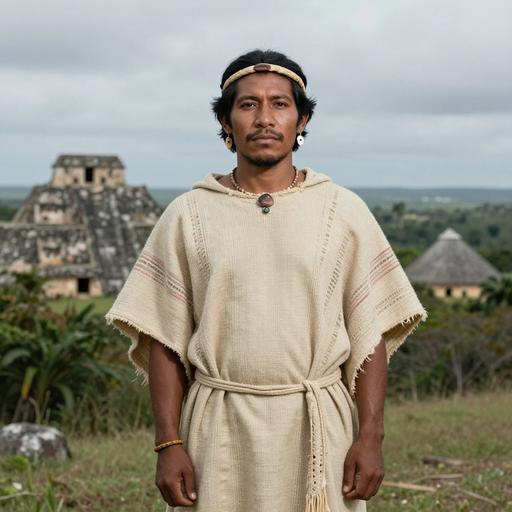
Belize, approximately 4,600 years ago, falls within a fascinating period of Preclassic Mesoamerica, often referred to as the Early Preclassic era, around 2600 BCE. During this period, the precursors of the Maya civilization were beginning to establish themselves in the region. The culture and society of this era provide a foundational understanding of what would later evolve into the sophisticated and complex Maya civilization known for its calendar systems, hieroglyphic writing, impressive architecture, and intricate social organization.
Geography and Environment
Belize, located on the eastern coast of Central America, is characterized by a diverse landscape that includes coastal plains, savannas, mountains, and the dense tropical rainforest of the Petén Basin. Around 4600 years ago, the region would have been dominated by lush jungles and fertile lands, benefitting from the climatic conditions that supported early agricultural activities.
Societal Structure and Settlements
At this time, the inhabitants of Belize were likely organized into small, family-based communities or clans. These groups were semi-nomadic but increasingly settled, as they began engaging in rudimentary agricultural practices. Settlements may have been comprised of simple structures made of perishable materials such as wood, thatch, and mud, with archaeological evidence suggesting they lived in close proximity to water sources.
Agriculture and Subsistence
One of the pivotal advancements during this period was the development of agriculture. The inhabitants cultivated crops such as maize (corn), beans, and squash, in a method known as milpa, which involves slash-and-burn techniques to clear areas of the forest for farming. Agriculture allowed for more stable food sources, which in turn supported population growth and the formation of more permanent settlements.
In addition to agriculture, these early communities engaged in hunting, gathering, and fishing. The rich and biodiverse environment provided a wealth of resources; they hunted animals such as deer and peccary and gathered fruits, nuts, and roots from the forest.
Social and Cultural Development
The social structure of these early Maya societies in Belize was likely egalitarian with minimal hierarchical stratification compared to later periods. Community leaders might have emerged based on age, experience, or skill, particularly in successful environmental management or religious rituals.
Culturally, these communities engaged in activities that laid the bedrock for future Maya civilization. Artistic expressions such as pottery begin to appear, albeit in rudimentary forms. These early ceramics might serve both functional and ritualistic purposes. There is evidence that suggests the use of small ceremonial objects or simple religious practices, possibly involving ancestor worship or nature-based spirituality.
Trade and Interaction
Even at this early stage, the communities of Belize were likely part of broader trade networks that spanned Mesoamerica. They might have engaged in the exchange of goods such as obsidian, shells, and animal products. These exchanges not only facilitated material transactions but also acted as conduits for cultural and technological influences between different groups.
Conclusion
The era of Belize 4,600 years ago marks an embryonic stage in the development of the Maya civilization. With its early agricultural practices, emerging social organizations, and nascent trade networks, the period lays the groundwork for the profound cultural and technological advancements that would characterize the Maya civilization in the centuries to follow. Understanding this era helps to appreciate the intricate weave of environmental adaptation, innovation, and interaction that defines the long history of the Maya people.