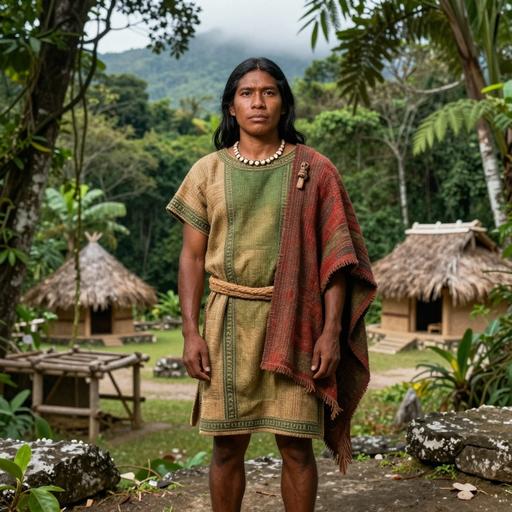
The Archaic Period in Belize, often referred to as the Pre-Maya era, is a captivating and formative epoch that laid the groundwork for the rich and complex Mesoamerican civilization that followed. This period is generally dated from around 8000 BCE to 2000 BCE. It marks the transitional phase between the Paleo-Indian era, characterized by nomadic hunter-gatherers, and the rise of the Maya civilization. This era is crucial for understanding the sociocultural and technological evolution that eventually led to one of the most advanced civilizations of the ancient world.
Environment and Geography
During the Archaic Period, the geographical landscape of what is today Belize was vastly different due to climatic fluctuations following the last Ice Age. The region is characterized by diverse environments, including coastal areas, lowland jungles, river valleys, and upland regions. This varied geography provided multiple ecological niches that early inhabitants exploited for survival. The coastal areas were particularly significant for their resources, as they provided an abundant supply of marine life.
Society and Economy
The society during the Archaic Period was primarily composed of semi-nomadic groups that relied heavily on foraging, fishing, and hunting. Early inhabitants utilized a wide array of natural resources, and their subsistence strategies varied according to local environments. The evidence suggests that these groups had a diet that included small mammals, reptiles, birds, shellfish, and a variety of plant-based foods. Key plant species likely included wild tubers, fruits, seeds, and nuts.
As the period progressed, there is evidence of the gradual domestication of plants, marking the beginnings of agriculture. The introduction of staple crops such as maize, beans, and squash began to shift the economic practices of these groups towards a more sedentary lifestyle, laying the foundation for complex societies.
Technology and Innovation
The Archaic people of Belize were skilled artisans within their technological bounds, primarily using stone tools. They manufactured a variety of implements, including spear points, knives, and scrapers, made from chert and obsidian, abundant materials in the region. The transition from large Clovis-like spear points to smaller arrow points exemplifies the adaptation to smaller game and perhaps more advanced hunting techniques.
Additionally, evidence of early pottery and weaving begins to appear toward the latter part of the Archaic Period. These technologies indicate not only improvements in daily life but also the increasing specialization and complexity of social structures.
Cultural Practices and Social Organization
While there is limited direct evidence about the societal organization and cultural practices of the Archaic groups in Belize, inference can be made from archaeological findings and comparative studies. These communities were likely organized in small, kin-based groups with egalitarian structures. Social roles would have been largely based on age, sex, and skill, with experienced hunters, gatherers, and artisans holding respected positions within their communities.
Cultural expressions, such as rudimentary art or early forms of belief systems, remain elusive, although some archaeological sites indicate possible ritualistic activities. The presence of caves and other natural formations could have held spiritual significance for these people, a practice that is well-documented in later Maya culture.
Interaction and Trade
Evidence suggests that even during the Archaic Period, there was interaction between groups within the region, as well as with neighboring areas. These exchanges likely involved not only goods such as raw materials, food, and crafted items but also ideas, practices, and technologies. The movement of obsidian, in particular, points to the existence of trade networks.
Conclusion
The Archaic Period in Belize is a pivotal chapter in the prehistory of Mesoamerica, setting the stage for the rise of the Maya civilization. Understanding this era provides valuable insights into the adaptive strategies, technological innovations, and evolving social structures of early human societies. It highlights the complex interplay between humans and their environment and underscores the ingenuity and resilience of these ancient people. The archaeological study of this period continues to uncover new findings, offering a deeper appreciation for the roots of Belize's cultural heritage.