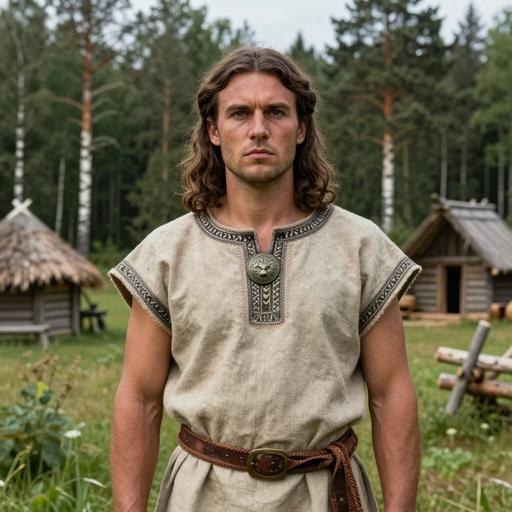
The Bronze Age in Latvia, a period extending roughly from around 1800 to 500 BCE, marks a significant chapter in the prehistoric era of the Baltic region. This era is part of the broader Baltic Bronze Age, which saw numerous cultural, technological, and social developments.
Geography and Environment
Bronze Age Latvia was characterized by a diverse yet abundant natural environment. The terrain featured dense forests, numerous rivers and lakes, and a coastline along the Baltic Sea. These geographical features influenced settlement patterns and facilitated trade and communication. The temperate climate supported agriculture and animal husbandry, which would become integral to the lifestyle of Bronze Age people.
Archaeological Findings
Archaeological evidence indicates that the inhabitants of Bronze Age Latvia made significant advancements in metalworking, particularly with bronze—a combination of copper and tin—which was used to create various tools, weapons, and ornaments. Artifacts such as axes, swords, spearheads, and jewelry like bracelets and pendants have been discovered, reflecting both utilitarian and decorative uses of metalwork.
One crucial site that has provided insights into this era is the Āraiši Archaeological Park, where remnants of pile dwellings, an ancient form of housing raised above ground or water, have been unearthed. These findings suggest advanced carpentry skills and a way of life adapted to the marshy and wooded landscape.
Social Structure and Culture
The social structure of Bronze Age Latvia likely consisted of small, interconnected communities or tribes that engaged in agriculture, hunting, and fishing. These groups were probably led by chieftains or influential families, a common feature in prehistoric societies where power often resided with individuals who could control valuable resources or trade networks.
Cultural practices in this era included burial rites that reveal a belief in an afterlife, as evidenced by burial mounds or barrows where the dead were interred with grave goods. These belongings, ranging from pottery to personal ornaments, suggest a ceremonial approach to death and an indication of social stratification.
Economy and Trade
The economy of Bronze Age Latvia was diverse and adaptive. Agriculture was practiced extensively, with barley, wheat, and rye as common crops. Animal husbandry complemented crop production, with domesticated animals such as cattle, pigs, and sheep providing meat, milk, and wool.
Trade played a crucial role in this era, facilitated by the proximity to the Baltic Sea. The region was part of larger trade networks that connected it to Scandinavia, Central Europe, and even further afield. Amber, a precious commodity from the Baltic region, was highly valued and traded widely, establishing Latvia as a significant player in the prehistoric trade routes of Europe.
Religion and Beliefs
Religious beliefs during the Bronze Age in Latvia, while not thoroughly documented due to the lack of written records, can be inferred from archaeological and ethnographic data. The natural environment likely played a significant role in spiritual practices, with elements of animism or nature worship. Megalithic structures and specific landscape features might have held religious significance, serving as sites for rituals or communal gatherings.
Conclusion
The Bronze Age in Latvia was a formative period that laid the foundation for future cultural developments in the region. It was marked by technological innovation, especially in metallurgy, evolving social structures, robust trade networks, and a rich cultural tapestry that included distinctive religious practices. While much of the understanding of this era comes from archaeological findings, ongoing research continues to deepen the knowledge of Bronze Age Latvia, offering insights into the lives of those who inhabited the region thousands of years ago.