


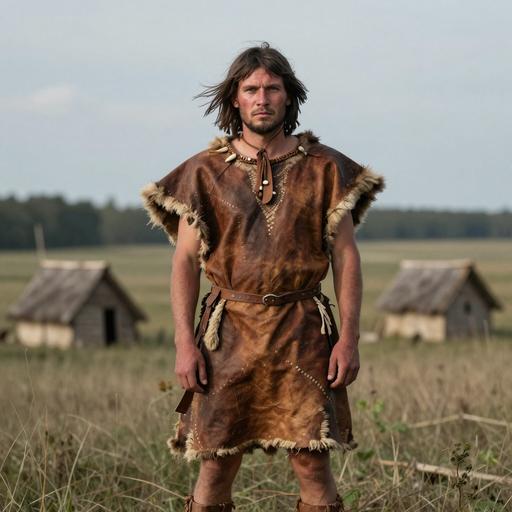
| Individual | Culture/Period | Date | Location | Action |
|---|---|---|---|---|
| Circumpolar Cultures individual, Russia | Hunter-Gatherer Russia | 6000 BCE | Archangelsk. Popovo, Russia | View |
| EMN Narva-o individual, Lithuania | Early to Middle Neolithic Narva Culture, Lithuania | 5500 BCE | Donkalnis, Lithuania | View |
| Mesolithic individual, Lithuania | Mesolithic Lithuania | 5991 BCE | Donkalnis, Lithuania | View |
| EMN Narva individual, Lithuania | Early to Middle Neolithic Narva Culture, Lithuania | 4718 BCE | Donkalnis, Lithuania | View |
| EMN Narva individual, Lithuania | Early to Middle Neolithic Narva Culture, Lithuania | 5374 BCE | Donkalnis, Lithuania | View |
| EMN Narva individual, Estonia | Early to Middle Neolithic Narva Culture, Estonia | 4776 BCE | Kivisaare, Estonia | View |
| LBA Flat Graves individual, Latvia | Bronze Age Latvia | 796 BCE | Kivutkalns, Latvia | View |
| LBA Flat Graves individual, Latvia | Bronze Age Latvia | 719 BCE | Kivutkalns, Latvia | View |
| Baltic individual, Latvia | Bronze Age Latvia | 407 BCE | Kivutkalns, Latvia | View |
| LBA Flat Graves individual, Latvia | Bronze Age Latvia | 720 BCE | Kivutkalns, Latvia | View |
| LBA Flat Graves individual, Latvia | Bronze Age Latvia | 787 BCE | Kivutkalns, Latvia | View |
| LBA Flat Graves individual, Latvia | Bronze Age Latvia | 788 BCE | Kivutkalns, Latvia | View |
| LBA Flat Graves individual, Latvia | Bronze Age Latvia | 758 BCE | Kivutkalns, Latvia | View |
| LBA Flat Graves individual, Latvia | Bronze Age Latvia | 745 BCE | Kivutkalns, Latvia | View |
| LBA Flat Graves individual, Latvia | Bronze Age Latvia | 799 BCE | Kivutkalns, Latvia | View |
| LBA Flat Graves individual, Latvia | Bronze Age Latvia | 809 BCE | Kivutkalns, Latvia | View |
| EMN Narva individual, Lithuania | Early to Middle Neolithic Narva Culture, Lithuania | 4453 BCE | Kretuonas 1B, Lithuania | View |
| European Hunter-Gatherers individual, Lithuania | Early to Middle Neolithic Narva Culture, Lithuania | 5500 BCE | Kretuonas 1B, Lithuania | View |
| EMN Narva individual, Lithuania | Early to Middle Neolithic Narva Culture, Lithuania | 5500 BCE | Kretuonas 1B, Lithuania | View |
| MN individual, Sweden | Middle Neolithic Funnel Beaker Culture, Sweden | 3945 BCE | Kvärlöv. Saxtorp. Skåne, Sweden | View |
| Mesolithic individual, Sweden | Hunter-Gatherer Motala, Sweden | 5724 BCE | Motala. Kanaljorden, Sweden | View |
| LN EBA individual, Sweden | Late Neolithic to Bronze Age Sweden | 2573 BCE | Ölsund. Hälsingland, Sweden | View |
| LN individual, Lithuania | Late Neolithic Lithuania | 2861 BCE | Plinkaigalis, Lithuania | View |
| LN individual, Lithuania | Late Neolithic Lithuania | 3264 BCE | Plinkaigalis, Lithuania | View |
| Arkhangelsk Mesolithic individual, Russia | Hunter-Gatherer Popovo, Russia | 7500 BCE | Popovo. Archangelsk, Russia | View |
| EMN individual, Lithuania | Early to Middle Neolithic Narva Culture, Lithuania | 4442 BCE | Spiginas, Lithuania | View |
| LN individual, Lithuania | Late Neolithic Lithuania | 2132 BCE | Spiginas, Lithuania | View |
| Middle Mesolithic individual, Lithuania | Mesolithic Lithuania | 6442 BCE | Spiginas, Lithuania | View |
| MN-1 individual, Estonia | Middle Neolithic Comb Ceramic Culture 1, Estonia | 3621 BCE | Tamula, Estonia | View |
| MN-2 individual, Estonia | Middle Neolithic Comb Ceramic Culture 2, Estonia | 3796 BCE | Tamula, Estonia | View |
| LBA individual, Lithuania | Bronze Age Lithuania | 1257 BCE | Turlojiškė, Lithuania | View |
| LBA individual, Lithuania | Bronze Age Lithuania | 928 BCE | Turlojiškė, Lithuania | View |
| LBA individual, Lithuania | Bronze Age Lithuania | 1015 BCE | Turlojiškė, Lithuania | View |
| LBA individual, Lithuania | Bronze Age Lithuania | 2100 BCE | Turlojiškė, Lithuania | View |
| Circumpolar Cultures individual, Russia | Eastern Hunter-Gatherer, Russia | 5500 BCE | Yuzhnyy Oleni Ostrov. Karelia, Russia | View |
| EMN Narva individual, Estonia | Early to Middle Neolithic Narva Culture, Estonia | 4895 BCE | Veibri, Estonia | View |
| Indo-European individual, Lithuania | Late Neolithic Lithuania | 2620 BCE | Gyvakarai, Lithuania | View |
| Karelia Mesolithic individual, Russia | Yuzhny Oleny Ostrov Culture | 5500 BCE | Yuzhny Oleniy Ostrov (Republic of Karelia, Medvezhyegorsky District, Velikaya Guba Village), Russia | View |
| Baltic Emn individual, Lithuania | 5500 BCE | Kretuonas 1B, Lithuania | View | |
| Baltic Ln individual, Estonia | 2575 BCE | Kursi. Jõgeva, Estonia | View | |
| Baltic Ln individual, Lithuania | 2620 BCE | Gyvakarai, Lithuania | View |
Page 1
| Individual | Culture/Period | Date | Location | Action |
|---|---|---|---|---|
| EMN Narva-o individual, Lithuania | Early to Middle Neolithic Narva Culture, Lithuania | 5500 BCE | Donkalnis, Lithuania | View |
| EMN Narva individual, Lithuania | Early to Middle Neolithic Narva Culture, Lithuania | 4718 BCE | Donkalnis, Lithuania | View |
| EMN Narva individual, Lithuania | Early to Middle Neolithic Narva Culture, Lithuania | 5374 BCE | Donkalnis, Lithuania | View |
| EMN Narva individual, Lithuania | Early to Middle Neolithic Narva Culture, Lithuania | 4453 BCE | Kretuonas 1B, Lithuania | View |
| European Hunter-Gatherers individual, Lithuania | Early to Middle Neolithic Narva Culture, Lithuania | 5500 BCE | Kretuonas 1B, Lithuania | View |
| EMN Narva individual, Lithuania | Early to Middle Neolithic Narva Culture, Lithuania | 5500 BCE | Kretuonas 1B, Lithuania | View |
| EMN individual, Lithuania | Early to Middle Neolithic Narva Culture, Lithuania | 4442 BCE | Spiginas, Lithuania | View |
Page 1