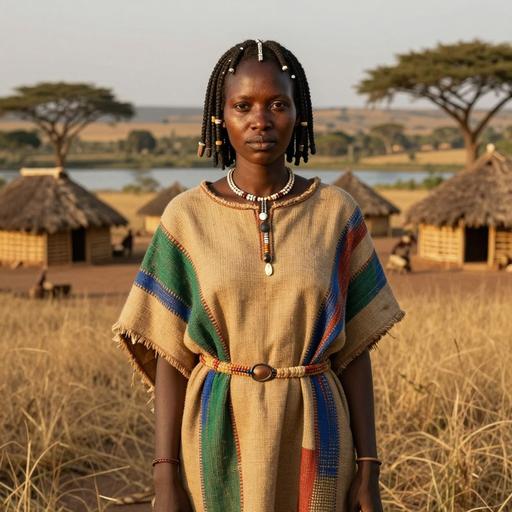
The Munsa Late Iron Age (LIA) in Uganda represents a fascinating period and cultural phase in the history of the Bantu-speaking peoples in East Africa. This era is characterized by significant advancements in metallurgy, agriculture, social organization, and interaction with the environment. The Munsa archaeological site, which has yielded rich insights into this epoch, serves as a focal point for understanding the cultural and technological developments of the Bantu peoples during the LIA.
Geographical and Environmental Context
Munsa is located in the present-day western region of Uganda. The area is characterized by its rich volcanic soils, which are conducive to agriculture, and its strategic location between the Great Lakes of Africa. This made it an attractive settlement site for Bantu-speaking communities. The climate during the Late Iron Age was generally stable, supporting both agricultural and pastoral lifestyles.
Cultural and Social Organization
The Munsa LIA spans approximately 1000 AD to 1600 AD. During this time, Bantu communities in Uganda had developed settled agricultural societies. These communities were organized into hierarchical chiefdoms or kingdoms, with social structures becoming increasingly complex. Leadership was often centralized in the person of a chief or king who wielded both spiritual and political authority.
Technological and Agricultural Advancements
The hallmark of the Munsa LIA is the sophisticated use of iron metallurgy. Iron tools radically improved agricultural efficiency, facilitating the expansion of farming communities. The production of iron involved both smelting and smithing techniques, with evidence of furnaces found at archaeological sites like Munsa.
Agriculture was the backbone of the Munsa LIA economy, with banana cultivation, millet, and sorghum being staple crops. The use of iron hoes and other implements enabled more extensive and productive farming. In addition to crop farming, animal husbandry played a significant role, with communities raising cattle, goats, and sheep.
Trade and Interaction
The Munsa region was part of a broader network of trade that connected different Bantu communities and other cultural groups across East Africa. Goods such as iron products, pottery, and agricultural surpluses were commonly traded. There is also evidence of long-distance trade, with items like glass beads suggesting connections to Indian Ocean trade networks.
Art, Religion, and Rituals
Artistic expression within Munsa communities is often observed in pottery, which was both utilitarian and ceremonial. The pottery typically features intricate designs and serves as an indicator of cultural affiliations and regional exchanges.
Religion and spirituality were integral to life during the Munsa LIA. Ancestor worship and reverence for spirits played crucial roles, with spiritual leaders guiding religious rituals. Archaeological findings at Munsa suggest that certain spaces were designated for religious purposes, possibly including human or animal sacrifices, which were common in many Bantu spiritual traditions.
Decline and Legacy
The decline of the Munsa LIA culture can be attributed to a combination of factors, including environmental changes, overexploitation of resources, and possibly sociopolitical upheavals that led to the reorganization of communities. Despite these declines, the legacy of this period is significant. It laid the foundation for subsequent cultural and political developments in the region, including the emergence of powerful kingdoms like Bunyoro and Buganda.
Archaeological Significance
The archaeological site at Munsa remains one of the most important for understanding the Late Iron Age in Uganda. Excavations have uncovered various structures, artifacts, and ecofacts that provide insights into the everyday lives of its inhabitants. Defensive structures, such as ditches and embankments, have been discovered, indicating concerns with security and warfare.
In conclusion, the Munsa Late Iron Age era in Uganda represents a critical phase in the development of Bantu cultures in East Africa. It highlights the technological, social, and economic transformations that shaped this region and provided a foundation for the complex societies that would emerge in the centuries to follow.