

Central-Western Europe DNA Calculator, Bell Beaker to Roman
Explore how a Central-Western Europe DNA calculator separates Bell Beaker, Germanic, Hallstatt Celtic, and Roman ancestry using ancient DNA and population genetics.


Explore how a Central-Western Europe DNA calculator separates Bell Beaker, Germanic, Hallstatt Celtic, and Roman ancestry using ancient DNA and population genetics.
Explore how Afrikaner DNA reflects Dutch, German, French Huguenot, and smaller non-European roots, and why ancestry calculators can seem to disagree.
Blue or green eyes in Kabyles are real, but their genetics point to ancient Anatolian farmers, not Celtic or Nordic origins. Learn what the DNA shows.
Raw DNA files can suggest Y-DNA and mtDNA haplogroups, but chip design limits resolution. Learn what ancestry results you can trust and when to test further.
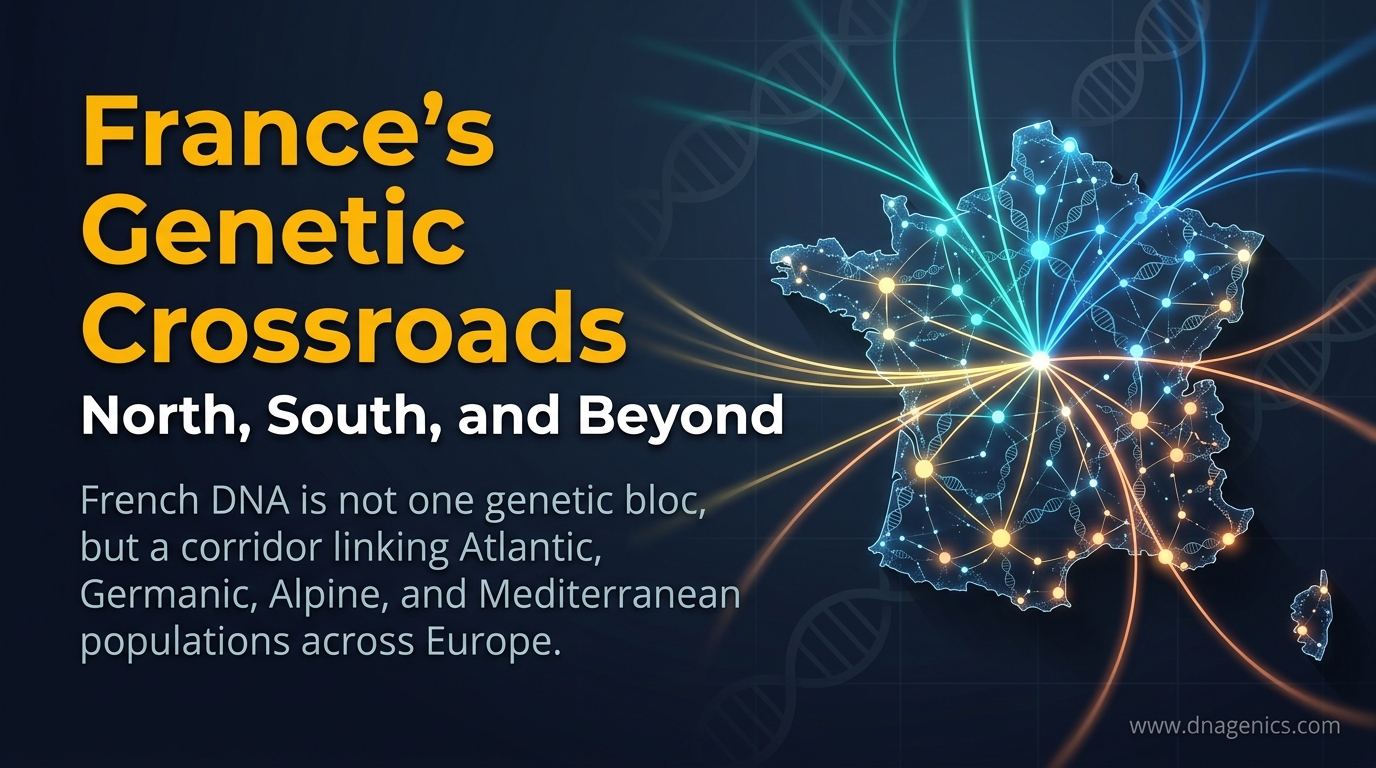
French DNA is not one genetic bloc, but a corridor linking Atlantic, Germanic, Alpine, and Mediterranean populations across Europe.

Explore how ancient migration, population genetics, and endogamy shaped North and South Indian DNA, from Steppe ancestry to IVC and AASI signals.
Learn what African American DNA results really show, including African regional matches, European admixture, Native ancestry, and the history behind them.
Explore how Bronze Age migration reshaped European DNA, leaving Steppe-linked paternal haplogroups and older maternal lineages in modern ancestry results.
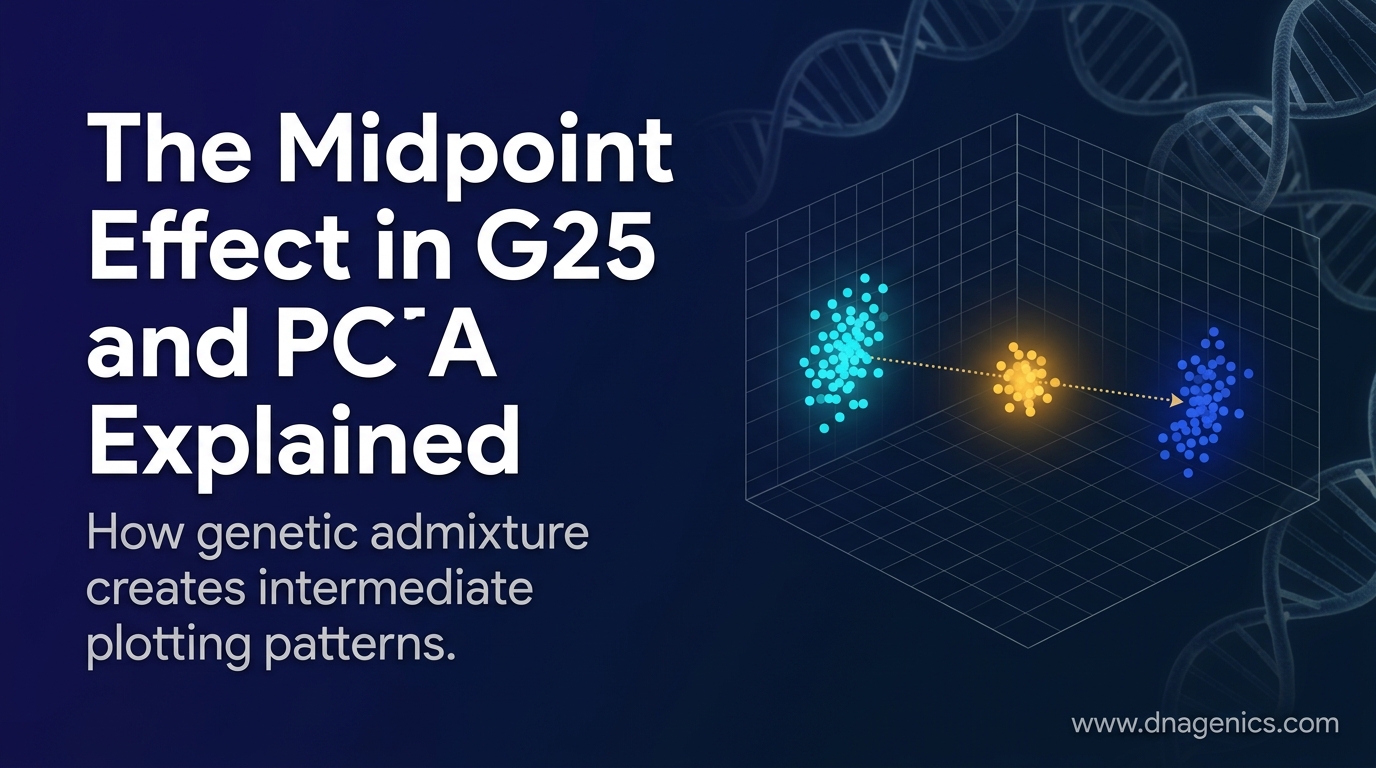
Learn how admixture creates midpoint patterns in G25 and PCA, why Tatars, Turks, and Horn of Africa populations plot where they do, and what it means for DNA ancestry analysis.
Discover how ancient Balkan populations shaped modern DNA, from Illyrian and Thracian roots to Slavic migration, haplogroups, and ancestry patterns.
Learn how ancestry DNA percentages, reference panels, haplogroups, and DNA matches really work, so you can read ethnicity estimates with more confidence.
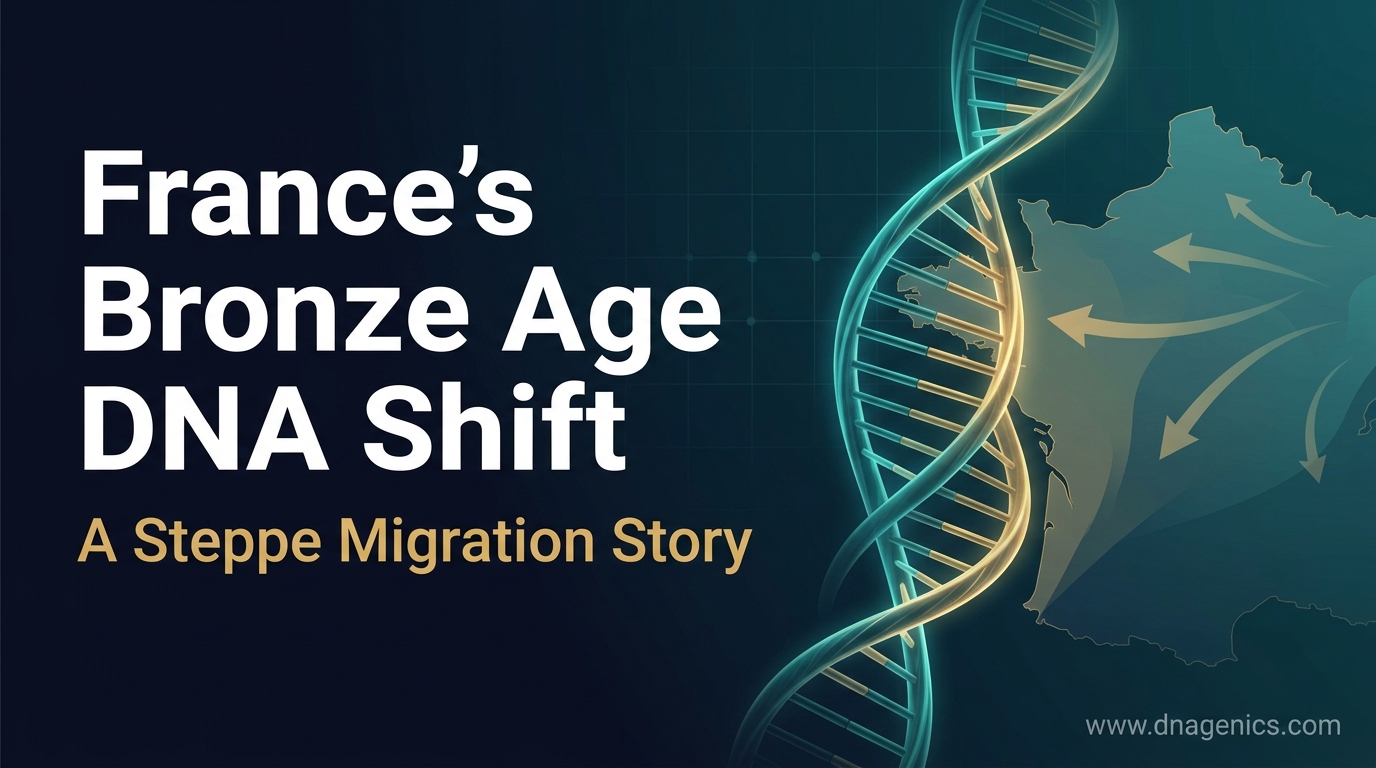
Ancient DNA shows northern France underwent the same Bell Beaker transformation seen in Britain, with steppe ancestry, R1b, and major population turnover.