

Sarmatians and Scythians: Cousins, Not Ancestors
Ancient DNA shows the Sarmatians were not Scythian descendants, but a related steppe people with roots in the southern Urals and a lasting Ossetian legacy.


Imported from WordPress: FAQ|DNA>Genetic history|Learning
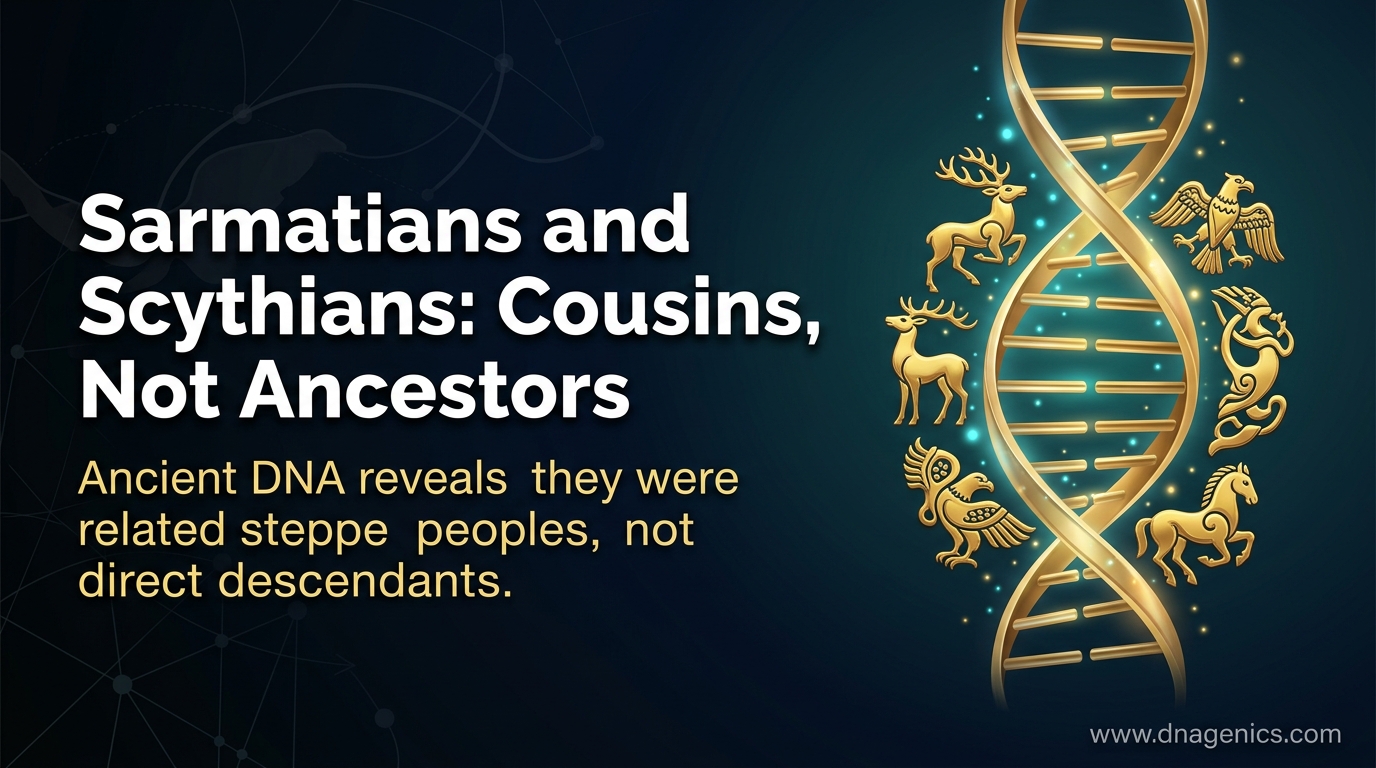
Ancient DNA shows the Sarmatians were not Scythian descendants, but a related steppe people with roots in the southern Urals and a lasting Ossetian legacy.
Ancient DNA shows Bretons are tied to the Atlantic gene pool long before medieval migration, revealing deep shared ancestry across Brittany, Britain, and Normandy.
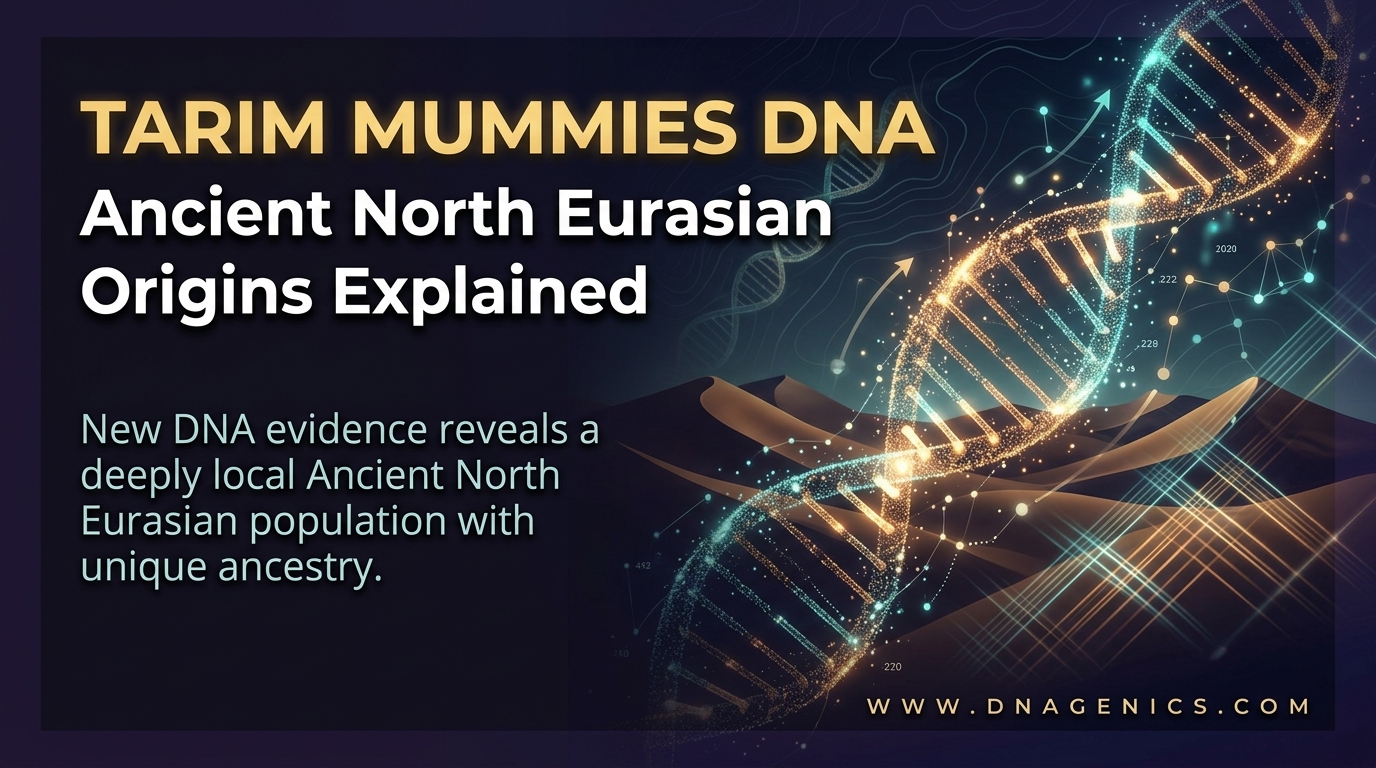
New DNA evidence shows the Tarim Basin mummies were not steppe migrants, but a deeply local Ancient North Eurasian population with unique ancestry.
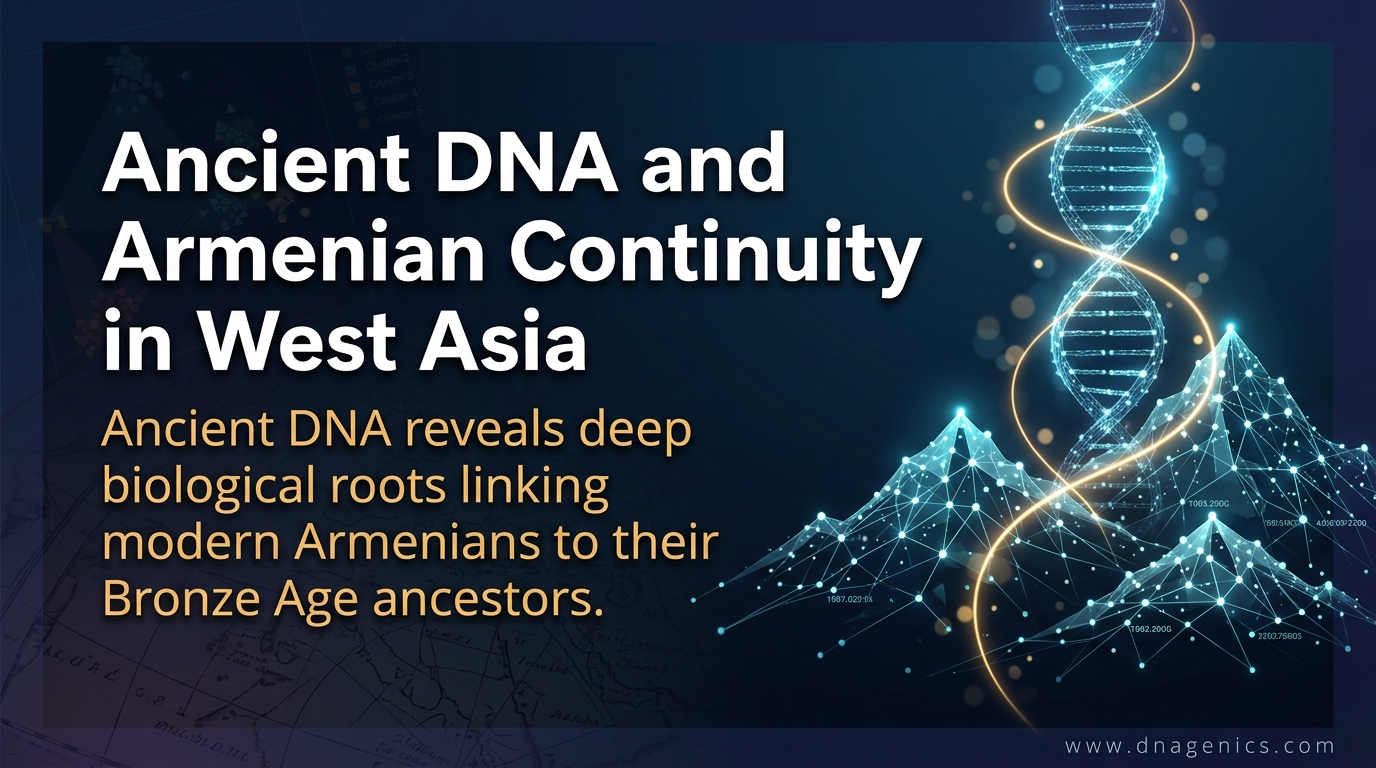
Ancient DNA shows remarkable continuity in the Armenian Highland, linking modern Armenians to Bronze Age and Chalcolithic ancestors, with only limited outside inputs.
Discover how Amish, Mennonite, and Hutterite DNA reflects founder effects, migration history, and population genetics that shape ancestry results today.
Explore how Sephardic Jewish DNA reflects Levantine roots, Mediterranean admixture, and a modest Iberian signature shaped by exile, migration, and identity.
Maltese is Europe’s only Semitic language, but DNA tells a more local story. Explore ancestry, ancient DNA, and population genetics in Malta.
New DNA research shows the Kalash are a real local Hindu Kush population with steppe ancestry, not Greek descendants or frozen relics of Europe.
How the conquering Magyars shaped Hungary’s language, while centuries of mixing reduced their steppe ancestry to a faint genetic trace.
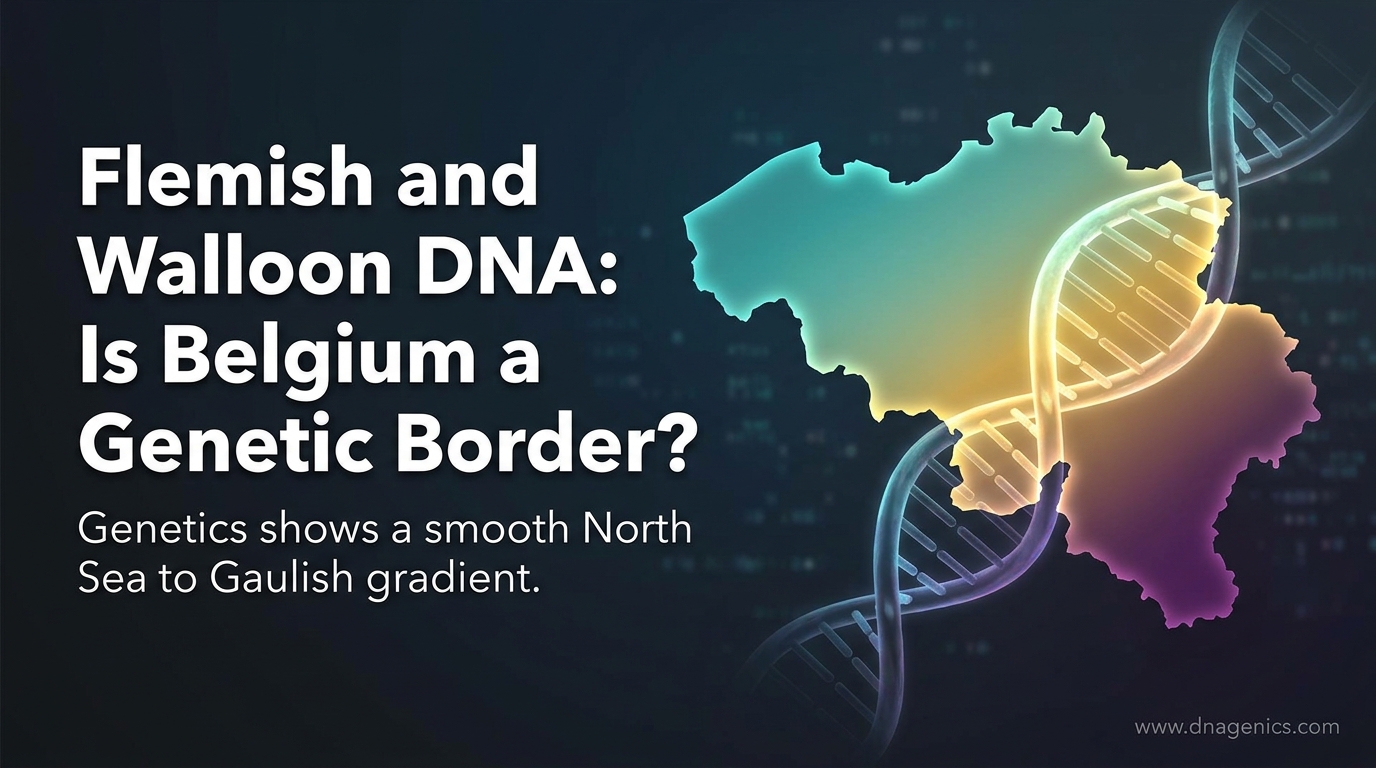
Does Belgium's language line reflect DNA? Ancient and modern genetics show a smooth North Sea to Gaulish gradient, not a hard Flemish-Walloon divide.
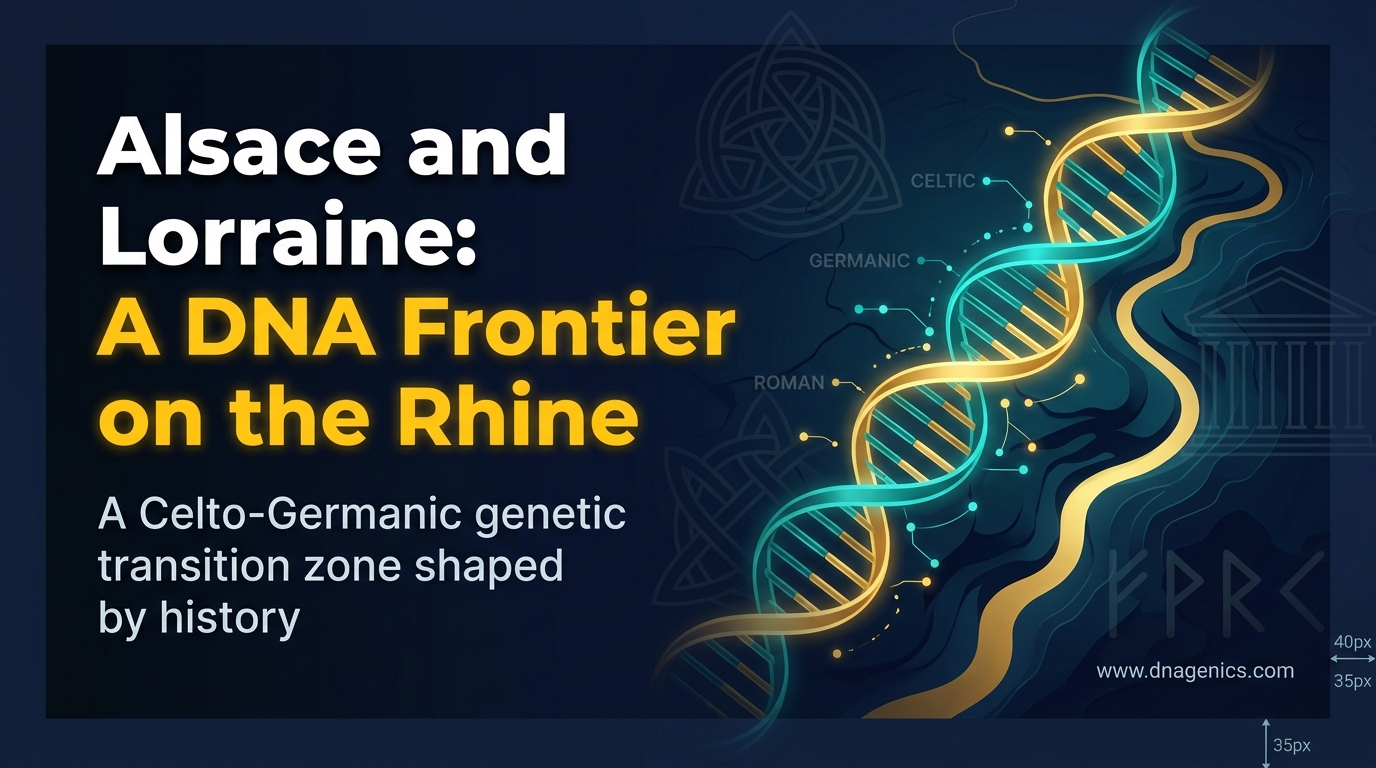
Explore how ancient DNA reveals Alsace and Lorraine as a Celto-Germanic transition zone, shaped by Iron Age Celts, Roman Gaul, and migration.
A major ancient DNA study reshapes the story of Carthage, showing that Phoenician culture spread west with little Levantine ancestry in the Punic world.