Menu
mtDNA Haplogroup • Maternal Lineage

L0A2

mtDNA Haplogroup L0A2

~30,000 years ago
Eastern Africa
2 subclades
Scroll to explore
Chapter I

The Story

The journey of mtDNA haplogroup L0A2

Origins and Evolution

mtDNA haplogroup L0A2 is a subclade of L0A, itself a deep-branching lineage within macro-haplogroup L0. L0A has a Late Pleistocene time depth in eastern Africa, and L0A2 represents one of the daughter lineages that diversified regionally. Based on its phylogenetic position and dating of related L0A subclades, L0A2 likely arose in eastern Africa roughly on the order of tens of thousands of years ago (here estimated around ~30 kya), with subsequent diversification during the Late Pleistocene and Holocene. As with many African mtDNA lineages, refined age estimates continue to shift as more whole-mitochondrial genomes are sampled.

Subclades

Within L0A2 there is internal diversity recognized in high-resolution mtDNA studies; commonly reported sublineages include forms labelled L0a2a, L0a2b (and further downstream branches) depending on the nomenclature of different phylogenies. The precise branching order and ages of these subclades are still being refined by whole mitogenome sequencing, but they reflect regional diversification in East Africa and dispersal events that carried L0A2 derivatives into neighboring regions.

Geographical Distribution

L0A2 is most concentrated in East Africa, especially among Horn of Africa and neighboring populations, and it also occurs at moderate frequencies in parts of Central and Southern Africa. The haplogroup is found in both sedentary agriculturalist and pastoralist groups (e.g., Oromo, Amhara, Somali and other Cushitic and Nilotic groups), and is present in Bantu-speaking populations via prehistoric and historic admixture. Low-to-moderate frequencies have been reported in some Central African forager groups and in southern African populations (often reflecting gene flow between eastern, central and southern regions). L0A2 has also been identified, at low frequency, among African-descended populations in the Americas as a consequence of the transatlantic slave trade, and it appears sporadically in North Africa and the Near East where historical contacts and mobility produced admixture.

Historical and Cultural Significance

Although mtDNA lineages cannot alone define cultural identity, the distribution of L0A2 informs on maternal ancestry and past demographic processes in eastern Africa. Its presence in pastoralist and agriculturalist groups points to maternal continuity and local diversification in the Horn and adjacent areas. The occurrence of L0A2 in Bantu-speaking and southern African groups documents episodes of female-mediated gene flow during the Holocene — including connections associated with the Bantu expansion and other regional movements. The detection of L0A2 in the Americas and in island populations (e.g., Madagascar in some studies) records later historical processes such as the slave trade and maritime contacts that redistributed African maternal lineages beyond the continent.

Conclusion

L0A2 is a regionally important maternal lineage rooted in eastern Africa that illustrates deep Pleistocene ancestry coupled with Holocene dispersals and admixture. Continued sampling and complete mitogenome analyses will sharpen estimates of its age, internal structure, and the timing of expansions into central, southern and transoceanic contexts. For genetic genealogy, finding L0A2 in a maternal lineage points to a likely eastern African heritage with possible later connections to neighboring African regions or diasporic populations.

Key Points

  • Origins and Evolution
  • Subclades
  • Geographical Distribution
  • Historical and Cultural Significance
  • Conclusion
Chapter II

Tree & Relationships

Phylogenetic context and subclades

Evolution Path

This haplogroup's evolutionary journey from its earliest ancestor to the present.

Steps Haplogroup Age Estimate Archaeology Era Time Passed Immediate Descendants Tested Modern Descendants Ancient Connections
1 L0A2 Current ~30,000 years ago 🦴 Paleolithic 30,000 years 2 48 0
2 L0A ~70,000 years ago 🦴 Paleolithic 70,000 years 2 166 13
3 L0 ~170,000 years ago 🦴 Paleolithic 170,000 years 4 245 6
4 L ~160,000 years ago 🦴 Paleolithic 160,000 years 7 18,987 5

Siblings (1)

Other branches from the same parent haplogroup

Chapter III

Where in the World

Geographic distribution and modern presence

Place of Origin

Eastern Africa

Modern Distribution

The populations where mtDNA haplogroup L0A2 is found include:

  1. East African populations (e.g., Oromo, Amhara, Somali and other Horn of Africa groups)
  2. Various Nilotic and Cushitic groups of eastern Africa
  3. Bantu-speaking populations in central and southern Africa (via admixture and regional gene flow)
  4. Some Central African forager groups (low-to-moderate frequencies)
  5. Khoe‑San and southern African groups at low-to-moderate frequencies (often reflecting historical admixture)
  6. African-descended populations in the Americas (low frequency, via the transatlantic slave trade)
  7. Madagascar (Malagasy) and other island populations with East African maternal input
  8. Sporadic occurrences in North Africa and the Near East (historical admixture)
CHAPTER IV

When in Time

Your haplogroup in the context of human history

~30k years ago

Haplogroup L0A2

Your mtDNA haplogroup emerged in Eastern Africa

Eastern Africa
~20k years ago

Last Glacial Maximum

Peak of the last ice age, populations isolated

~10k years ago

Neolithic Revolution

Agriculture begins, settled communities form

~5k years ago

Bronze Age

Metalworking, writing, and early civilizations

~3k years ago

Iron Age

Iron tools, expanded trade networks

~2k years ago

Classical Antiquity

Greek and Roman civilizations flourish

Present

Present Day

Modern era

Your Haplogroup
Historical Era
Chapter IV-B

Linked Cultures

Ancient cultures associated with mtDNA haplogroup L0A2

Cultural Heritage

These ancient cultures have been linked to haplogroup L0A2 based on matching ancient DNA samples from archaeological excavations. The presence of this haplogroup in these cultures provides insights into the migrations and population movements of populations carrying this haplogroup.

Cameroon Stone Mounds Hora Culture Kansyore Culture Mtwapa Pastoral Neolithic Pemba Phase I Tanzanian Prehistoric
Culture assignments are based on archaeological context of ancient DNA samples and may represent regional associations during specific time periods.
Chapter V

Sample Catalog

8 direct carriers and 18 subclade carriers of haplogroup L0A2

26 / 26 samples
Portrait Sample Country Era Date Culture mtDNA Match
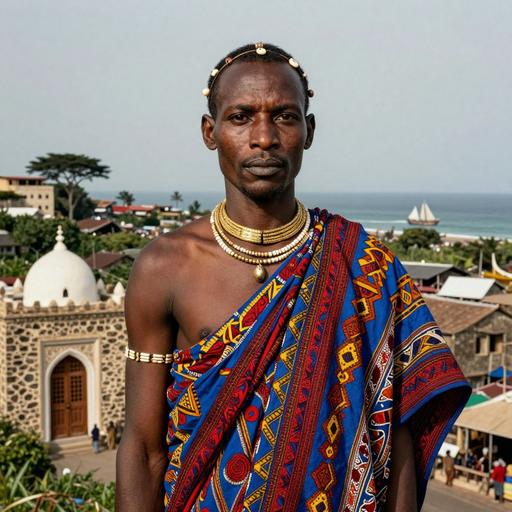
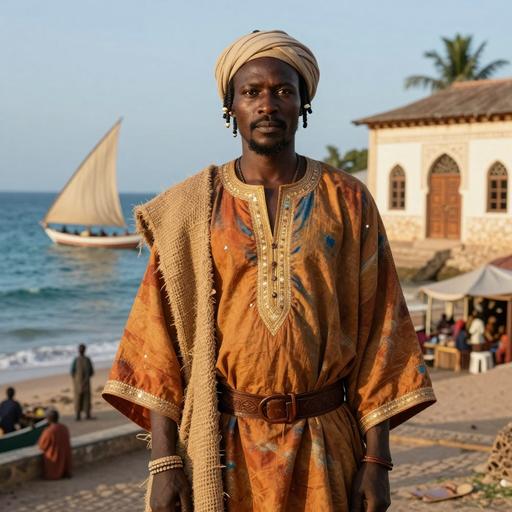
Portrait of ancient individual I17406 from Kenya, dated 1250 CE - 1650 CE
I17406
Kenya Swahili Culture of Mtwapa 1250 CE - 1650 CE Mtwapa L0a2 Direct
Portrait of ancient individual I8931 from Kenya, dated 3300 BCE - 1700 BCE
I8931
Kenya Kansyore Era in Kenya 3300 BCE - 1700 BCE Kansyore Culture L0a2 Direct
Portrait of ancient individual I8931 from Kenya, dated 3300 BCE - 1700 BCE
I8931
Kenya Pastoralist Societies in East Africa 3300 BCE - 1700 BCE L0a2 Direct
Portrait of ancient individual I2967 from Malawi, dated 6222 BCE - 5925 BCE
I2967
Malawi Hora Late Stone Age 8500BP in Malawi 6222 BCE - 5925 BCE Hora Culture L0a2 Direct
Portrait of ancient individual I2967 from Malawi, dated 6222 BCE - 5925 BCE
I2967
Malawi Ancient East Africa 6222 BCE - 5925 BCE L0a2 Direct
Portrait of ancient individual I2967 from Malawi, dated 6222 BCE - 5925 BCE
I2967
Malawi Ancient East Africa 6222 BCE - 5925 BCE L0a2 Direct
Portrait of ancient individual I2967 from Malawi, dated 6222 BCE - 5925 BCE
I2967
Malawi Ancient East Africa 6222 BCE - 5925 BCE L0a2 Direct
Portrait of ancient individual I2967 from Malawi, dated 6222 BCE - 5925 BCE
I2967
Malawi Ancient East Africa 6222 BCE - 5925 BCE L0a2 Direct
Portrait of ancient individual I8758 from Kenya, dated 756 BCE - 489 BCE
I8758
Kenya Pastoral Neolithic in Kenya 756 BCE - 489 BCE Pastoral Neolithic L0a2d Downstream
Portrait of ancient individual I19388 from Kenya, dated 1200 CE - 1450 CE
I19388
Kenya Swahili Culture of Mtwapa 1200 CE - 1450 CE Mtwapa L0a2a2a Downstream
Chapter VI

Carrier Distribution Map

Geographic distribution of 26 ancient DNA samples (direct and subclade carriers of L0A2)

Direct carrier Subclade carrier
Time Period Filter
All Time Periods
Showing all samples
Chapter VII

Temporal Distribution

Distribution of carriers across archaeological periods

Chapter VIII

Geographic Distribution

Distribution by country of origin (direct and subclade carriers shown by default)

Chapter IX

Country × Era Distribution

Cross-tabulation of carrier countries and archaeological periods (direct and subclade carriers shown by default)

Data

Data & Provenance

Source information and data quality

Last Updated 2026-02-16
Confidence Score 50/100
Coverage Low
Data Source

We use the latest phylotree for MTDNA haplogroup classification and data.