

Ancient DNA Reveals Roman Britain’s Hidden Mobility
Ancient DNA is reshaping our view of Roman Britain, revealing migrants from the Levant, North Africa, and beyond, along with the limits of imperial mobility.


Imported from WordPress: DNA>Ancestry
Ancient DNA is reshaping our view of Roman Britain, revealing migrants from the Levant, North Africa, and beyond, along with the limits of imperial mobility.
Explore how modern Greenlanders trace most ancestry to Thule Inuit and a smaller Danish contribution, with no detectable Norse legacy.
A 2026 genome-wide study reveals the Agotes had a local Basque origin, challenging centuries of theories about this stigmatized Pyrenean community.
Ancient DNA from Roopkund, the Skeleton Lake, shows at least three groups of people, spanning South Asia, the Aegean, and Southeast Asia, across centuries.
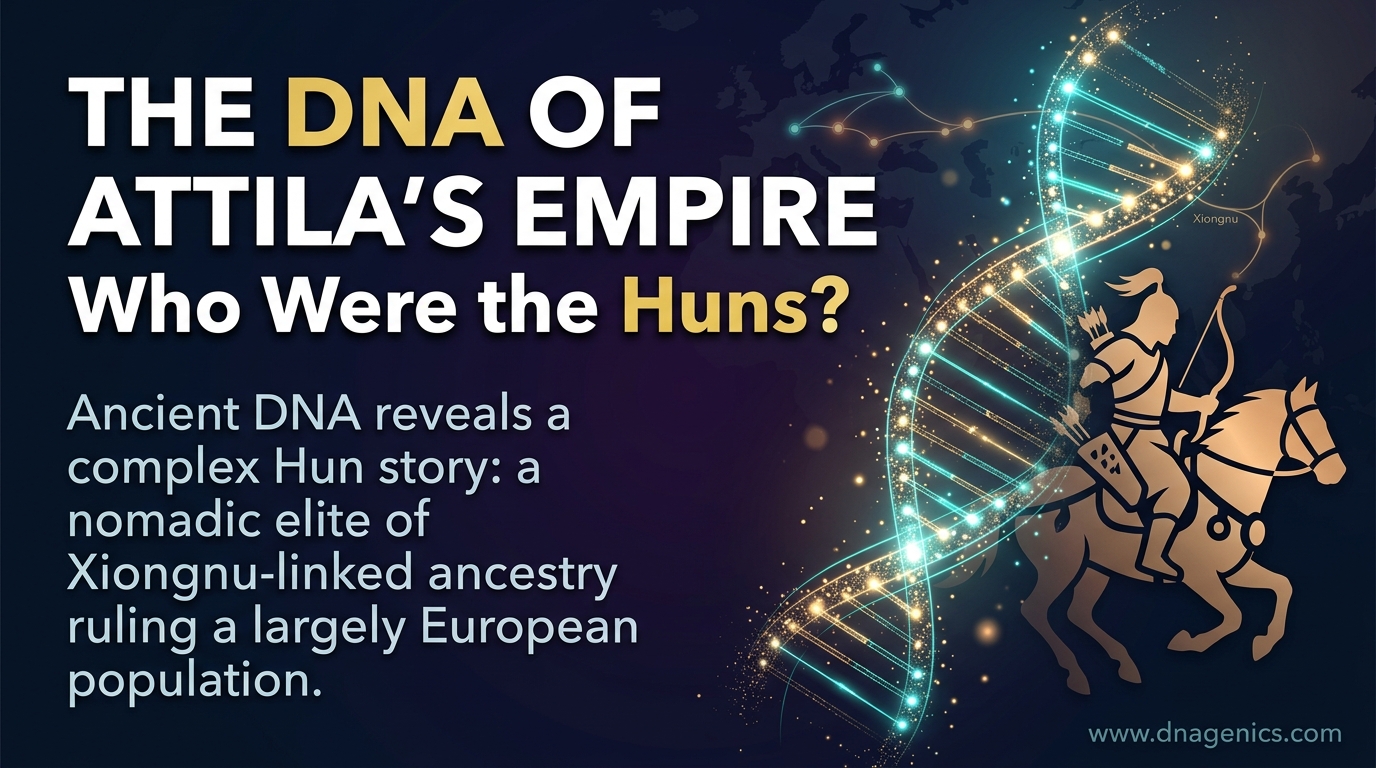
Ancient DNA reveals a complex Hun story, a small elite with Xiongnu-linked ancestry, and a largely European population in Attila's realm.
Explore why Guarani remains Paraguay’s everyday language, and how history, household structure, and DNA reveal a uniquely maternal Indigenous legacy.
Ancient DNA shows the Guanches were North African Berbers who settled the Canary Islands around the 3rd century AD, lived in isolation, and shaped today’s Canarians.
New ancient DNA from a Kunpeszér burial shows the earliest Avar elite in Hungary carried strong Northeast Asian ancestry, reshaping ideas about migration and identity.
Explore how Y-chromosome and mitochondrial DNA reveal a striking paternal and maternal split in Latin America, with the Andes showing the strongest Native American continuity.
The Global Ancient Composition Report has been significantly refreshed for September 2026, with a larger and newly curated ancient reference dataset covering more regions and historical periods worldwide. The update expands the pool of ancient individuals used across closest-match results, mixture models, composite profiles, the interactive map, and PCA analysis. This broader coverage may surface new matches, refine existing estimates, and provide a more complete view of genetic similarity from the Paleolithic through the Early Modern era. If you have run the report before, we recommend revisiting your results to see what has changed. As always, these results indicate genetic similarity to ancient reference populations and individuals; they do not constitute proof of direct genealogical descent.
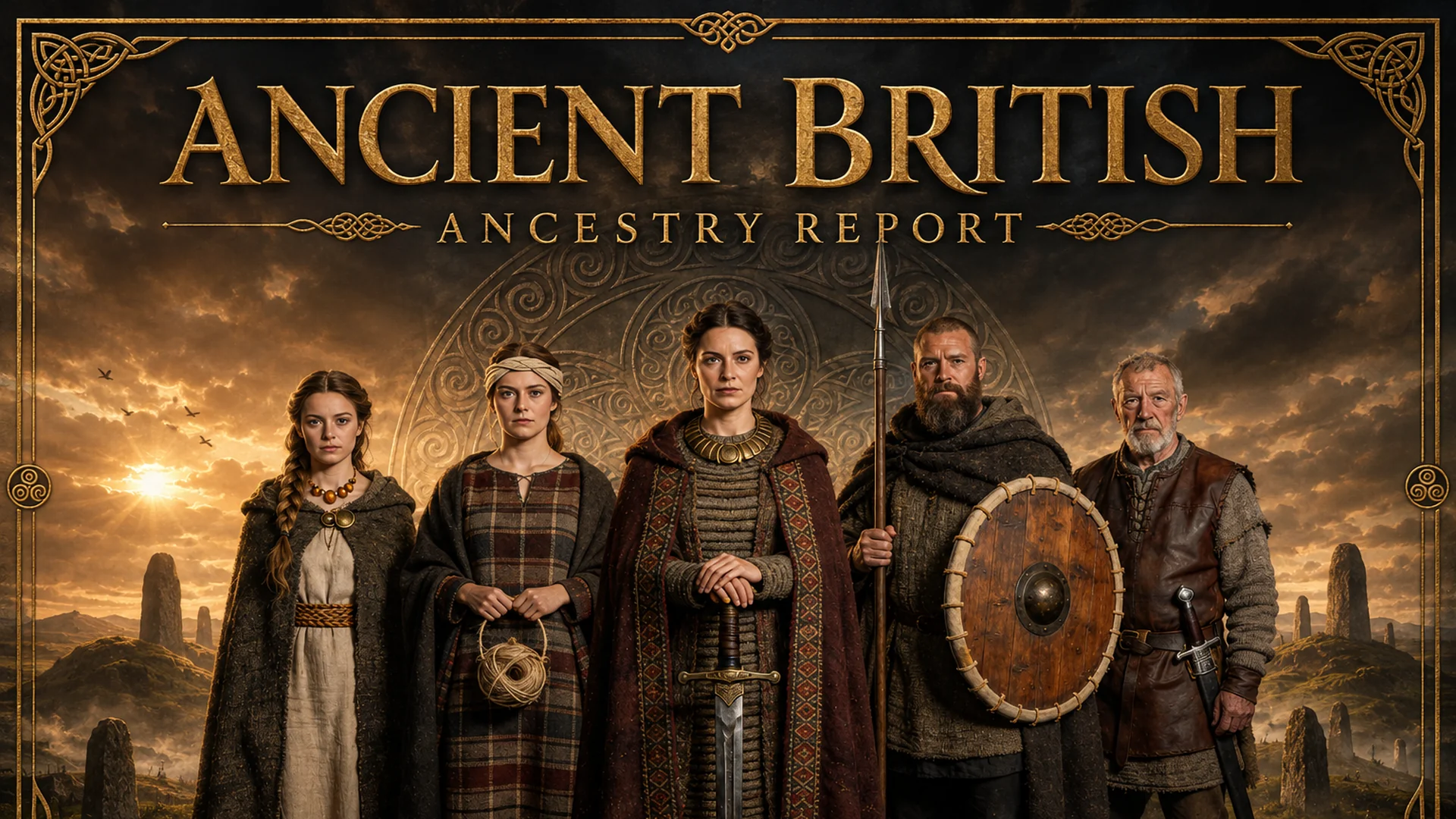
DNAGENICS launches a new regional ancient DNA report covering England, Scotland, Wales, and Ireland. Match your genome against 500 archaeological samples across nine cultural periods, from Mesolithic hunter-gatherers to Medieval populations.
Explore how genetic traits shape who we are, how they connect to ancestry, and why environment matters alongside DNA. A balanced, accessible guide for all readers.