

Genetic Origins of Poles from Volhynia
Explore how DNA, haplogroups, and population genetics reveal the layered ancestry of Poles from Volhynia, a borderland shaped by migration and history.


Imported from WordPress: DNA>Ancestry
Explore how DNA, haplogroups, and population genetics reveal the layered ancestry of Poles from Volhynia, a borderland shaped by migration and history.
Learn how light skin, blue eyes, blond hair, and lactase persistence evolved in Europe through ancient DNA, migration, and natural selection.
From Africa to the Pacific and the Americas, ancient DNA reveals how migration, admixture, and founder effects shaped human ancestry worldwide.
Ancient DNA and IBD analysis show prehistoric Europeans were linked by family networks across vast distances, reshaping ancestry, migration, and population history.
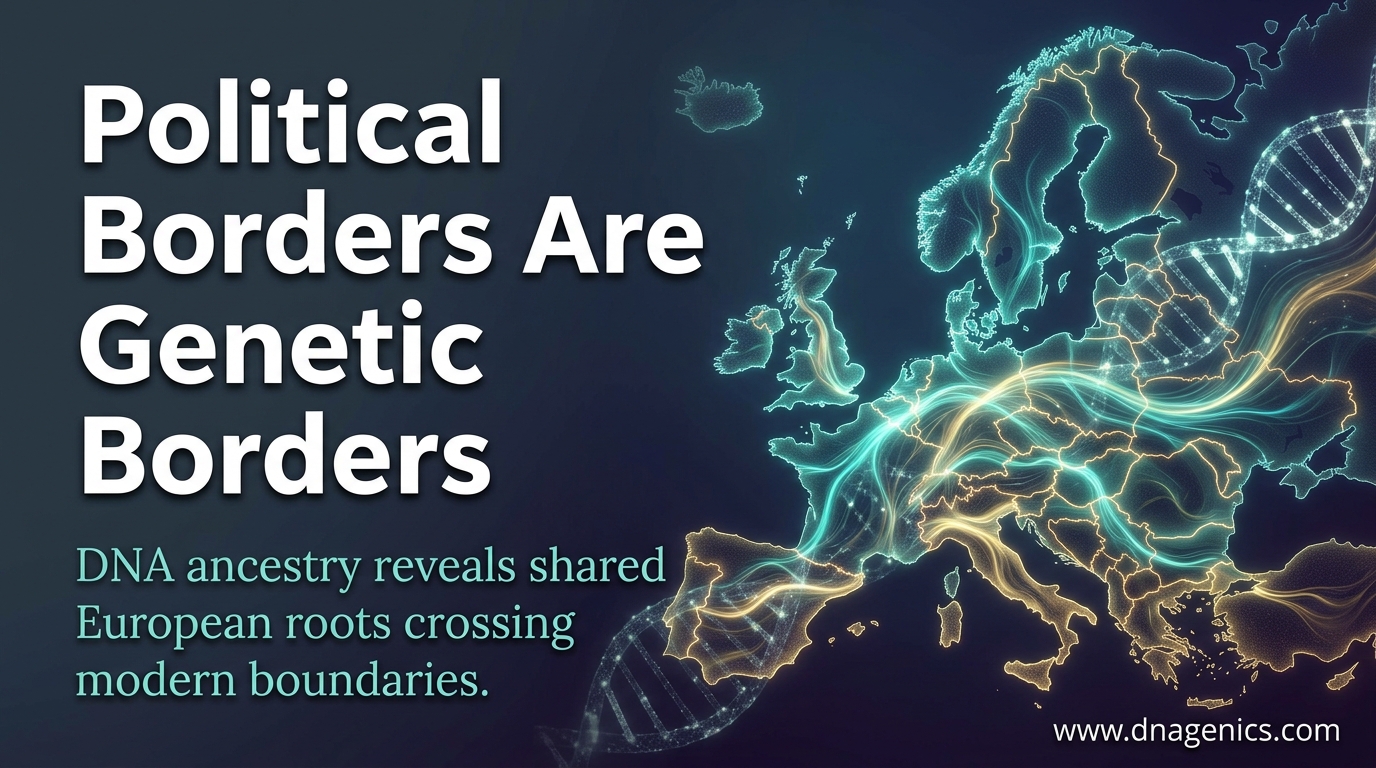
DNA ancestry often crosses modern borders, revealing shared roots between regions like Brittany, Wales, Alsace, and Germany through population genetics.
Why Celtic and Germanic DNA are so hard to separate, what G25 can and cannot tell you, and how haplogroups and ancient DNA help.
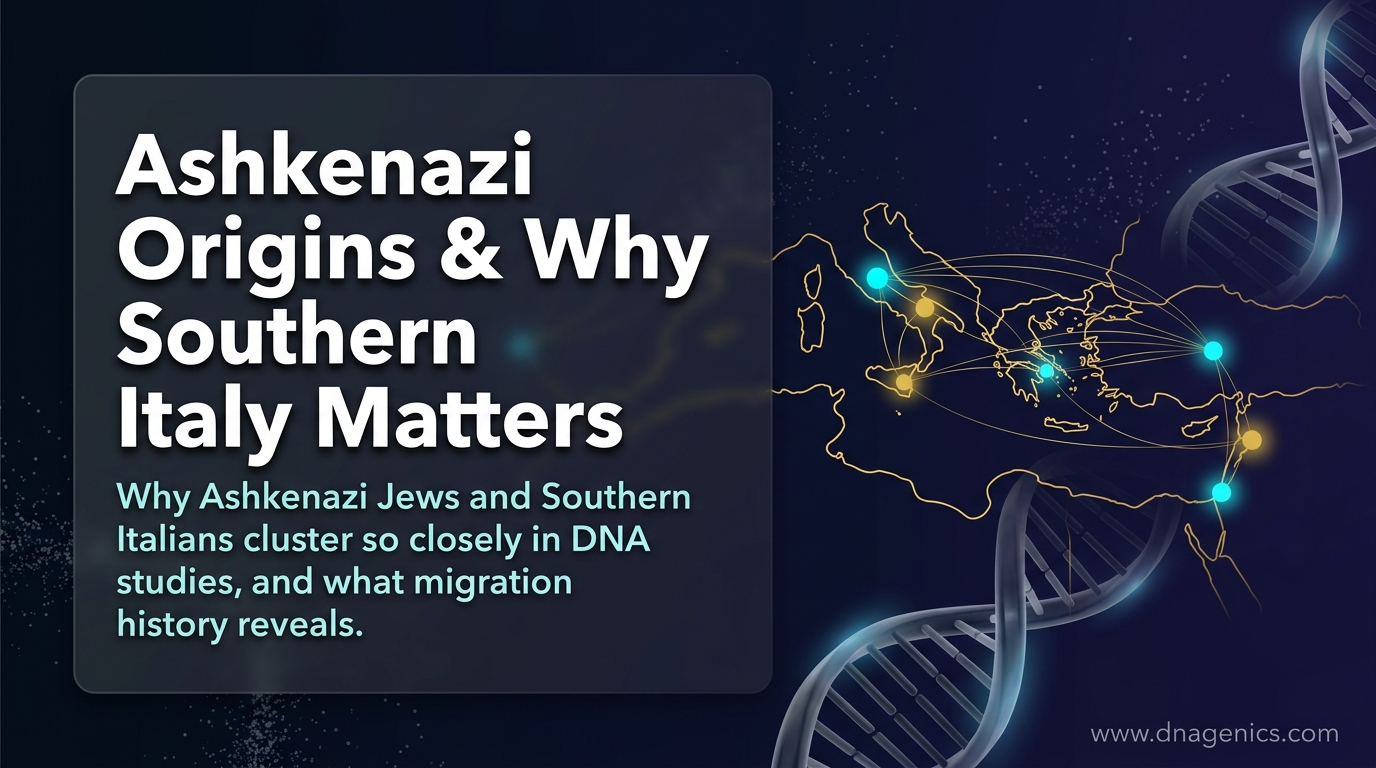
Why Ashkenazi Jews and Southern Italians cluster so closely in DNA studies, and what reference panels, ancient DNA, and migration history can reveal.
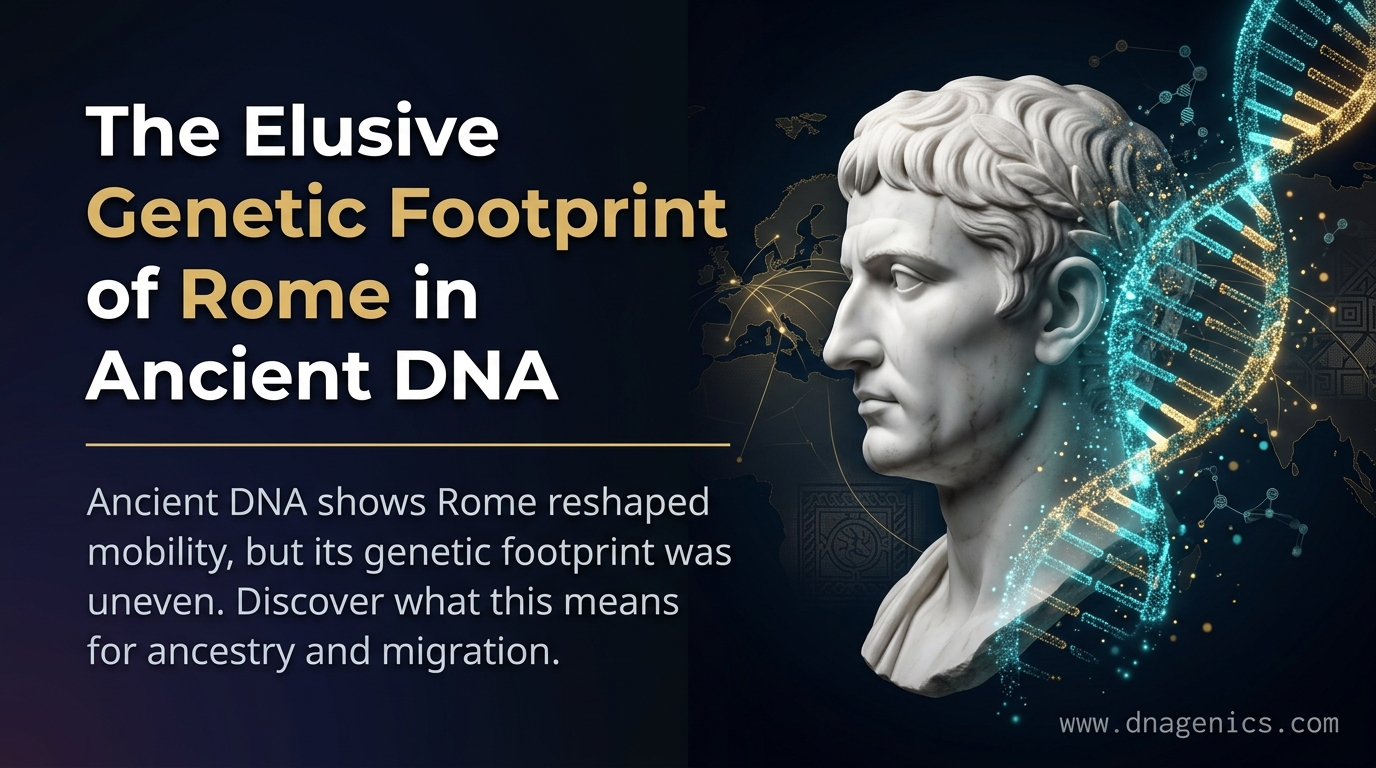
Ancient DNA shows Rome reshaped mobility and cities, but its genetic footprint was uneven. Discover what this means for ancestry, migration, and Europe.
A long-running mystery from Roman Britain shows how ancient DNA, isotopes, and population genetics can overturn conclusions from skull shape alone.
Explore how a Central-Western Europe DNA calculator separates Bell Beaker, Germanic, Hallstatt Celtic, and Roman ancestry using ancient DNA and population genetics.
Explore how Afrikaner DNA reflects Dutch, German, French Huguenot, and smaller non-European roots, and why ancestry calculators can seem to disagree.
Blue or green eyes in Kabyles are real, but their genetics point to ancient Anatolian farmers, not Celtic or Nordic origins. Learn what the DNA shows.