Why Paraguay Speaks Guarani: DNA, History, and Identity
Explore why Guarani remains Paraguay’s everyday language, and how history, household structure, and DNA reveal a uniquely maternal Indigenous legacy.


Imported from WordPress: DNA>Genetic history|History and Genetics|Learning
Explore why Guarani remains Paraguay’s everyday language, and how history, household structure, and DNA reveal a uniquely maternal Indigenous legacy.
Ancient DNA shows the Guanches were North African Berbers who settled the Canary Islands around the 3rd century AD, lived in isolation, and shaped today’s Canarians.
New ancient DNA from a Kunpeszér burial shows the earliest Avar elite in Hungary carried strong Northeast Asian ancestry, reshaping ideas about migration and identity.
Explore how Y-chromosome and mitochondrial DNA reveal a striking paternal and maternal split in Latin America, with the Andes showing the strongest Native American continuity.
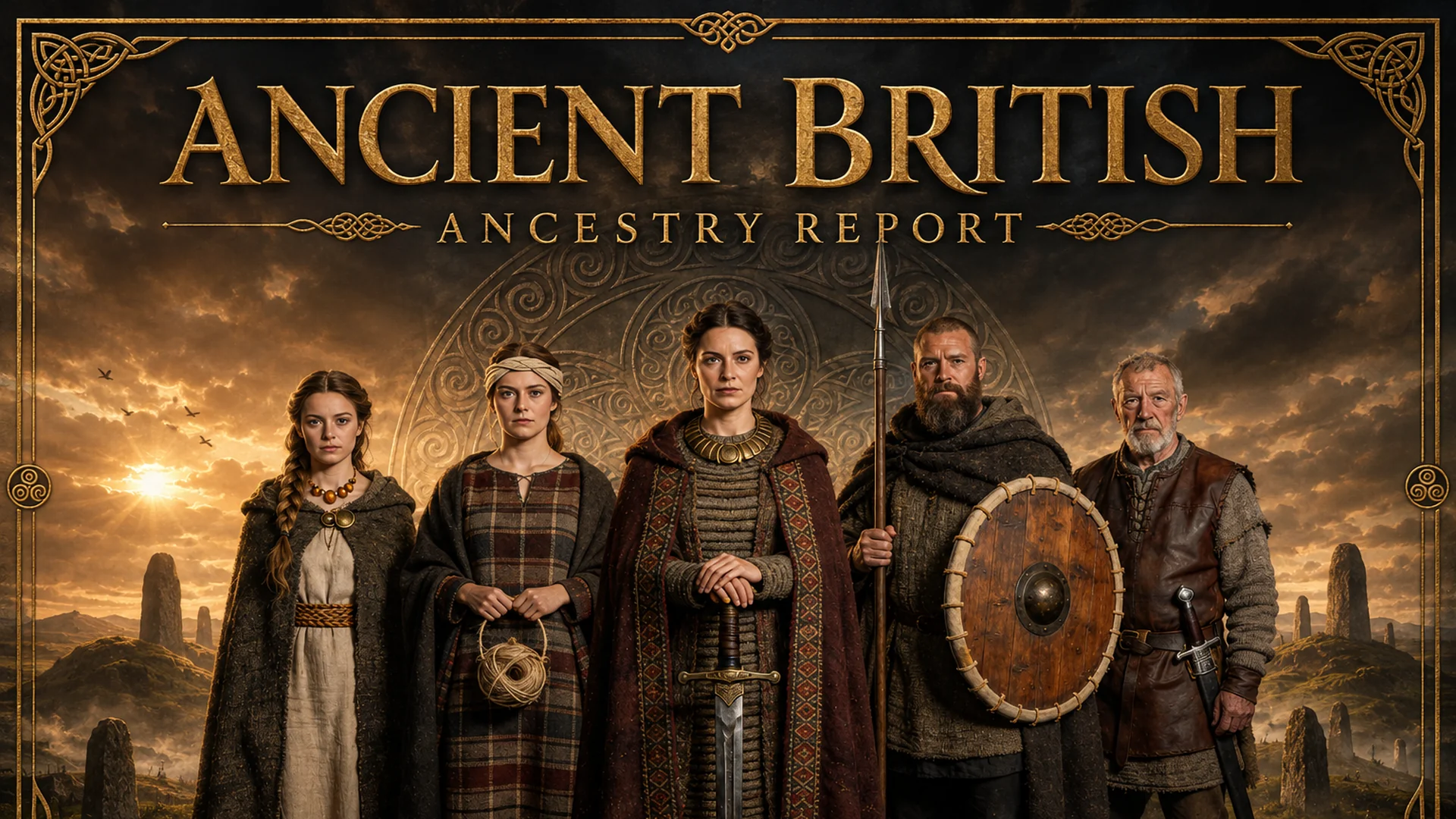
DNAGENICS launches a new regional ancient DNA report covering England, Scotland, Wales, and Ireland. Match your genome against 500 archaeological samples across nine cultural periods, from Mesolithic hunter-gatherers to Medieval populations.
Explore how genetic traits shape who we are, how they connect to ancestry, and why environment matters alongside DNA. A balanced, accessible guide for all readers.
G25 coordinates provide a compact, multidimensional view of how your DNA sits relative to reference populations in genetic space. Learn how they work, how to interpret distances, and why they are exploratory tools—not definitive ancestry labels.
ADMIXTURE analysis models genome-wide SNP data as mixtures of inferred components to reveal population structure. Learn how it works, how to interpret results, and why it is not a direct ancestry report.
This guide is for people who are new to G25 coordinates and G25 Studio. It explains the ideas in plain language, walks through a simple first analysis, and points you to deeper documentation when you are ready.