Menu
Y-DNA Haplogroup • Paternal Lineage

Q1B1A1A

Y-DNA Haplogroup Q1B1A1A

~4,000 years ago
Central Asia / Siberia
2 subclades
32 ancient samples
Scroll to explore
Chapter I

The Story

The journey of Y-DNA haplogroup Q1B1A1A

Origins and Evolution

Y-DNA haplogroup Q1B1A1A is a terminal subclade nested within Q1B1A1, a branch of Q that expanded across Central Asia and Siberia during the mid- to late Holocene. Given its phylogenetic position as a descendant of Q1B1A1 (origin ~5 kya), Q1B1A1A most likely diversified on the Eurasian steppe or adjacent forest-steppe zones in the late Bronze Age to early Iron Age (roughly 3–4 kya). The lineage fits a pattern seen in several Q subclades: origin among mobile, often pastoralist or mixed-foraging populations in northern Eurasia, followed by regional differentiation and periodic long-distance dispersal.

Subclades (if applicable)

As a downstream clade, Q1B1A1A may itself include further minor branches identified in high-resolution SNP-based studies and ancient DNA (aDNA) samples. These downstream branches tend to show micro-geographic structure, with some lineages concentrated among particular ethnic groups (e.g., specific Turkic-, Mongolic- or Tungusic-speaking communities) and others detected sporadically in archaeological contexts from steppe-associated cultures. Continued sequencing and targeted SNP discovery can clarify internal structure and help time splits between subbranches.

Geographical Distribution

The modern distribution of Q1B1A1A is concentrated in Central and North Asia with peak representation among groups historically associated with steppe and forest-steppe ecologies. It is observed at moderate frequencies in several Central Asian populations (e.g., Kazakh and Kyrgyz subpopulations) and among Siberian/Mongolic-Tungusic-speaking peoples (Yakut, Buryat, Evenk and related groups). Low-frequency occurrences are reported in parts of eastern Europe and sporadically in the Middle East and South Asia, most often where historic steppe-mediated gene flow occurred. The haplogroup has also been detected rarely in Indigenous peoples of the Americas in some datasets; such occurrences are usually interpreted as secondary or sporadic and likely reflect complex histories of ancient and historic contact rather than a primary founding lineage for the Americas in this branch of Q.

Large-scale aDNA surveys and targeted sequencing databases report this lineage in archaeological contexts: it appears in a number of ancient samples (121 entries in the referenced database), often from burial contexts associated with mobile steppe groups or later nomadic cultures.

Historical and Cultural Significance

The phylogeographic pattern of Q1B1A1A mirrors the demographic influence of Eurasian steppe pastoralists and later nomadic polities. It is commonly associated with archaeological and historical cultures tied to mounted pastoralism, long-distance mobility, and steppe interaction spheres. Lineages of Q in northern Eurasia frequently co-occur with Y haplogroups typical of steppe and Siberian groups (e.g., R1a subclades, N1c) in both modern and ancient samples, reflecting multilayered admixture between western steppe, eastern Siberian, and regional populations.

Because Q lineages have been found in multiple archaeological horizons, including Iron Age and historic nomadic burials, Q1B1A1A can serve as a marker for studying migration pulses linked to Scythian/Saka-related groups, Xiongnu and later Turkic and Mongolic expansions, and regional demographic continuity in parts of Siberia and Central Asia.

Conclusion
Q1B1A1A is a geographically focused but historically informative subclade of Q1B1A1 that highlights the role of the Eurasian steppe as a source of male-lineage diversity during the late Holocene. Its distribution—concentrated in Central Asia and Siberia with occasional appearances beyond those regions—matches expectations for a lineage tied to mobile pastoralists and later nomadic expansions. Continued high-resolution genotyping and ancient DNA sampling will improve dating, reveal finer substructure, and clarify the timing and routes of its secondary dispersals.

Key Points

  • Origins and Evolution
  • Subclades (if applicable)
  • Geographical Distribution
  • Historical and Cultural Significance
  • Conclusion
Chapter II

Tree & Relationships

Phylogenetic context and subclades

Evolution Path

This haplogroup's evolutionary journey from its earliest ancestor to the present.

Steps Haplogroup Age Estimate Archaeology Era Time Passed Immediate Descendants Tested Modern Descendants Ancient Connections
1 Q1B1A1A Current ~4,000 years ago 🔶 Bronze Age 3,500 years 2 117 32

Siblings (1)

Other branches from the same parent haplogroup

Chapter III

Where in the World

Geographic distribution and modern presence

Place of Origin

Central Asia / Siberia

Modern Distribution

The populations where Y-DNA haplogroup Q1B1A1A is found include:

  1. Central Asian populations (Kazakh, Kyrgyz, Turkmen and neighboring groups)
  2. Siberian indigenous groups (Yakut, Evenk, Buryat and related peoples)
  3. Mongolian and Tungusic-speaking populations
  4. Some Indigenous peoples of the Americas (rare/low frequency; typically regarded as sporadic or secondary)
  5. Eastern European populations (low frequency, often in groups with steppe ancestry)
  6. Middle Eastern and South Asian populations (sporadic, low frequency)
  7. Modern populations descended from historic steppe nomads (e.g., groups linked to Scythian/Saka/Xiongnu traditions)

Regional Presence

Central Asia Moderate
North-East Asia / Siberia Moderate
Mongolia Moderate
Eastern Europe Low
Northern Americas Low
South Asia Low
Middle East Low
CHAPTER IV

When in Time

Your haplogroup in the context of human history

~10k years ago

Neolithic Revolution

Agriculture begins, settled communities form

~5k years ago

Bronze Age

Metalworking, writing, and early civilizations

~3k years ago

Haplogroup Q1B1A1A

Your Y-DNA haplogroup emerged in Central Asia / Siberia

Central Asia / Siberia
~3k years ago

Iron Age

Iron tools, expanded trade networks

~2k years ago

Classical Antiquity

Greek and Roman civilizations flourish

Present

Present Day

Modern era

Your Haplogroup
Historical Era
Chapter IV-B

Linked Cultures

Ancient cultures associated with Y-DNA haplogroup Q1B1A1A

Cultural Heritage

These ancient cultures have been linked to haplogroup Q1B1A1A based on matching ancient DNA samples from archaeological excavations. The presence of this haplogroup in these cultures provides insights into the migrations and population movements of populations carrying this haplogroup.

Anse Gourde Canimar Abajo Chumash Cueva Calero Cueva Esqueletos Lavoutte Culture Lyalovo Culture Paso del Indio Culture Playa del Mango
Culture assignments are based on archaeological context of ancient DNA samples and may represent regional associations during specific time periods.
Chapter V

Sample Catalog

6 direct carriers and 26 subclade carriers of haplogroup Q1B1A1A

32 / 32 samples
Portrait Sample Country Era Date Culture Y-DNA Match
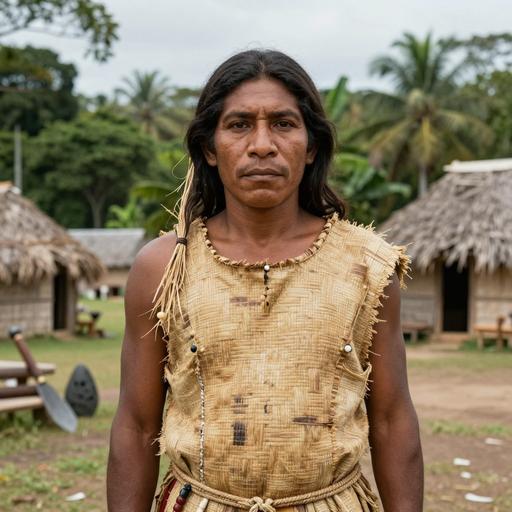
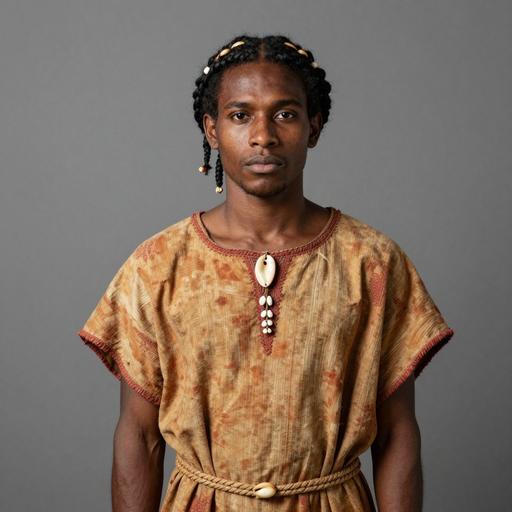
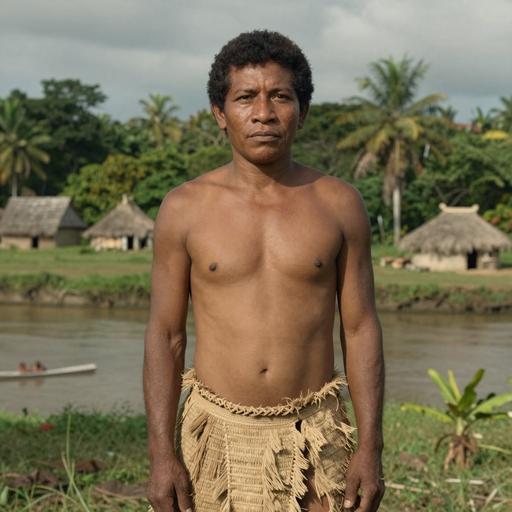
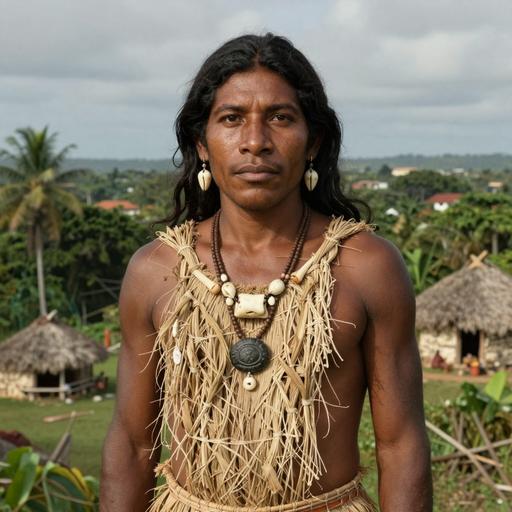
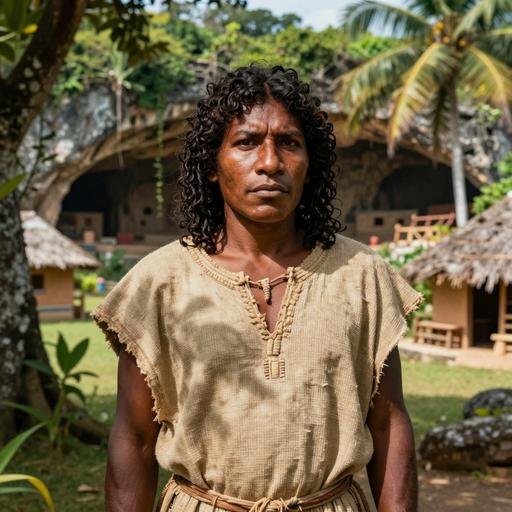
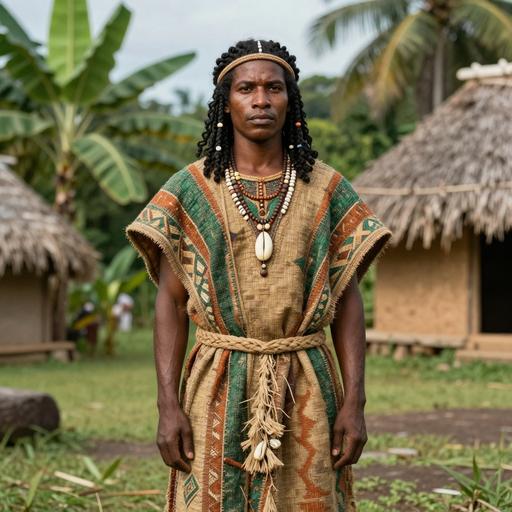
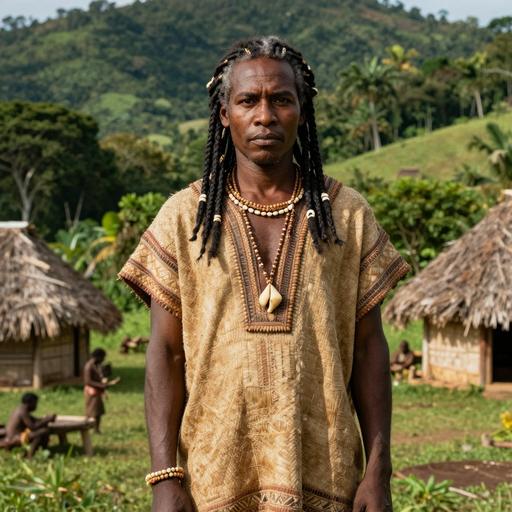
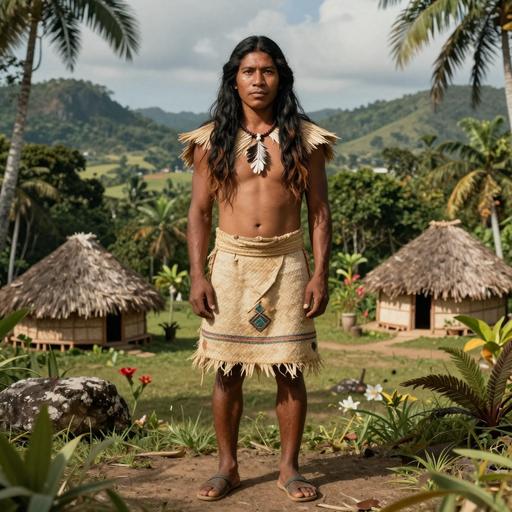
Portrait of ancient individual PDM003 from Cuba, dated 151 BCE - 117 CE
PDM003
Cuba Archaic Period Playa del Mango, Cuba 151 BCE - 117 CE Playa del Mango Q1b1a1a Direct
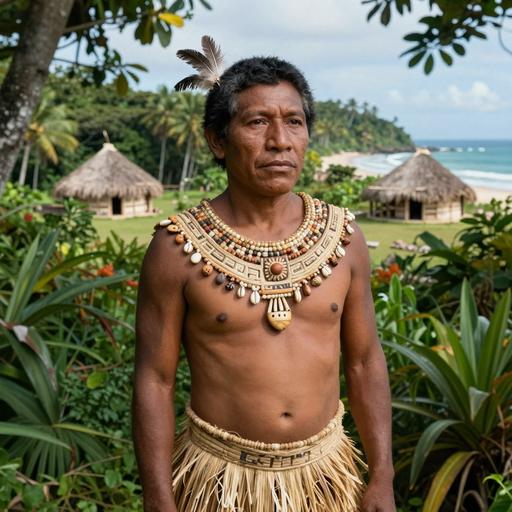
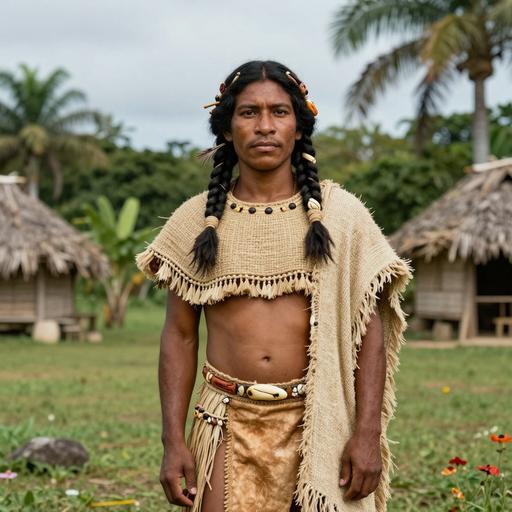
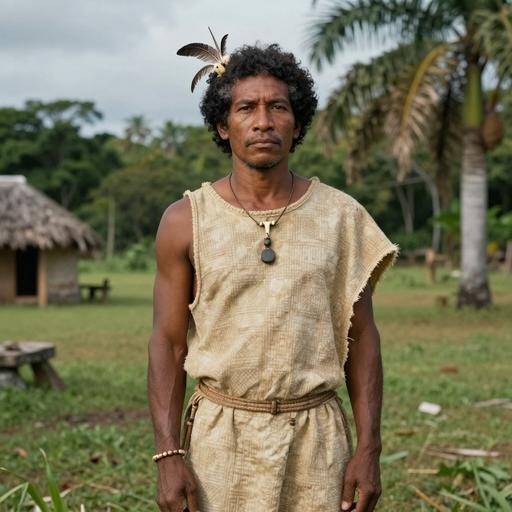
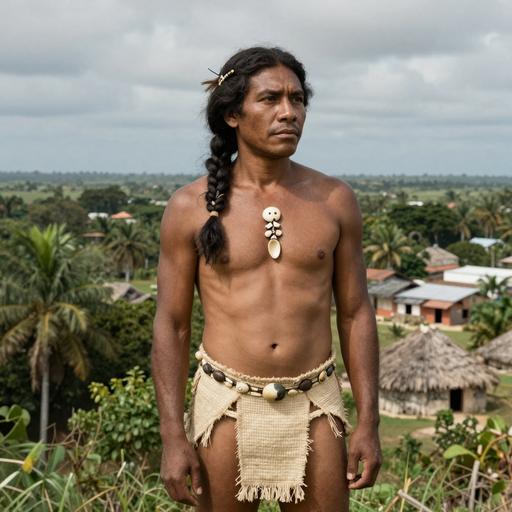
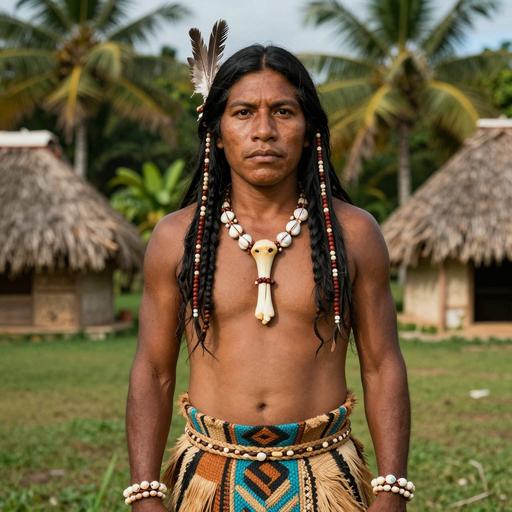
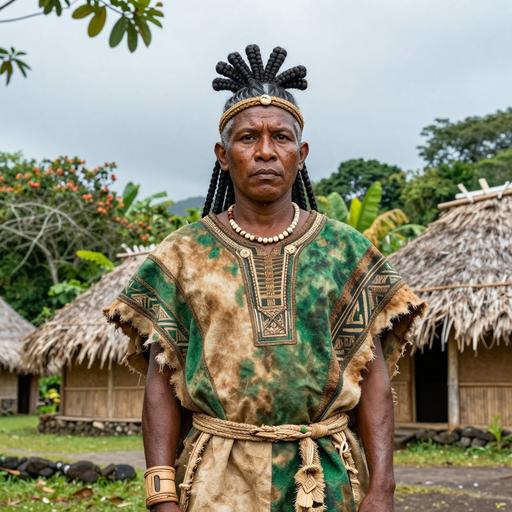
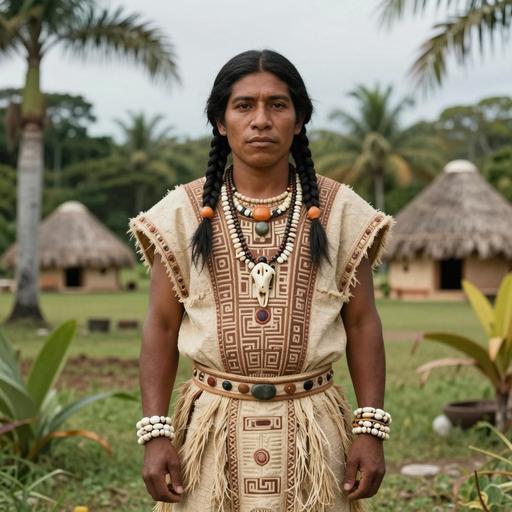
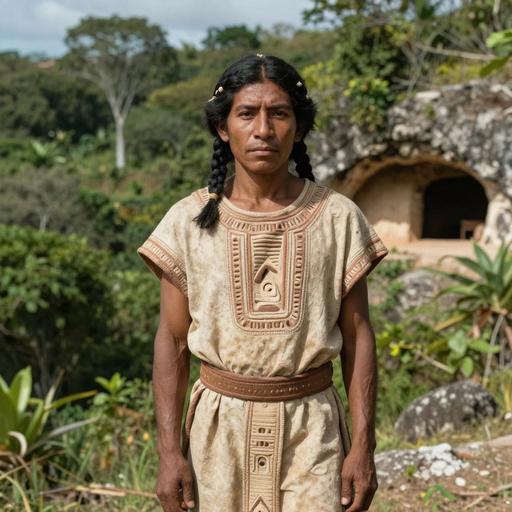
Portrait of ancient individual PDI009 from Puerto Rico, dated 650 CE - 1400 CE
PDI009
Puerto Rico Ceramic Period Paso del Indio, Puerto Rico 650 CE - 1400 CE Paso del Indio Culture Q1b1a1a Direct
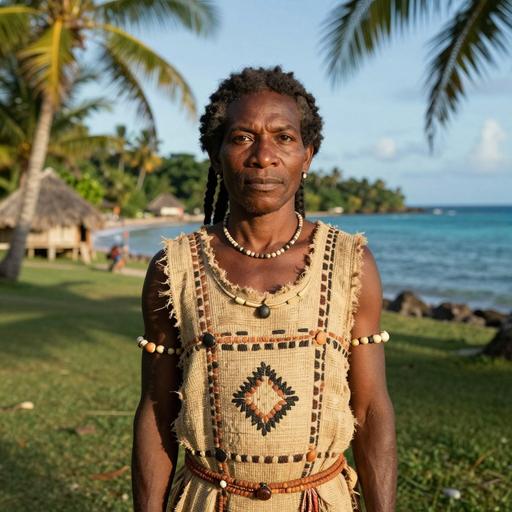
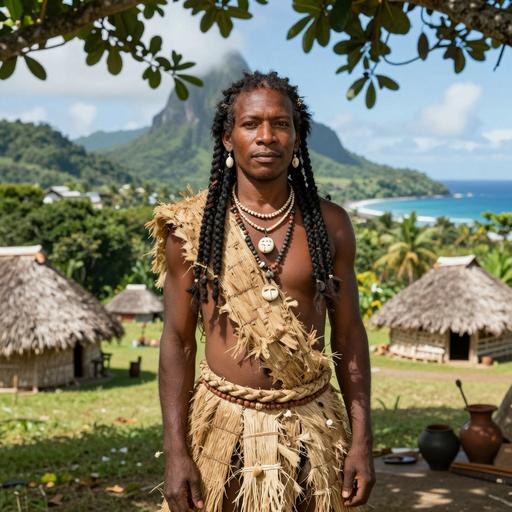
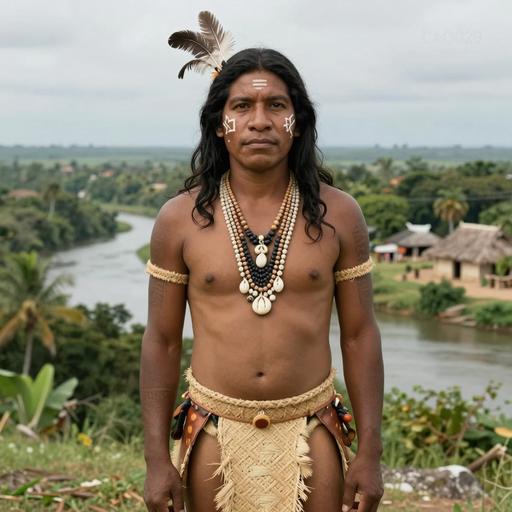
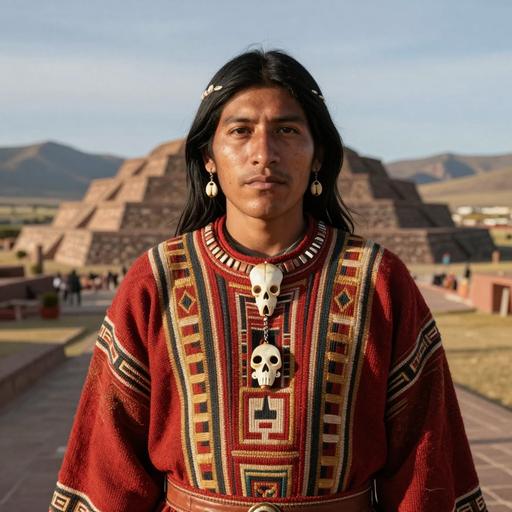
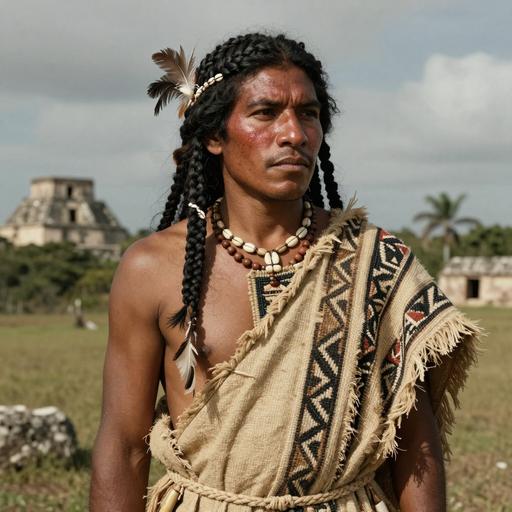
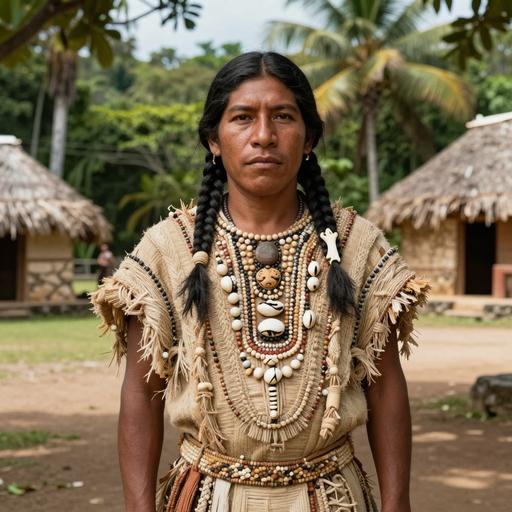
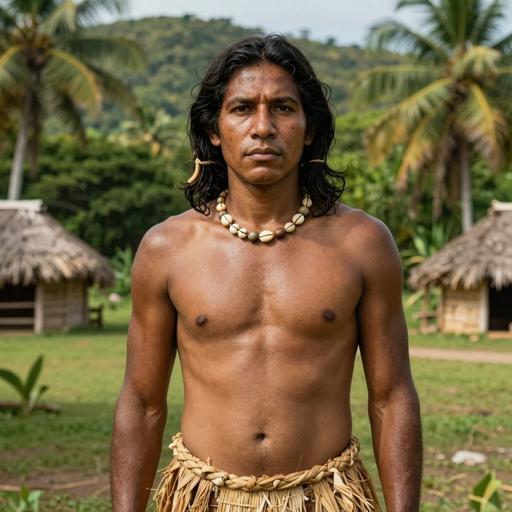
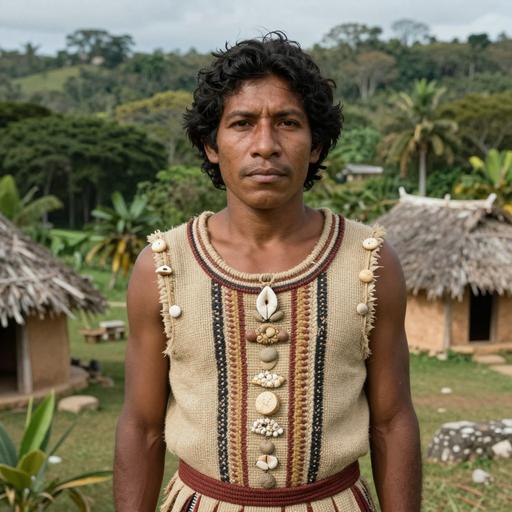
Portrait of ancient individual ALG001 from Guadeloupe, dated 992 CE - 1034 CE
ALG001
Guadeloupe Ceramic Period Anse Gourde, Guadeloupe 992 CE - 1034 CE Anse Gourde Q1b1a1a Direct
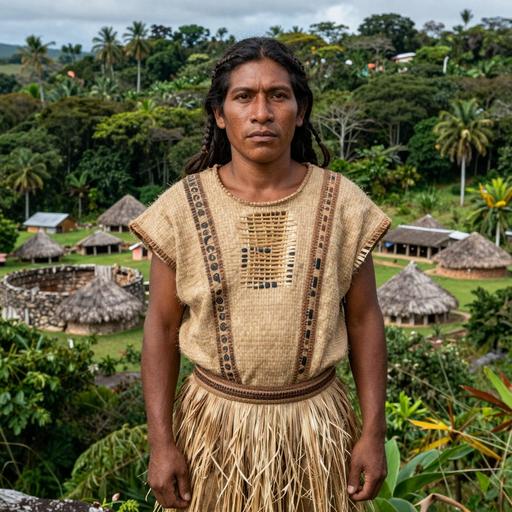
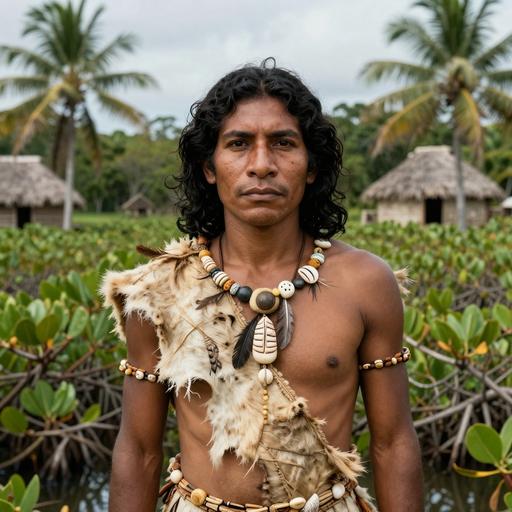
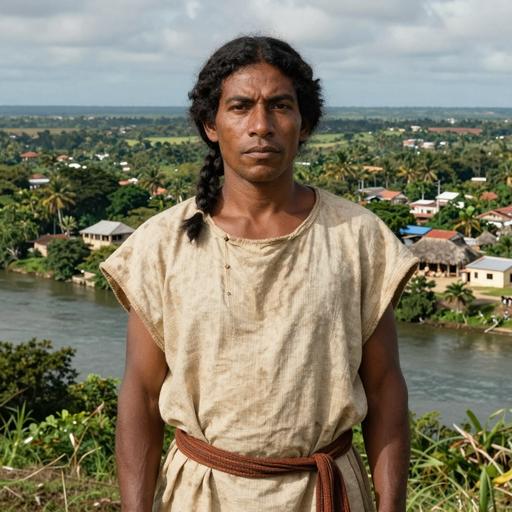
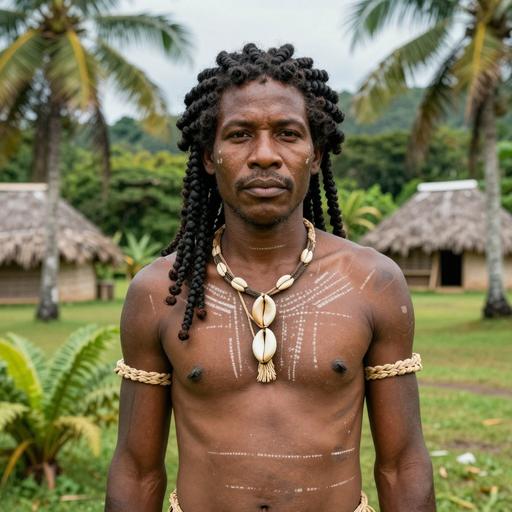
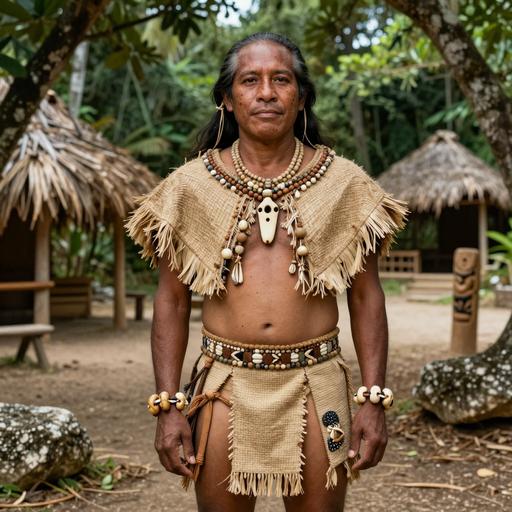
Portrait of ancient individual PDI010 from Puerto Rico, dated 994 CE - 1163 CE
PDI010
Puerto Rico Ceramic Period Paso del Indio, Puerto Rico 994 CE - 1163 CE Paso del Indio Culture Q1b1a1a Direct
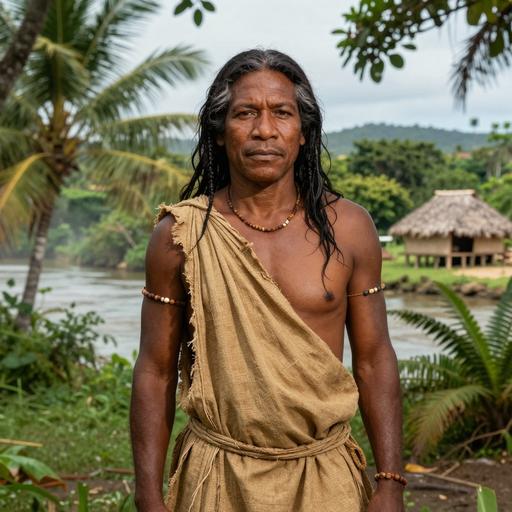
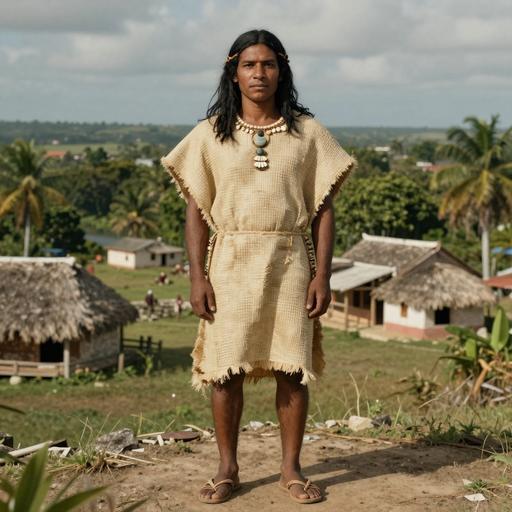
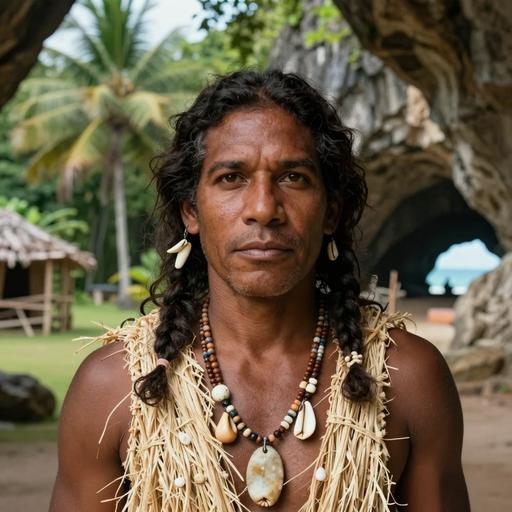
Portrait of ancient individual LAV004 from St. Lucia, dated 1000 CE - 1450 CE
LAV004
St. Lucia Ceramic Period Lavoutte, St. Lucia 1000 CE - 1450 CE Lavoutte Culture Q1b1a1a Direct
Portrait of ancient individual LAV010 from St. Lucia, dated 1227 CE - 1385 CE
LAV010
St. Lucia Ceramic Period Lavoutte, St. Lucia 1227 CE - 1385 CE Lavoutte Culture Q1b1a1a Direct
Portrait of ancient individual PDM004 from Cuba, dated 31 CE - 210 CE
PDM004
Cuba Archaic Period Playa del Mango, Cuba 31 CE - 210 CE Playa del Mango Q1b1a1a1 Downstream
Portrait of ancient individual PDM008 from Cuba, dated 89 CE - 226 CE
PDM008
Cuba Archaic Period Playa del Mango, Cuba 89 CE - 226 CE Playa del Mango Q1b1a1a1 Downstream
Portrait of ancient individual PDM009 from Cuba, dated 150 BCE - 250 CE
PDM009
Cuba Archaic Period Playa del Mango, Cuba 150 BCE - 250 CE Playa del Mango Q1b1a1a1 Downstream
Portrait of ancient individual CAO014 from Cuba, dated 263 CE - 531 CE
CAO014
Cuba Archaic Period Canimar Abajo, Cuba 263 CE - 531 CE Canimar Abajo Q1b1a1a1 Downstream
Chapter VI

Carrier Distribution Map

Geographic distribution of 32 ancient DNA samples (direct and subclade carriers of Q1B1A1A)

Direct carrier Subclade carrier
Time Period Filter
All Time Periods
Showing all samples
Chapter VII

Temporal Distribution

Distribution of carriers across archaeological periods

Chapter VIII

Geographic Distribution

Distribution by country of origin (direct and subclade carriers shown by default)

Chapter IX

Country × Era Distribution

Cross-tabulation of carrier countries and archaeological periods (direct and subclade carriers shown by default)

Data

Data & Provenance

Source information and data quality

Last Updated 2026-02-16
Confidence Score 50/100
Coverage Low
Data Source

We use the latest phylotree for YDNA haplogroup classification and data.