Menu
Y-DNA Haplogroup • Paternal Lineage

R1B1A1B1A

Y-DNA Haplogroup R1B1A1B1A

~4,000 years ago
Western/Central Europe
2 subclades
15 ancient samples
Scroll to explore
Chapter I

The Story

The journey of Y-DNA haplogroup R1B1A1B1A

Origins and Evolution

Y-DNA haplogroup R1B1A1B1A is a downstream subclade of R1B1A1B1, itself a Western Eurasian branch of the broader R1b lineage. Based on the phylogenetic position beneath a parent clade that has been dated to roughly 5 kya in Western/Central Europe, R1B1A1B1A most likely diversified during the Late Neolithic to Early Bronze Age (approximately 4–5 kya). Its emergence is best understood in the context of the major demographic and cultural transformations of that period — local Neolithic farmer communities, incoming steppe-derived lineages, and the archaeological phenomenon of Bell Beaker and subsequent Bronze Age networks that redistributed male-mediated lineages across large parts of Western Europe.

Subclades (if applicable)

As a downstream lineage of R1B1A1B1, R1B1A1B1A would comprise one or more further branches defined by private SNPs identified in modern and ancient samples. Where high-resolution testing and ancient DNA recovery exist, these subclades can mark regional radiations (for example, localized West Iberian, Atlantic façade, or Central European branches). Subclade structure often correlates with regional expansions during the Bronze Age and later historical periods (Iron Age, Roman period, medieval migrations), and finer resolution depends on sampling and discovery of diagnostic SNPs.

Geographical Distribution

Modern and ancient genetic evidence for close parent clades places the highest frequencies of R1B1A1B1A in Western and parts of Central Europe, with notable presence in the British Isles, France, Iberia (including Basque regions), and parts of Central Europe (Germany, Switzerland, Austria). Lower-frequency occurrences can appear in Eastern Europe, coastal North Africa (likely via historical contacts), parts of the Near East and Caucasus (reflecting later movements or low-level gene flow), and sporadically in Central Asia in populations with historical north-west European ancestry. Ancient DNA detections tied to Bronze Age and later archaeological contexts support a pattern of Bronze Age spread followed by continued regional differentiation.

Historical and Cultural Significance

The chronology and location of R1B1A1B1A fit the timeframe of the Bell Beaker phenomenon and subsequent Bronze Age cultural horizons that restructured European population genetics. As a male-lineage expanding in Western/Central Europe during the 3rd–2nd millennia BCE, R1B1A1B1A and related R1b branches contributed substantially to the paternal landscape of later Celtic, Atlantic, and other Western European groups. Co-occurrence with local Neolithic maternal lineages (e.g., mtDNA H, J) and hunter-gatherer Y haplogroups (e.g., I2) in archaeological samples reflects admixture between incoming steppe- or Beaker-associated males and resident farmer/hunter-gatherer communities. Over historical timescales this haplogroup would have been carried into North Africa, the Near East, and colonial diasporas at low frequencies.

Conclusion

R1B1A1B1A represents a Western/Central European Bronze Age-derived branch of R1b that played a role in shaping modern paternal diversity across much of Western Europe. Its distribution, archaeological associations, and time depth are consistent with a lineage that diversified during the Late Neolithic–Bronze Age transitions and then underwent regional differentiation through later cultural and demographic processes. Ongoing high-resolution sequencing and expanded ancient DNA sampling will refine its internal structure, precise origin locale, and historical spread.

Key Points

  • Origins and Evolution
  • Subclades (if applicable)
  • Geographical Distribution
  • Historical and Cultural Significance
  • Conclusion
Chapter II

Tree & Relationships

Phylogenetic context and subclades

Evolution Path

This haplogroup's evolutionary journey from its earliest ancestor to the present.

Steps Haplogroup Age Estimate Archaeology Era Time Passed Immediate Descendants Tested Modern Descendants Ancient Connections
1 R1B1A1B1A Current ~4,000 years ago 🔶 Bronze Age 4,500 years 2 0 15

Siblings (1)

Other branches from the same parent haplogroup

Chapter III

Where in the World

Geographic distribution and modern presence

Place of Origin

Western/Central Europe

Modern Distribution

The populations where Y-DNA haplogroup R1B1A1B1A is found include:

  1. Western Europeans (British Isles, France, Spain)
  2. Iberian populations including Basques and northern Spain
  3. Central Europeans (Germany, Switzerland, Austria)
  4. Some populations in Eastern Europe
  5. Low frequencies in North Africa (coastal regions)
  6. Small frequencies in the Near East and Caucasus
  7. Scattered occurrences in parts of Central Asia
  8. Present-day populations with historic north-west European ancestry (e.g., colonial-era diaspora)

Regional Presence

Western Europe High
Iberian Peninsula High
Central Europe Moderate
Northern Europe Moderate
North Africa (coastal) Low
Near East / Caucasus Low
Central Asia Low
CHAPTER IV

When in Time

Your haplogroup in the context of human history

~10k years ago

Neolithic Revolution

Agriculture begins, settled communities form

~5k years ago

Bronze Age

Metalworking, writing, and early civilizations

~4k years ago

Haplogroup R1B1A1B1A

Your Y-DNA haplogroup emerged in Western/Central Europe

Western/Central Europe
~3k years ago

Iron Age

Iron tools, expanded trade networks

~2k years ago

Classical Antiquity

Greek and Roman civilizations flourish

Present

Present Day

Modern era

Your Haplogroup
Historical Era
Chapter IV-B

Linked Cultures

Ancient cultures associated with Y-DNA haplogroup R1B1A1B1A

Cultural Heritage

These ancient cultures have been linked to haplogroup R1B1A1B1A based on matching ancient DNA samples from archaeological excavations. The presence of this haplogroup in these cultures provides insights into the migrations and population movements of populations carrying this haplogroup.

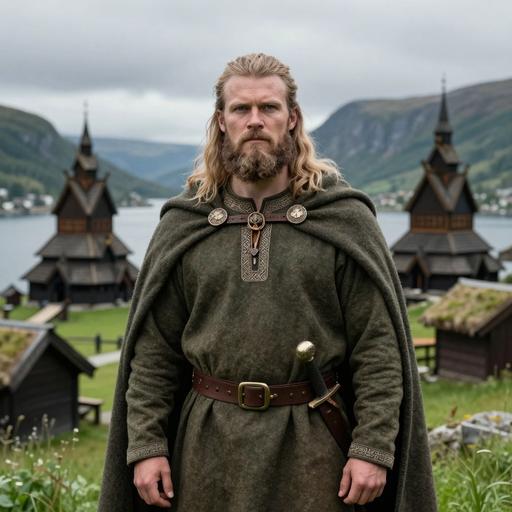
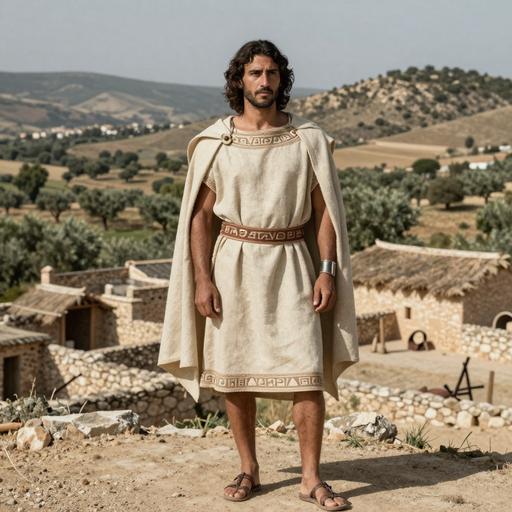
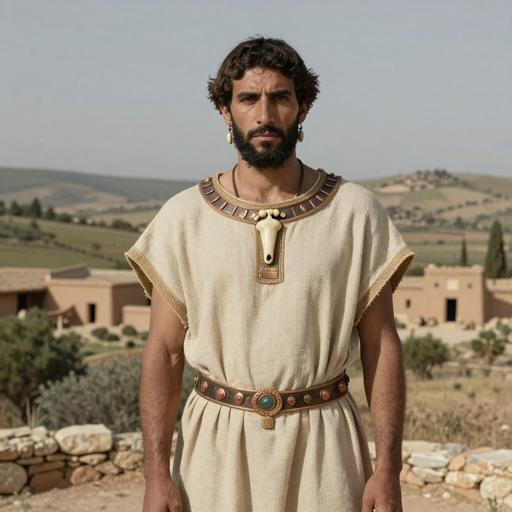
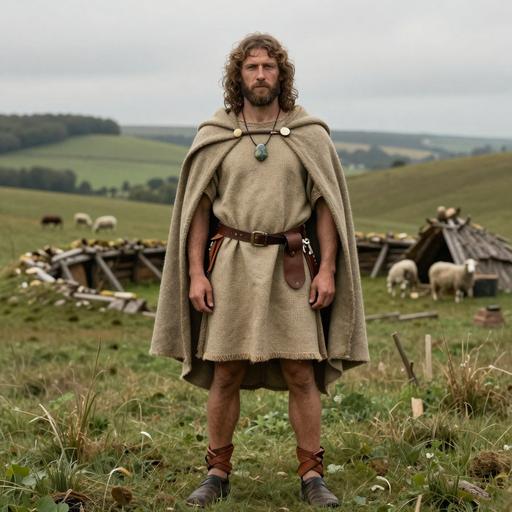
Bell Beaker British Chalcolithic Corded Ware Danish Late Neolithic El Argar Grand Est Bronze Age Medieval Norse Occitanie Bronze Age Viking Culture Viking Faroese
Culture assignments are based on archaeological context of ancient DNA samples and may represent regional associations during specific time periods.
Chapter V

Sample Catalog

2 direct carriers and 13 subclade carriers of haplogroup R1B1A1B1A

15 / 15 samples
Portrait Sample Country Era Date Culture Y-DNA Match
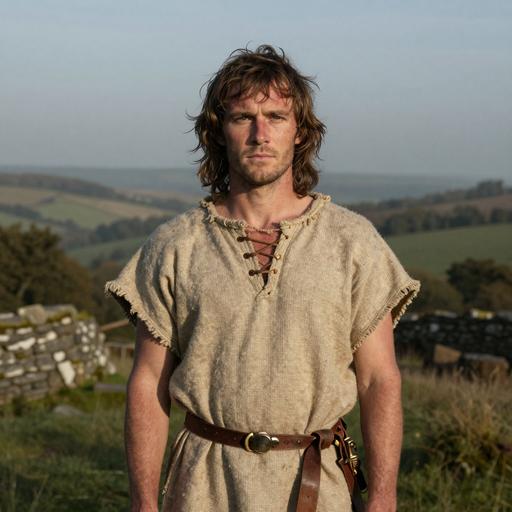
Portrait of ancient individual I5373 from United Kingdom, dated 2195 BCE - 1980 BCE
I5373
United Kingdom Chalcolithic to Early Bronze Age England 2195 BCE - 1980 BCE British Chalcolithic R1b1a1b1a Direct
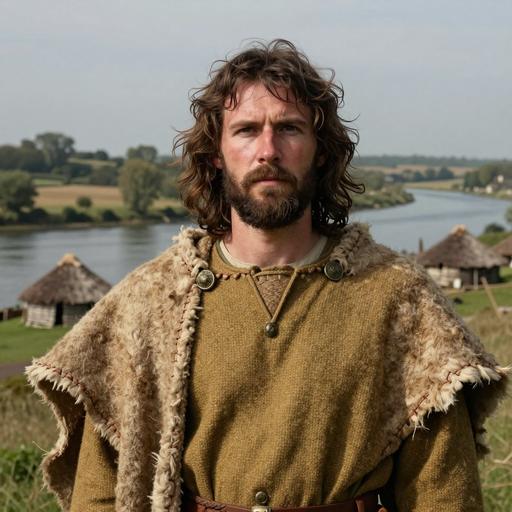
Portrait of ancient individual PIR3037AB from France, dated 2196 BCE - 1903 BCE
PIR3037AB
France Early Bronze Age Occitanie, France 2196 BCE - 1903 BCE Occitanie Bronze Age R1b1a1b1a Direct
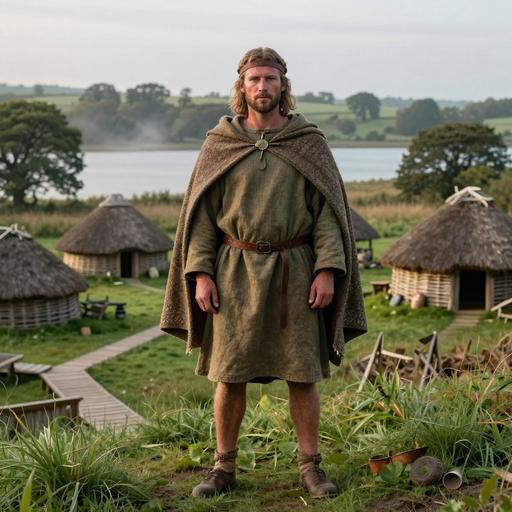
Portrait of ancient individual I21307 from United Kingdom, dated 346 BCE - 52 BCE
I21307
United Kingdom Middle to Late Iron Age England 346 BCE - 52 BCE Late Iron Age British R1b1a1b1a1 Downstream
Portrait of ancient individual I3083 from United Kingdom, dated 387 BCE - 201 BCE
I3083
United Kingdom Middle Iron Age England 387 BCE - 201 BCE Middle Iron Age British R1b1a1b1a1 Downstream
Portrait of ancient individual I11146 from United Kingdom, dated 400 BCE - 200 BCE
I11146
United Kingdom Middle Iron Age England 400 BCE - 200 BCE Middle Iron Age British R1b1a1b1a1 Downstream
Portrait of ancient individual I16600 from United Kingdom, dated 713 BCE - 381 BCE
I16600
United Kingdom Early Iron Age England 713 BCE - 381 BCE Early British Iron Age R1b1a1b1a1 Downstream
Portrait of ancient individual VK175 from United Kingdom, dated 880 CE - 1000 CE
VK175
United Kingdom Viking Age England 880 CE - 1000 CE Viking R1b1a1b1a1 Downstream
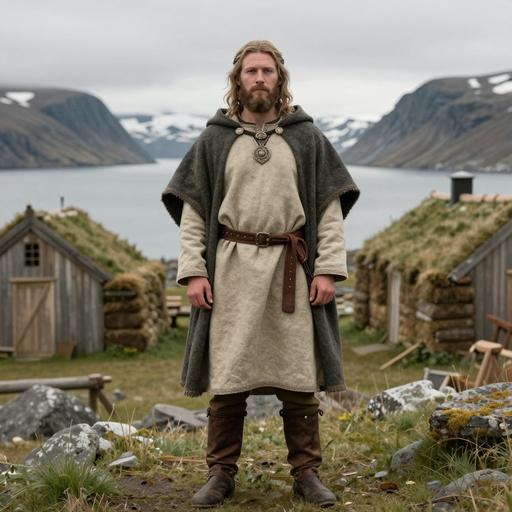
Portrait of ancient individual VK75 from Greenland, dated 893 CE - 1155 CE
VK75
Greenland Late Norse Greenland 893 CE - 1155 CE Norse Greenland R1b1a1b1a1 Downstream
Portrait of ancient individual VK159 from Russia, dated 900 CE - 1100 CE
VK159
Russia Viking Age Russia 900 CE - 1100 CE Viking Culture R1b1a1b1a1 Downstream
Portrait of ancient individual VK24 from Faroes, dated 1000 CE - 1100 CE
VK24
Faroes Viking Age Faroe Islands 1000 CE - 1100 CE Viking Faroese R1b1a1b1a1 Downstream
Chapter VI

Carrier Distribution Map

Geographic distribution of 15 ancient DNA samples (direct and subclade carriers of R1B1A1B1A)

Direct carrier Subclade carrier
Time Period Filter
All Time Periods
Showing all samples
Chapter VII

Temporal Distribution

Distribution of carriers across archaeological periods

Chapter VIII

Geographic Distribution

Distribution by country of origin (direct and subclade carriers shown by default)

Chapter IX

Country × Era Distribution

Cross-tabulation of carrier countries and archaeological periods (direct and subclade carriers shown by default)

Data

Data & Provenance

Source information and data quality

Last Updated 2026-02-16
Confidence Score 50/100
Coverage Low
Data Source

We use the latest phylotree for YDNA haplogroup classification and data.