The Story
The journey of mtDNA haplogroup K
Origins and Evolution
Haplogroup K is a descendant of haplogroup U8 (commonly referenced as U8b → K in phylogenies) and likely formed during the Late Glacial to Early Holocene period in the Near East or Anatolian region. Genetic dating and phylogeographic analyses place the coalescence of major K lineages roughly in the range of the last 20,000 to 10,000 years, with many estimates centering around the postglacial period (~12–18 kya). From its point of origin, K diversified into multiple subclades (notably K1 and K2) and later expanded geographically with early farming populations.
Subclades
- K1: A large and diverse branch with many downstream clades (K1a, K1b, etc.). K1a sublineages include several lineages that are prominent in modern European populations and are involved in founder effects in Jewish populations.
- K2: Includes several branches with broader West Eurasian distribution; some K2 lineages are found in Europe, the Near East, and the Caucasus.
- Local substructure: Different subclades show region-specific patterns — some lineages are concentrated in the Near East and Anatolia, while others are concentrated in various parts of Europe (including island and isolated populations).
Geographical Distribution
Haplogroup K is broadly distributed across Europe and western Asia, with measurable frequencies in the Near East, the Caucasus, parts of North Africa, and lower frequencies into Central Asia. In Europe, K is common among populations descended from Early Neolithic farmers (Linearbandkeramik, Cardial) and persists at moderate frequencies in Western, Southern, and parts of Northern Europe. Certain modern groups show elevated frequencies due to historical founder events (for example, specific Ashkenazi Jewish maternal lineages dominated by K1a subclades).
Historical and Cultural Significance
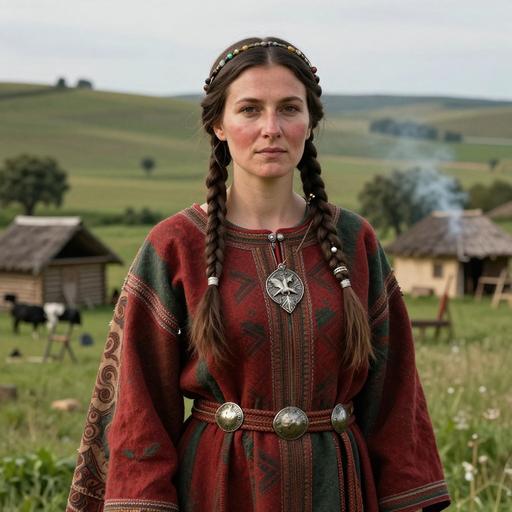
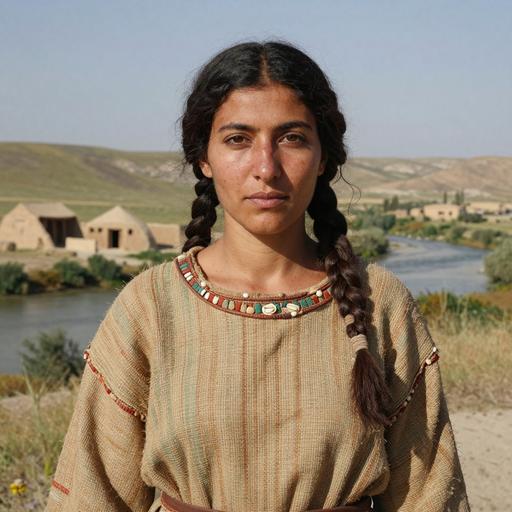
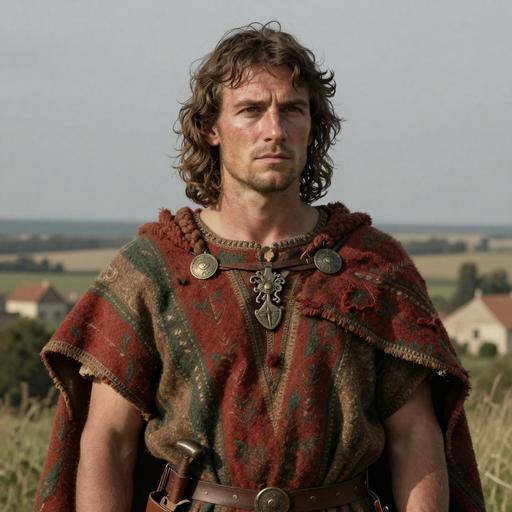
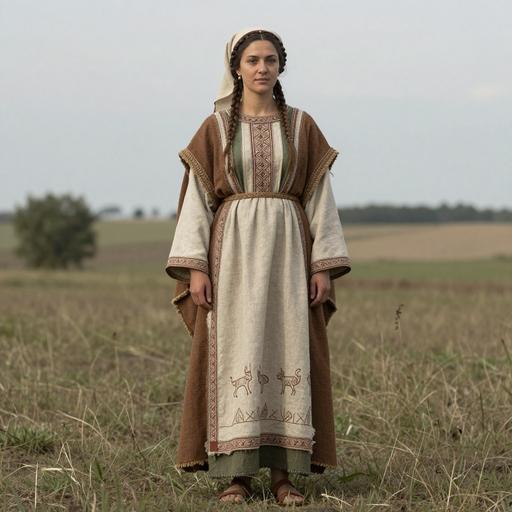
- Neolithic expansion: Ancient DNA from early European farming sites frequently documents haplogroup K among Early European Farmers (EEF), linking K to the demic diffusion of agriculture from Anatolia into Europe during the Neolithic (~9–7 kya).
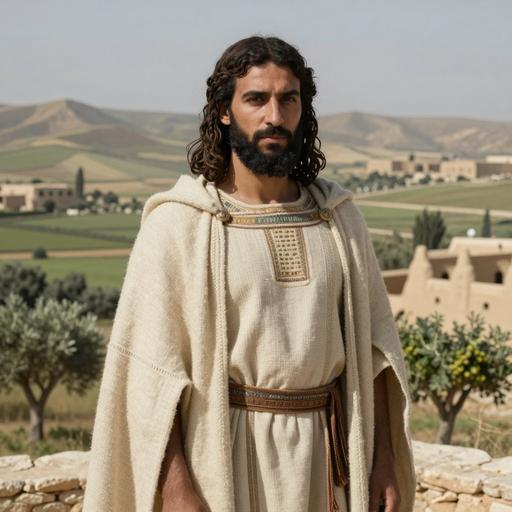
- Founder effects in historical populations: Several K subclades are involved in well-documented founder events, most notably among Ashkenazi Jews, where a small number of maternal K lineages contribute disproportionately to the modern mtDNA pool. Similar localized enrichments occur in some island and isolated continental populations.
- Continuity and replacement: K contrasts with Mesolithic hunter-gatherer haplogroups such as U5; its expansion with farmers exemplifies the genetic turnover and admixture that accompanied the Neolithic in Europe.
Conclusion
mtDNA haplogroup K is an important West Eurasian maternal lineage that connects Late Glacial/Near Eastern origins with substantial Neolithic-era expansions into Europe. Its subclades provide valuable markers for tracing prehistoric migrations of farming communities and later historical founder events; the phylogeographic pattern of K illustrates the interplay of origin, migration, and local demographic history in shaping modern maternal diversity.
Key Points
- Origins and Evolution
- Subclades
- Geographical Distribution
- Historical and Cultural Significance
- Conclusion