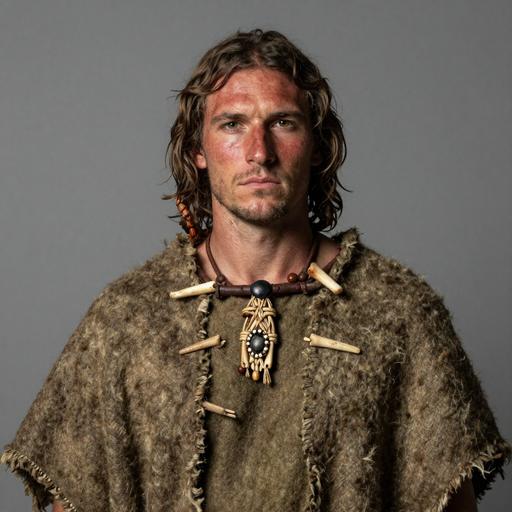
The Story
The journey of mtDNA haplogroup K1
Origins and Evolution
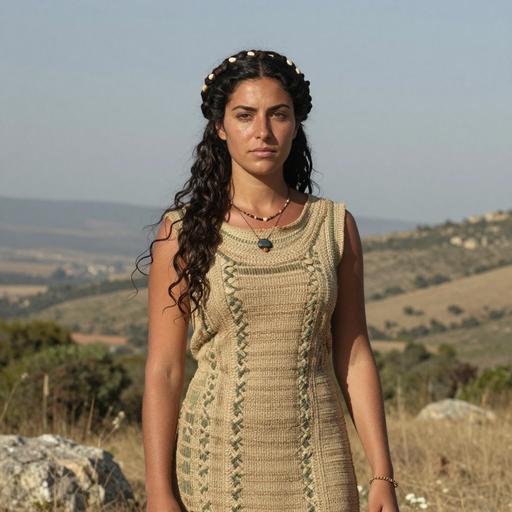
mtDNA haplogroup K1 is a primary subclade of haplogroup K, which itself derives from U8b. Based on phylogenetic relationships and ancient DNA evidence, K1 likely coalesced in the Late Glacial to Early Holocene (roughly ~13 kya) in the Near East / Anatolia region. From that core area K1 diversified into multiple lineages before and during the early Neolithic period and spread westward into Europe with migrating farming populations.
K1 sits within a broader maternal clade (K) that shows a clear signal of expansion associated with the spread of agriculture from Anatolia into Europe. The timing and geographic pattern are consistent with an origin in post-glacial Near Eastern refugia followed by dispersal linked to Neolithic demic diffusion.
Subclades
K1 comprises several distinguishable sublineages (commonly catalogued in literature as K1a, K1b, K1c, and downstream branches). K1a is the most widespread in Europe and is the dominant K1 branch found in many modern European and Ashkenazi Jewish samples; other subclades (K1b, K1c, etc.) show more restricted and patchy distributions. Several sub-subclades within K1a show signatures of population bottlenecks and founder events (for example, particular K1a sublineages are highly overrepresented among Ashkenazi maternal founder lineages).
Geographical Distribution
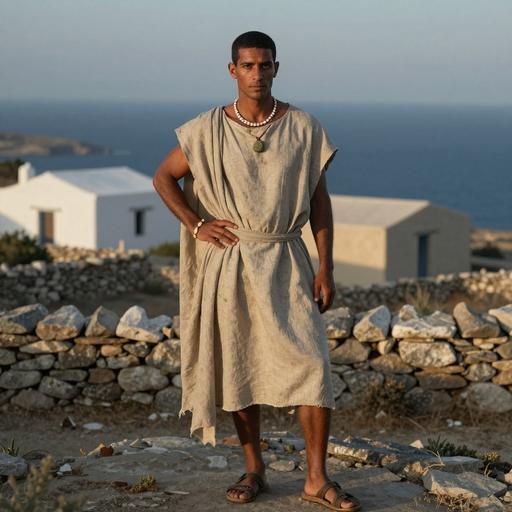
Today K1 is found across the Near East, Europe, parts of North Africa, and at low frequencies into Central Asia. Its highest concentrations and diversity are observed in regions that acted as Neolithic source areas (Anatolia and the Levant) and in parts of Southern and Western Europe where early farming communities established. Island and isolated populations (e.g., Sardinia and some Mediterranean islands) can show elevated frequencies for particular K1 subclades due to founder effects and genetic drift. Low but detectable frequencies in North Africa and Central Asia reflect historical gene flow and long-range contacts between west and east Eurasian populations.
Historical and Cultural Significance
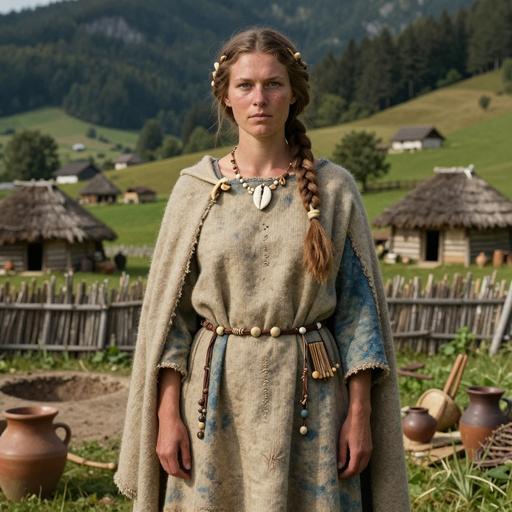
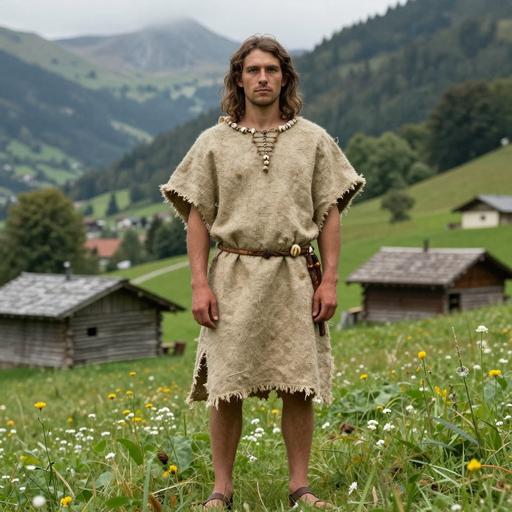
The distribution and age of K1 link it tightly to the Neolithic transition in Europe. Ancient DNA from early farmers in Central Europe (Linearbandkeramik, LBK) and Anatolia frequently includes K1 lineages, supporting the role of K1 as part of the maternal signature of migrating Neolithic farmer communities. Later cultural complexes in Europe (e.g., Bell Beaker, Corded Ware, Bronze Age groups) show variable incorporation of K1 depending on local admixture with farmer-descended and hunter-gatherer populations.
K1 also features prominently in studies of modern founder populations: several K1 sublineages are among the maternal founders of Ashkenazi Jewish mitochondrial diversity, where specific K1a subclades reached high frequency through small founder groups followed by demographic expansion.
Conclusion
mtDNA haplogroup K1 is a Near Eastern–derived maternal lineage that expanded into Europe with early farmers during the Neolithic and persisted into modern populations through a combination of continued gene flow, local drift, and founder events. Its phylogeographic pattern makes K1 a useful marker for tracing Anatolian–Neolithic ancestry in ancient and modern maternal lineages and for identifying population-specific founder events in groups such as Ashkenazi Jews and some Mediterranean island communities.
Key Points
- Origins and Evolution
- Subclades
- Geographical Distribution
- Historical and Cultural Significance
- Conclusion