
Ability to avoid errors
Error avoidance covers research on how reliably people perform tasks, monitor their own performance, and learn from m...
What it reveals: A spectrum from lower tendency to avoid errors to higher tendency to avoid errors.


The Traits Catalogue
Each trait is a lens — a way your DNA shows itself in you.
Over 248 genetic windows into who you are.
This page lists all traits included in your Traits Report — each one a reflection of how your DNA may express itself in you.
Think of this as the index of your biological story. Every trait represents a genetic tendency or association — not a destiny, but a possibility. These are whispers from your ancestry, shaped by generations of inheritance and filtered through the unique circumstances of your life.
The traits here span physical expression, sensory perception, behavioral tendencies, and inner well-being. They describe the many facets of human variation — the ways DNA can nudge, influence, and suggest, while never fully determining who you become.
"Think of this as the index of your biological story."
Not predictions. Not certainties. Simply fascinating windows into inherited tendencies.
Search for a trait that speaks to you, or browse by category
Each category is a chapter in your genetic story — explore what resonates with you

Genetic Foundation: These behaviors arise from the dynamic interplay of biology (genetics, brain function), environment (culture, family, community), and individual experiences (learning, memory, values).
Behavior includes all the ways people act, react, and interact, shaped by genetics, environment, and experience.
Error avoidance covers research on how reliably people perform tasks, monitor their own performance, and learn from m...
What it reveals: A spectrum from lower tendency to avoid errors to higher tendency to avoid errors.

Cannabis use research studies inherited differences in initiation and frequency of cannabis use. GWAS work has ide...
What it reveals: A spectrum from lower cannabis use susceptibility tendency to higher cannabis use susceptibility tendency.

Falling research in older adults studies how inherited differences combine with aging changes in muscle, balance, and...
What it reveals: A spectrum from lower falling resistance in older age to higher falling resistance in older age.

Food addiction research uses concepts from substance addiction (cravings, loss of control, persistent use despite har...
What it reveals: A spectrum from lower food addiction susceptibility to higher food addiction susceptibility.

Gait speed in older age is a well-validated research and clinical marker of overall health, often called a "vital sig...
What it reveals: A spectrum from lower gait speed in older age to higher gait speed in older age.

Gambling behavior research studies inherited differences in problem gambling vulnerability. GWAS and candidate-gen...
What it reveals: A spectrum from lower gambling addiction susceptibility to higher gambling addiction susceptibility.
Heroin addiction research studies inherited factors that influence vulnerability to opioid dependence. GWAS and ca...
What it reveals: A spectrum from lower heroin addiction resistance to higher heroin addiction resistance.

Handedness reflects which hand is preferred for fine motor tasks.
What it reveals: A spectrum from lower left-handedness tendency to higher left-handedness tendency.

Itch intensity after a mosquito bite varies widely between people because of differences in immune response to mosqui...
What it reveals: A spectrum from lower mosquito bite itch susceptibility tendency to higher mosquito bite itch susceptibility tendency.

Motion sickness happens when the brain receives mismatched signals from the inner ear, eyes, and body sensors. GWA...
What it reveals: A spectrum from lower motion sickness resistance to higher motion sickness resistance.

Narcolepsy is a chronic neurological condition that disrupts sleep-wake regulation, sometimes including cataplexy. ...
What it reveals: A spectrum from lower narcolepsy susceptibility tendency to higher narcolepsy susceptibility tendency.

Nicotine addiction research studies inherited differences in how the brain responds to nicotine and how easily smokin...
What it reveals: A spectrum from lower nicotine addiction resistance to higher nicotine addiction resistance.

Opioid addiction research studies inherited differences in opioid receptor signaling, reward processing, and stress r...
What it reveals: A spectrum from lower opioid addiction resistance to higher opioid addiction resistance.

This trait reflects research on inherited factors associated with frequent attendance at a gym or sports club, a beha...
What it reveals: A spectrum from lower regular attendance at a gym or sports club tendency to higher regular attendance at a gym or sports club tendency.

This trait reflects research on inherited factors associated with frequent attendance at a pub or social club. GWA...
What it reveals: A spectrum from lower regular attendance at a pub or social club tendency to higher regular attendance at a pub or social club tendency.

This trait reflects research on inherited factors associated with frequent attendance at a religious group, used in l...
What it reveals: A spectrum from lower regular attendance at a religious group tendency to higher regular attendance at a religious group tendency.

Restless legs syndrome (RLS) involves an urge to move the legs, often worse in the evening and at rest, and can disru...
What it reveals: A spectrum from lower restless legs syndrome tendency to higher restless legs syndrome tendency.

Risk-taking behavior research uses self-report and behavioral measures to study how willing people are to accept unce...
What it reveals: A spectrum from lower risk-taking behavior to higher risk-taking behavior.

This research area covers smoking-behavior GWAS that capture initiation, intensity, and persistence of smoking. Va...
What it reveals: A spectrum from lower smoking addiction susceptibility to higher smoking addiction susceptibility.

Smoking behavior research looks at inherited differences in smoking initiation, cigarettes per day, and cessation. ...
What it reveals: A spectrum from lower smoking behavior tendency to higher smoking behavior tendency.

Snacking behavior research looks at inherited differences in eating between meals and the kinds of foods chosen as sn...
What it reveals: A spectrum from lower snacking behavior tendency to higher snacking behavior tendency.

This trait reflects a UK Biobank-derived measure of how often people drive faster than the speed limit. GWAS work ...
What it reveals: A spectrum from lower speeding propensity susceptibility to higher speeding propensity susceptibility.
This trait reflects a GWAS that combined Tourette's syndrome and obsessive-compulsive disorder (OCD), two related neu...
What it reveals: A spectrum from lower tourette / ocd susceptibility to higher tourette / ocd susceptibility.

Core Function: Proper hydration and dietary fiber also support digestion, immune function, and metabolic balance.
Diet includes the types and quantities of food consumed, balancing macronutrients and micronutrients for health and energy.

This research area looks at preference for diet drinks sweetened with non-nutritive sweeteners. Variants in taste ...
What it reveals: A spectrum from lower artificially sweetened beverage consumption tendency to higher artificially sweetened beverage consumption tendency.

Bitter (PROP) taste perception here refers to a study in adults with obesity and metabolic syndrome that measured how...
What it reveals: A spectrum from lower bitter (prop) taste perception to higher bitter (prop) taste perception.

This research area looks at how often people consume bitter alcoholic drinks like beer, dry wine, or spirits with bit...
What it reveals: A spectrum from lower bitter alcoholic beverage consumption tendency to higher bitter alcoholic beverage consumption tendency.

This research area looks at preference for bitter beverages such as coffee, tea, dark chocolate drinks, and tonic wat...
What it reveals: A spectrum from lower bitter beverage consumption tendency to higher bitter beverage consumption tendency.
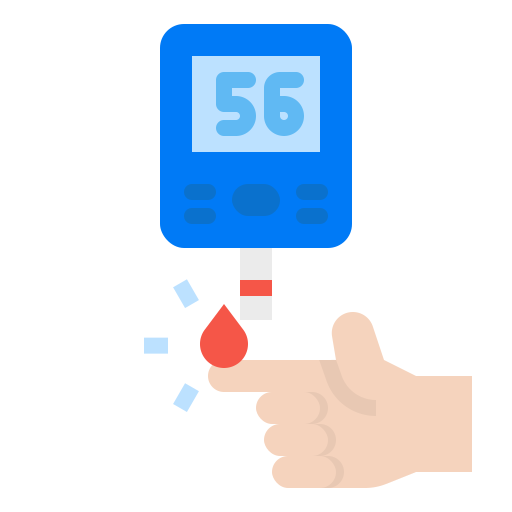
This research area looks at how blood glucose regulation differs in children with higher body weight, who as a group ...
What it reveals: A spectrum from lower blood glucose in obese children tendency to higher blood glucose in obese children tendency.
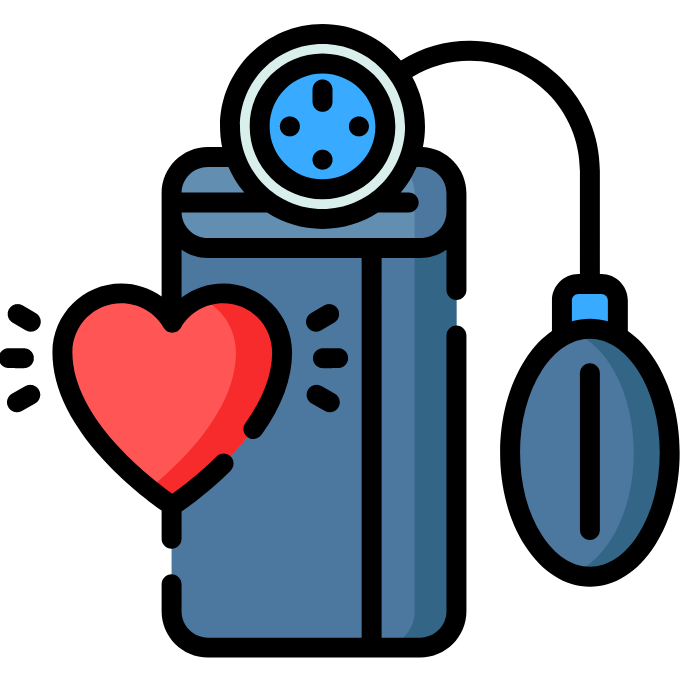
Blood pressure is the force of blood against artery walls during heartbeats (systolic) and between beats (diastolic).
What it reveals: A spectrum from lower blood pressure tendency to higher blood pressure tendency.

This research area looks at how individual differences in caffeine response can affect feelings of jitteriness, restl...
What it reveals: A spectrum from lower caffeine and anxiety tendency to higher caffeine and anxiety tendency.

Relative carbohydrate intake refers to how much of total daily energy comes from carbohydrates.
What it reveals: A spectrum from lower carbohydrate intake tendency to higher carbohydrate intake tendency.

Coffee consumption is one of the most studied dietary habits because it relates to caffeine metabolism, cardiovascula...
What it reveals: A spectrum from lower coffee consumption tendency to higher coffee consumption tendency.

This research area looks at inherited differences in how often people consume cruciferous vegetables such as broccoli...
What it reveals: A spectrum from lower cruciferous vegetable needs tendency to higher cruciferous vegetable needs tendency.

Dietary fat preference here refers to research on how strongly people enjoy higher-fat foods, which influences eating...
What it reveals: A spectrum from lower dietary fat preference to higher dietary fat preference.

Celiac disease is an autoimmune condition in which gluten triggers an immune response that damages the small intestine.
What it reveals: A spectrum from lower genetic tendency toward celiac disease to higher genetic tendency toward celiac disease.

Peanut allergy is an immune response to specific peanut proteins.
What it reveals: A spectrum from lower genetic tendency toward peanut allergy to higher genetic tendency toward peanut allergy.
Gluten tolerance here refers to research on how people without diagnosed celiac disease vary in how they respond to g...
What it reveals: A spectrum from lower gluten tolerance to higher gluten tolerance.

Grapefruit juice has unique research interest because it interacts with several medications via the CYP3A4 enzyme. ...
What it reveals: A spectrum from lower grapefruit juice consumption tendency to higher grapefruit juice consumption tendency.

Histamine intolerance refers to symptoms that arise when histamine from foods or fermentation accumulates faster than...
What it reveals: A spectrum from lower histamine intolerance to higher histamine intolerance.

This research area looks at inherited differences in appetite regulation, satiety, and how strongly hunger signals pu...
What it reveals: A spectrum from lower hunger response control to higher hunger response control.

Lactose intolerance refers to digestive symptoms after consuming dairy due to reduced production of the enzyme lactas...
What it reveals: A spectrum from lower lactose intolerance to higher lactose intolerance.
This research area looks at preference for pure non-grapefruit fruit juices (such as orange or apple juice). Varia...
What it reveals: A spectrum from lower pure non-grapefruit juice consumption tendency to higher pure non-grapefruit juice consumption tendency.

This research area looks at how people vary in their physiological response to changes in diet (for example weight lo...
What it reveals: A spectrum from lower response to diet to higher response to diet.

This research area looks at how trainability varies between people: why the same exercise program can produce larger ...
What it reveals: A spectrum from lower response to exercise to higher response to exercise.

Salty taste perception here refers to a study in adults with obesity and metabolic syndrome that examined inherited d...
What it reveals: A spectrum from lower salty taste perception to higher salty taste perception.

This research area looks at inherited differences in how much added sugar people typically consume, beyond simple ene...
What it reveals: A spectrum from lower sugar moderation tendency to higher sugar moderation tendency.

Sugar preference here refers to inherited differences in how appealing sweet flavors are and how easily someone is dr...
What it reveals: A spectrum from lower sugar preference control to higher sugar preference control.
Sugar-sweetened beverage consumption is a major focus of nutrition research because of its links to weight, dental he...
What it reveals: A spectrum from lower sugar-sweetened beverage consumption tendency to higher sugar-sweetened beverage consumption tendency.

This research area looks at how much sweet drinks (such as soda, sweet tea, and other sugary beverages) people typica...
What it reveals: A spectrum from lower sweet beverage consumption tendency to higher sweet beverage consumption tendency.

Tea consumption research looks at inherited differences in how often people drink tea across cultures. Variants ne...
What it reveals: A spectrum from lower tea consumption tendency to higher tea consumption tendency.

Obesity research uses body mass index (BMI) and related measures to study why some people accumulate more body fat than others.
What it reveals: A spectrum from lower weight management ability to higher weight management ability.

This research area looks at how easily body weight tends to increase or remain stable over time, beyond a single BMI ...
What it reveals: A spectrum from lower weight stability to higher weight stability.

Core Function: Psychologically, engaging with music and movement stimulates cognitive functions, elevates mood through endorphin release, and strengthens memory by linking auditory and motor experiences.
Music & Dance are art forms that express human creativity through sound and movement, fostering social connection and emotional expression.

Musical aptitude refers to skills like pitch perception, rhythm, and melody recognition that are partly heritable and...
What it reveals: A spectrum from lower musical aptitude tendency to higher musical aptitude tendency.

The ability to synchronize movement to a musical beat is studied because it relies on connections between hearing, ti...
What it reveals: A spectrum from lower musical beat synchronization tendency to higher musical beat synchronization tendency.
Perfect pitch (absolute pitch) is the rare ability to identify or produce a musical note without a reference pitch.
What it reveals: A spectrum from lower perfect pitch tendency to higher perfect pitch tendency.

Environmental Factors: Understanding nutritional principles enables informed food choices, guiding meal planning, supplementation, and lifestyle habits that support lifelong wellbeing..
Nutrition is how the body obtains and uses food for energy, growth, and health.

Beta-carotene is a plant pigment that the body can convert into vitamin A through the enzyme BCMO1 (also called BCO1)...
What it reveals: A spectrum from lower beta-carotene levels and vitamin a metabolization to higher beta-carotene levels and vitamin a metabolization.

Calcium is the most abundant mineral in the body.
What it reveals: A spectrum from lower calcium levels to higher calcium levels.

HDL cholesterol is the high-density lipoprotein fraction in blood, often described as the "reverse-transport" cholest...
What it reveals: A spectrum from lower cholesterol - hdl cholesterol levels to higher cholesterol - hdl cholesterol levels.

Iron is essential for hemoglobin in red blood cells and for many enzymes.
What it reveals: A spectrum from lower iron levels to higher iron levels.
LDL cholesterol is the low-density lipoprotein fraction that transports cholesterol from the liver to tissues.
What it reveals: A spectrum from lower ldl cholesterol management ability to higher ldl cholesterol management ability.

Lead is a heavy metal with no useful role in the body.
What it reveals: A spectrum from lower lead levels to higher lead levels.

Long-chain omega-3 and omega-6 fatty acids include important molecules like EPA, DHA, and arachidonic acid that come ...
What it reveals: A spectrum from lower long-chain omega fatty acid levels to higher long-chain omega fatty acid levels.

Magnesium is a mineral involved in hundreds of enzyme reactions, including energy production and muscle and nerve fun...
What it reveals: A spectrum from lower magnesium levels to higher magnesium levels.
Alpha-linolenic acid (ALA) is a plant-based omega-3 fatty acid found in flaxseed, walnuts, and chia.
What it reveals: A spectrum from lower omega-3 (ala) processing tendency to higher omega-3 (ala) processing tendency.
Docosahexaenoic acid (DHA) is a long-chain omega-3 found mainly in fatty fish, important for brain and retinal tissue...
What it reveals: A spectrum from reduced ability to metabolize omega-3 (dha) to enhanced ability to metabolize omega-3 (dha).
Docosapentaenoic acid (DPA) is an intermediate long-chain omega-3 fatty acid, sitting between EPA and DHA in the conv...
What it reveals: A spectrum from lower efficiency in processing omega-3 (dpa) to higher efficiency in processing omega-3 (dpa).
Eicosapentaenoic acid (EPA) is a long-chain omega-3 fatty acid found in fatty fish.
What it reveals: A spectrum from reduced ability to metabolize omega-3 (epa) to enhanced ability to metabolize omega-3 (epa).

Phosphorus is a mineral that combines with calcium in bones and teeth and is also involved in energy metabolism (as A...
What it reveals: A spectrum from lower phosphorus levels to higher phosphorus levels.

Polyunsaturated fats include omega-3 and omega-6 fatty acids found in fish, nuts, seeds, and vegetable oils. GWAS ...
What it reveals: A spectrum from lower polyunsaturated fat processing tendency to higher polyunsaturated fat processing tendency.

Selenium is a trace mineral that is part of antioxidant enzymes (selenoproteins) and is important for thyroid hormone...
What it reveals: A spectrum from lower selenium levels to higher selenium levels.

Triglycerides are the main type of fat in blood and food.
What it reveals: A spectrum from lower triglyceride levels to higher triglyceride levels.
Vitamin A includes preformed retinol (from animal foods) and provitamin A carotenoids like beta-carotene (from plants).
What it reveals: A spectrum from lower vitamin a levels to higher vitamin a levels.
Vitamin B12 (cobalamin) is essential for red blood cell formation, DNA synthesis, and nerve function.
What it reveals: A spectrum from lower vitamin b12 levels to higher vitamin b12 levels.
Vitamin B6 (pyridoxine and related forms) is a cofactor in many enzyme reactions, including amino acid and neurotrans...
What it reveals: A spectrum from lower vitamin b6 levels to higher vitamin b6 levels.

Vitamin C (ascorbic acid) is a water-soluble antioxidant that supports collagen synthesis, immune function, and iron ...
What it reveals: A spectrum from lower vitamin c levels to higher vitamin c levels.
Vitamin D is produced in skin from sunlight and is also obtained from foods and supplements.
What it reveals: A spectrum from lower vitamin d levels to higher vitamin d levels.

Vitamin E is a fat-soluble antioxidant present in nuts, seeds, and vegetable oils.
What it reveals: A spectrum from lower vitamin e levels to higher vitamin e levels.

Health Impact: Understanding one’s personality profile can guide personal growth, career choices, and therapeutic approaches, enabling more effective communication, decision‑making, and wellbeing..
Personality encompasses the stable patterns of thoughts, feelings, and behaviors that distinguish individuals from one another.

This research area looks at aggressive behavior during childhood and early adolescence, an important developmental wi...
What it reveals: A spectrum from lower aggressive behavior susceptibility tendency to higher aggressive behavior susceptibility tendency.
Anger susceptibility research uses self-report scales to measure how often people experience anger in everyday situat...
What it reveals: A spectrum from lower anger susceptibility tendency to higher anger susceptibility tendency.
This research area looks at the anxiety and tension component of neuroticism, a Big Five personality dimension. GW...
What it reveals: A spectrum from lower anxiety susceptibility tendency to higher anxiety susceptibility tendency.

ADHD is a neurodevelopmental condition involving inattention, impulsivity, and (sometimes) hyperactivity. GWAS wor...
What it reveals: A spectrum from lower attention deficit hyperactivity disorder tendency to higher attention deficit hyperactivity disorder tendency.

Autism spectrum disorder (ASD) is a neurodevelopmental condition with wide variation in presentation and support need...
What it reveals: A spectrum from lower autism spectrum disorder tendency to higher autism spectrum disorder tendency.

Bipolar disorder is a mood condition characterized by episodes of depression and elevated mood (mania or hypomania). ...
What it reveals: A spectrum from lower bipolar disorder tendency to higher bipolar disorder tendency.

Bulimia nervosa is an eating disorder marked by binge eating followed by compensatory behaviors.
What it reveals: A spectrum from lower bulimia nervosa susceptibility tendency to higher bulimia nervosa susceptibility tendency.

Conduct disorder is a childhood and adolescent condition marked by persistent patterns of aggressive or rule-breaking...
What it reveals: A spectrum from lower conduct disorder tendency to higher conduct disorder tendency.
Major depression is one of the most common mental health conditions and one of the most studied in psychiatric geneti...
What it reveals: A spectrum from lower depression susceptibility tendency to higher depression susceptibility tendency.
This trait reflects a UK Biobank self-report item about prolonged worry after embarrassing events, used in mood and p...
What it reveals: A spectrum from lower embarrassment worry susceptibility tendency to higher embarrassment worry susceptibility tendency.
This trait reflects a UK Biobank self-report item about how often someone feels fed-up, used as part of broader mood ...
What it reveals: A spectrum from lower fed-up feelings susceptibility tendency to higher fed-up feelings susceptibility tendency.

This trait reflects a UK Biobank self-report item about how often someone feels guilty, used in broader mood and pers...
What it reveals: A spectrum from lower guilt feelings susceptibility tendency to higher guilt feelings susceptibility tendency.

This trait reflects research on whether and how often people seek help from a general practitioner for mental or emot...
What it reveals: A spectrum from lower help-seeking from a doctor tendency to higher help-seeking from a doctor tendency.

This trait reflects a UK Biobank self-report item about how easily someone feels hurt by others, used in mood and per...
What it reveals: A spectrum from lower hurt feelings susceptibility tendency to higher hurt feelings susceptibility tendency.

Irritable mood research uses self-report items to study how easily people feel irritated or annoyed. GWAS work has...
What it reveals: A spectrum from lower irritability susceptibility tendency to higher irritability susceptibility tendency.

Life satisfaction is a global self-evaluation of one's life and is one of the most widely used well-being measures. ...
What it reveals: A spectrum from lower life satisfaction tendency to higher life satisfaction tendency.

Loneliness research uses self-report scales and has become a major public health interest. GWAS work has identifie...
What it reveals: A spectrum from lower loneliness susceptibility tendency to higher loneliness susceptibility tendency.
This trait reflects a UK Biobank self-report item about how often someone feels miserable, used in broader mood resea...
What it reveals: A spectrum from lower miserable feelings susceptibility tendency to higher miserable feelings susceptibility tendency.

Mood swings research studies inherited differences in how often and how strongly mood changes during everyday life. ...
What it reveals: A spectrum from lower mood swings susceptibility tendency to higher mood swings susceptibility tendency.

This trait reflects a UK Biobank self-report item about how easily someone feels nervous, used in mood and personalit...
What it reveals: A spectrum from lower nervousness susceptibility tendency to higher nervousness susceptibility tendency.

Positive affect research measures how often people experience pleasant emotions like joy, enthusiasm, or contentment....
What it reveals: A spectrum from lower positive affect tendency to higher positive affect tendency.

PTSD is a mental health condition that can develop after exposure to traumatic events.
What it reveals: A spectrum from lower post-traumatic stress disorder tendency to higher post-traumatic stress disorder tendency.

This research area looks at inherited differences in how strongly people respond to environmental stress and adversit...
What it reveals: A spectrum from lower resistance to environmental stress and adversity to higher resistance to environmental stress and adversity.

This trait reflects a UK Biobank self-report item about how often someone feels tense, used in mood and personality r...
What it reveals: A spectrum from lower tension susceptibility tendency to higher tension susceptibility tendency.

Tourette syndrome is a neurodevelopmental condition characterized by motor and vocal tics that begin in childhood. ...
What it reveals: A spectrum from lower tourette syndrome tendency to higher tourette syndrome tendency.
Eudaimonic well-being refers to a sense of meaning, purpose, and personal growth, distinct from short-term pleasure. ...
What it reveals: A spectrum from lower well-being - eudaimonic tendency to higher well-being - eudaimonic tendency.
Hedonic well-being refers to positive feelings and life enjoyment in the moment, distinct from longer-term meaning. ...
What it reveals: A spectrum from lower well-being - hedonic tendency to higher well-being - hedonic tendency.

Subjective well-being combines life satisfaction and positive affect into a single measure of how people feel about t...
What it reveals: A spectrum from lower well-being - subjective well-being tendency to higher well-being - subjective well-being tendency.
Worry research uses self-report scales to measure how often and how strongly people worry in everyday life. GWAS w...
What it reveals: A spectrum from lower worry susceptibility tendency to higher worry susceptibility tendency.

Genetic Foundation: Features such as skin tone, eye color, hair texture, facial structure, height, and body build emerge from inherited traits but can be modified by nutrition, sun exposure, and physical activity.
Physical appearance is the visible expression of our genetic blueprint influenced by environmental factors and lifestyle choices.

Achilles tendinopathy refers to pain and dysfunction of the Achilles tendon, often related to overuse in athletes and...
What it reveals: A spectrum from lower achilles tendon health tendency to higher achilles tendon health tendency.

Alcohol sensitivity covers how strongly the body reacts to a standard amount of alcohol, including flushing, nausea, ...
What it reveals: A spectrum from lower alcohol sensitivity to higher alcohol sensitivity.

After eating asparagus, sulfur-containing compounds are excreted in urine.
What it reveals: A spectrum from lower asparagus urine smell detection tendency to higher asparagus urine smell detection tendency.

Baseline cholesterol research looks at total cholesterol levels measured in fasting blood, including LDL, HDL, and ot...
What it reveals: A spectrum from lower baseline cholesterol levels tendency to higher baseline cholesterol levels tendency.
Bitter taste perception varies widely between people, partly because of differences in bitter taste receptor genes (t...
What it reveals: A spectrum from lower bitter taste sensitivity to higher bitter taste sensitivity.
Hallux valgus (bunions) is a deformity of the joint at the base of the big toe, with strong heritable and biomechanic...
What it reveals: A spectrum from lower bunions susceptibility tendency to higher bunions susceptibility tendency.
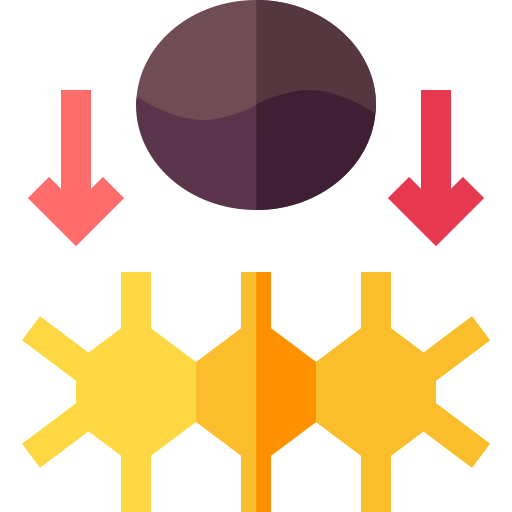
Caffeine is broken down mainly by the CYP1A2 enzyme in the liver.
What it reveals: A spectrum from lower caffeine metabolism rate tendency to higher caffeine metabolism rate tendency.
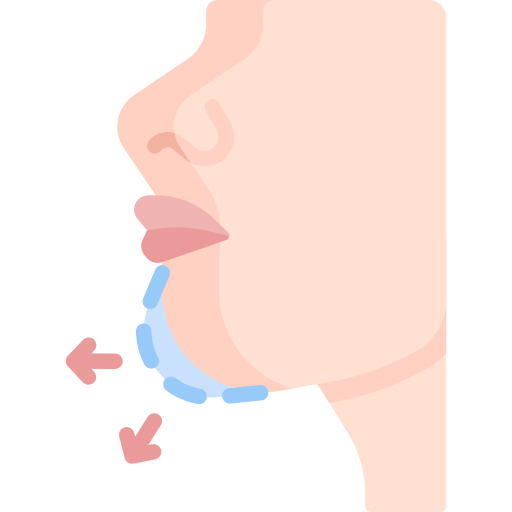
Chin protrusion is a heritable facial feature studied as part of overall jaw and face shape genetics. GWAS work on...
What it reveals: A spectrum from lower chin protrusion tendency to higher chin protrusion tendency.

Some people perceive cilantro (coriander leaf) as soapy or unpleasant rather than herbal.
What it reveals: A spectrum from lower cilantro taste perception tendency to higher cilantro taste perception tendency.

This research area looks at inherited differences in how much coffee people typically drink, beyond simple cultural p...
What it reveals: A spectrum from lower daily coffee consumption tendency to higher daily coffee consumption tendency.

Distance between eyeballs is a heritable facial measurement studied in research on facial morphology. GWAS work ha...
What it reveals: A spectrum from lower distance between eyeballs tendency to higher distance between eyeballs tendency.
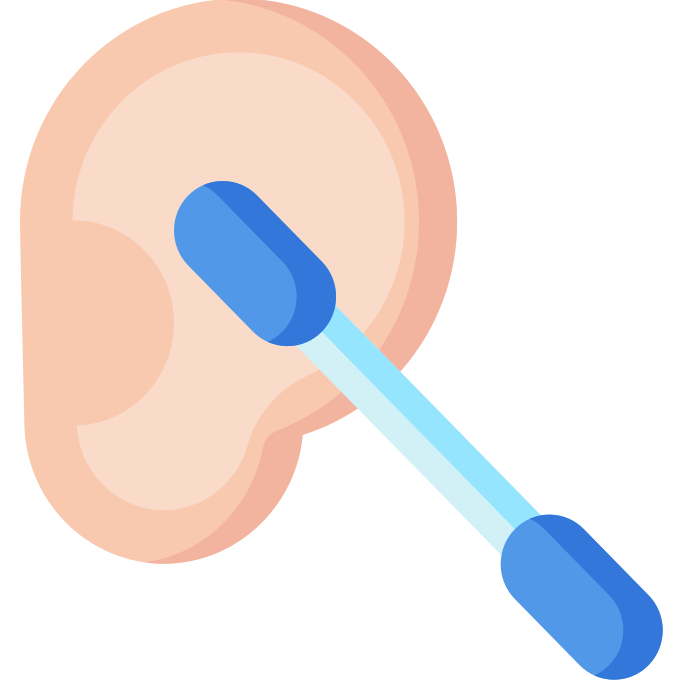
Earwax type (wet versus dry) is one of the simplest single-gene traits in humans, determined by a variant in the ABCC...
What it reveals: A spectrum from lower earwax type tendency to higher earwax type tendency.

The timing of permanent tooth eruption in childhood varies between people and is partly heritable. GWAS work has i...
What it reveals: A spectrum from lower eruption of permanent teeth tendency to higher eruption of permanent teeth tendency.
Eye distance width is a facial morphology measure studied as part of overall face shape genetics. GWAS work has id...
What it reveals: A spectrum from lower eye distance width tendency to higher eye distance width tendency.

Eyelid width is a heritable facial feature studied in research on inherited differences in face shape. GWAS work o...
What it reveals: A spectrum from lower eyelid width tendency to higher eyelid width tendency.

Facial attractiveness research uses third-party ratings of faces.
What it reveals: A spectrum from lower facial attractiveness tendency to higher facial attractiveness tendency.

The 2D:4D ratio compares the length of the index finger (2D) to the ring finger (4D).
What it reveals: A spectrum from lower finger length ratio tendency to higher finger length ratio tendency.

Frontal fibrosing alopecia is a form of scarring hair loss that mostly affects post-menopausal women, with a frontal ...
What it reveals: A spectrum from lower frontal fibrosing alopecia susceptibility tendency to higher frontal fibrosing alopecia susceptibility tendency.

Frontal nasal height refers to the vertical distance from the bridge of the nose to nearby facial landmarks.
What it reveals: A spectrum from lower frontal nasal height tendency to higher frontal nasal height tendency.

Hair curl pattern depends on the shape and size of the hair follicle and on cross-links inside the hair shaft. Var...
What it reveals: A spectrum from lower hair curl pattern tendency to higher hair curl pattern tendency.
Interleukin-6 (IL-6) is a cytokine involved in immune signaling, inflammation, and metabolism.
What it reveals: A spectrum from lower il-6 levels tendency to higher il-6 levels tendency.

Iris crypts are small openings in the front layer of the iris, contributing to overall iris pattern. GWAS work on ...
What it reveals: A spectrum from lower iris crypts tendency to higher iris crypts tendency.
Iris nevi are small pigmented spots in the iris, similar to moles on the skin.
What it reveals: A spectrum from lower iris nevis tendency to higher iris nevis tendency.

Iris patterns include features such as crypts, Wolfflin nodules, and pigmentation rings.
What it reveals: A spectrum from lower iris patterns tendency to higher iris patterns tendency.

Iris pigmentation rings are darker bands of pigment that can appear in the iris, contributing to iris pattern. GWA...
What it reveals: A spectrum from lower iris pigmentation rings tendency to higher iris pigmentation rings tendency.

Ligament injuries (especially in knees, ankles, and shoulders) are common in sport and active life.
What it reveals: A spectrum from lower ligament injury resistance to higher ligament injury resistance.

Lower lip height is a facial morphology measurement studied in research on inherited differences in face shape. GW...
What it reveals: A spectrum from lower lower lip height tendency to higher lower lip height tendency.

Misophonia is a strong negative reaction (irritation, anger, or anxiety) to specific everyday sounds such as chewing,...
What it reveals: A spectrum from weaker genetic signal for misophonia to stronger genetic signal for misophonia.
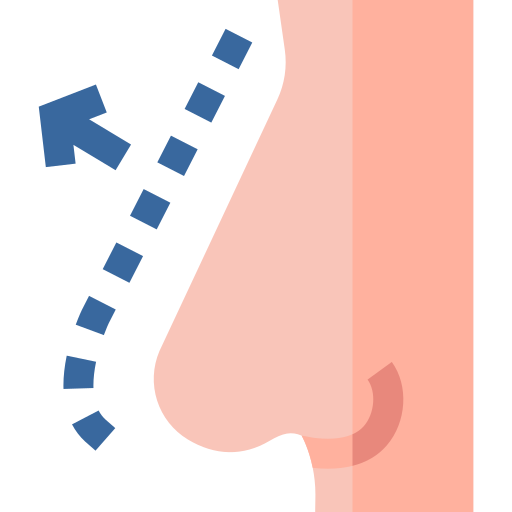
Nasal protrusion describes how far the bridge of the nose extends from the face.
What it reveals: A spectrum from lower nasal protrusion tendency to higher nasal protrusion tendency.
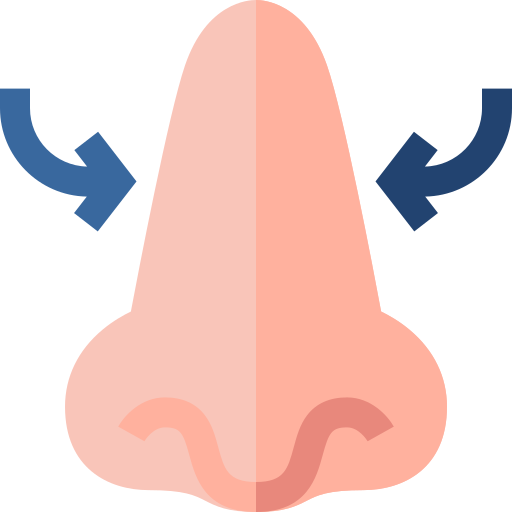
Nasal tip height refers to the vertical position of the tip of the nose, studied in research on facial morphology. ...
What it reveals: A spectrum from lower nasal tip height to higher nasal tip height.

The nasolabial angle is the angle between the nose and the upper lip.
What it reveals: A spectrum from lower nasolabial angle tendency to higher nasolabial angle tendency.
Nose bridge breadth refers to the width of the bridge of the nose.
What it reveals: A spectrum from lower nose bridge breadth tendency to higher nose bridge breadth tendency.
Nose columella inclination describes the angle of the strip of tissue between the nostrils.
What it reveals: A spectrum from lower nose columella inclination tendency to higher nose columella inclination tendency.
Nose size includes overall length, width, and projection of the nose, studied in facial morphology research. GWAS ...
What it reveals: A spectrum from lower nose size to higher nose size.
The angle of the nose tip (relative to the face) is a heritable feature studied in facial morphology research. GWA...
What it reveals: A spectrum from lower nose tip angle tendency to higher nose tip angle tendency.
Nose wing breadth describes the width of the nostrils (alae).
What it reveals: A spectrum from lower nose wing breadth tendency to higher nose wing breadth tendency.
Persistent thinness research looks at people who remain at low BMI throughout life despite normal eating, an under-st...
What it reveals: A spectrum from lower persistent thinness tendency to higher persistent thinness tendency.

Strabismus is a misalignment of the eyes that can affect vision development, especially in children.
What it reveals: A spectrum from lower strabismus susceptibility tendency to higher strabismus susceptibility tendency.
Excessive sweating (hyperhidrosis) is sweating beyond what is needed for temperature regulation.
What it reveals: A spectrum from lower sweat tendency to higher sweat tendency.

Tooth morphology covers heritable features of teeth, including crown shape, cusp number, and root form. GWAS work ...
What it reveals: A spectrum from lower tooth morphology tendency to higher tooth morphology tendency.

Environmental Factors: Human sensory perception is the process of gathering, organizing, and interpreting sensory information from the environment.
Human sensory perception is the process of gathering, organizing, and interpreting sensory information from the environment.

Corneal astigmatism is a refractive error caused by an irregular curvature of the cornea, leading to blurred vision a...
What it reveals: A spectrum from lower astigmatism susceptibility tendency to higher astigmatism susceptibility tendency.

Odor detection refers to inherited differences in detecting specific odor molecules, governed by hundreds of olfactor...
What it reveals: A spectrum from lower odor detection tendency to higher odor detection tendency.

Pain sensitivity research looks at inherited differences in how strongly people perceive painful stimuli, both in exp...
What it reveals: A spectrum from lower pain sensitivity to higher pain sensitivity.

Photic sneeze reflex (autosomal dominant compelling helio-ophthalmic outburst, or ACHOO) describes sneezing in respon...
What it reveals: A spectrum from lower photic sneeze reflex tendency to higher photic sneeze reflex tendency.
Smell sensitivity covers research on inherited differences in how strongly people detect a wide range of odors. GW...
What it reveals: A spectrum from lower smell sensitivity to higher smell sensitivity.
Sweetness detection covers inherited differences in how strongly sweet flavors are perceived on the tongue. Varian...
What it reveals: A spectrum from lower sweetness detection tendency to higher sweetness detection tendency.

High myopia is severe nearsightedness, usually defined as a refractive error of -6 diopters or worse.
What it reveals: A spectrum from lower visual - high myopia tendency to higher visual - high myopia tendency.
Genetic Foundation: Environmental factors (sun exposure, humidity), lifestyle habits (skincare, nutrition), and genetics all influence skin health and appearance.
Skin is the body’s largest organ, providing protection, temperature regulation, and a barrier against pathogens.
Severe acne is a common inflammatory skin condition affecting hair follicles and sebaceous glands, especially during ...
What it reveals: A spectrum from lower acne resistance to higher acne resistance.
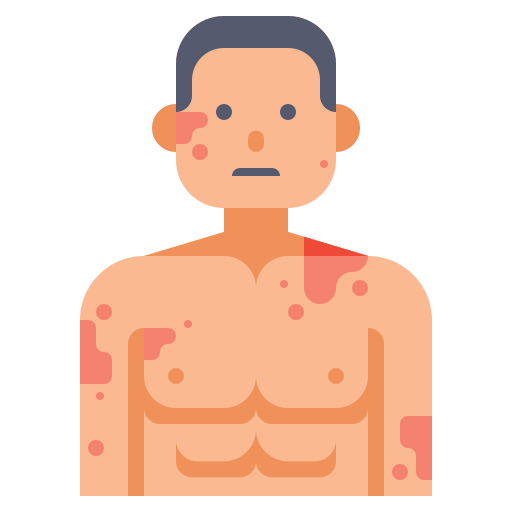
Atopic dermatitis (eczema) is a chronic inflammatory skin condition that often starts in childhood and is part of the...
What it reveals: A spectrum from lower atopic dermatitis susceptibility tendency to higher atopic dermatitis susceptibility tendency.
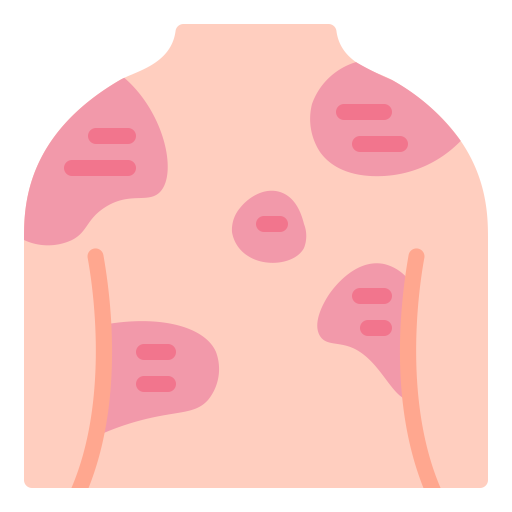
Psoriasis is a chronic immune-mediated skin condition that causes scaly, inflamed plaques. GWAS work has identifie...
What it reveals: A spectrum from lower psoriasis susceptibility tendency to higher psoriasis susceptibility tendency.

Rosacea is a chronic skin condition that causes facial redness, flushing, and sometimes bumps or visible blood vessel...
What it reveals: A spectrum from lower rosacea susceptibility tendency to higher rosacea susceptibility tendency.

Keloids are raised scars that grow beyond the original wound boundary because of excess collagen production during he...
What it reveals: A spectrum from lower scar healing quality tendency to higher scar healing quality tendency.

Skin sensitivity to sun is closely tied to pigmentation biology and reflects how easily skin reddens or burns after U...
What it reveals: A spectrum from lower skin resistance to sun to higher skin resistance to sun.

Skin aging is studied in research using microtopography (fine wrinkles, surface roughness) and other measurable skin ...
What it reveals: A spectrum from lower skin youthfulness tendency to higher skin youthfulness tendency.
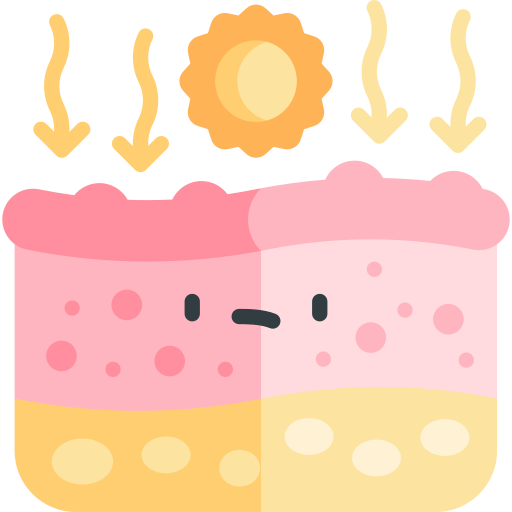
Skin sensitivity to sun reflects how easily skin reddens or burns after UV exposure.
What it reveals: A spectrum from lower sun protection tendency to higher sun protection tendency.
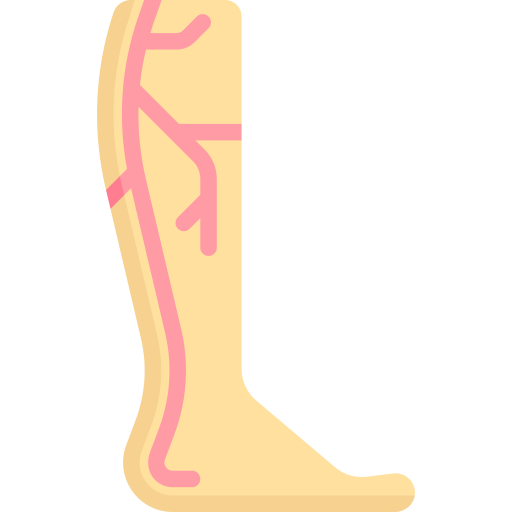
Varicose veins are enlarged, twisted veins that often appear in the legs and have a strong inherited component. GW...
What it reveals: A spectrum from lower varicose veins susceptibility tendency to higher varicose veins susceptibility tendency.
Facial wrinkles are creases that develop in the skin over time due to a mix of intrinsic aging and external damage. ...
What it reveals: A spectrum from lower wrinkle resistance to higher wrinkle resistance.
Environmental Factors: In REM sleep, neural connections solidify memories and support learning.
Sleep is a cyclical state of rest essential for physical recovery, cognitive processing, and emotional regulation.

Chronotype refers to a person's natural tendency toward earlier ("morning lark") or later ("night owl") sleep timing....
What it reveals: A spectrum from lower chronotype tendency to higher chronotype tendency.
Excessive daytime sleepiness research looks at inherited differences in feeling sleepy during waking hours, beyond wh...
What it reveals: A spectrum from lower daytime sleepiness susceptibility tendency to higher daytime sleepiness susceptibility tendency.
Deep sleep refers to slow-wave sleep, the most physically restorative stage.
What it reveals: A spectrum from lower deep sleep tendency to higher deep sleep tendency.

Movement during sleep refers to how restless or still a person tends to be during the night, including periodic movem...
What it reveals: A spectrum from lower movement during sleep tendency to higher movement during sleep tendency.
Obstructive sleep apnea is a condition where the upper airway repeatedly narrows or collapses during sleep, causing p...
What it reveals: A spectrum from lower sleep breathing quality tendency to higher sleep breathing quality tendency.
Sleep depth refers to how much time is spent in slow-wave (deep) sleep, which is important for physical recovery, mem...
What it reveals: A spectrum from lower sleep depth tendency to higher sleep depth tendency.

Sleep duration refers to how many hours a person typically sleeps in a 24-hour period.
What it reveals: A spectrum from lower sleep duration tendency to higher sleep duration tendency.
Sleep quality refers to how restorative sleep feels, including how easily someone falls asleep, how often they wake, ...
What it reveals: A spectrum from lower sleep quality tendency to higher sleep quality tendency.

Snoring is a common breathing-related sleep trait that can also be a marker of obstructive sleep apnea. GWAS work ...
What it reveals: A spectrum from lower snoring susceptibility tendency to higher snoring susceptibility tendency.

Environmental Factors: Together, these elements create a sustainable lifestyle: setting goals, tracking progress, and embracing active rest and self‑care reinforce habits that foster long‑term health, resilience, and vitality..
Sports & Wellness blend physical activity with holistic health practices to enhance fitness, prevent disease, and boost mental wellbeing.

Ankle injuries (sprains and ligament damage) are among the most common musculoskeletal injuries in sport. GWAS wor...
What it reveals: A spectrum from lower ankle injury susceptibility to higher ankle injury susceptibility.
Caffeine is one of the most studied ergogenic aids in sport.
What it reveals: A spectrum from lower caffeine influence in sport performance tendency to higher caffeine influence in sport performance tendency.

Exercise response covers how cardiorespiratory fitness, strength, and metabolic health change with the same training ...
What it reveals: A spectrum from lower exercise response to higher exercise response.
After eccentric or unaccustomed exercise, muscle fibers experience small-scale damage.
What it reveals: A spectrum from lower exercise-induced muscle damage (regenerative capacity) tendency to higher exercise-induced muscle damage (regenerative capacity) tendency.
The second phase of exercise-induced muscle damage covers the days following the initial injury, when inflammation, s...
What it reveals: A spectrum from lower exercise-induced muscle damage (second phase) tendency to higher exercise-induced muscle damage (second phase) tendency.

After unfamiliar or strenuous exercise, muscle fibers experience small-scale damage and inflammation.
What it reveals: A spectrum from lower exercise-induced muscle damage recovery tendency to higher exercise-induced muscle damage recovery tendency.

Heart rate response to exercise is studied as a marker of autonomic balance and cardiovascular fitness.
What it reveals: A spectrum from lower heart rate response to exercise to higher heart rate response to exercise.
Ligament injuries (especially in knees, ankles, and shoulders) are common in sport and active life.
What it reveals: A spectrum from lower ligament injury resistance to higher ligament injury resistance.
Lumbar disc disease covers degeneration and herniation of intervertebral discs in the lower back, a common cause of b...
What it reveals: A spectrum from lower lumbar disc disease resistance to higher lumbar disc disease resistance.

Moderate to vigorous physical activity (MVPA) is one of the most studied health behaviors, often measured by self-rep...
What it reveals: A spectrum from lower moderate physical activity tendency to higher moderate physical activity tendency.

Muscle strength research looks at maximal force a muscle or muscle group can produce.
What it reveals: A spectrum from lower muscle strength tendency to higher muscle strength tendency.

Muscle volume refers to total skeletal muscle mass and is studied because it influences strength, metabolism, and res...
What it reveals: A spectrum from lower muscle volume to higher muscle volume.
Muscular endurance refers to a muscle's ability to sustain repeated contractions before fatiguing.
What it reveals: A spectrum from lower muscular endurance tendency to higher muscular endurance tendency.
Muscular power is the ability to produce force quickly, important for sprinting, jumping, and explosive sport movemen...
What it reveals: A spectrum from lower muscular power tendency to higher muscular power tendency.

Recovery efficiency covers how quickly the body returns to baseline after physical stress, including muscle repair, g...
What it reveals: A spectrum from lower recovery efficiency tendency to higher recovery efficiency tendency.
Acute Achilles tendon injuries (including ruptures) are studied for their genetic component, especially in athletes a...
What it reveals: A spectrum from lower resistance of achilles tendon injury to higher resistance of achilles tendon injury.
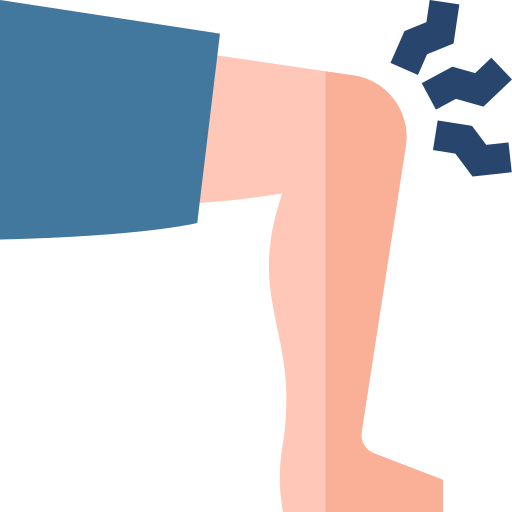
ACL ruptures are common knee injuries, especially in cutting and pivoting sports.
What it reveals: A spectrum from lower resistance of anterior cruciate ligament rupture to higher resistance of anterior cruciate ligament rupture.
Lower-extremity tendinopathies include patellar, Achilles, and other leg tendon overuse injuries, common in runners a...
What it reveals: A spectrum from lower tendinopathies in lower extremities (legs) tendency to higher tendinopathies in lower extremities (legs) tendency.
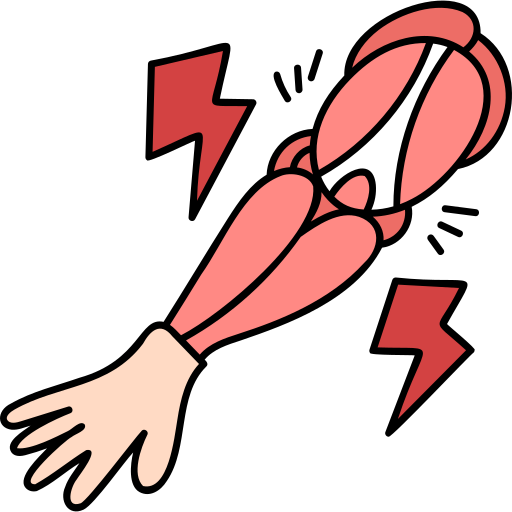
Upper-extremity tendinopathies affect tendons in the shoulder, elbow (such as tennis or golfer's elbow), and wrist, o...
What it reveals: A spectrum from lower tendinopathies in upper extremities (arms) tendency to higher tendinopathies in upper extremities (arms) tendency.
Trans-epidermal water loss (TEWL) is a research measure of how much water evaporates through the skin.
What it reveals: A spectrum from lower water retention tendency to higher water retention tendency.

Key Process: Key traits include hard work (dedicated effort toward goals), determination (steadfast pursuit despite obstacles), and adaptability (flexible response to change).
Success traits are personal qualities like hard work, determination, and adaptability that drive achievement and resilience.
Attention function research measures how well people can focus, switch attention, and ignore distractors using standa...
What it reveals: A spectrum from lower attention function performance tendency to higher attention function performance tendency.

Cognitive function research uses composite measures of memory, processing speed, reasoning, and executive function. ...
What it reveals: A spectrum from lower cognitive function performance tendency to higher cognitive function performance tendency.

Creativity research uses a mix of self-report measures, divergent thinking tests, and creative achievement records to...
What it reveals: A spectrum from lower creativity performance tendency to higher creativity performance tendency.

Educational attainment (years of schooling) has been studied in some of the largest GWAS to date because it is widely...
What it reveals: A spectrum from lower educational attainment performance tendency to higher educational attainment performance tendency.

Empathy quotient research uses self-report scales to measure how strongly people identify with others' feelings. G...
What it reveals: A spectrum from lower empathy to higher empathy.

Household income is studied in some of the largest GWAS because it is widely available in datasets and reflects socia...
What it reveals: A spectrum from lower household income capacity tendency to higher household income capacity tendency.

Information processing speed measures how quickly people can take in, evaluate, and respond to information. GWAS w...
What it reveals: A spectrum from lower information processing power performance tendency to higher information processing power performance tendency.

Information processing speed measures how quickly people can take in and respond to information, often using reaction...
What it reveals: A spectrum from lower information processing speed performance to higher information processing speed performance.

Intelligence research uses standardized tests to estimate general cognitive ability.
What it reveals: A spectrum from lower intelligence tendency to higher intelligence tendency.
This research area uses standardized IQ measures, sometimes in interaction analyses (for example with birth method). ...
What it reveals: A spectrum from lower intelligence quotient (iq) performance tendency to higher intelligence quotient (iq) performance tendency.

Receptive language ability measures how well people understand spoken or written language.
What it reveals: A spectrum from lower language ability performance tendency to higher language ability performance tendency.

Mathematical ability research uses a mix of test scores and self-report to study how people vary in numerical reasoni...
What it reveals: A spectrum from lower mathematical skills performance tendency to higher mathematical skills performance tendency.

Memory performance covers a broad set of cognitive measures including short-term, working, and long-term memory. G...
What it reveals: A spectrum from lower memory performance tendency to higher memory performance tendency.
This research area covers memory performance across short-term, working, and long-term tasks. GWAS work has identi...
What it reveals: A spectrum from lower memory skills performance tendency to higher memory skills performance tendency.

Phoneme awareness is the ability to identify and manipulate the smallest units of sound in spoken words.
What it reveals: A spectrum from lower phoneme awareness performance tendency to higher phoneme awareness performance tendency.

Internalizing problems in preschool include anxiety, withdrawal, and somatic complaints.
What it reveals: A spectrum from lower preschool internalizing problems tendency to higher preschool internalizing problems tendency.

Rapid automised naming (RAN) of digits asks people to name printed digits as quickly as possible.
What it reveals: A spectrum from lower rapid automised naming of digits performance tendency to higher rapid automised naming of digits performance tendency.

Rapid automised naming (RAN) of letters asks people to name printed letters as quickly as possible.
What it reveals: A spectrum from lower rapid automised naming of letters performance tendency to higher rapid automised naming of letters performance tendency.

Rapid automised naming (RAN) of pictures asks people to name common objects as quickly as possible.
What it reveals: A spectrum from lower rapid automised naming of pictures performance tendency to higher rapid automised naming of pictures performance tendency.

Reasoning research measures the ability to draw conclusions, identify patterns, and solve novel problems. GWAS wor...
What it reveals: A spectrum from lower reasoning performance tendency to higher reasoning performance tendency.

This research area looks at inherited differences in social communication skills, often studied in autism research. ...
What it reveals: A spectrum from lower social communication problems tendency to higher social communication problems tendency.

Adventurousness research looks at how strongly people are drawn to novelty, sensation, and risk-tinged experiences. ...
What it reveals: A spectrum from lower thrill-seeking tendency to higher thrill-seeking tendency.
Verbal declarative memory is the ability to recall verbal information, such as words from a list or details from a story.
What it reveals: A spectrum from lower verbal declarative memory tendency to higher verbal declarative memory tendency.
Verbal memory is the ability to remember verbal information, such as words, sentences, or stories.
What it reveals: A spectrum from lower verbal memory performance tendency to higher verbal memory performance tendency.

Visual memory is the ability to remember images, scenes, and visual details.
What it reveals: A spectrum from lower visual memory performance tendency to higher visual memory performance tendency.

Working memory is the ability to hold and manipulate information in mind for short periods.
What it reveals: A spectrum from lower working memory performance tendency to higher working memory performance tendency.

The "worrier-warrior" idea comes from research on the COMT gene, which influences dopamine breakdown in the prefronta...
What it reveals: A spectrum from lower worrier or warrior tendency to higher worrier or warrior tendency.

Health Impact: Well‑Being is a holistic state encompassing physical health, mental resilience, emotional balance, and social connectedness.
Well-Being is a holistic state encompassing physical health, mental resilience, emotional balance, and social connectedness.

Biological aging research looks at biomarkers like telomere length, epigenetic clocks, and inflammatory markers that ...
What it reveals: A spectrum from lower biological youthfulness tendency to higher biological youthfulness tendency.

Bone mineral density (BMD) at the hip is one of the most studied measures of bone strength and a key research marker ...
What it reveals: A spectrum from lower bone mineral density to higher bone mineral density.

Bone strength here refers to research on inherited differences in fracture susceptibility, including stress fractures...
What it reveals: A spectrum from lower bone strength tendency to higher bone strength tendency.

Food intake control refers to the biological systems that signal hunger, fullness, and food reward, balancing energy ...
What it reveals: A spectrum from lower food intake control to higher food intake control.

Metabolic syndrome is a research and clinical cluster of risk factors including abdominal obesity, high blood pressur...
What it reveals: A spectrum from lower metabolic syndrome resistance to higher metabolic syndrome resistance.
Mosquito attractiveness is studied because some people are bitten more than others under the same exposure, partly du...
What it reveals: A spectrum from lower mosquito repellency tendency to higher mosquito repellency tendency.

Resting metabolic rate (RMR) is the energy the body uses at rest to maintain basic functions like breathing, circulat...
What it reveals: A spectrum from lower resting metabolic rate tendency to higher resting metabolic rate tendency.
This research area covers inflammatory skin diseases such as psoriasis and atopic dermatitis, which involve immune-dr...
What it reveals: A spectrum from lower skin inflammation tendency to higher skin inflammation tendency.
Understanding genetic traits requires a thoughtful perspective. Here's what to keep in mind as you explore.
Each trait represents a statistical tendency based on genetic research — not a guarantee. Your genes suggest possibilities; they don't write certainties.
Lifestyle, nutrition, experiences, and choices all influence how genetic tendencies manifest. DNA provides the canvas; life paints the picture.
A trait in this list doesn't define you — it describes a possibility. Think of it as one thread in the rich tapestry of who you are.
These traits reflect the incredible diversity of human expression. Every combination is unique, and there's no "better" or "worse" — just different.
"Each trait is a window — not a definition — of who you are."
Every trait in this catalogue is grounded in peer-reviewed scientific research, connecting genetic markers to observable characteristics.
Researchers analyze genetic variants (SNPs) across large populations, identifying statistical associations between specific DNA sequences and observable traits. These genome-wide association studies (GWAS) form the scientific backbone of trait analysis.
Each trait reflects a statistical tendency — meaning that people with certain genetic variants are more or less likely to express a trait. This is probability, not prophecy.
Our trait associations cite published research with sample sizes, publication dates, and evidence strength. You can explore the science behind any trait.
"This list explains influence — not prediction."
A genetic trait is an observable characteristic that has some basis in your DNA. This includes physical features (like eye color), behavioral tendencies (like being a morning person), and biological processes (like how you metabolize caffeine). Traits are influenced by genetic variations, but most are also shaped by environment and lifestyle.
No. Traits represent genetic tendencies and statistical associations — not predictions or guarantees. Your actual experience is shaped by the complex interplay of genetics, environment, lifestyle, and life experiences. Think of traits as possibilities informed by your DNA, not fixed outcomes.
Each trait is based on genome-wide association studies (GWAS) and other peer-reviewed research. Scientists analyze genetic data from large populations to identify statistical links between specific genetic variants and observable traits. We cite the research behind each trait so you can explore the science yourself.
We only include traits with sufficient scientific evidence. Some characteristics you might expect to see may not yet have robust genetic research supporting them, or the genetic influence may be too small or complex to report meaningfully. We prioritize quality and accuracy over quantity.
Yes! This catalogue shows all available traits. To see your personal genetic results for each trait, you'll need to upload your DNA data and access your Traits Report. Your report will show how your specific genetic profile relates to each of these traits.
Discover what your DNA reveals about you
Complete DNA analysis including all traits
Focus on traits analysis only
Your genetic story is waiting to be explored. Discover the traits that make you uniquely you.