|
|
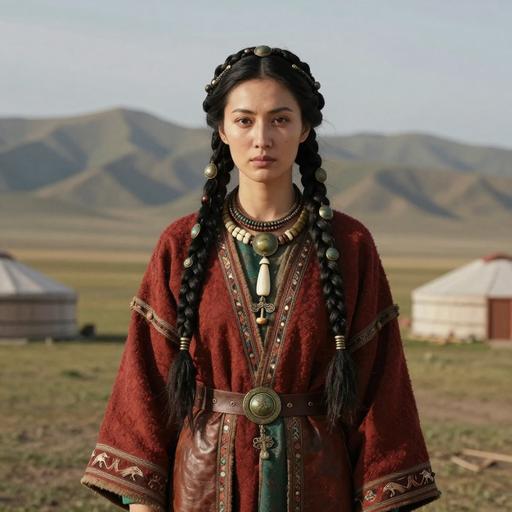
Middle Avar-o Low East Asia individual, Hungary
Sample ID: RKF138
|
Hungary |
Hungary MiddleAvar |
650-900 CE |
Avar Culture |
H6a1 |
Direct
|
|
|
Norse individual, Denmark
Sample ID: VK582
|
Denmark |
Denmark IA |
1 CE - 100 CE |
Danish Iron Age |
H6a1b3 |
Downstream
|
|
|
Nordic Ia individual, Denmark
Sample ID: VK582
|
Denmark |
Iron Age Nordic Region |
1 CE - 100 CE |
|
H6a1b3 |
Downstream
|
|
|
Scotland LIA individual, United Kingdom
Sample ID: I16413
|
United Kingdom |
Scotland LIA |
44 calBCE - 117 calCE (1987±29 BP, SUERC-94954) |
Scottish Iron Age |
H6a1a8 |
Downstream
|
|
|
Celtic individual, United Kingdom
Sample ID: 3DT16
|
United Kingdom |
Iron Age to Roman England |
50 CE - 350 CE |
Iron Age-Roman |
H6a1a |
Downstream
|
|
|
Celtic individual, United Kingdom
Sample ID: 6DT23
|
United Kingdom |
Iron Age to Roman England |
50 CE - 350 CE |
Iron Age-Roman |
H6a1b2 |
Downstream
|
|
|
Britain Roman individual, United Kingdom
Sample ID: 3DT16
|
United Kingdom |
Roman Britain |
50 CE - 350 CE |
|
H6a1a |
Downstream
|
|
|
Britain Roman individual, United Kingdom
Sample ID: 6DT23
|
United Kingdom |
Roman Britain |
50 CE - 350 CE |
|
H6a1b2 |
Downstream
|
|
|
Xinjiang Shanpula Sampula Antiquity individual, China
Sample ID: C3642
|
China |
Historical Sampula, China |
50-250 BCE |
Sampula |
H6a1a |
Downstream
|
|
|
IA Wielbark individual, Poland
Sample ID: PCA0451
|
Poland |
Wielbark Culture |
100-300 CE |
Wielbark |
H6a1a |
Downstream
|
|
|
Roman Wielbark individual, Poland
Sample ID: PCA0486
|
Poland |
Wielbark Culture |
100-300 CE |
Wielbark |
H6a1b4 |
Downstream
|
|
|
Roman Wielbark individual, Poland
Sample ID: PCA0487
|
Poland |
Wielbark Culture |
100-300 CE |
Wielbark |
H6a1a |
Downstream
|
|
|
Scotland LIA individual, United Kingdom
Sample ID: I16495
|
United Kingdom |
Scotland LIA |
196 calBCE - 3 calCE (2091±30 BP, SUERC-94953) |
Scottish Iron Age |
H6a1a8 |
Downstream
|
|
|
Nomadic Steppe Cultures individual, Kazakhstan
Sample ID: DA121
|
Kazakhstan |
Kazakhstan Kangju |
250 CE - 527 CE |
Kangju |
H6a1a |
Downstream
|
|
|
Steppe Central Nomad individual, Kazakhstan
Sample ID: DA121
|
Kazakhstan |
The Nomadic Empires of the Eurasian Steppe |
250 CE - 527 CE |
|
H6a1a |
Downstream
|
|
|
La Tène individual, Czech Republic
Sample ID: I15039
|
Czech Republic |
Iron Age La Tène Culture, Czech Republic |
300-150 BCE |
La Tène Culture |
H6a1a |
Downstream
|
|
|
La Tène individual, Czech Republic
Sample ID: I15953
|
Czech Republic |
Iron Age La Tène Culture, Czech Republic |
300-150 BCE |
La Tène Culture |
H6a1a |
Downstream
|
|
|
Scythian individual, China
Sample ID: C3324
|
China |
Iron Age Possible Scythian Wusun G218, Xinjiang, China |
386 BCE - 203 BCE |
Wusun Culture |
H6a1b2 |
Downstream
|
|
|
La Tène individual, Czech Republic
Sample ID: I15952
|
Czech Republic |
Iron Age La Tène Culture, Czech Republic |
400-300 BCE |
La Tène Culture |
H6a1a |
Downstream
|
|
|
England Early Medieval Saxon individual, United Kingdom
Sample ID: I20667
|
United Kingdom |
England EarlyMedieval Saxon |
400-600 CE |
Anglo-Saxon |
H6a1b3 |
Downstream
|
|
|
England Early Medieval Saxon individual, United Kingdom
Sample ID: I20669
|
United Kingdom |
England EarlyMedieval Saxon |
400-600 CE |
Anglo-Saxon |
H6a1b |
Downstream
|
|
|
Sicily Himera IA b Greek individual, Italy
Sample ID: I17884
|
Italy |
Sicilian Greek (Himeran) |
409 BCE |
Himeran Greek |
H6a1a |
Downstream
|
|
|
Norse individual, Sweden
Sample ID: snb017
|
Sweden |
Southern Swedish Pre-Viking Culture |
450 CE - 500 CE |
Pre-Viking Swedish |
H6a1a10 |
Downstream
|
|
|
Xinjiang Bolati IA individual, China
Sample ID: C1708
|
China |
China Xinjiang Bolati IA |
459-383 calBCE |
Bolati Culture |
H6a1b2 |
Downstream
|
|
|
LIA Scythian individual, Ukraine
Sample ID: UKR104-I
|
Ukraine |
Ukraine LIA Scythian |
500-350 BCE |
Ukraine_LIA_Scythian |
H6a1b |
Downstream
|
|
|
England MIA individual, United Kingdom
Sample ID: I14551
|
United Kingdom |
England MIA |
514-234 calBCE (2333±31 BP, SUERC-76365) |
Middle Iron Age British |
H6a1a |
Downstream
|
|
|
Baltic Finnic individual, Estonia
Sample ID: 0LS09
|
Estonia |
Iron Age Estonia |
539 BCE - 386 BCE |
Estonian Iron Age |
H6a1a |
Downstream
|
|
|
Baltic Eia individual, Estonia
Sample ID: 0LS09
|
Estonia |
Early Iron Age Baltic |
539 BCE - 386 BCE |
|
H6a1a |
Downstream
|
|
|
Early Avar-o Low East Asia individual, Hungary
Sample ID: RKF182
|
Hungary |
Hungary EarlyAvar |
570-601 calCE |
Early Avar |
H6a1a |
Downstream
|
|
|
Viking individual, Sweden
Sample ID: als001
|
Sweden |
Vendel Culture |
550-600 CE |
Vendel |
H6a1a |
Downstream
|
|
|
Avar individual, Austria
Sample ID: CSK033
|
Austria |
Austria Avar |
600-800 CE |
Austria_Avar |
H6a1a |
Downstream
|
|
|
Avar individual, Austria
Sample ID: CSK040
|
Austria |
Austria Avar |
600-800 CE |
Austria_Avar |
H6a1a |
Downstream
|
|
|
Avar individual, Austria
Sample ID: CSK065
|
Austria |
Austria Avar |
600-800 CE |
Austria_Avar |
H6a1a |
Downstream
|
|
|
Avar individual, Austria
Sample ID: CSK075
|
Austria |
Austria Avar |
600-800 CE |
Austria_Avar |
H6a1a |
Downstream
|
|
|
Early Avar individual, Hungary
Sample ID: SZK-102
|
Hungary |
Hungary EarlyAvar |
600-700 CE |
Early Avar |
H6a1a |
Downstream
|
|
|
Avar individual, Austria
Sample ID: MGS093
|
Austria |
Austria Avar |
650-800 CE |
Austria_Avar |
H6a1b2 |
Downstream
|
|
|
Avar individual, Austria
Sample ID: MGS127
|
Austria |
Austria Avar |
650-800 CE |
Austria_Avar |
H6a1a |
Downstream
|
|
|
Avar individual, Austria
Sample ID: MGS158
|
Austria |
Austria Avar |
650-800 CE |
Austria_Avar |
H6a1a |
Downstream
|
|
|
Avar individual, Austria
Sample ID: MGS319
|
Austria |
Austria Avar |
650-800 CE |
Austria_Avar |
H6a1a |
Downstream
|
|
|
Samara Khazar individual, Russia
Sample ID: I32663
|
Russia |
Russia Samara Khazar |
650-750 CE |
Russia_Samara_Khazar |
H6a1a |
Downstream
|
|
|
Schortens Early Medieval individual, Germany
Sample ID: SRS004
|
Germany |
Saxon Early Medieval Schortens, Germany |
700-900 CE |
Saxon Schortens |
H6a1a2b1 |
Downstream
|
|
|
Norse individual, Norway
Sample ID: VK415
|
Norway |
Norway Viking |
700 CE - 1100 CE |
Viking Culture |
H6a1a |
Downstream
|
|
|
Norse individual, Estonia
Sample ID: VK491
|
Estonia |
Early Viking Age Estonia |
700 CE - 800 CE |
Viking |
H6a1a |
Downstream
|
|
|
Norse individual, Estonia
Sample ID: VK484
|
Estonia |
Early Viking Age Estonia |
700 CE - 800 CE |
Viking |
H6a1a |
Downstream
|
|
|
Viking individual, Norway
Sample ID: VK415
|
Norway |
The Viking Age |
700 CE - 1100 CE |
|
H6a1a |
Downstream
|
|
|
Viking individual, Estonia
Sample ID: VK484
|
Estonia |
The Viking Age |
700 CE - 800 CE |
|
H6a1a |
Downstream
|
|
|
Viking individual, Estonia
Sample ID: VK491
|
Estonia |
The Viking Age |
700 CE - 800 CE |
|
H6a1a |
Downstream
|
|
|
MIA Scythian individual, Ukraine
Sample ID: UKR044
|
Ukraine |
Ukraine MIA Scythian |
700-600 BCE |
Ukraine_MIA_Scythian |
H6a1b |
Downstream
|
|
|
England IA individual, United Kingdom
Sample ID: I6769
|
United Kingdom |
England IA |
754-416 calBCE (2455±25 BP, BRAMS-1321) |
British Iron Age |
H6a1b2 |
Downstream
|
|
|
EIA Tasmola individual, Kazakhstan
Sample ID: NUR002
|
Kazakhstan |
Early Iron Age Tasmola Culture, Kazakhstan |
778-541 calBCE (2504±27 BP) |
Tasmola Culture |
H6a1b2 |
Downstream
|