The Story
The journey of mtDNA haplogroup E2
Origins and Evolution
mtDNA haplogroup E2 is a descendant lineage of haplogroup E, itself derived from macro-haplogroup M. Phylogenetic analyses place E2 as one of the regional maternal lineages that diversified within the island environments of Island Southeast Asia (ISEA) after the initial Late Pleistocene peopling of the region. Based on the position of E2 within the E phylogeny and coalescent estimates for related lineages, E2 most likely arose in ISEA during the Late Pleistocene (roughly 20–30 kya) and persisted locally through the Last Glacial Maximum into the Holocene.
Genetic surveys and ancient DNA recoveries indicate that E2 shows internal structure reflecting island-specific drift and founder effects; different studies report regional clusters within E2 corresponding to the Philippines, eastern Indonesia, Taiwan, and parts of Near Oceania. Because control-region and whole-mitochondrial-sequence variation have been used variably across studies, naming and fine-scale subclade definitions within E2 can differ between research groups.
Subclades
E2 contains multiple regional branches whose formal subclade labels vary by study. Rather than a single dominant continental lineage, E2 generally comprises several island-restricted sublineages that show signatures of long-term local continuity (deep coalescence) and more recent demographic movements (shallow, geographically-restricted branches). Many published datasets report distinct Philippine- and eastern-Indonesian-centered clusters and additional variants occurring in Near Oceania and Micronesia. Ongoing whole-mitogenome sequencing continues to refine these subclades and their branching order relative to E1 and other E derivatives.
Geographical Distribution
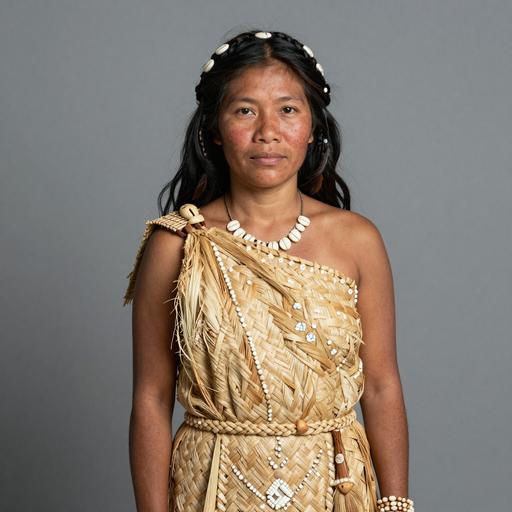
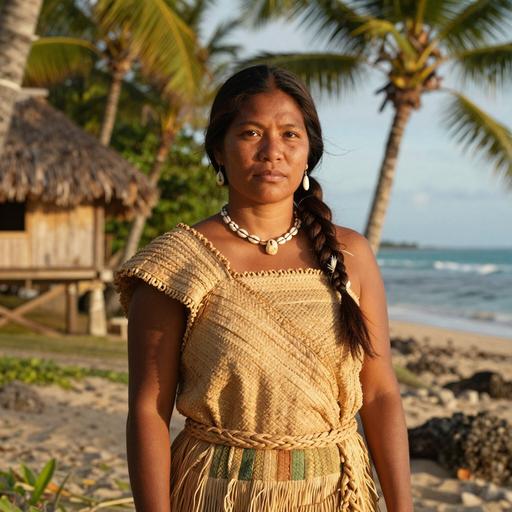
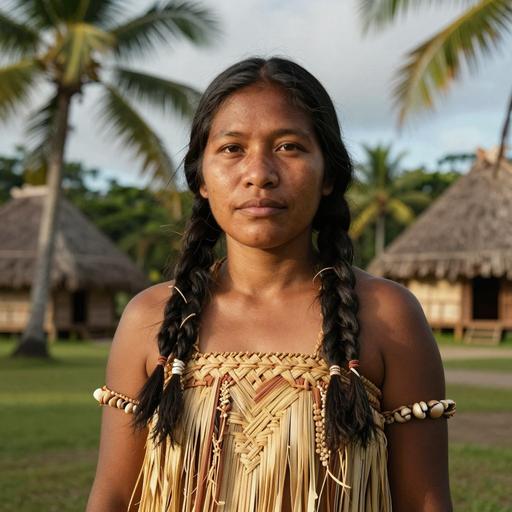
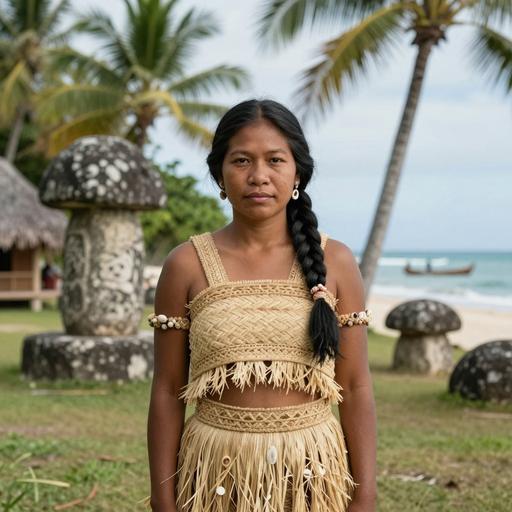
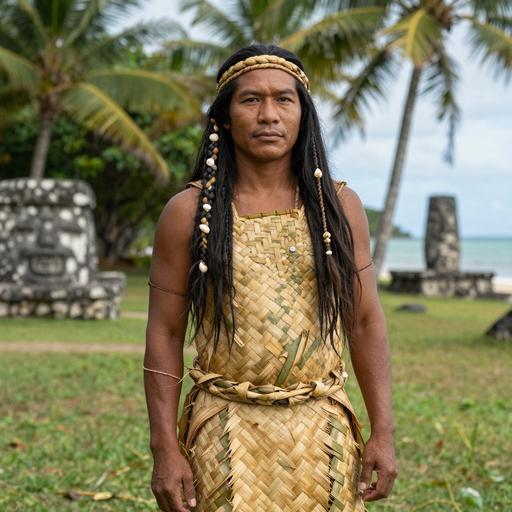
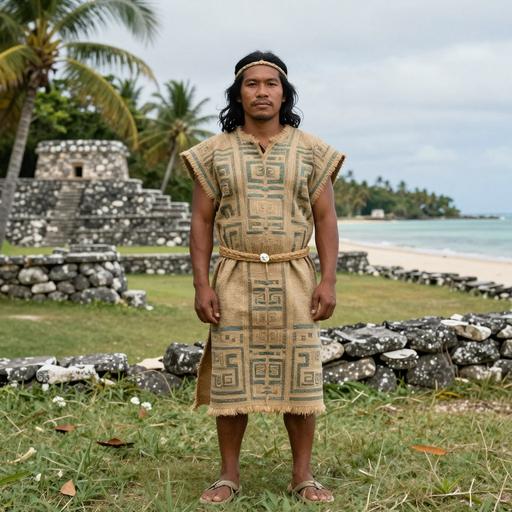
E2 is concentrated in Island Southeast Asia and adjacent island regions, with highest frequencies in parts of the Philippines, eastern Indonesia (including Sulawesi, Maluku and Nusa Tenggara), and several Austronesian-speaking groups in Taiwan. It is also present, at lower to moderate frequencies, in coastal populations of Near Oceania (including parts of Papua New Guinea and the Bismarck Archipelago) and in some Micronesian and western Polynesian island populations, reflecting the maritime dispersals that shaped these regions. Small occurrences have been reported in coastal southern China and some mainland Southeast Asian groups, likely reflecting prehistoric coastal contact and more recent gene flow.
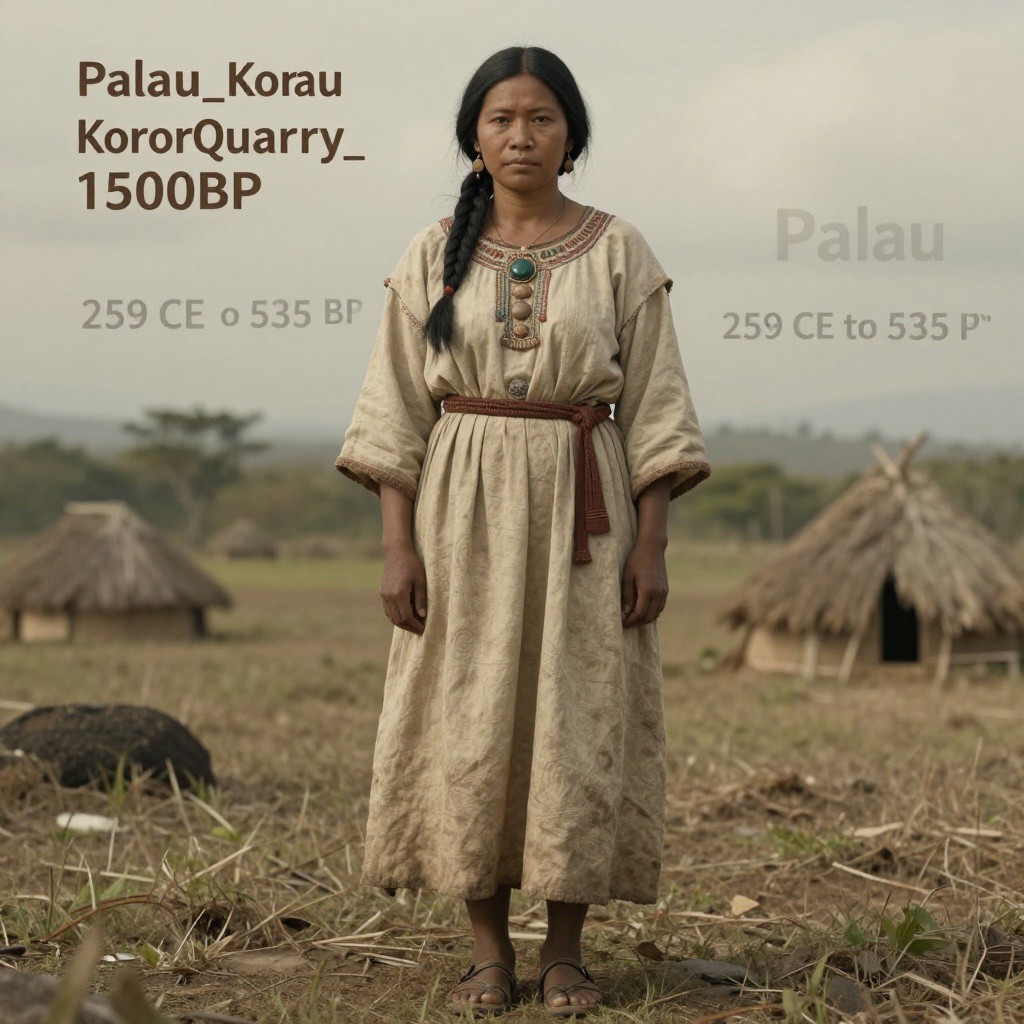
Ancient DNA evidence — including the ~20+ ancient samples where haplogroup E lineages (including E2-type sequences) have been identified — supports a long-standing presence of E2 in archaeological contexts across island Southeast Asia and the island Pacific, consistent with local persistence and later Holocene spread.
Historical and Cultural Significance
E2's geographic pattern links it closely to island-adapted hunter-gatherer and early maritime farming communities, and it plays a role in reconstructing the maternal component of Austronesian-associated dispersals. During the Holocene, as seafaring and agriculture spread from Taiwan and northern Philippines into eastern Indonesia, Micronesia and Near Oceania, E2 appears among the maternal lineages that accompanied or were assimilated into these movements. In Near Oceania, E2 often occurs alongside local Papuan maternal lineages and Austronesian-associated markers such as B4a1a, reflecting admixture between incoming Austronesian groups and long-standing island populations.
While E2 is not a marker of any single archaeological culture in the way some Y-chromosome or autosomal signatures can be tied to steppe expansions, its distribution is consistent with maritime-connected cultural processes (for example, the Austronesian expansion and the later Lapita cultural complex in Near Oceania) and with patterns of founder effects and drift on islands.
Conclusion
mtDNA haplogroup E2 is best understood as a regional, island-focused maternal lineage whose origin in Island Southeast Asia dates to the Late Pleistocene and whose later history includes persistence in island populations and participation in Holocene maritime dispersals. Continued mitogenome sequencing and integration with archaeological and linguistic data will refine E2's internal branching and clarify its role in specific prehistoric migration events across ISEA and the island Pacific.
Key Points
- Origins and Evolution
- Subclades
- Geographical Distribution
- Historical and Cultural Significance
- Conclusion