Menu
Y-DNA Haplogroup • Paternal Lineage

G2A2B2

Y-DNA Haplogroup G2A2B2

~7,000 years ago
West Asia / Caucasus
2 subclades
Scroll to explore
Chapter I

The Story

The journey of Y-DNA haplogroup G2A2B2

Origins and Evolution

G2A2B2 is a downstream subclade of G2A2B, itself nested within the broader G2a lineage that is strongly associated with the early Neolithic expansion from Anatolia and the Caucasus into Europe. Based on its phylogenetic position beneath G2A2B and the time-depth estimated for related G2a subclades, G2A2B2 most likely originated during the early to mid-Neolithic period (roughly 7,000 years ago), in a West Asian/Caucasus context or in nearby Anatolia. The clade is best interpreted as part of the paternal diversity carried by early farmers (sometimes termed Anatolian Neolithic farmers, ANF) who spread agricultural practices, livestock, and new settlement patterns into southeastern and later central/southern Europe.

Subclades (if applicable)

At present G2A2B2 is considered an intermediate/derived branch beneath G2A2B. The number and geographic structure of its downstream subclades are still being resolved as more high-resolution SNP and ancient DNA data become available. In contemporary population and phylogenetic studies G2A2B2 may be subdivided by additional SNPs identified in targeted sequencing or full Y-chromosome studies; researchers often report regionally restricted downstream branches in the Caucasus and Anatolia, reflecting local continuity and diversification.

Geographical Distribution

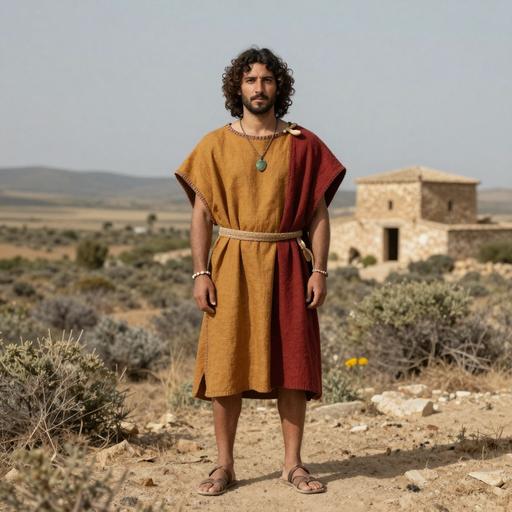
Today G2A2B2 shows its greatest diversity and highest frequencies in the Caucasus and adjacent parts of Anatolia/West Asia, consistent with an origin in that region. It is found at lower but detectable frequencies across Mediterranean Europe (notably island and isolated populations such as Sardinia and parts of Italy), in parts of Western and Central Europe (reflecting Neolithic farmer ancestry and later gene flow), and at low frequencies in some Central and South Asian populations. Moderate variant frequencies are also reported in certain Jewish communities (including Ashkenazi and other Levant-derived groups), where Neolithic-derived and Near Eastern male lineages have been maintained and rebalanced through historical migrations and founder effects.

Historical and Cultural Significance

Because of its phylogenetic relationship to broader G2a lineages commonly observed in Anatolian Neolithic and Early European Farmer (EEF) ancient samples, G2A2B2 is informative for studies of the Neolithic transition in Europe — the movement of farming communities, demographic expansions, and the formation of early farming cultural complexes. Its persistence in the Caucasus and pockets of Anatolia points to local continuity through the Neolithic into later periods and occasional Bronze Age and historical-era admixture events. The clade's presence in island and isolated European populations reflects patterns of founder effects and genetic drift following early agricultural colonization.

Conclusion

G2A2B2 is a Neolithic-era subclade of G2A2B that helps trace the paternal footprints of early farmers who dispersed from the West Asian/Caucasus region into Anatolia and Europe. While concentrated and most diverse in the Caucasus/Anatolia, its lower-frequency presence across parts of Europe and Asia — and in some Jewish communities — makes it a useful marker for reconstructing regional Neolithic demography, migration corridors, and local founder events. Continued sampling, higher-resolution SNP discovery, and ancient DNA from the Caucasus and Anatolia will refine its internal structure and historical trajectory.

Key Points

  • Origins and Evolution
  • Subclades (if applicable)
  • Geographical Distribution
  • Historical and Cultural Significance
  • Conclusion

Chapter II

Tree & Relationships

Phylogenetic context and subclades

Evolution Path

This haplogroup's evolutionary journey from its earliest ancestor to the present.

Steps Haplogroup Age Estimate Archaeology Era Time Passed Immediate Descendants Tested Modern Descendants Ancient Connections
1 G2A2B2 Current ~7,000 years ago 🌾 Neolithic 7,000 years 2 2 0

Siblings (1)

Other branches from the same parent haplogroup

Chapter III

Where in the World

Geographic distribution and modern presence

Place of Origin

West Asia / Caucasus

Modern Distribution

The populations where Y-DNA haplogroup G2A2B2 is found include:

  1. Caucasus populations (e.g., Georgians, Armenians, Chechens)
  2. Some populations in the Middle East and Anatolia (e.g., Iran, Turkey, Levant)
  3. Some populations in Mediterranean Europe (e.g., Sardinia, Italy)
  4. Some populations in Western and Central Europe (e.g., France, Switzerland, Germany)
  5. Some Central Asian populations (in lower frequencies)
  6. Some South Asian populations (in lower frequencies)
  7. Ashkenazi and other Jewish communities (moderate/variant frequencies)

Regional Presence

West Asia / Caucasus High
Southern Europe (Mediterranean) Moderate
Western & Central Europe Low
Central Asia Low
South Asia Low
CHAPTER IV

When in Time

Your haplogroup in the context of human history

~10k years ago

Neolithic Revolution

Agriculture begins, settled communities form

~7k years ago

Haplogroup G2A2B2

Your Y-DNA haplogroup emerged in West Asia / Caucasus

West Asia / Caucasus
~5k years ago

Bronze Age

Metalworking, writing, and early civilizations

~3k years ago

Iron Age

Iron tools, expanded trade networks

~2k years ago

Classical Antiquity

Greek and Roman civilizations flourish

Present

Present Day

Modern era

Your Haplogroup
Historical Era
Chapter IV-B

Linked Cultures

Ancient cultures associated with Y-DNA haplogroup G2A2B2

Cultural Heritage

These ancient cultures have been linked to haplogroup G2A2B2 based on matching ancient DNA samples from archaeological excavations. The presence of this haplogroup in these cultures provides insights into the migrations and population movements of populations carrying this haplogroup.

Anatolian Neolithic Baden Culture El Argar Linear Pottery Culture Middle Neolithic French Unetice Culture
Culture assignments are based on archaeological context of ancient DNA samples and may represent regional associations during specific time periods.
Chapter V

Sample Catalog

30 subclade carriers of haplogroup G2A2B2 (no exact G2A2B2 samples sequenced yet)

30 / 30 samples
Portrait Sample Country Era Date Culture Y-DNA Match
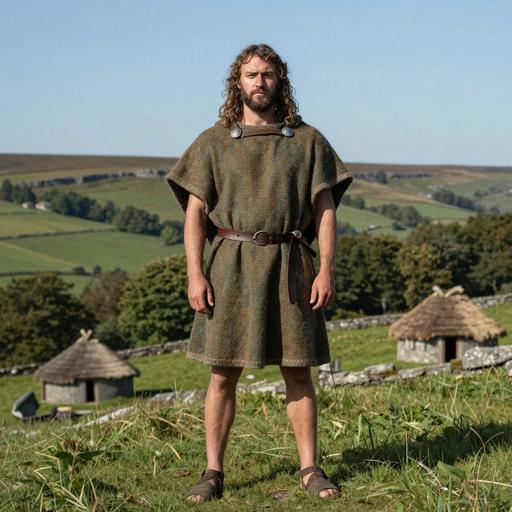
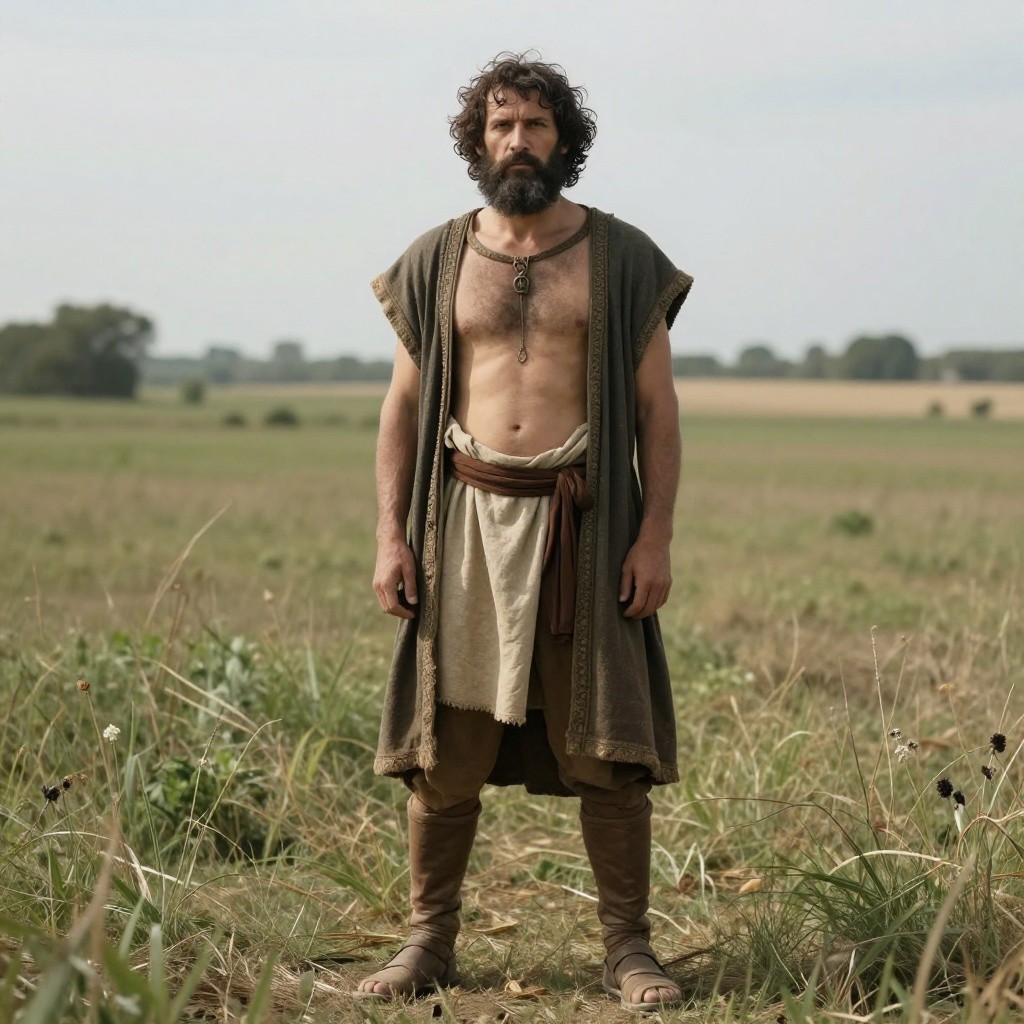
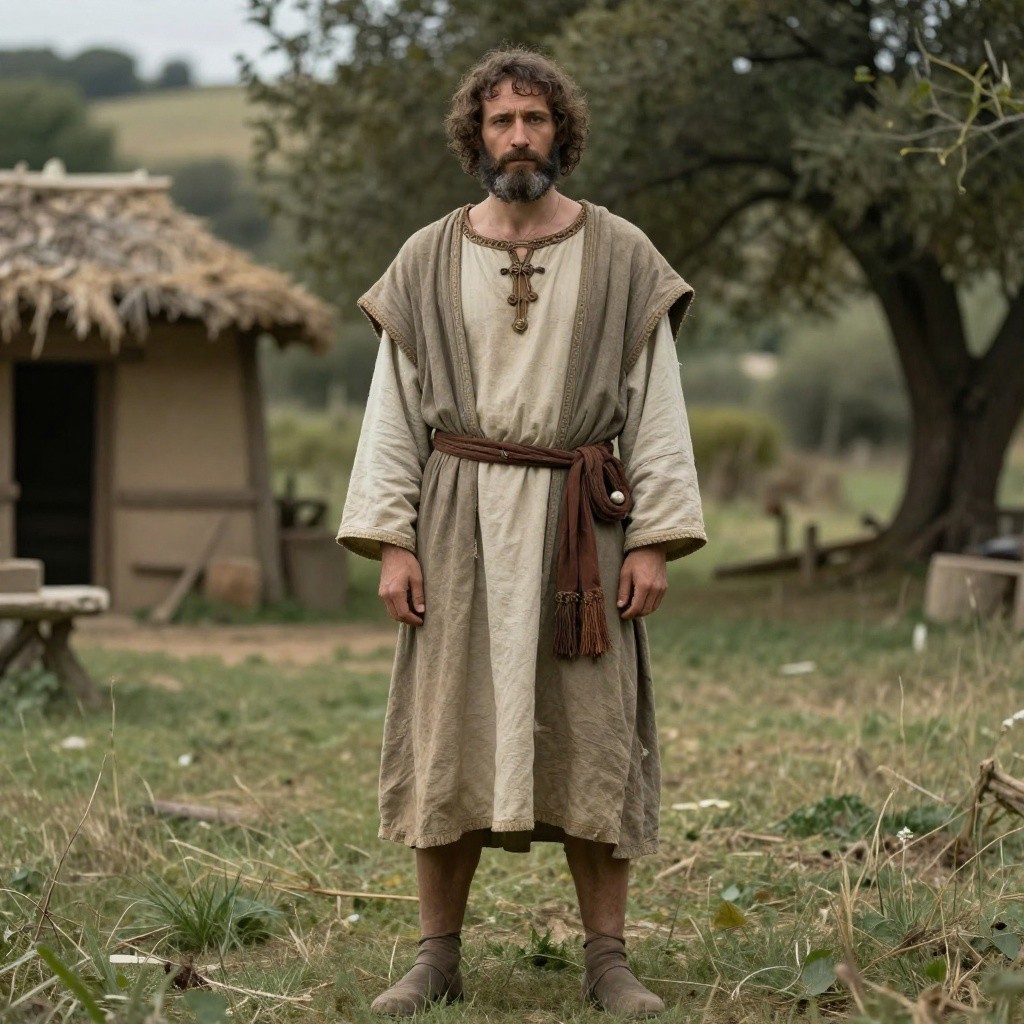
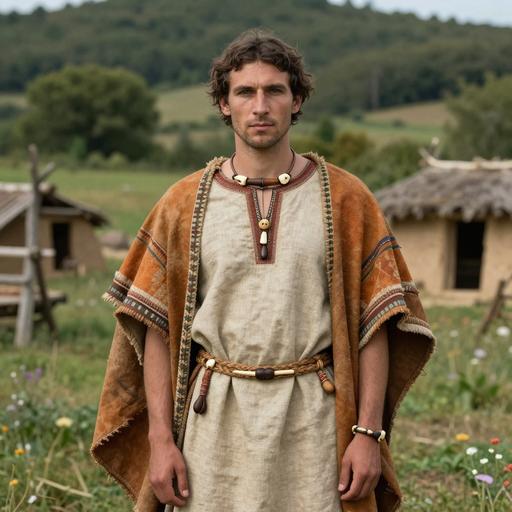
Portrait of ancient individual I19587 from United Kingdom, dated 195 BCE - 7 BCE
I19587
United Kingdom Late Iron Age England 195 BCE - 7 BCE British Late Iron Age G2a2b2a1a1b Downstream
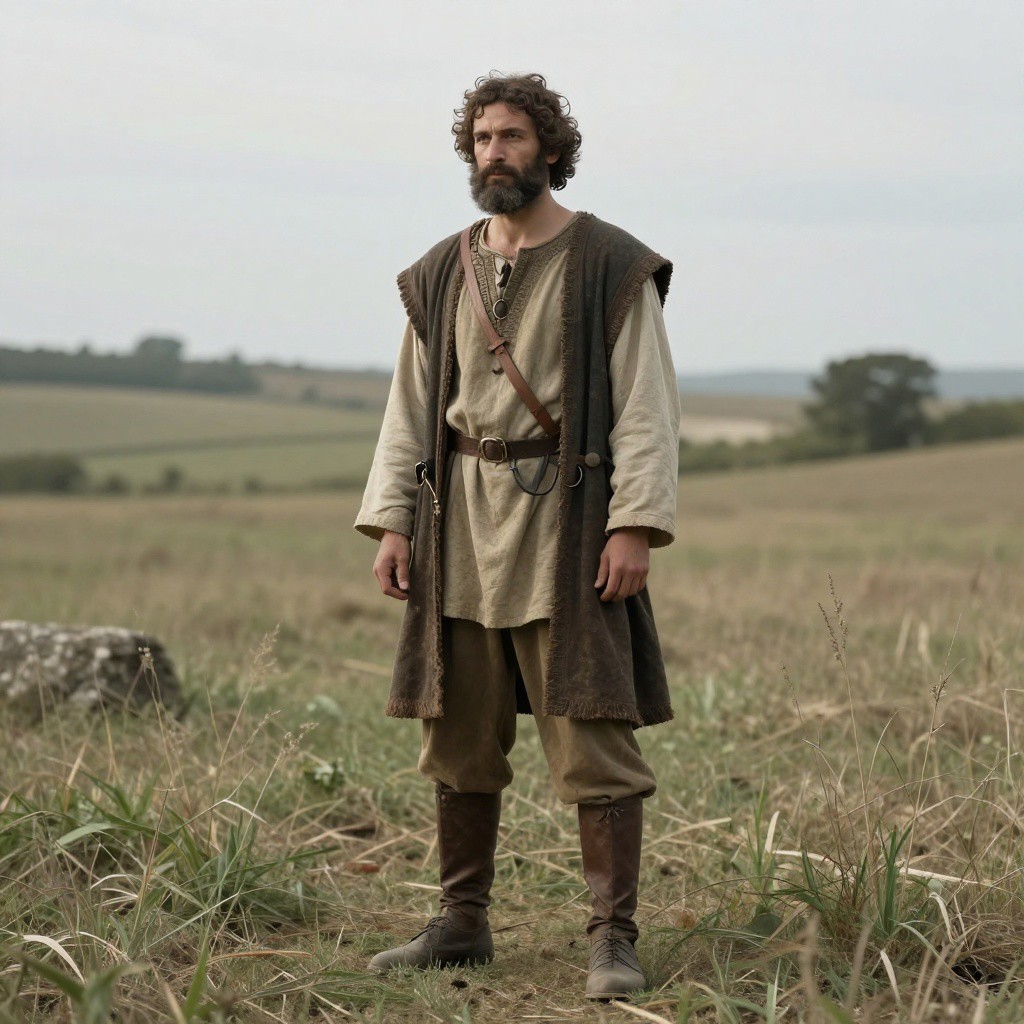
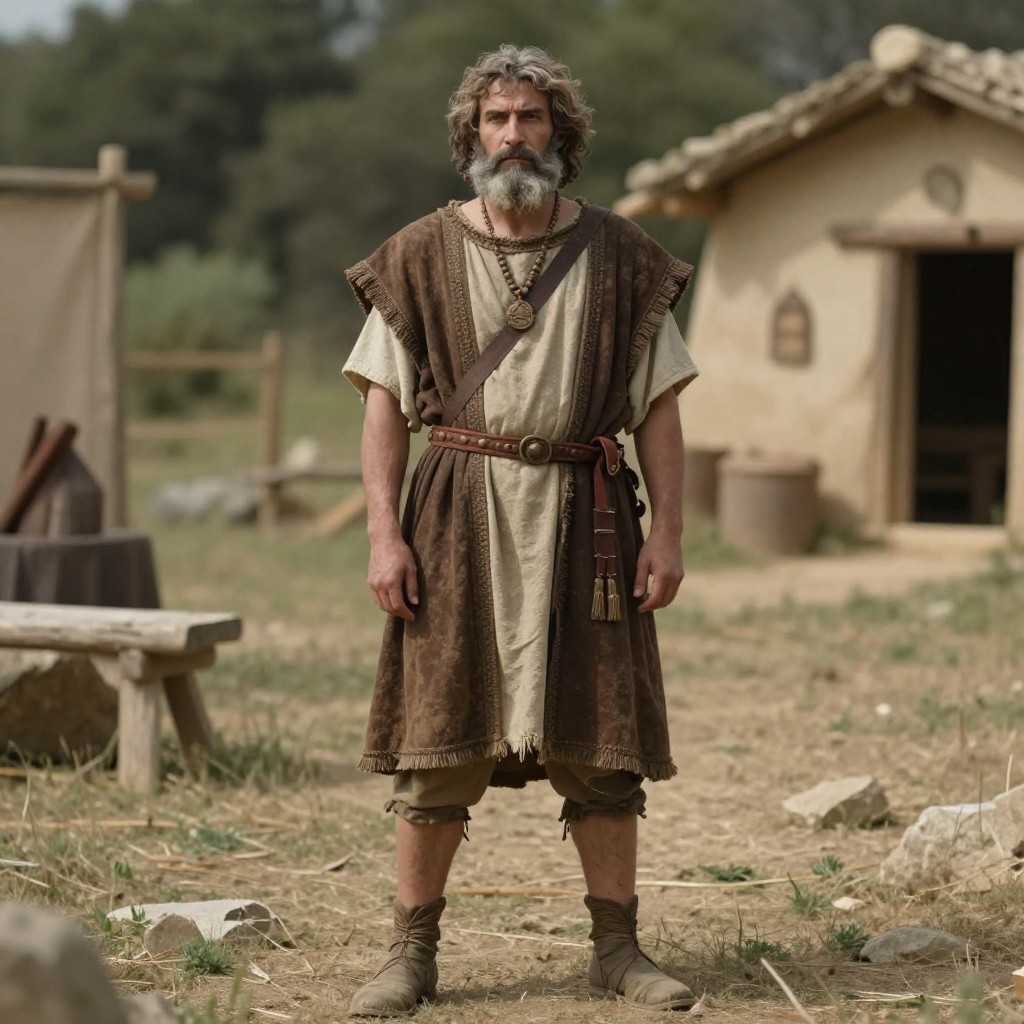
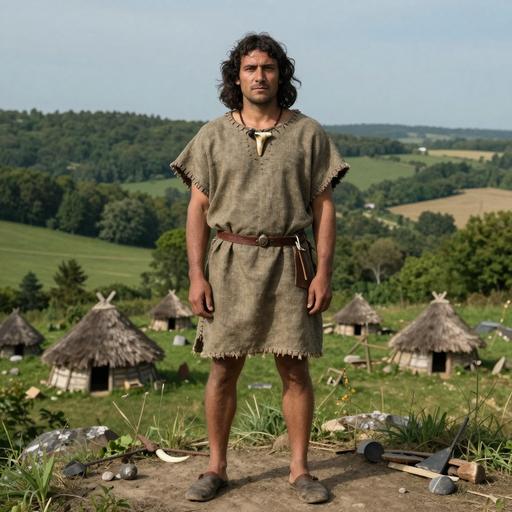
Portrait of ancient individual I11152 from United Kingdom, dated 355 BCE - 59 BCE
I11152
United Kingdom Middle to Late Iron Age England 355 BCE - 59 BCE Late Iron Age British G2a2b2a1a1b1a1a2b Downstream
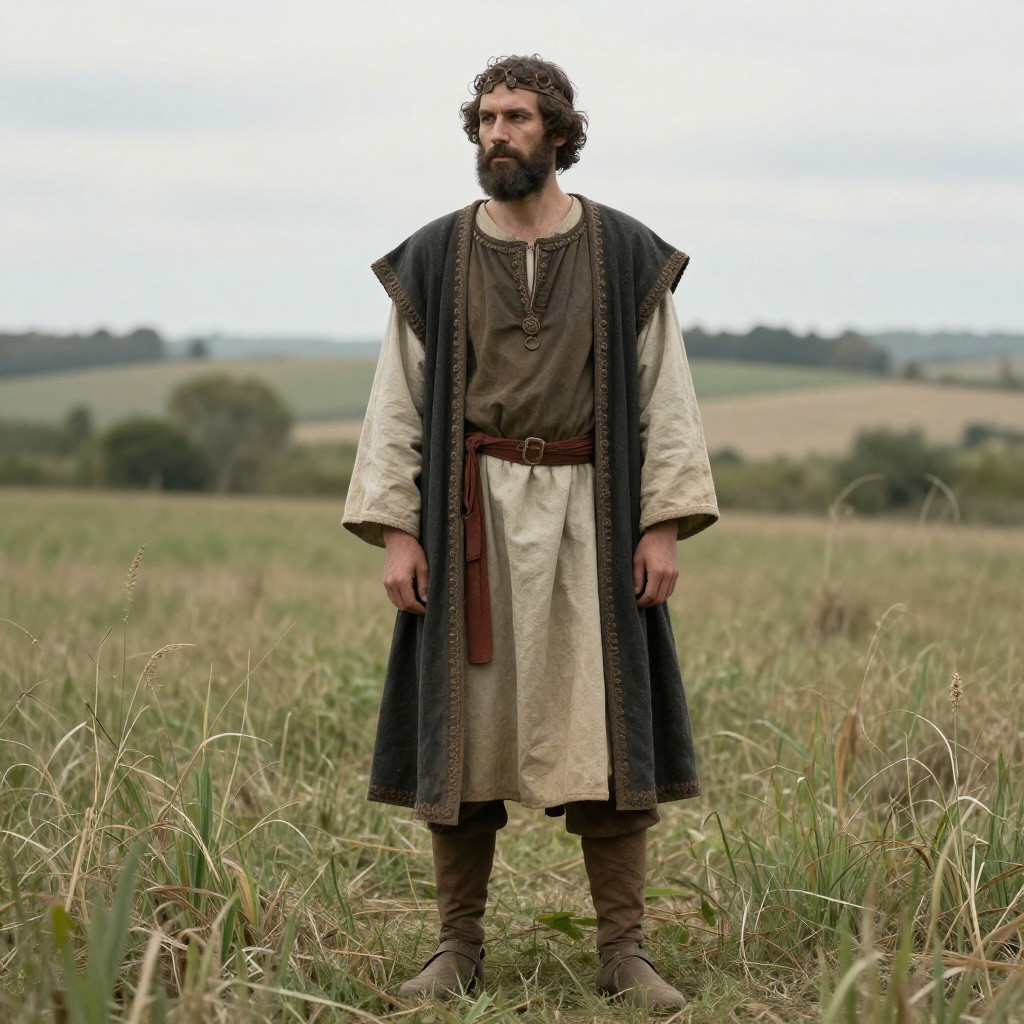
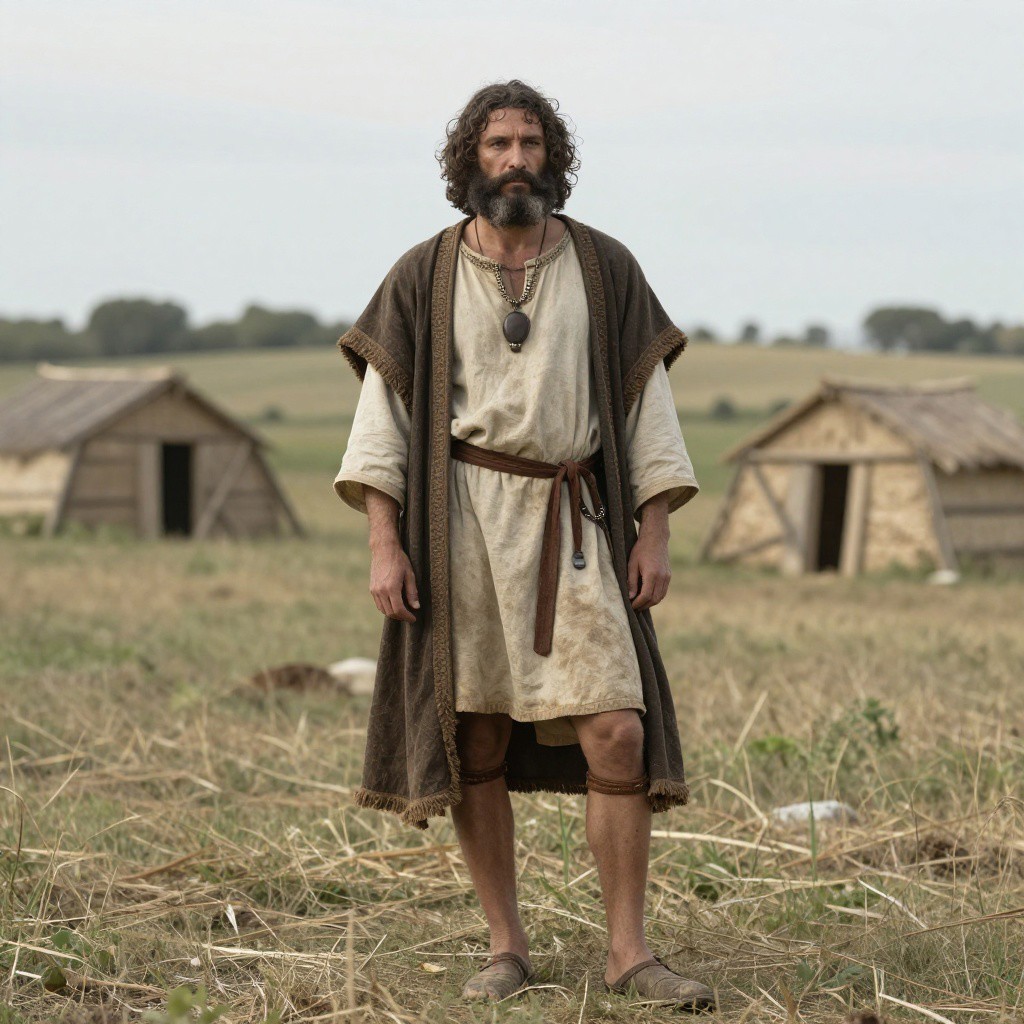
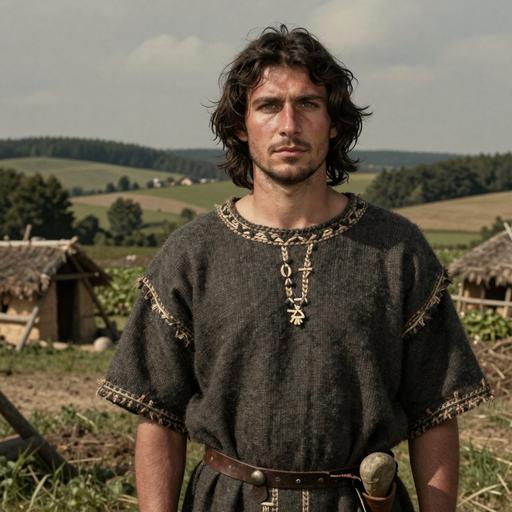
Portrait of ancient individual I20588 from United Kingdom, dated 366 BCE - 197 BCE
I20588
United Kingdom Middle Iron Age England 366 BCE - 197 BCE Middle Iron Age British G2a2b2a1a1b Downstream
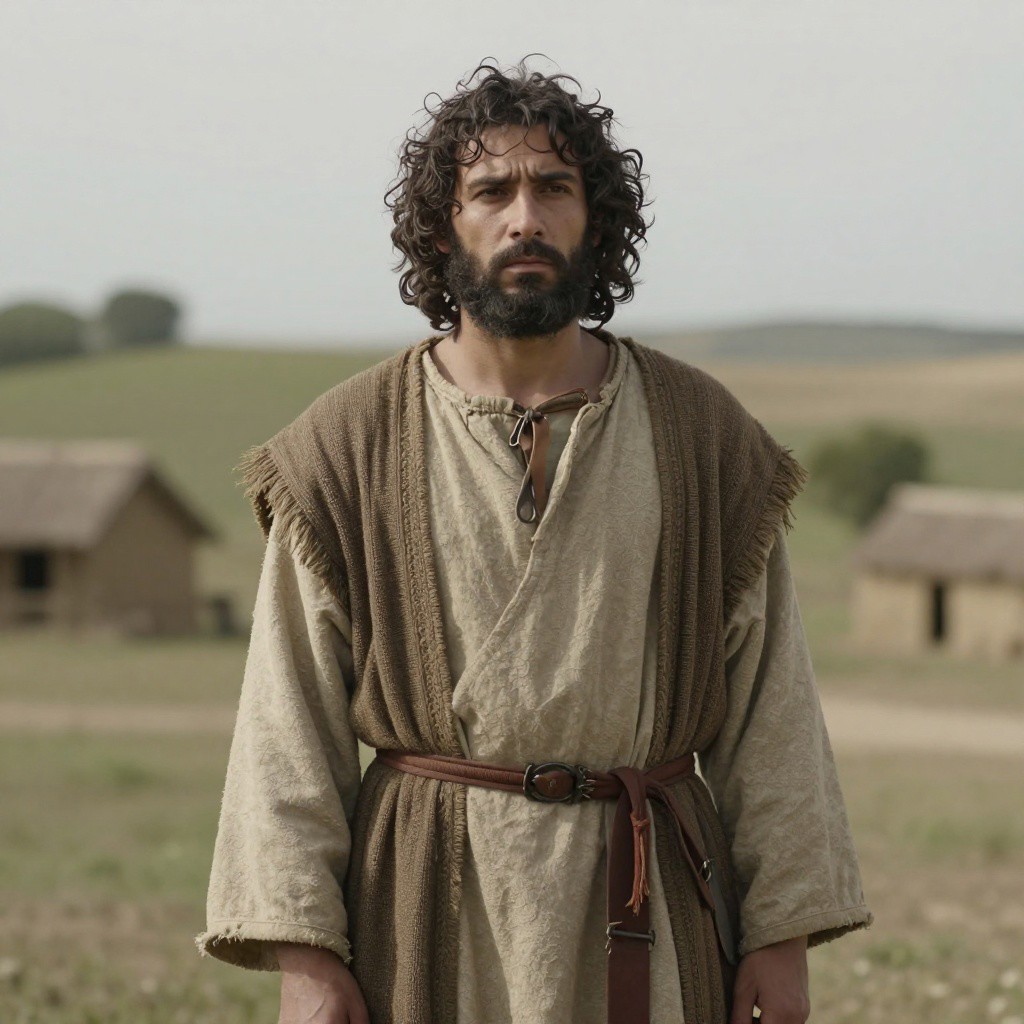
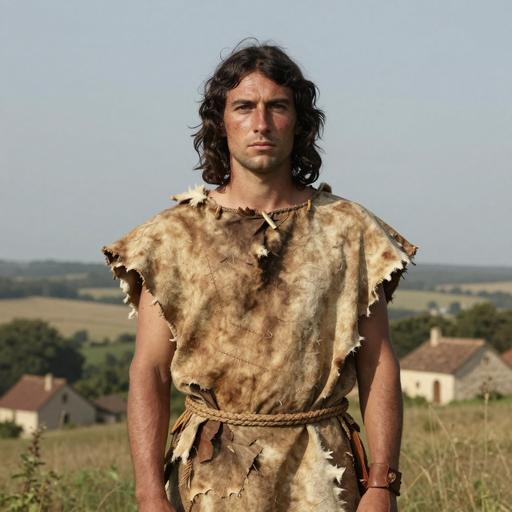
Portrait of ancient individual I19045 from United Kingdom, dated 388 BCE - 206 BCE
I19045
United Kingdom Middle Iron Age England 388 BCE - 206 BCE Middle Iron Age British G2a2b2a1a1b1a1a2a1a1 Downstream
Portrait of ancient individual IND001 from Germany, dated 400 CE - 800 CE
IND001
Germany Saxon Early Medieval Alt Inden, Germany 400 CE - 800 CE Saxon Culture G2a2b2a1a1b1a2a1a Downstream
Portrait of ancient individual IND008 from Germany, dated 400 CE - 800 CE
IND008
Germany Saxon Early Medieval Alt Inden, Germany 400 CE - 800 CE Saxon Culture G2a2b2a1a1b1a2a1a Downstream
Portrait of ancient individual I12772 from United Kingdom, dated 800 BCE - 43 CE
I12772
United Kingdom Iron Age England 800 BCE - 43 CE British Iron Age G2a2b2a1a1b Downstream
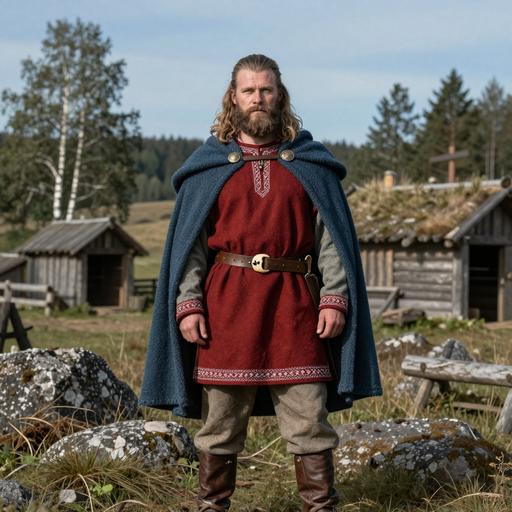
Portrait of ancient individual VK479 from Sweden, dated 900 CE - 1050 CE
VK479
Sweden Viking Age Sweden 900 CE - 1050 CE Viking G2a2b2a1a1b1a1a2a1a Downstream
Portrait of ancient individual VK39 from Sweden, dated 900 CE - 1200 CE
VK39
Sweden Viking Age Sweden 900 CE - 1200 CE Viking G2a2b2a1a1b1a Downstream
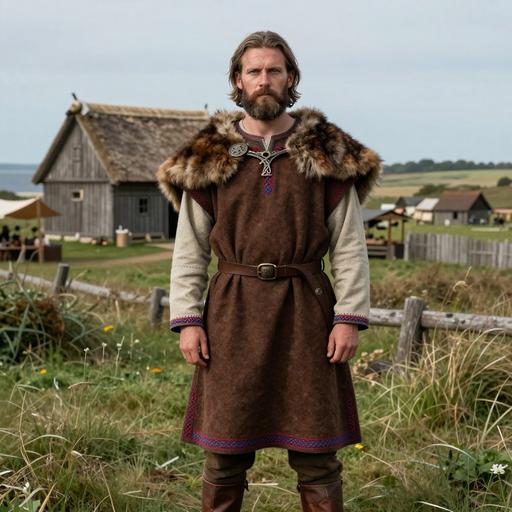
Portrait of ancient individual KPN011 from Denmark, dated 1000 CE - 1100 CE
KPN011
Denmark Saxon Medieval Zealand, Denmark 1000 CE - 1100 CE Zealand Saxon G2a2b2a1a1b1a Downstream
Chapter VI

Carrier Distribution Map

Geographic distribution of 30 ancient DNA samples (direct and subclade carriers of G2A2B2)

Subclade carrier
Time Period Filter
All Time Periods
Showing all samples
Chapter VII

Temporal Distribution

Distribution of carriers across archaeological periods

Chapter VIII

Geographic Distribution

Distribution by country of origin (direct and subclade carriers shown by default)

Chapter IX

Country × Era Distribution

Cross-tabulation of carrier countries and archaeological periods (direct and subclade carriers shown by default)

Data

Data & Provenance

Source information and data quality

Last Updated 2026-02-16
Confidence Score 50/100
Coverage Low
Data Source

We use the latest phylotree for YDNA haplogroup classification and data.