The Story
The journey of Y-DNA haplogroup I1A2
Origins and Evolution
Y-DNA haplogroup I1A2 is a downstream branch of I1A, itself a subclade of the major northern European paternal lineage I1. Because I1 is generally associated with post-LGM European continuity and expansion, I1A2 is most plausibly interpreted as a localized European sub-branch that formed after the main Ice Age refugial populations began re-expanding across northern Europe.
The best-supported interpretation is that I1A2 arose in Northern Europe during the early Holocene, likely within a population network extending across Scandinavia, the Baltic region, and nearby parts of central Europe. Its time depth is expected to be relatively shallow compared with the root of I1, reflecting diversification within a regional lineage rather than a deep separate macro-haplogroup.
Subclades
As an intermediate clade, I1A2 serves as a connecting node between its parent lineage and any more terminal branches that descend from it. In phylogenetic terms, this makes it useful for reconstructing local founder effects, lineage clustering, and regional expansions within northern European paternal history.
Because public high-resolution sampling for some intermediate I1 sub-branches remains uneven, detailed internal structure may vary across datasets. However, the evolutionary logic of the clade suggests that descendant lineages would be expected to show geographically clustered diversity, often centered in Scandinavia or adjacent regions, with later spread into the British Isles, the Baltic, and continental Europe.
Geographical Distribution
The present-day distribution of I1A2 is expected to be concentrated in northern and northwestern Europe, with secondary presence in central and eastern Europe due to historical migration, trade, and population movement. Like many subclades of I1, it may also be encountered at low to moderate frequencies in diaspora populations in the Americas and Oceania.
Its strongest associations are with populations that have experienced substantial northern European paternal input, especially:
- Scandinavians
- Germans and Austrians
- British and Irish populations
- Baltic populations
- East Slavic populations
- Balkan populations
- Central European populations
- diaspora communities in the Americas and Australia
Historical and Cultural Significance
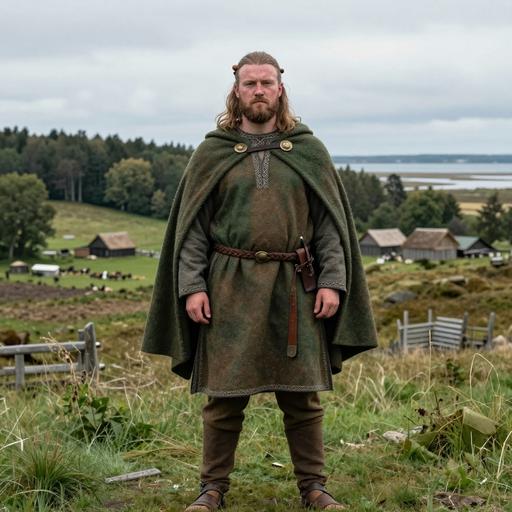
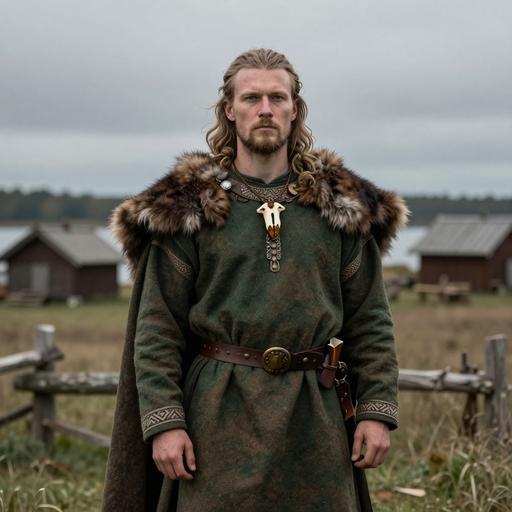
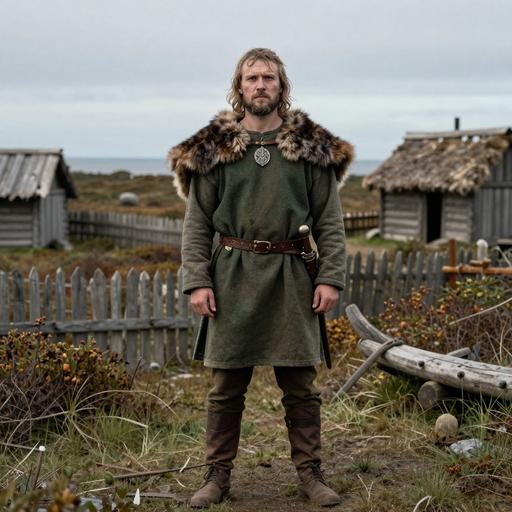
Haplogroup I1A2 should be interpreted within the broader context of post-glacial European population structure and later prehistoric expansions. Its parent lineage I1 is often associated with Mesolithic hunter-gatherer ancestry in northern Europe, though modern distribution reflects substantial mixing and later demographic change.
Potential cultural associations for I1A2 are therefore indirect rather than exclusive. It may be seen in contexts connected with:
- Mesolithic forager populations in northern Europe
- Neolithic and Chalcolithic population interactions in the North and Baltic zones
- Bronze Age and Iron Age expansion processes in Scandinavia and northern continental Europe
- later Germanic-era population movements that shaped the modern northern European genetic landscape
While no single archaeological culture can be definitively assigned to I1A2 without direct ancient DNA evidence for this exact subclade, its broader paternal context aligns most strongly with the northern European genetic continuum that later contributed to populations involved in Corded Ware, Nordic Bronze Age, and related descendant formations.
Relationship to Other Haplogroups
Within the paternal phylogeny, I1A2 is closely related to other I1-derived lineages and more broadly to haplogroups within I. In population context, it frequently appears alongside haplogroups that are common in Europe, including R1a, R1b, and other I subclades, reflecting shared regional demographic histories rather than direct biological association.
Conclusion
I1A2 is a northern European Y-DNA subclade representing a localized branch of I1, likely formed after the Last Glacial Maximum and carried through the demographic history of Scandinavia and nearby regions. Its distribution and significance are best understood as part of the deep paternal structure of post-glacial and historic northern Europe.
Key Points
- Origins and Evolution
- Subclades
- Geographical Distribution
- Historical and Cultural Significance
- Relationship to Other Haplogroups