The Story
The journey of Y-DNA haplogroup I2A1B1A2
Origins and Evolution
Y-DNA haplogroup I2a1b1a2 is a derived subclade within the broader I2 lineage, one of the major indigenous European Y-chromosome branches. Its deeper ancestry is associated with European hunter-gatherers, and its most plausible geographic root is postglacial southeastern Europe, where refugial populations persisted after the Last Glacial Maximum.
As a more specific branch under I2a1b1a, this lineage likely arose during the early Holocene, around 12 thousand years ago, although the exact age depends on the phylogenetic resolution of the tested markers and the discovery of additional downstream branches. Like related I2 subclades, its history probably includes a long period of regional persistence followed by later demographic expansions during the Neolithic, Bronze Age, and especially the early medieval period in parts of Eastern and Central Europe.
Subclades
I2a1b1a2 is an intermediate clade in the phylogenetic tree, meaning it sits between its parent lineage and more terminal branches. In practical terms, this makes it important for connecting broader macro-regional patterns of I2 diversity to more localized founder effects and historical expansions.
Because Y-DNA phylogenies are continually refined, the exact downstream structure may change as additional samples are sequenced. Nonetheless, the lineage is best understood as part of the I2a1b1a cluster, which is notable for its strong association with southeastern and eastern European paternal ancestry.
Geographical Distribution
This haplogroup is found at varying frequencies across the Balkans, Central Europe, Eastern Europe, and parts of Northern and Western Europe. It is especially consistent with populations that experienced substantial continuity from ancient European male lineages combined with later regional demographic events.
Common present-day contexts include:
- Balkan populations, where I2-related lineages are often relatively frequent
- East Slavic populations, reflecting later spread and founder effects
- Central European populations, including historical migration corridors
- Scandinavian populations, where some I2 branches occur at lower to moderate frequencies
- German and Austrian populations, as part of broader Central European paternal diversity
- British and Irish populations, usually at lower frequencies and often tied to historical gene flow
- Baltic populations, where eastern and northern European ancestry overlaps
- Diaspora populations in the Americas and Australia, carried by more recent migration
Historical and Cultural Significance
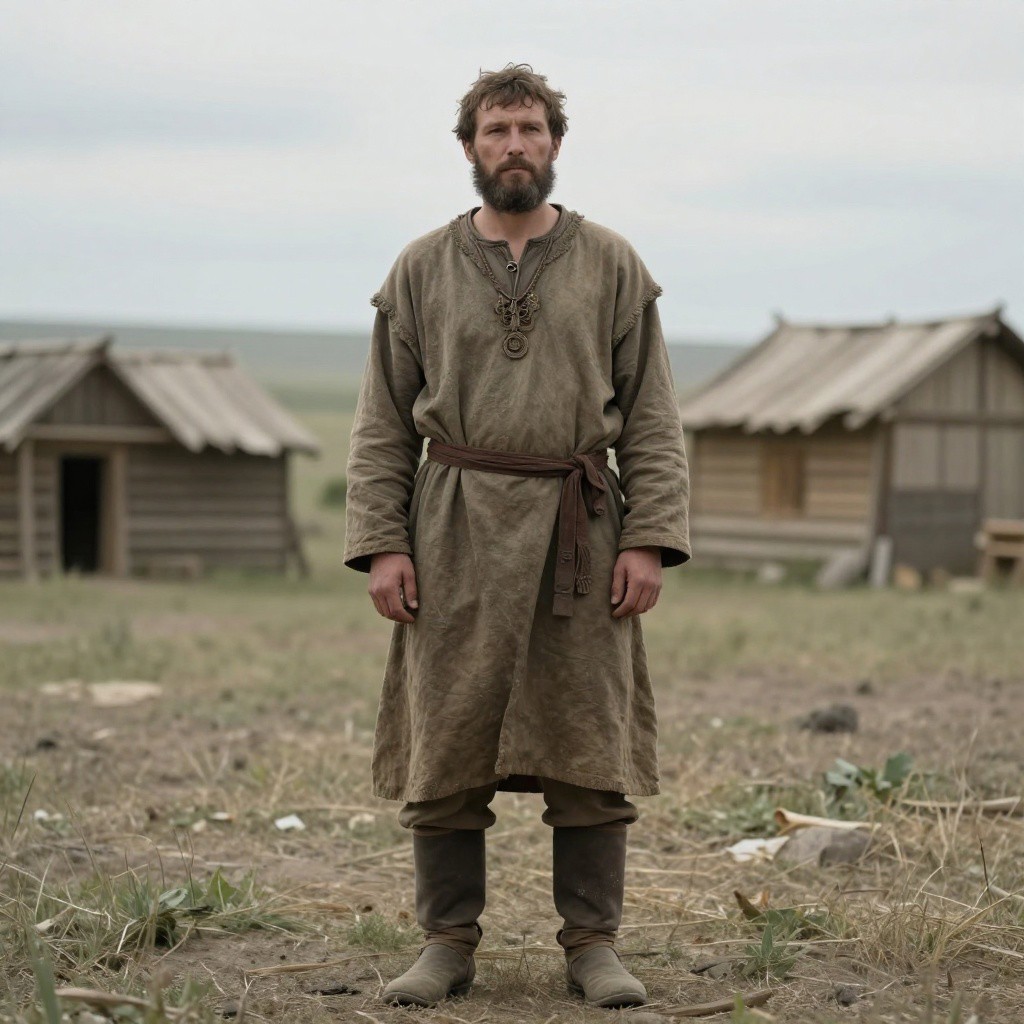
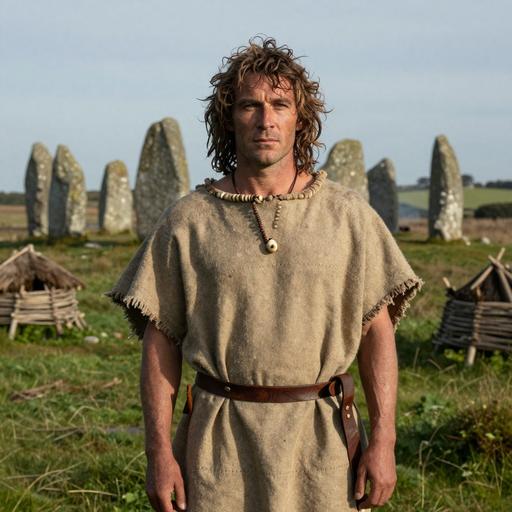
The broader I2 lineage is often interpreted as a genetic legacy of European Mesolithic hunter-gatherers, and this subclade likely preserves part of that deep regional ancestry. In southeastern Europe and the western Balkans especially, I2-derived lineages can be connected to long-term population continuity and later Slavic-era expansions, which reshaped paternal haplogroup frequencies across much of eastern and central Europe.
The archaeological correlates are indirect rather than exclusive: I2 lineages are not confined to a single material culture, but they are often discussed in relation to Mesolithic foragers, Neolithic farmer–hunter interactions, and later Bronze Age and Early Medieval demographic processes. In some regions, founder effects and local continuity likely played a major role in their present distribution.
Conclusion
Y-DNA haplogroup I2a1b1a2 represents a relatively deep and historically informative branch of the ancient I2 paternal tree. Its distribution points to a southeastern European origin with later spread across much of Europe, making it relevant for studies of postglacial continuity, population structure, and historical migrations in Europe.
Key Points
- Origins and Evolution
- Subclades
- Geographical Distribution
- Historical and Cultural Significance
- Conclusion