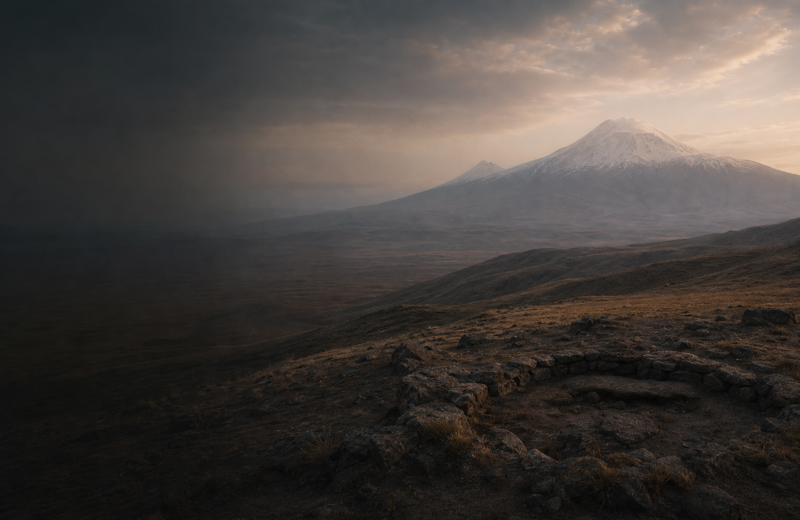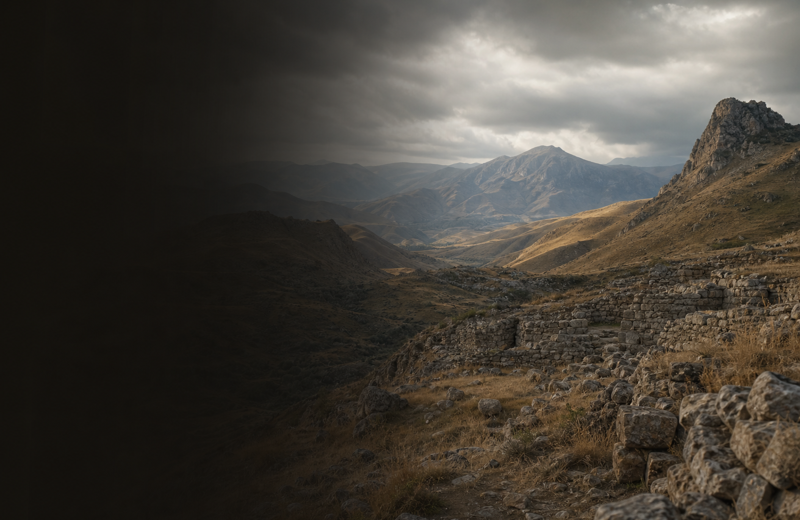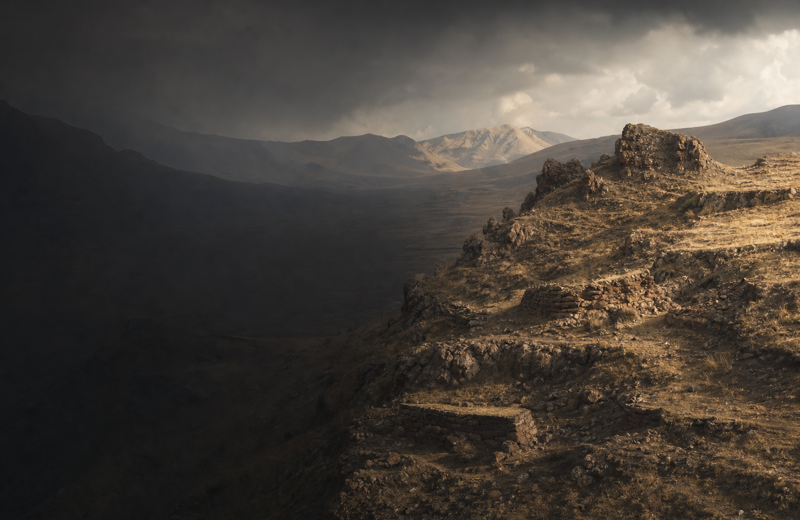
Armenia, Early Iron Age: Echoes in Stone
A vivid portrait of communities in Armenia (1150–420 BCE) seen through archaeology and ancient DNA
تعرّف على أماكن عينات الحمض النووي القديم وفتراتها والأبحاث المنشورة حولها، واستكشف الثقافات المرتبطة بها.
تصفّح المجموعةالنتائج من 85 إلى 96 من أصل 1,627
A vivid portrait of communities in Armenia (1150–420 BCE) seen through archaeology and ancient DNA
Human stories at the crossroads of empires, preserved in bones and genes.
Burials and genomes from Late Bronze Age Armenia (1439–805 BCE)
Three genomes from Aghitu offer a cautious glimpse into Armenia’s Hellenistic crossroads
Burials and DNA from 1124–197 BCE illuminate daily life and population threads in ancient Armenia
A single Neolithic voice from Masis Blur, Armenia (c.5633–5532 BCE)
Archaeology and DNA reveal a patchwork of local roots and incoming threads across 2127–1211 BCE
Archaeology and DNA from the necropolis of Karmir Blur illuminate the Urartian heartland
Ancient coastal lifeways and genetic echoes before European contact
Burials from Lchashen (1420–1150 BCE) that link archaeology with maternal DNA patterns
Pre‑European peoples of New South Wales revealed through archaeology and ancient mtDNA
Maritime lifeways of Aboriginal Queenslanders seen through shells, shores and four ancient genomes