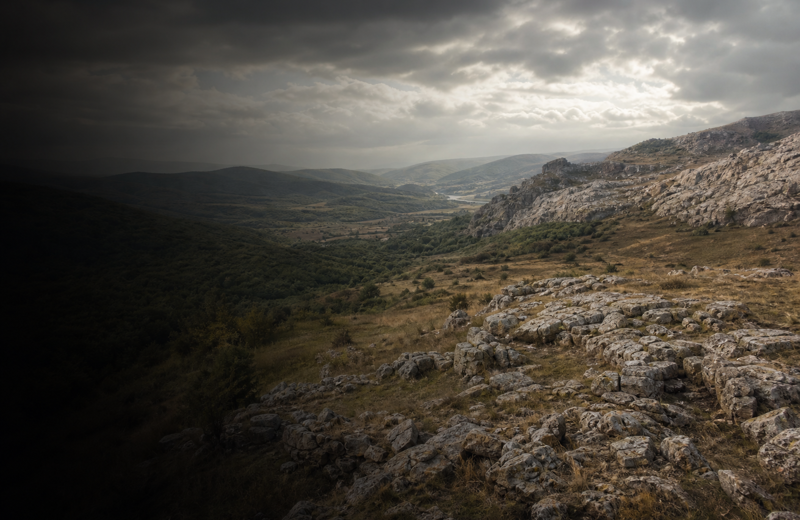
Iberian Neolithic: Farmers of the Atlantic Edge
4700–2500 BCE Spain: caves, tombs and DNA illuminate the first farming communities
تعرّف على أماكن عينات الحمض النووي القديم وفتراتها والأبحاث المنشورة حولها، واستكشف الثقافات المرتبطة بها.
تصفّح المجموعةالنتائج من 1 إلى 12 من أصل 74
4700–2500 BCE Spain: caves, tombs and DNA illuminate the first farming communities
Two skeletons from the Korça Basin yield early DNA glimpses into post‑Medieval Albania
Wind-swept mariners of Tierra del Fuego, glimpsed through shells, bones, and DNA
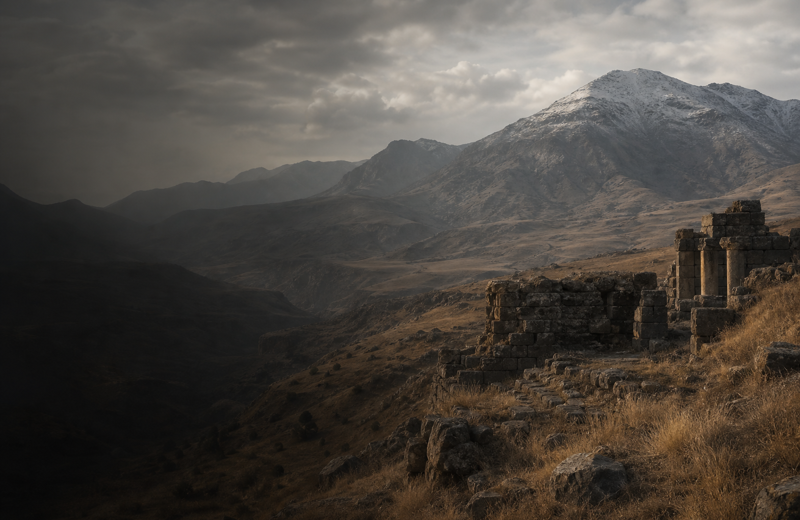
Three genomes from Aghitu offer a cautious glimpse into Armenia’s Hellenistic crossroads
Neolithic farmers along the Danube (5500–4500 BCE) where archaeology meets ancient genomes
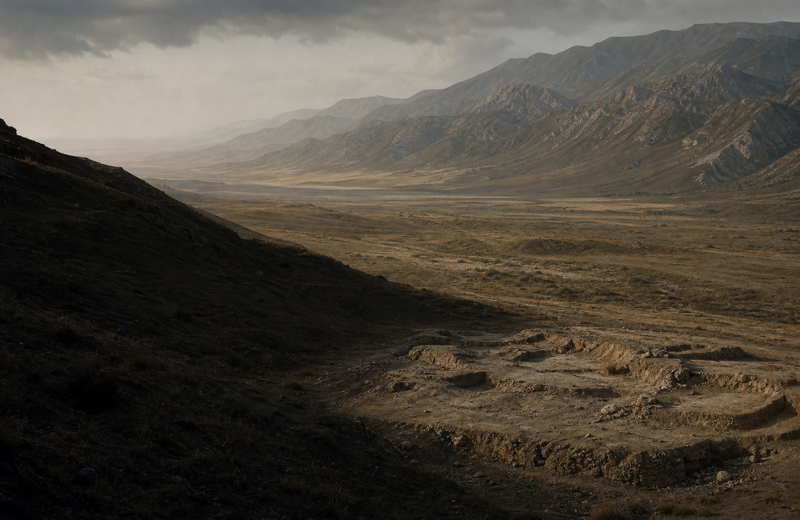
Two maternal lineages glimpsed at Zeyem Chaj and Polutepe (5730–5375 BCE)
Two ancient voices from Mayahak Cab Pek hint at deep maternal ties across early Mesoamerica
A lone genome from 700–1090 CE offering a glimpse of southern African maternal heritage
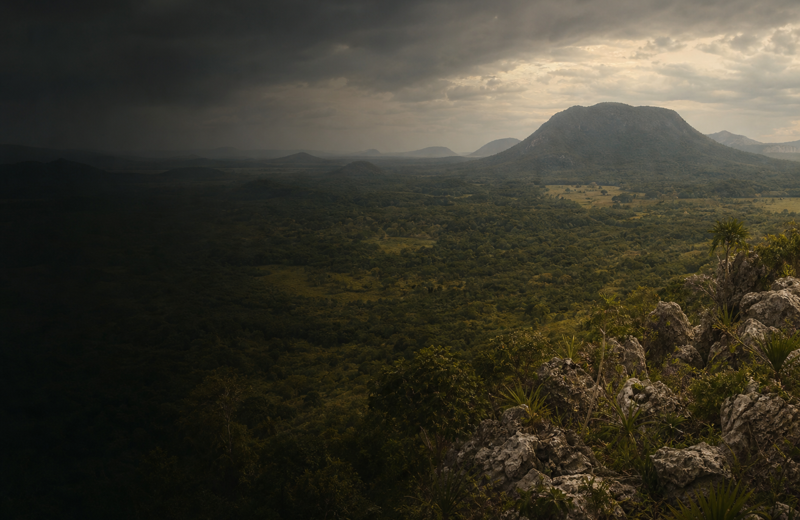
Ancient hunter-gatherers of Lagoa Santa, Brazil — bones, caves, and DNA
A single Neolithic genome from Krepost links a Balkan burial to mtDNA lineage H5 — preliminary but evocative.
Archaeology and ancient DNA from New South Wales that hint at deep maternal continuity
Five ancient genomes from Akapana (773–1047 CE) link monumental ritual to Andean genetic lineages.