The Story
The journey of mtDNA haplogroup A8A1
Origins and Evolution
mtDNA haplogroup A8A1 is a subclade of A8A and therefore sits within the broader A8 branch, a lineage associated with northeastern Eurasia. Based on phylogenetic position relative to A8A (commonly dated to the early Holocene in Siberia) and available ancient DNA evidence, A8A1 most likely diversified in Siberia/Northeast Asia during the early Holocene (~10 kya). Its emergence is consistent with post-Last Glacial Maximum (post-LGM) population re-expansions and local continuity among hunter‑gatherer groups around the Lake Baikal region and adjacent steppe and tundra zones.
Subclades (if applicable)
A8A1 is defined by derived mutations downstream of A8A. Within some sequencing datasets A8A1 shows limited internal diversity (a few minor sublineages identified in modern and ancient samples), but the clade is not as deeply subdivided or as widely sampled as major pan-Eurasian haplogroups. Additional high-coverage mitogenomes from Siberian archaeological contexts could reveal finer substructure (for example A8A1a/A8A1b in future studies), but currently the lineage is treated as a relatively discrete early-Holocene branch with localized persistence.
Geographical Distribution
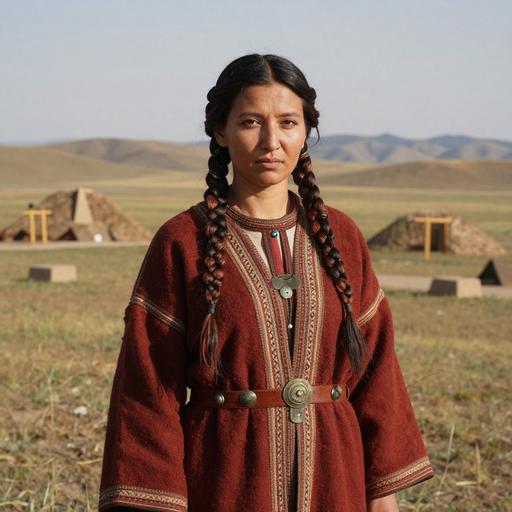
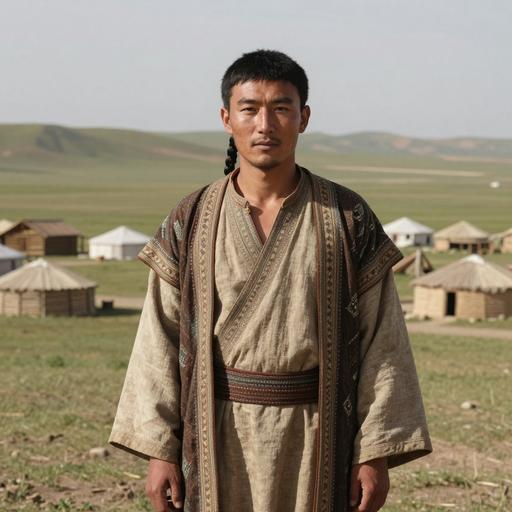
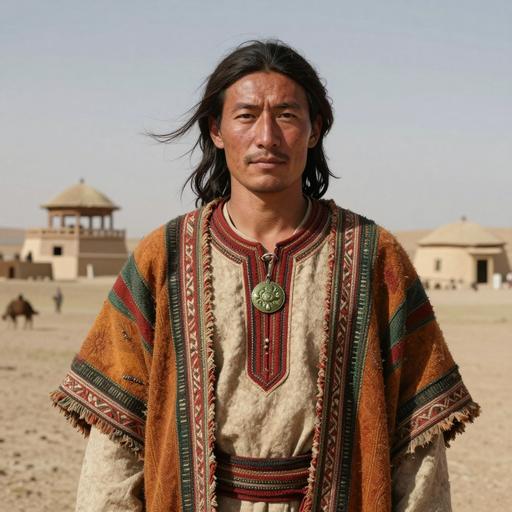
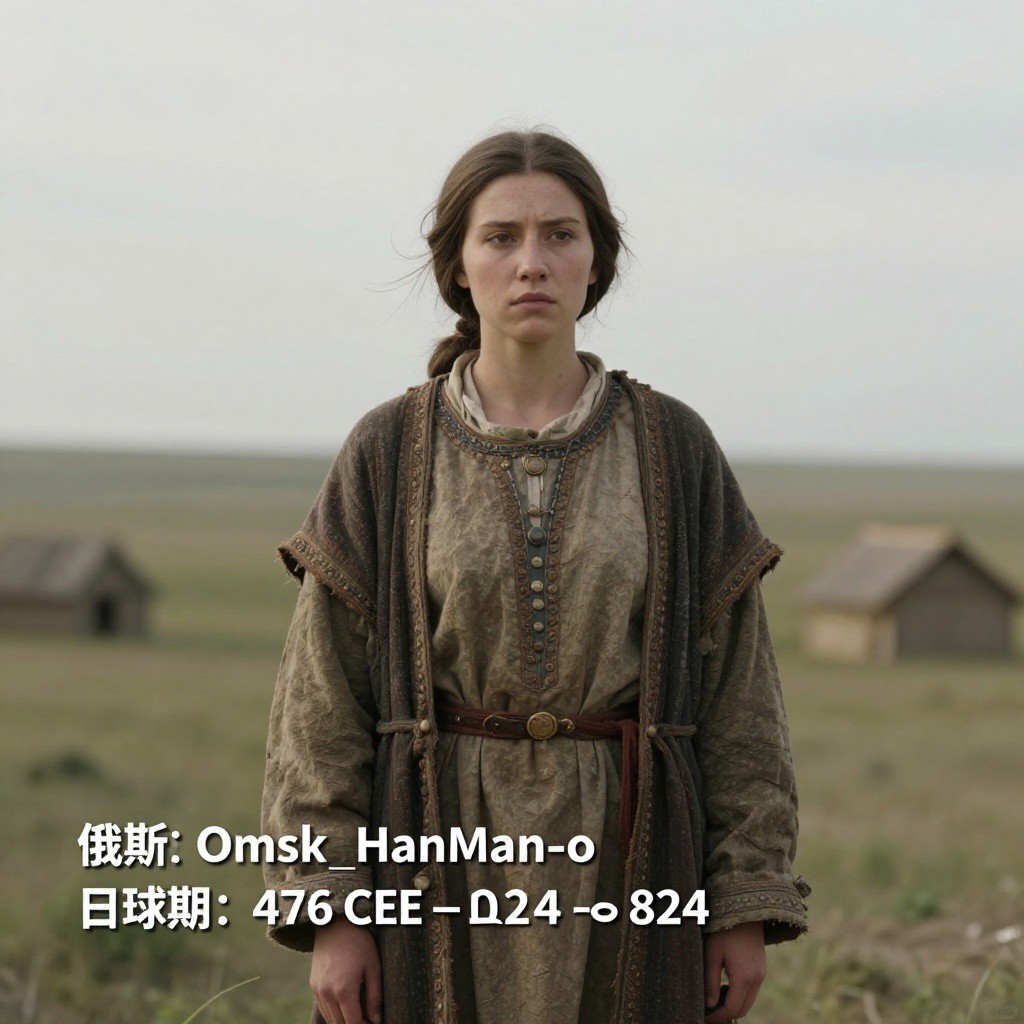
A8A1 is primarily a Northeastern Eurasian maternal marker. It is observed at its highest frequency among indigenous Siberian populations (Evenks, Evens and related Tungusic groups) and in northeastern Turkic-speaking Yakut communities. The lineage is also recorded among Baikal-region peoples (e.g., Buryats), at low frequencies in northern Chinese and Mongolian populations, and sporadically in some Central Asian groups. Importantly, A8A1 is present in a number of ancient individuals (28 samples in the referenced database), particularly from Lake Baikal Neolithic/Bronze Age series and nearby steppe contexts, which supports continuity in the Baikal and adjacent Siberian zones across the Holocene.
Historical and Cultural Significance
The persistence of A8A1 in both ancient and modern samples indicates maternal continuity through major cultural transitions in northeastern Eurasia. The haplogroup appears in Neolithic and Bronze Age contexts around Lake Baikal and in subsequent Bronze Age cultural assemblages (e.g., Okunevo-related and other regional steppe groups). While A8A1 is not tied to a single archaeological complex across all of Siberia, its presence in ancient hunter-gatherers and later populations suggests local survival and integration into groups associated with foraging, early regional sedentism, and later Bronze Age cultural networks.
Conclusion
A8A1 is a regionally informative mtDNA lineage that highlights deep Holocene maternal continuity in Siberia and northeastern Eurasia. It is best understood as a post-LGM, early-Holocene offshoot of A8A that remained geographically concentrated around Lake Baikal and neighbouring northern Eurasian landscapes, appearing at low to moderate frequencies in several modern indigenous groups and repeatedly in ancient DNA from the region. Further dense mitogenome sampling across Siberia and northern East Asia will help clarify internal substructure and finer demographic history of this lineage.
Key Points
- Origins and Evolution
- Subclades (if applicable)
- Geographical Distribution
- Historical and Cultural Significance
- Conclusion