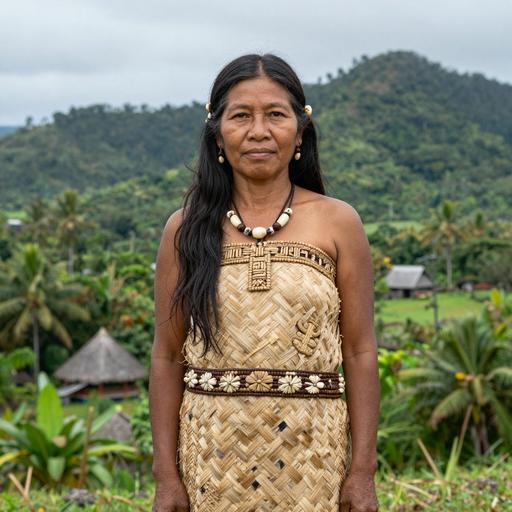
The Story
The journey of mtDNA haplogroup B4B1
Origins and Evolution
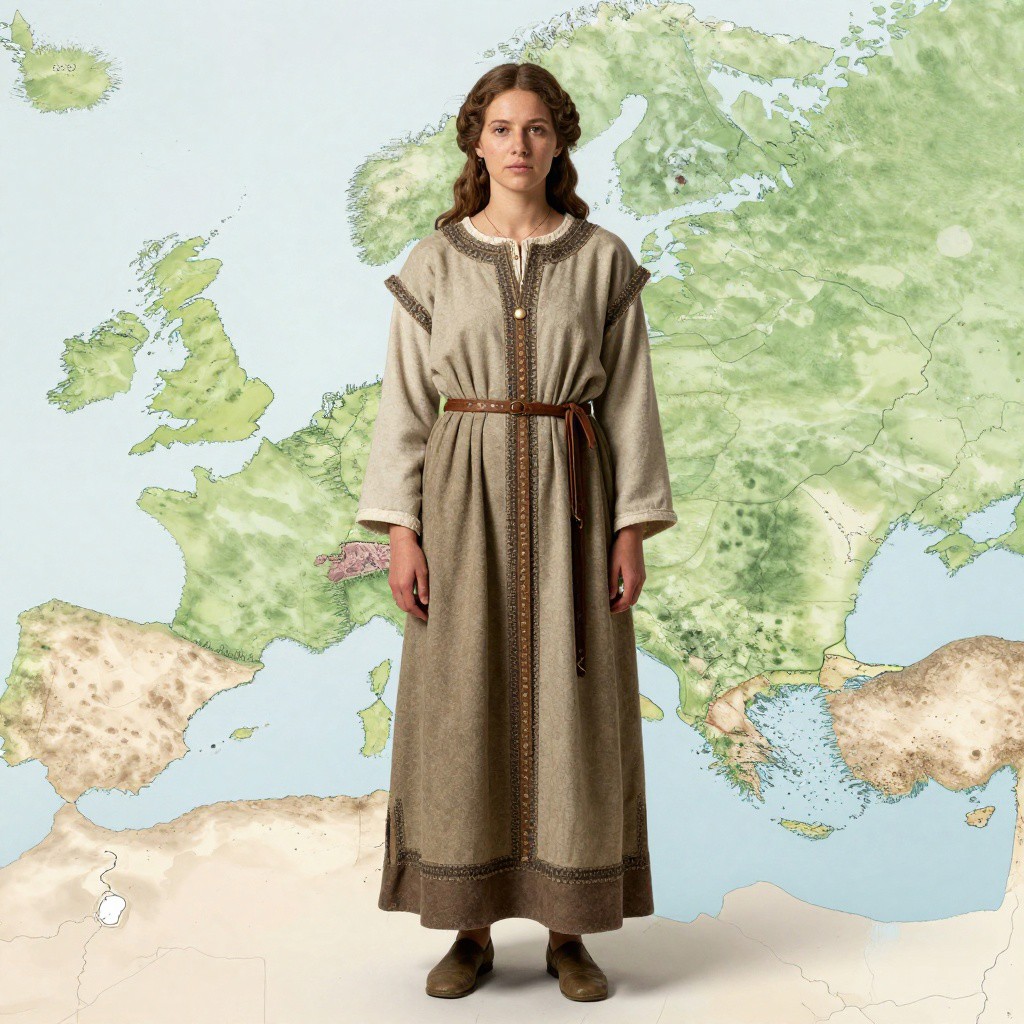
Haplogroup B4B is an intermediate subclade of the broader B4 lineage, which itself is a major maternal lineage of East and Southeast Asia. Based on phylogeographic patterns and coalescence estimates for related B4 subclades, B4B most likely originated in coastal or near-coastal East/Southeast Asia in the Late Pleistocene to early Holocene (around ~18 kya). The lineage shows the classic pattern of a regional maternal haplogroup that persisted locally through the Holocene and later became incorporated into maritime expansions.
Subclades (if applicable)
B4B functions as an intermediate branch within B4; it connects the older B4 root to more derived daughter lineages found in island Southeast Asia and Near Oceania. Some downstream lineages (population-specific B4 sublineages) may have arisen within island contexts where founder effects and drift shaped their modern distributions. Unlike the well-known Polynesian B4a1a motif, B4B and its immediate derivatives are more typically associated with coastal and island populations of Island Southeast Asia and adjacent Near Oceania rather than the classic Polynesian expansion motif.
Geographical Distribution
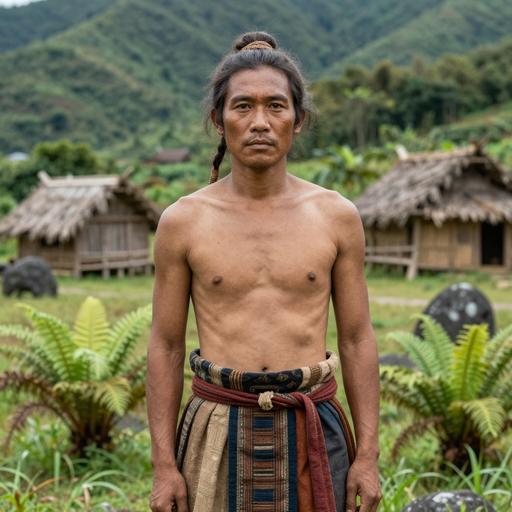
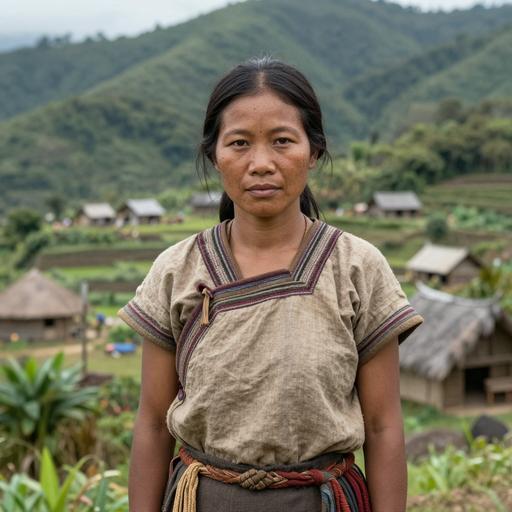
B4B is found across a swath of East and Southeast Asia and extends into parts of Near Oceania where Austronesian and pre-Austronesian contacts occurred. Frequencies are generally highest in Island Southeast Asian populations and among some Austronesian-speaking groups, with lower but detectable frequencies in mainland East Asian populations (e.g., Han Chinese, Koreans, Japanese) and in coastal Near Oceanic contact zones. Its presence in indigenous Taiwanese and many Austronesian-speaking communities supports a maritime, coastal-biased distribution and involvement in Holocene seafaring dispersals.
Historical and Cultural Significance
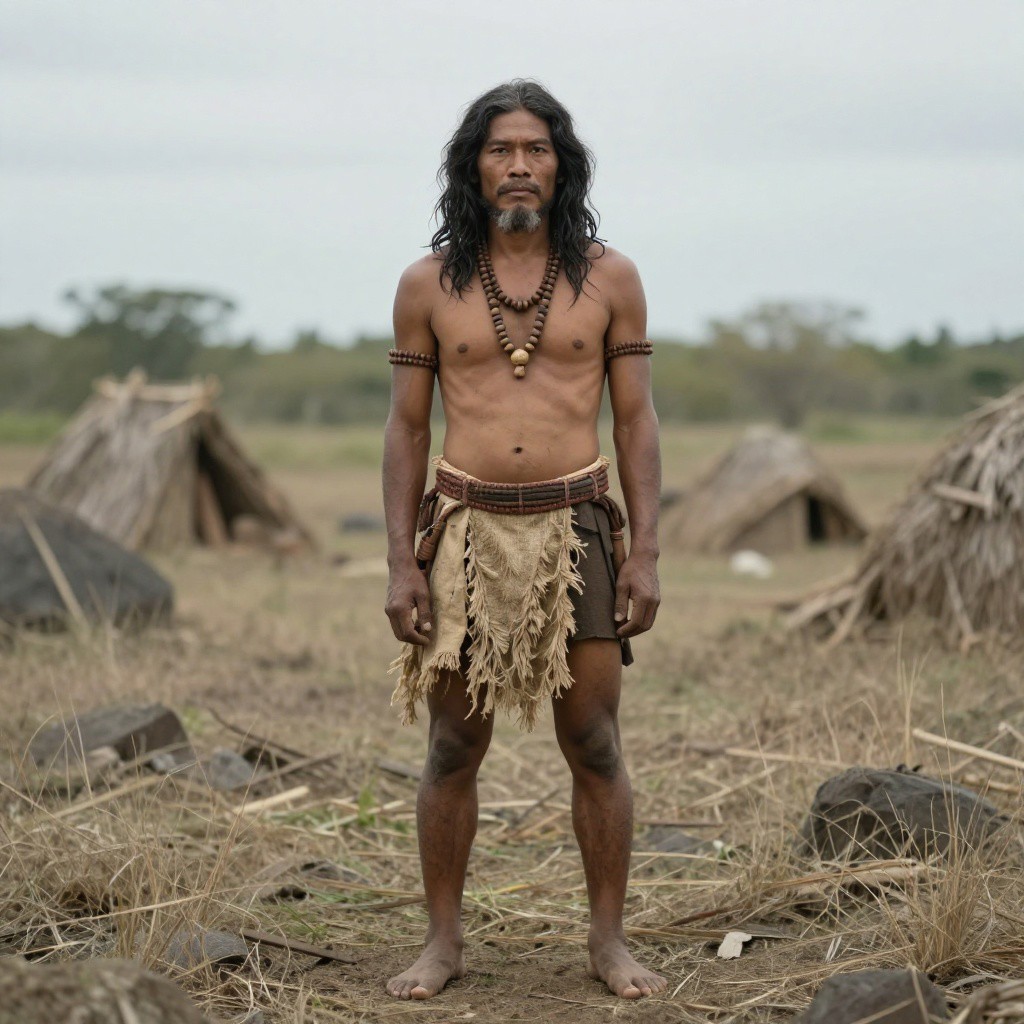
B4B is informative for studies of prehistoric coastal foraging communities and the later seafaring expansions that shaped the peopling of island Southeast Asia and parts of Oceania. While it predates the Austronesian expansion, B4B lineages were incorporated into Austronesian-speaking populations and contributed maternally to the genetic makeup of island communities. In Near Oceania, the haplogroup appears at low to moderate frequencies in regions and populations that experienced admixture between incoming Austronesian groups and indigenous Melanesian peoples (for example, in some coastal Melanesian and Micronesian groups). Thus, B4B serves as a marker of both deep regional continuity and Holocene maritime connectivity.
Conclusion
mtDNA B4B represents a regional maternal branch of B4 rooted in East and Southeast Asia during the Late Pleistocene–early Holocene. Its modern distribution — concentrated in Island Southeast Asia, indigenous Taiwanese, some Austronesian-speaking Pacific groups, and coastal East Asian populations — highlights the role of coastal refugia, local differentiation, and later maritime dispersals (including Austronesian movements) in shaping maternal genetic diversity across the western Pacific and adjacent Asian coasts.
Key Points
- Origins and Evolution
- Subclades (if applicable)
- Geographical Distribution
- Historical and Cultural Significance
- Conclusion