The Story
The journey of mtDNA haplogroup B4B
Origins and Evolution
Haplogroup B4B sits as a subclade within mtDNA haplogroup B4, itself a descendant of macro-haplogroup B (a branch of R). Haplogroup B likely arose in East Asia during the Late Pleistocene, and many B4 sublineages diversified during the Late Glacial and early Holocene. As an intermediate clade, B4B represents a branching event in the B4 phylogeny that likely dates to the Last Glacial Maximum or the early post-glacial period (a plausible estimate around ~15 kya), although direct molecular-clock estimates for B4B require targeted whole-mitochondrial sequencing and calibration.
Because B4B is an intermediate and relatively understudied designation in public phylogenies (often reported as part of larger composite labels in databases), its precise defining mutations, age, and internal structure remain incompletely resolved. The best-supported inference from the phylogenetic position is that B4B predates or is contemporaneous with regional Holocene demographic events that shaped East and Southeast Asian maternal diversity.
Subclades (if applicable)
As currently represented in reference trees, B4B may encompass or be ancestral to more derived local lineages that require further characterization. In many mtDNA phylogenies, intermediate nodes such as B4B are observed because sampled complete mitogenomes reveal branching order not apparent from control-region data alone. Where complete mitogenomes have been reported, B4 sublineages (including B4a, B4b, B4c, etc.) show regional specificity; B4B likely behaves similarly, splitting into geographically restricted daughter clades detectable only after denser sequencing of East and Southeast Asian populations.
Geographical Distribution
Based on the broader distribution of haplogroup B4 and published population genetics studies of related subclades, B4B is most plausibly concentrated in East Asia and Mainland/Southeast Asia, with occasional representation among Austronesian-associated island populations. Frequencies are expected to be low to moderate and patchy, reflecting localized maternal lineages rather than continent-wide prevalence. Reported occurrences of nearby B4 subclades in southern China, Taiwan (indigenous groups), the Philippines, and parts of Island Southeast Asia suggest probable hotspots for sampling B4B.
Historical and Cultural Significance
While B4B itself has not been robustly tied to specific archaeological cultures in the way some Y-DNA or well-sampled mtDNA lineages have, reasonable inferences can be made from the distribution of parent and sibling clades:
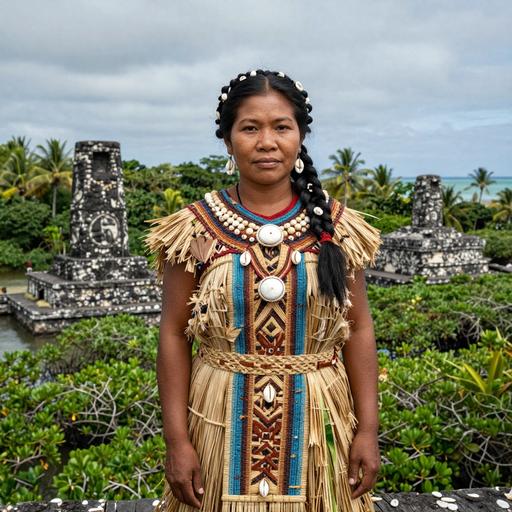
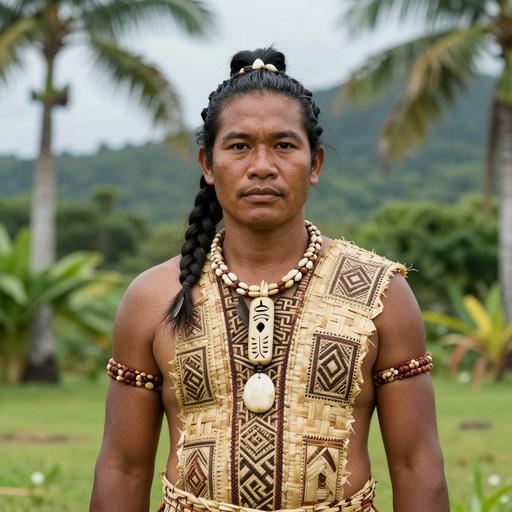
- Austronesian expansion (Holocene, ~4–5 kya): several B4 subclades were carried into Island Southeast Asia and Oceania with Austronesian-speaking populations; B4B could represent either a pre-expansion lineage in mainland or insular East Asia or a lineage that contributed to these dispersals at low frequency.
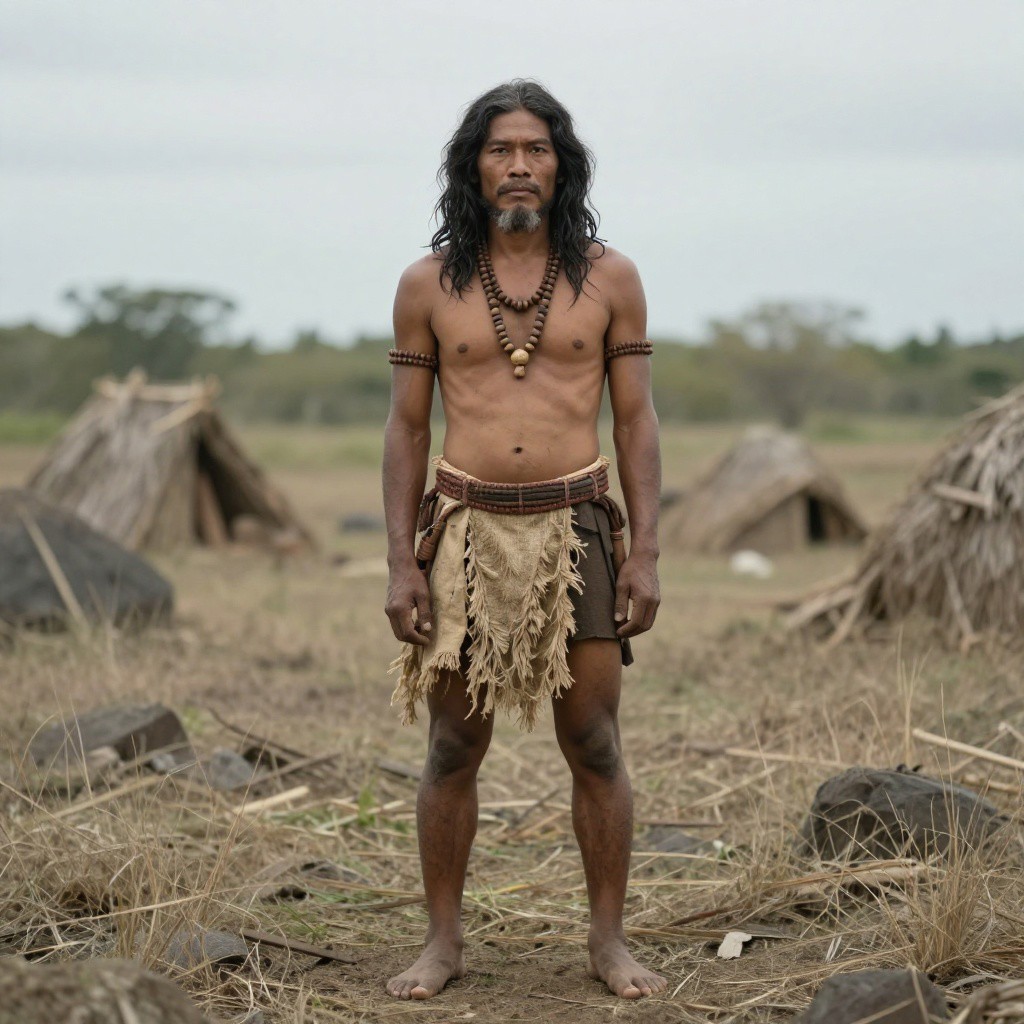
- Jomon and pre-Neolithic East Asian hunter-gatherers: some B4 derivatives appear in Japanese prehistoric contexts; if B4B or close relatives are found in ancient samples, they can inform on continuity or admixture between Jomon and later arrivals.
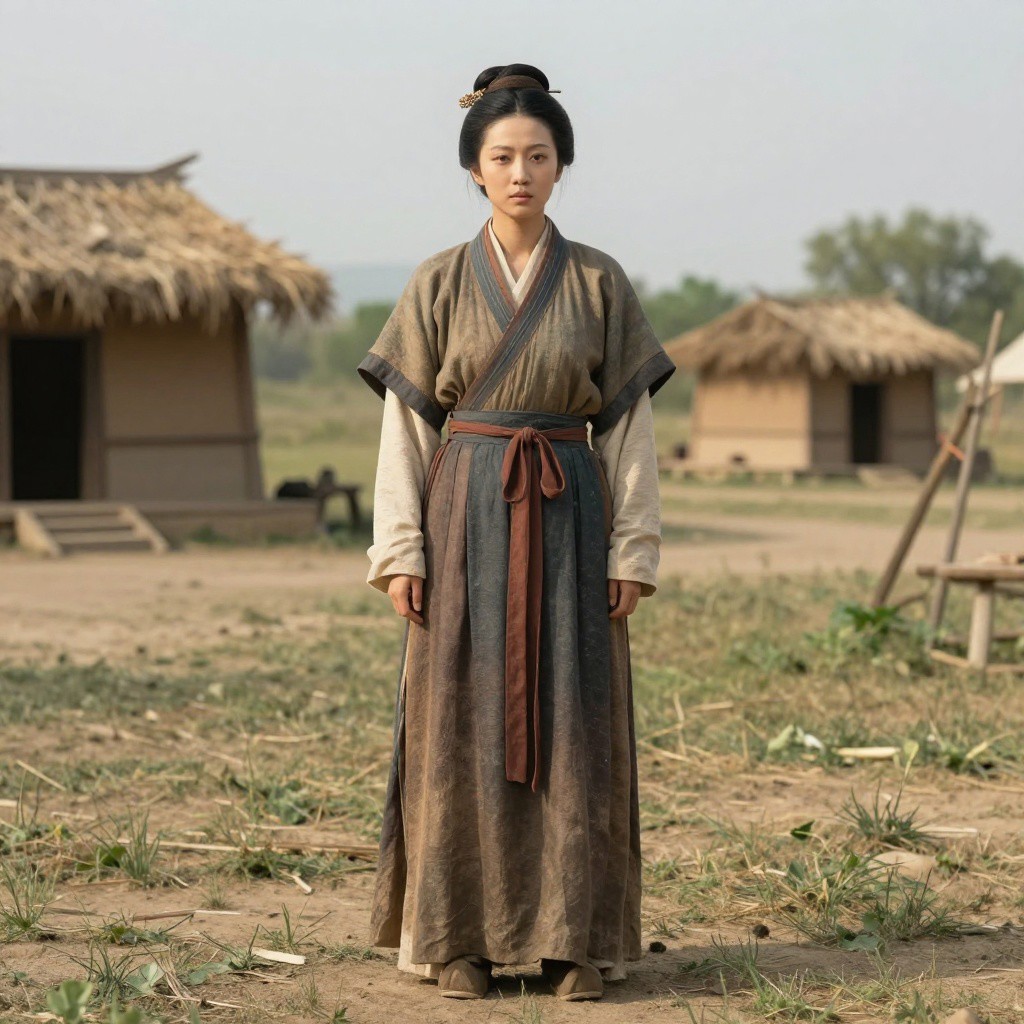
- Neolithic farmer expansions in Southeast Asia: the spread of agriculture and associated demography during the Holocene reshaped maternal gene pools; intermediate clades like B4B may reflect surviving lineages from early Holocene populations or localized founder effects.
Overall, the cultural importance of B4B will become clearer as more ancient and modern complete-mitogenome data are published from targeted regions.
Conclusion
B4B is a phylogenetically informative, but currently understudied, intermediate branch of the B4 maternal lineage. Its likely origin in East to Southeast Asia during the late Pleistocene–early Holocene places it within the time frame of major regional demographic changes (post-glacial recolonization, the Neolithic transition, and later Austronesian dispersals). Definitive statements about its age, distribution, and substructure require expanded sampling and high-quality complete mitogenome sequencing in East and Southeast Asian and Pacific populations.
Key Points
- Origins and Evolution
- Subclades (if applicable)
- Geographical Distribution
- Historical and Cultural Significance
- Conclusion