Menu
mtDNA Haplogroup • Maternal Lineage

K1B2C

mtDNA Haplogroup K1B2C

~8,000 years ago
Near East / Anatolia
0 subclades
3 ancient samples
Scroll to explore
Chapter I

The Story

The journey of mtDNA haplogroup K1B2C

Origins and Evolution

mtDNA haplogroup K1B2C sits within the K1B2 branch of haplogroup K, a lineage that itself derives from K1 and ultimately from haplogroup U/K which diversified after the Last Glacial Maximum. Given the established age and geographic origin of K1B2 in the Near East/Anatolia in the early Holocene (~9.5 kya), K1B2C is plausibly a slightly later offshoot that emerged there as part of the demographic processes associated with early farming communities. The time estimate (approximately 8–9 kya) places its origin in the early Neolithic expansion window when Anatolian and Levantine lineages spread into the Aegean and Europe.

Subclades

At present, K1B2C is a relatively deep but low-frequency subclade with limited documented downstream diversity in public and research databases. Where downstream private mutations are observed, they tend to appear in single families or isolated populations, consistent with founder effects and genetic drift in small Neolithic-derived communities and later founder events (for example, in some Jewish and island populations). More comprehensive mitogenome sampling could reveal additional internal structure, but currently K1B2C has no widely recognized, well-differentiated subclades published in large-scale phylogenies.

Geographical Distribution

K1B2C shows a geographic pattern consistent with a Near Eastern origin and subsequent spread into the Mediterranean and parts of Europe. Modern occurrences are concentrated in the eastern Mediterranean and southern Europe, with lower-frequency detections in central and northern Europe. The haplogroup is also reported in some Jewish communities where founder events and endogamy have elevated frequencies of particular maternal lineages. Limited occurrences along North African coasts and in the Caucasus reflect historical gene flow between the Near East and neighboring regions.

Historical and Cultural Significance

The distribution and timing of K1B2C align it closely with early Neolithic farmer migrations that carried Near Eastern maternal lineages into southeastern and central Europe (for example, associated with Cardial/Impressed Ware coastal expansions and the inland Linearbandkeramik - LBK - dispersal). Where K1B2C appears in Jewish communities, its presence likely reflects the incorporation of local Near Eastern maternal lineages into community founders and subsequent drift. Later cultural transformations (Bronze Age movements, Mediterranean trade, and historic migrations) redistributed low-frequency lineages like K1B2C across wider geographic ranges but did not generally produce the high regional frequencies seen for some other maternal haplogroups.

Conclusion

K1B2C is best interpreted as a Near Eastern/Anatolian-derived maternal lineage that participated in the Neolithic expansion into the Mediterranean and Europe and has been maintained at low to moderate frequencies by founder effects, isolated populations, and later admixture. Its limited representation in ancient DNA so far means its precise prehistoric dynamics are still being refined; targeted mitogenome sequencing in Near Eastern, Mediterranean island, and early Neolithic archaeological contexts would clarify its substructure and migration history.

Key Points

  • Origins and Evolution
  • Subclades
  • Geographical Distribution
  • Historical and Cultural Significance
  • Conclusion
Chapter II

Tree & Relationships

Phylogenetic context and subclades

Evolution Path

This haplogroup's evolutionary journey from its earliest ancestor to the present.

Steps Haplogroup Age Estimate Archaeology Era Time Passed Immediate Descendants Tested Modern Descendants Ancient Connections
1 K1B2C Current ~8,000 years ago 🌾 Neolithic 8,500 years 0 0 3
2 K1B2 ~10,000 years ago 🌾 Neolithic 9,500 years 3 28 0
3 K1B ~10,000 years ago 🌾 Neolithic 10,500 years 2 66 9
4 K1 ~13,000 years ago 🏹 Mesolithic 13,000 years 8 1,072 116
5 K ~16,000 years ago 🏹 Mesolithic 16,000 years 7 1,393 55

Subclades (0)

Terminal branch - no known subclades

Siblings (2)

Other branches from the same parent haplogroup

Chapter III

Where in the World

Geographic distribution and modern presence

Place of Origin

Near East / Anatolia

Modern Distribution

The populations where mtDNA haplogroup K1B2C is found include:

  1. Ashkenazi Jewish communities
  2. Anatolian (modern Turkey) populations
  3. European Early Neolithic farmer-descended populations (e.g., LBK descendants in Central Europe)
  4. Southern European populations (Iberia, Italy, Greece)
  5. Western and Northern European populations (British Isles, Scandinavia) at moderate to low frequencies
  6. Caucasus populations (Armenians, Georgians)
  7. North African coastal groups with Near Eastern admixture
  8. Iranian and Levantine populations
  9. Island and isolated Mediterranean populations (e.g., Sardinia and other islands)
  10. Low-frequency occurrences in parts of Central Asia from west–east contacts
CHAPTER IV

When in Time

Your haplogroup in the context of human history

~10k years ago

Neolithic Revolution

Agriculture begins, settled communities form

~8k years ago

Haplogroup K1B2C

Your mtDNA haplogroup emerged in Near East / Anatolia

Near East / Anatolia
~5k years ago

Bronze Age

Metalworking, writing, and early civilizations

~3k years ago

Iron Age

Iron tools, expanded trade networks

~2k years ago

Classical Antiquity

Greek and Roman civilizations flourish

Present

Present Day

Modern era

Your Haplogroup
Historical Era
Chapter IV-B

Linked Cultures

Ancient cultures associated with mtDNA haplogroup K1B2C

Cultural Heritage

These ancient cultures have been linked to haplogroup K1B2C based on matching ancient DNA samples from archaeological excavations. The presence of this haplogroup in these cultures provides insights into the migrations and population movements of populations carrying this haplogroup.

Afanasievo Bell Beaker Corded Ware Iron Gates Kazakh Eneolithic Lithuanian Late Neolithic Lyalovo Culture Unetice Unetice Culture
Culture assignments are based on archaeological context of ancient DNA samples and may represent regional associations during specific time periods.
Chapter V

Sample Catalog

3 direct carriers of haplogroup K1B2C

3 / 3 samples
Portrait Sample Country Era Date Culture mtDNA Match
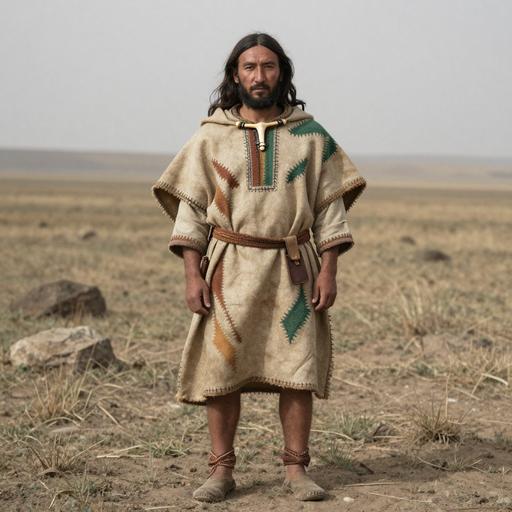
Portrait of ancient individual BOT14 from Kazakhstan, dated 3517 BCE - 3111 BCE
BOT14
Kazakhstan Eneolithic Kazakhstan 3517 BCE - 3111 BCE Kazakh Eneolithic K1b2c Direct
Portrait of ancient individual BOT14 from Kazakhstan, dated 3517 BCE - 3111 BCE
BOT14
Kazakhstan The Botai Culture 3517 BCE - 3111 BCE K1b2c Direct
Portrait of ancient individual BOT14 from Kazakhstan, dated 3517 BCE - 3111 BCE
BOT14
Kazakhstan The Botai Culture 3517 BCE - 3111 BCE K1b2c Direct
Chapter VI

Carrier Distribution Map

Geographic distribution of 3 ancient DNA samples (direct and subclade carriers of K1B2C)

Direct carrier
Time Period Filter
All Time Periods
Showing all samples
Chapter VII

Temporal Distribution

Distribution of carriers across archaeological periods

Chapter VIII

Geographic Distribution

Distribution by country of origin (direct and subclade carriers shown by default)

Chapter IX

Country × Era Distribution

Cross-tabulation of carrier countries and archaeological periods (direct and subclade carriers shown by default)

Data

Data & Provenance

Source information and data quality

Last Updated 2026-02-16
Confidence Score 50/100
Coverage Low
Data Source

We use the latest phylotree for MTDNA haplogroup classification and data.