Menu
mtDNA Haplogroup • Maternal Lineage

K1C2

mtDNA Haplogroup K1C2

~7,000 years ago
Near East / Anatolia
0 subclades
Scroll to explore
Chapter I

The Story

The journey of mtDNA haplogroup K1C2

Origins and Evolution

mtDNA haplogroup K1C2 is a downstream branch of K1c, itself a daughter clade of haplogroup K (which derives from the broader U8b'K lineage). The parent clade K1c likely formed in the Near East/Anatolia in the early Holocene (around ~9 kya) and was carried westward with the spread of farming. K1C2 probably arose shortly after K1c in the same broad region or along early Neolithic dispersal routes, giving it an estimated coalescence in the early to mid-Neolithic (here estimated around ~7 kya). Like other K sublineages, K1C2 is defined by a set of diagnostic control-region and coding-region mutations that distinguish it from sister clades within K1.

Subclades

K1C2 can itself be subdivided in some high-resolution phylogenies and sequencing datasets into further sublineages (for example, K1C2a and other minor branches reported in targeted surveys and full mitogenomes). The exact number and naming of these downstream subclades depends on the density of mitogenome sequencing in relevant populations; some lineages are rare and only resolved by whole-mitochondrial-genome data. Many reported downstream variants are geographically sparse, consistent with local founder events or drift.

Geographical Distribution

The modern distribution of K1C2 mirrors the Neolithic diffusion routes from Anatolia into Europe. It is observed at low-to-moderate frequencies in parts of southern Europe (Iberia, Italy, Greece) and at lower frequencies across western, central and northern Europe where Neolithic farmer ancestry persisted. K1C2 is also detected in populations of the Near East (Anatolia, the Levant, Iran) and in some Caucasus groups. Small occurrences in North African coastal populations and isolated Mediterranean island groups (e.g., Sardinia and other islands) likely reflect historic Near Eastern gene flow and localized founder effects. In a number of studies sequences matching K1C2 have also been reported in Ashkenazi Jewish samples at low frequency, consistent with known Near Eastern and European maternal contributions to Jewish communities.

Ancient DNA finds of K1c-lineages (including K1C2 or closely related branches) in Early Neolithic farming contexts — for example in Anatolian and early European farmer-associated burials — support a Neolithic-era spread. The haplogroup is less common in Paleolithic hunter-gatherer remains and is therefore generally interpreted as part of the maternal signature of incoming early farmers.

Historical and Cultural Significance

Because K1C2 is tied to the broader K1c clade, its principal demographic role appears to be associated with the Neolithic agricultural expansion from Anatolia into Europe. Where present, it contributes to the maternal ancestry component characteristic of early farmers (often alongside haplogroups such as H, J, T2 and other K sublineages). K1C2’s low-to-moderate modern frequencies, plus its patchy distribution in islands and specific communities, also point to later processes such as local founder effects, drift, and historical migrations (including trade, population movements in the Bronze and Iron Ages, and later medieval mobility). In Jewish population studies, occasional K1C2 matches reflect the complex mixing of Near Eastern and European maternal lineages in diasporic communities.

Conclusion

K1C2 is a relatively rare but informative maternal lineage that helps trace the Anatolian/Levantine contributions to the genetic landscape of Europe and surrounding regions. Its distribution and presence in Neolithic contexts make it a marker of early farmer dispersals, while its survival in isolated and modern populations illustrates the combined effects of migration, founder events, and genetic drift on mitochondrial diversity.

Key Points

  • Origins and Evolution
  • Subclades
  • Geographical Distribution
  • Historical and Cultural Significance
  • Conclusion
Chapter II

Tree & Relationships

Phylogenetic context and subclades

Evolution Path

This haplogroup's evolutionary journey from its earliest ancestor to the present.

Steps Haplogroup Age Estimate Archaeology Era Time Passed Immediate Descendants Tested Modern Descendants Ancient Connections
1 K1C2 Current ~7,000 years ago 🌾 Neolithic 7,000 years 0 51 0
2 K1c ~9,000 years ago 🌾 Neolithic 9,000 years 2 462 56
3 K1 ~13,000 years ago 🏹 Mesolithic 13,000 years 8 1,072 116
4 K ~16,000 years ago 🏹 Mesolithic 16,000 years 7 1,393 55

Subclades (0)

Terminal branch - no known subclades

Siblings (1)

Other branches from the same parent haplogroup

Chapter III

Where in the World

Geographic distribution and modern presence

Place of Origin

Near East / Anatolia

Modern Distribution

The populations where mtDNA haplogroup K1C2 is found include:

  1. Ashkenazi Jewish communities (at low-to-moderate frequency in some studies)
  2. Anatolian (modern Turkey) populations
  3. European Early Neolithic farmer-descended populations (e.g., LBK and related groups)
  4. Southern European populations (Iberia, Italy, Greece)
  5. Western and Northern European populations (British Isles, Scandinavia) at low-to-moderate frequencies
  6. Caucasus populations (Armenians, Georgians) at detectable levels
  7. Levantine and Iranian populations (Near East)
  8. North African coastal groups with Near Eastern gene flow (low frequencies)
  9. Island and isolated Mediterranean populations (e.g., Sardinians, other islands)
  10. Small traces in parts of Central Asia due to historical west–east contacts
CHAPTER IV

When in Time

Your haplogroup in the context of human history

~10k years ago

Neolithic Revolution

Agriculture begins, settled communities form

~7k years ago

Haplogroup K1C2

Your mtDNA haplogroup emerged in Near East / Anatolia

Near East / Anatolia
~5k years ago

Bronze Age

Metalworking, writing, and early civilizations

~3k years ago

Iron Age

Iron tools, expanded trade networks

~2k years ago

Classical Antiquity

Greek and Roman civilizations flourish

Present

Present Day

Modern era

Your Haplogroup
Historical Era
Chapter IV-B

Linked Cultures

Ancient cultures associated with mtDNA haplogroup K1C2

Cultural Heritage

These ancient cultures have been linked to haplogroup K1C2 based on matching ancient DNA samples from archaeological excavations. The presence of this haplogroup in these cultures provides insights into the migrations and population movements of populations carrying this haplogroup.

Anglo-Saxon Danish Medieval Early Avar Ezero Culture Iron Gates Culture Kilteasheen Orcadian Bronze Age Roman Hispania Roman Provincial Saxon Schleswig Vekerzug Culture Viking Denmark
Culture assignments are based on archaeological context of ancient DNA samples and may represent regional associations during specific time periods.
Chapter V

Sample Catalog

14 direct carriers of haplogroup K1C2

14 / 14 samples
Portrait Sample Country Era Date Culture mtDNA Match
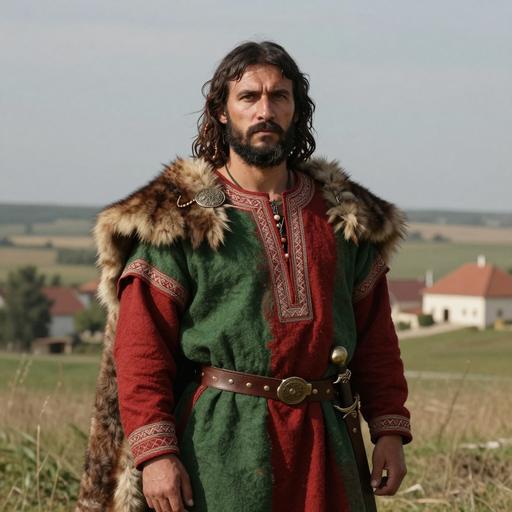
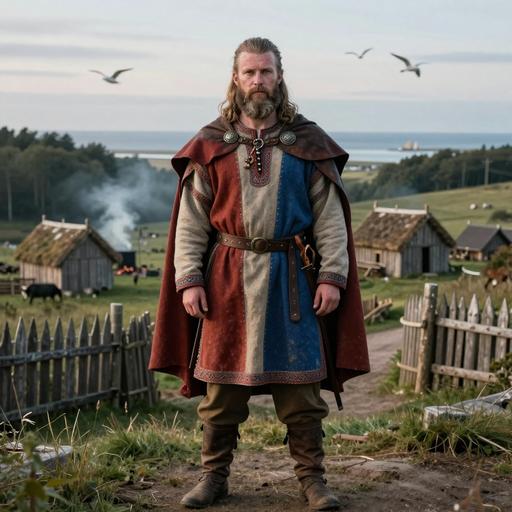
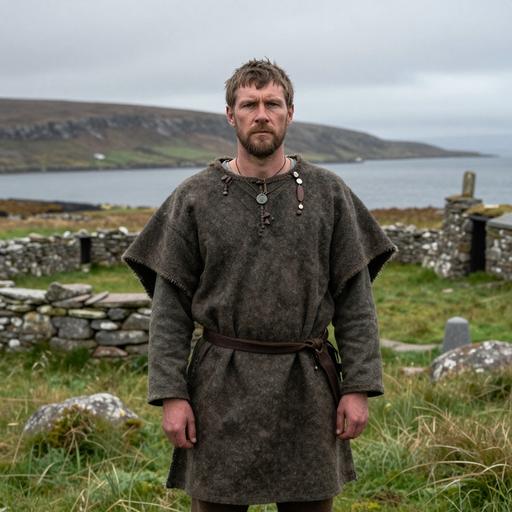
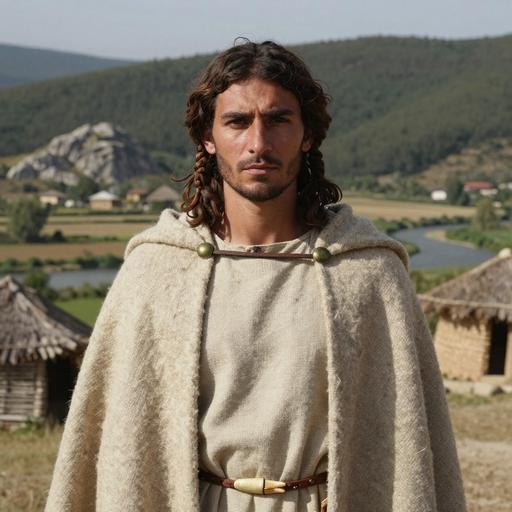
Portrait of ancient individual I6490 from Spain, dated 200 CE - 500 CE
I6490
Spain Roman Period Spain 200 CE - 500 CE Roman Hispania K1c2 Direct
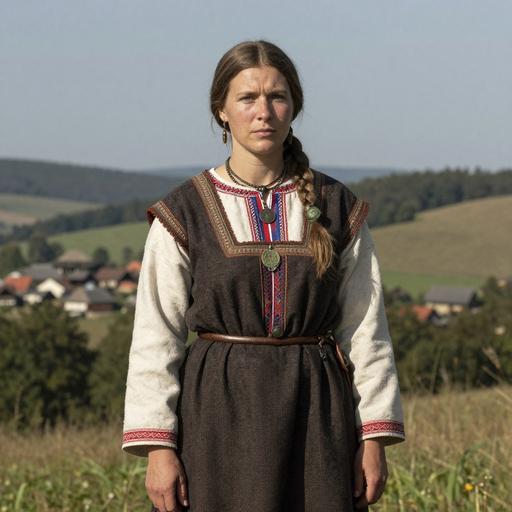
Portrait of ancient individual I15507 from Serbia, dated 200 CE - 300 CE
I15507
Serbia Roman Serbia 200 CE - 300 CE Roman Provincial K1c2 Direct
Portrait of ancient individual I20653 from United Kingdom, dated 400 CE - 600 CE
I20653
United Kingdom Early Medieval Saxon England 400 CE - 600 CE Anglo-Saxon K1c2 Direct
Portrait of ancient individual I14536 from United Kingdom, dated 500 CE - 700 CE
I14536
United Kingdom Early Medieval England 500 CE - 700 CE Anglo-Saxon K1c2 Direct
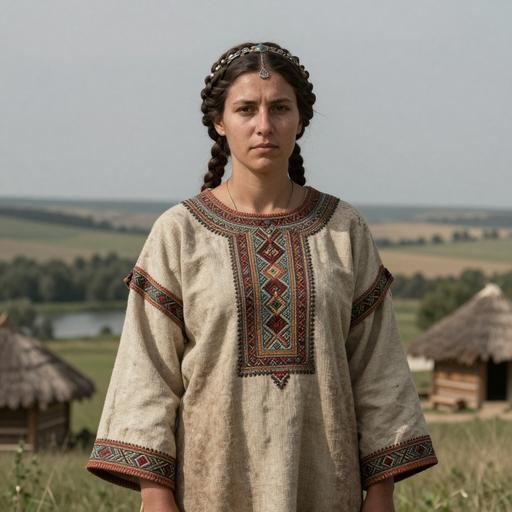
Portrait of ancient individual MS-45 from Hungary, dated 603 CE - 653 CE
MS-45
Hungary Early Avar Period Hungary 603 CE - 653 CE Early Avar K1c2 Direct
Portrait of ancient individual MS-43 from Hungary, dated 630 CE - 660 CE
MS-43
Hungary Early Avar Period Hungary 630 CE - 660 CE Early Avar K1c2 Direct
Portrait of ancient individual I11721 from Slovakia, dated 650 BCE - 500 BCE
I11721
Slovakia The Vekerzug Culture in Slovakia 650 BCE - 500 BCE Vekerzug Culture K1c2 Direct
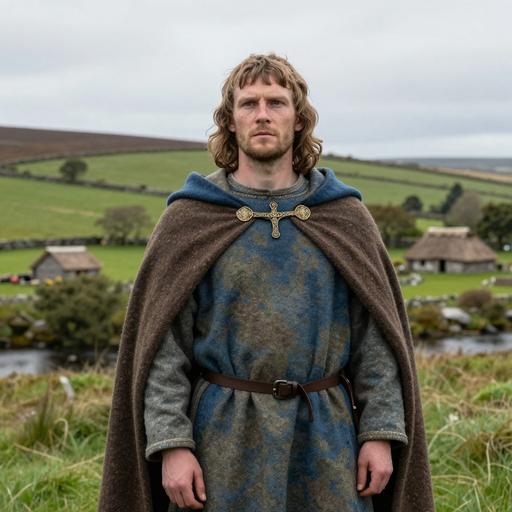
Portrait of ancient individual KIL019 from Ireland, dated 700 CE - 1300 CE
KIL019
Ireland Anglo-Saxon Early Medieval Kilteasheen, Ireland 700 CE - 1300 CE Kilteasheen K1c2 Direct
Portrait of ancient individual VK87 from Denmark, dated 850 CE - 900 CE
VK87
Denmark Viking Age Denmark 850 CE - 900 CE Viking Denmark K1c2 Direct
Portrait of ancient individual VK87 from Denmark, dated 850 CE - 900 CE
VK87
Denmark The Viking Age 850 CE - 900 CE K1c2 Direct
Chapter VI

Carrier Distribution Map

Geographic distribution of 14 ancient DNA samples (direct and subclade carriers of K1C2)

Direct carrier
Time Period Filter
All Time Periods
Showing all samples
Chapter VII

Temporal Distribution

Distribution of carriers across archaeological periods

Chapter VIII

Geographic Distribution

Distribution by country of origin (direct and subclade carriers shown by default)

Chapter IX

Country × Era Distribution

Cross-tabulation of carrier countries and archaeological periods (direct and subclade carriers shown by default)

Data

Data & Provenance

Source information and data quality

Last Updated 2026-02-16
Confidence Score 50/100
Coverage Low
Data Source

We use the latest phylotree for MTDNA haplogroup classification and data.