Menu
mtDNA Haplogroup • Maternal Lineage

K2A5B

mtDNA Haplogroup K2A5B

~5,000 years ago
Near East / Anatolia
0 subclades
6 ancient samples
Scroll to explore
Chapter I

The Story

The journey of mtDNA haplogroup K2A5B

Origins and Evolution

mtDNA haplogroup K2A5B is a downstream subclade of K2A5 within the broader K2A branch of haplogroup K. Based on the phylogenetic position of K2A5 and observed geographic occurrences, K2A5B most plausibly arose in the Near East or Anatolia during the late Neolithic to early Bronze Age (on the order of ~5 thousand years ago). It represents a rare, derived maternal lineage that descended from maternal gene pools associated with Anatolian/Levantine farming populations and later regional demographic processes.

The observable pattern – low-frequency presence across several Mediterranean and adjacent populations – is consistent with a lineage that originated in a population hub in western Asia and spread into Europe primarily through Neolithic farmer migrations and subsequent localized drift, founder effects, and historical mobility.

Subclades (if applicable)

As a named downstream clade (K2A5B), it may contain further private mutations in specific individuals or small family groups, but currently available data indicate very few downstream branches have been documented. When additional full mitogenomes are reported, researchers may resolve further substructure (e.g., K2A5B1, K2A5B2), but at present K2A5B is best treated as a rare, shallow clade with limited internal diversification visible in published datasets.

Geographical Distribution

K2A5B is detected at low frequencies across a swath of regions tied historically to Near Eastern expansions. Highest densities of observations are within populations that have known genetic contributions from Anatolian and Levantine Neolithic farmers, and the haplogroup appears sporadically in Southern Europe (including Mediterranean islands), the Caucasus, and among some Ashkenazi individuals. Occasional finds in Western/Northern Europe, North Africa, and parts of Central Asia are best explained by later migrations, maritime contacts, and low-frequency long-distance dispersals.

Ancient DNA hits reported for the broader K2A5 clade in Neolithic farmer contexts support a scenario where K2A5B either formed just prior to or after the main Neolithic dispersals into Europe and persisted at low levels in descendant populations.

Historical and Cultural Significance

Although K2A5B is not a major marker of any single large-scale prehistoric culture, its association with maternal lineages common among Neolithic farmers gives it relevance for studies of farmer expansion and continuity in the Mediterranean and Near East. Its presence in some Ashkenazi and island populations suggests later demographic processes—such as founder events, endogamy, or maritime trade—may have preserved the lineage in small pockets. The clade is therefore useful for fine-scale phylogeographic and genealogical investigations where low-frequency maternal lineages can illuminate local histories and migration pathways.

Conclusion

K2A5B is a rare, regionally informative mtDNA subclade of K2A5 that most likely arose in the Near East/Anatolia around ~5 kya and spread into parts of Europe and adjacent regions with Neolithic and subsequent movements. It currently exhibits limited internal diversity and low population frequencies, but when found it can provide useful evidence for Near Eastern ancestry and specific micro-histories within Mediterranean and Caucasus populations. Continued full mitogenome sampling, particularly from understudied regions and ancient remains, will improve resolution of its age, substructure, and migratory history.

Key Points

  • Origins and Evolution
  • Subclades (if applicable)
  • Geographical Distribution
  • Historical and Cultural Significance
  • Conclusion
Chapter II

Tree & Relationships

Phylogenetic context and subclades

Evolution Path

This haplogroup's evolutionary journey from its earliest ancestor to the present.

Steps Haplogroup Age Estimate Archaeology Era Time Passed Immediate Descendants Tested Modern Descendants Ancient Connections
1 K2A5B Current ~5,000 years ago 🔶 Bronze Age 5,000 years 0 2 6
2 K2A5 ~6,000 years ago 🪨 Chalcolithic 6,000 years 2 6 0
3 K2A ~10,000 years ago 🌾 Neolithic 10,000 years 6 33 65
4 K2 ~12,000 years ago 🌾 Neolithic 12,000 years 2 67 9
5 K ~16,000 years ago 🏹 Mesolithic 16,000 years 7 1,393 55

Subclades (0)

Terminal branch - no known subclades

Siblings (1)

Other branches from the same parent haplogroup

Chapter III

Where in the World

Geographic distribution and modern presence

Place of Origin

Near East / Anatolia

Modern Distribution

The populations where mtDNA haplogroup K2A5B is found include:

  1. Ashkenazi Jewish communities (low representation)
  2. Modern Anatolian (Turkey) populations and Levantine groups
  3. European Early Neolithic farmer-descended populations (e.g., LBK-related contexts)
  4. Southern European populations (Iberia, Italy, Greece, and Mediterranean islands such as Sardinia)
  5. Caucasus populations (Armenians, Georgians, and adjacent highland groups)
  6. North African coastal communities with Near Eastern admixture
  7. Iranian and other Near Eastern populations
  8. Isolated or island Mediterranean populations (Aegean islands, Corsica, Sardinia)
  9. Western and Northern European populations at very low frequencies (British Isles, Scandinavia)
  10. Small occurrences in parts of Central Asia due to historic west–east contacts
CHAPTER IV

When in Time

Your haplogroup in the context of human history

~10k years ago

Neolithic Revolution

Agriculture begins, settled communities form

~5k years ago

Bronze Age

Metalworking, writing, and early civilizations

~5k years ago

Haplogroup K2A5B

Your mtDNA haplogroup emerged in Near East / Anatolia

Near East / Anatolia
~3k years ago

Iron Age

Iron tools, expanded trade networks

~2k years ago

Classical Antiquity

Greek and Roman civilizations flourish

Present

Present Day

Modern era

Your Haplogroup
Historical Era
Chapter IV-B

Linked Cultures

Ancient cultures associated with mtDNA haplogroup K2A5B

Cultural Heritage

These ancient cultures have been linked to haplogroup K2A5B based on matching ancient DNA samples from archaeological excavations. The presence of this haplogroup in these cultures provides insights into the migrations and population movements of populations carrying this haplogroup.

Center West 4 Corded Ware Corded Ware Culture Early Avar Fatyanovo Late Medieval Mongolian Late Russian Iron Age Lech Valley Bronze Age Nordic Late Neolithic Sarmatian Culture Sintashta Culture TRB-CWC Transition
Culture assignments are based on archaeological context of ancient DNA samples and may represent regional associations during specific time periods.
Chapter V

Sample Catalog

6 direct carriers of haplogroup K2A5B

6 / 6 samples
Portrait Sample Country Era Date Culture mtDNA Match
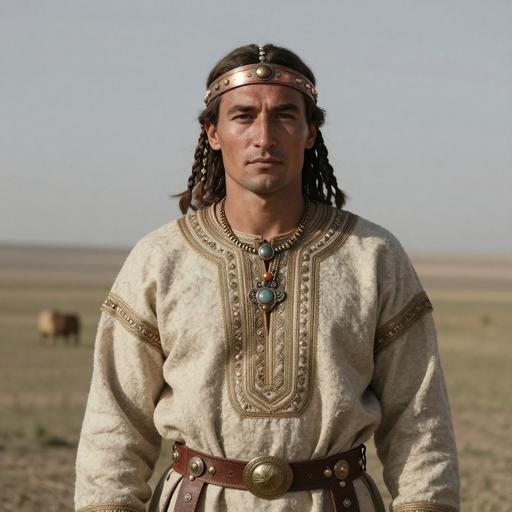
Portrait of ancient individual AIG005 from Kazakhstan, dated 81 CE - 220 CE
AIG005
Kazakhstan Iron Age Sarmatian, Kazakhstan 81 CE - 220 CE Sarmatian Culture K2a5b Direct
Portrait of ancient individual SZOD1-127 from Hungary, dated 600 CE - 650 CE
SZOD1-127
Hungary Early Avar Period Hungary 600 CE - 650 CE Early Avar K2a5b Direct
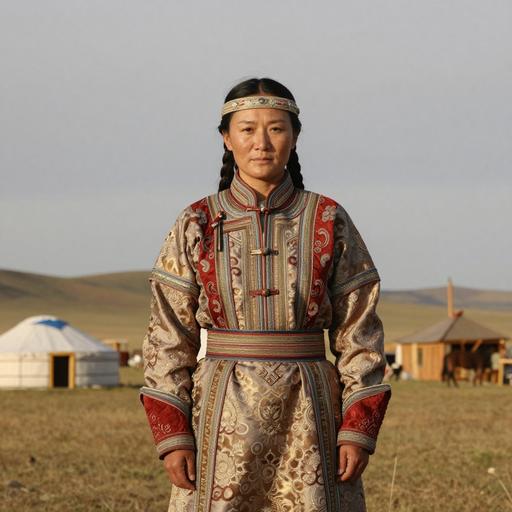
Portrait of ancient individual UGO001 from Mongolia, dated 1000 CE - 1500 CE
UGO001
Mongolia Late Medieval Mongolia 1000 CE - 1500 CE Late Medieval Mongolian K2a5b Direct
Portrait of ancient individual I7480 from Russia, dated 2050 BCE - 1700 BCE
I7480
Russia Mid-Late Bronze Sintashta 2050 BCE - 1700 BCE Sintashta Culture K2a5b Direct
Portrait of ancient individual VOR005 from Russia, dated 2845 BCE - 2342 BCE
VOR005
Russia Fatyanovo Culture 2845 BCE - 2342 BCE Fatyanovo K2a5b Direct
Portrait of ancient individual VOR005 from Russia, dated 2845 BCE - 2342 BCE
VOR005
Russia The Fatyanovo Culture 2845 BCE - 2342 BCE K2a5b Direct
Chapter VI

Carrier Distribution Map

Geographic distribution of 6 ancient DNA samples (direct and subclade carriers of K2A5B)

Direct carrier
Time Period Filter
All Time Periods
Showing all samples
Chapter VII

Temporal Distribution

Distribution of carriers across archaeological periods

Chapter VIII

Geographic Distribution

Distribution by country of origin (direct and subclade carriers shown by default)

Chapter IX

Country × Era Distribution

Cross-tabulation of carrier countries and archaeological periods (direct and subclade carriers shown by default)

Data

Data & Provenance

Source information and data quality

Last Updated 2026-02-16
Confidence Score 50/100
Coverage Low
Data Source

We use the latest phylotree for MTDNA haplogroup classification and data.