Menu
mtDNA Haplogroup • Maternal Lineage

K2A5

mtDNA Haplogroup K2A5

~6,000 years ago
Near East / Anatolia
2 subclades
Scroll to explore
Chapter I

The Story

The journey of mtDNA haplogroup K2A5

Origins and Evolution

mtDNA haplogroup K2A5 is a downstream branch of K2A, itself a subclade of haplogroup K, which has a well-established Near Eastern / Anatolian Early Holocene origin associated with the spread of early farming. K2A5 likely arose after the initial diversification of K2A as populations carrying K2A dispersed from Anatolia into adjacent regions during the Neolithic and subsequent millennia. Given its phylogenetic position beneath K2A, K2A5 is expected to share the broader demographic history of Near Eastern farmer-associated lineages while representing a more restricted, derived maternal lineage.

Subclades

As a fine-scale terminal subclade designation, K2A5 may include a small number of private or regionally restricted subbranches detectable only with complete mitochondrial genome data. In many cases K2A5 will be reported at the level of complete mtDNA sequencing; if further internal structure exists it will typically be documented as private mutations or as narrowly defined subclades identified from dense sampling of modern and ancient mitogenomes.

Geographical Distribution

K2A5 is best characterized as a low-frequency component of the broader K2A distribution. Its modern and ancient occurrences are concentrated where K2A is known to be present: the Near East / Anatolia, the Caucasus, and Southern Europe. K2A5 is detected sporadically in:

  • Anatolian and Levantine populations where K2A lineages were common among early farmers.
  • Southern European populations (Italy, Iberia, Greece, and Mediterranean islands) where Neolithic-derived maternal lineages persisted and became regionally structured.
  • Ashkenazi and other Jewish communities at low to moderate representation within the overall K diversity in some datasets.
  • Peripheral occurrences in Western and Northern Europe and in parts of North Africa and Central Asia where historical admixture and post-Neolithic movements introduced Near Eastern maternal lineages.

The pattern—low overall frequency but geographically widespread across the Mediterranean and Near Eastern corridor—is consistent with a Neolithic origin followed by localized drift, founder effects, and later migrations.

Historical and Cultural Significance

Because K2A5 descends from a lineage strongly associated with Neolithic farming expansions from Anatolia, its presence in ancient DNA and modern populations helps trace maternal ancestry linked to the spread of agriculture into Europe. In archaeological contexts, K2A5 (and sister K2A lineages) are more likely to be found in remains associated with farming communities (for example, early Neolithic Anatolian settlements and Early European Farmer groups such as LBK-related contexts) rather than in Mesolithic hunter-gatherer assemblages dominated by haplogroups like U.

Later cultural processes—regional demographic shifts, maritime colonization of Mediterranean islands, historical trade and migration, and founder events in endogamous communities (including some Jewish communities)—have shaped the modern distribution of K2A5, producing localized enrichments despite its generally low continental frequency.

Conclusion

mtDNA K2A5 is a derived, low-frequency maternal lineage that reflects the deeper Near Eastern / Anatolian roots of haplogroup K2A and the demographic movements associated with the Neolithic transition. It is most informative when used in combination with other genetic, archaeological, and phylogeographic data: its restricted and sporadic pattern highlights the roles of early farmer dispersal, subsequent population isolation or founder effects, and historical admixture in creating the present-day mosaic of maternal lineages across the Mediterranean, Caucasus, and Near East.

Key Points

  • Origins and Evolution
  • Subclades
  • Geographical Distribution
  • Historical and Cultural Significance
  • Conclusion
Chapter II

Tree & Relationships

Phylogenetic context and subclades

Evolution Path

This haplogroup's evolutionary journey from its earliest ancestor to the present.

Steps Haplogroup Age Estimate Archaeology Era Time Passed Immediate Descendants Tested Modern Descendants Ancient Connections
1 K2A5 Current ~6,000 years ago 🪨 Chalcolithic 6,000 years 2 6 0
2 K2A ~10,000 years ago 🌾 Neolithic 10,000 years 6 33 65
3 K2 ~12,000 years ago 🌾 Neolithic 12,000 years 2 67 9
4 K ~16,000 years ago 🏹 Mesolithic 16,000 years 7 1,393 55

Siblings (5)

Other branches from the same parent haplogroup

Chapter III

Where in the World

Geographic distribution and modern presence

Place of Origin

Near East / Anatolia

Modern Distribution

The populations where mtDNA haplogroup K2A5 is found include:

  1. Ashkenazi Jewish communities (low–moderate representation within broader K diversity)
  2. Modern Anatolian (Turkey) populations and Levantine groups
  3. European Early Neolithic farmer-descended populations (e.g., LBK and related groups)
  4. Southern European populations (Iberia, Italy, Greece, and Mediterranean islands such as Sardinia)
  5. Western and Northern European populations (British Isles, Scandinavia) at low frequencies
  6. Caucasus populations (Armenians, Georgians, and adjacent highland groups)
  7. North African coastal communities with Near Eastern admixture
  8. Iranian and other Near Eastern populations
  9. Isolated or island Mediterranean populations (e.g., Sardinians, certain Aegean island groups)
  10. Small occurrences in parts of Central Asia due to historic west–east contacts
CHAPTER IV

When in Time

Your haplogroup in the context of human history

~10k years ago

Neolithic Revolution

Agriculture begins, settled communities form

~6k years ago

Haplogroup K2A5

Your mtDNA haplogroup emerged in Near East / Anatolia

Near East / Anatolia
~5k years ago

Bronze Age

Metalworking, writing, and early civilizations

~3k years ago

Iron Age

Iron tools, expanded trade networks

~2k years ago

Classical Antiquity

Greek and Roman civilizations flourish

Present

Present Day

Modern era

Your Haplogroup
Historical Era
Chapter IV-B

Linked Cultures

Ancient cultures associated with mtDNA haplogroup K2A5

Cultural Heritage

These ancient cultures have been linked to haplogroup K2A5 based on matching ancient DNA samples from archaeological excavations. The presence of this haplogroup in these cultures provides insights into the migrations and population movements of populations carrying this haplogroup.

Center West 4 Corded Ware Corded Ware Culture Hunnic Period La Tène Culture Late Russian Iron Age Lech Valley Bronze Age Nordic Late Neolithic Sargat Culture TRB-CWC Transition Viking
Culture assignments are based on archaeological context of ancient DNA samples and may represent regional associations during specific time periods.
Chapter V

Sample Catalog

13 direct carriers and 8 subclade carriers of haplogroup K2A5

21 / 21 samples
Portrait Sample Country Era Date Culture mtDNA Match
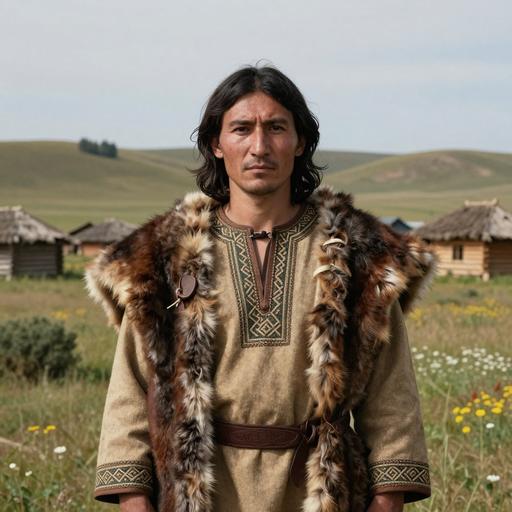
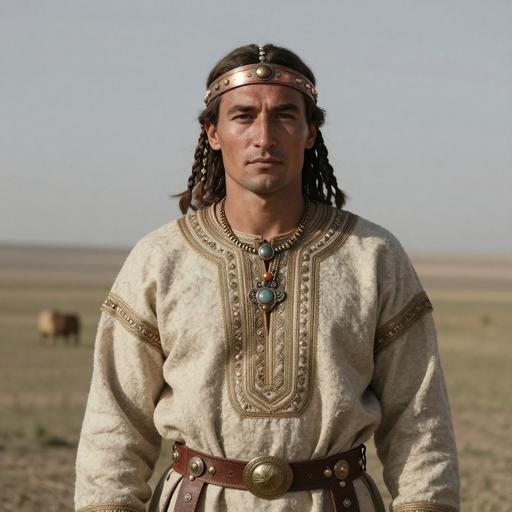
Portrait of ancient individual DA82 from Kyrgyzstan, dated 33 CE - 320 CE
DA82
Kyrgyzstan The Hun Period in Kyrgyzstan 33 CE - 320 CE Hunnic Period K2a5 Direct
Portrait of ancient individual DA82 from Kyrgyzstan, dated 33 CE - 320 CE
DA82
Kyrgyzstan The Huns 33 CE - 320 CE K2a5 Direct
Portrait of ancient individual BGD002 from Russia, dated 200 BCE - 1 BCE
BGD002
Russia Iron Age Sargat Culture, Russia 200 BCE - 1 BCE Sargat Culture K2a5 Direct
Portrait of ancient individual I20513 from Czech Republic, dated 400 BCE - 200 BCE
I20513
Czech Republic Iron Age La Tène Culture, Czech Republic 400 BCE - 200 BCE La Tène Culture K2a5 Direct
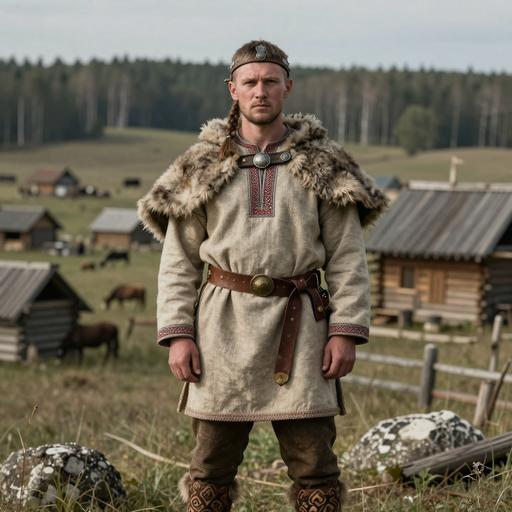
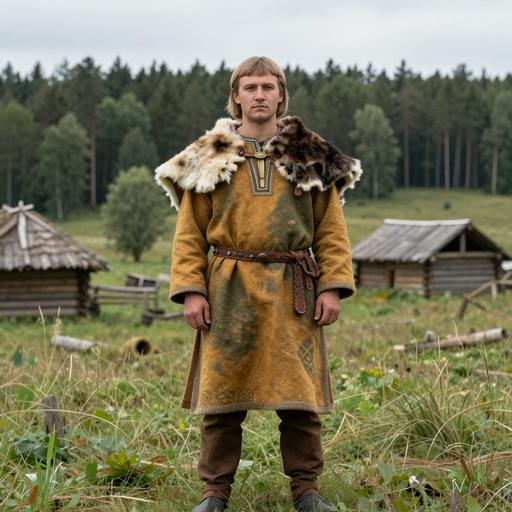
Portrait of ancient individual VK178 from United Kingdom, dated 880 CE - 1000 CE
VK178
United Kingdom Viking Age England 880 CE - 1000 CE Viking K2a5 Direct
Portrait of ancient individual VK178 from United Kingdom, dated 880 CE - 1000 CE
VK178
United Kingdom The Viking Age 880 CE - 1000 CE K2a5 Direct
Portrait of ancient individual RISE600 from Russia, dated 1000 BCE - 1 BCE
RISE600
Russia Iron Age 3 Russia 1000 BCE - 1 BCE Late Russian Iron Age K2a5 Direct
Portrait of ancient individual RISE600 from Russia, dated 1000 BCE - 1 BCE
RISE600
Russia Iron Age Russia 1000 BCE - 1 BCE K2a5 Direct
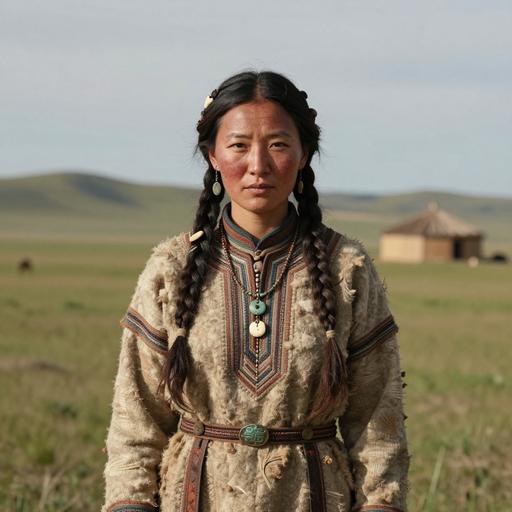
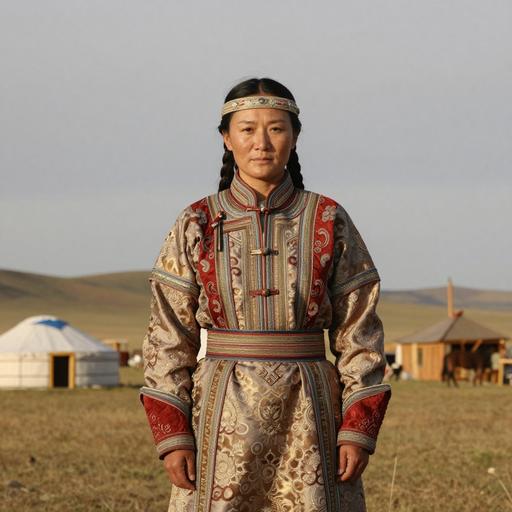
Portrait of ancient individual I6347 from Mongolia, dated 1414 BCE - 1280 BCE
I6347
Mongolia Late Bronze Age Center West 4, Mongolia 1414 BCE - 1280 BCE Center West 4 K2a5 Direct
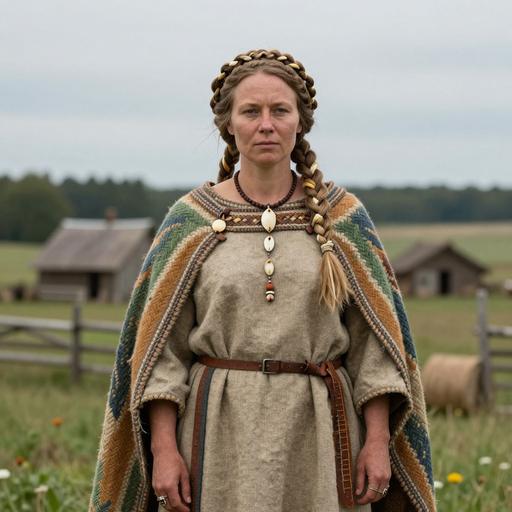
Portrait of ancient individual RISE97 from Sweden, dated 2030 BCE - 1830 BCE
RISE97
Sweden Late Neolithic Sweden 2030 BCE - 1830 BCE Nordic Late Neolithic K2a5 Direct
Chapter VI

Carrier Distribution Map

Geographic distribution of 21 ancient DNA samples (direct and subclade carriers of K2A5)

Direct carrier Subclade carrier
Time Period Filter
All Time Periods
Showing all samples
Chapter VII

Temporal Distribution

Distribution of carriers across archaeological periods

Chapter VIII

Geographic Distribution

Distribution by country of origin (direct and subclade carriers shown by default)

Chapter IX

Country × Era Distribution

Cross-tabulation of carrier countries and archaeological periods (direct and subclade carriers shown by default)

Data

Data & Provenance

Source information and data quality

Last Updated 2026-02-16
Confidence Score 50/100
Coverage Low
Data Source

We use the latest phylotree for MTDNA haplogroup classification and data.