Menu
mtDNA Haplogroup • Maternal Lineage

Q1

mtDNA Haplogroup Q1

~38,000 years ago
Near Oceania (Sahul)
2 subclades
Scroll to explore
Chapter I

The Story

The journey of mtDNA haplogroup Q1

Origins and Evolution

mtDNA haplogroup Q1 is a downstream branch of the broader mtDNA haplogroup Q, a lineage with deep roots in Sahul (the Pleistocene landmass that included New Guinea and Australia). Based on the phylogenetic position of Q1 within Q and comparative mutation-rate estimates for mitochondrial DNA, Q1 most likely coalesced during the Late Pleistocene (tens of thousands of years ago), after the initial settlement of Sahul but early enough to reflect long-term isolation and local diversification of maternal lineages in Near Oceania. High-resolution sequencing studies show that Q1 is part of a set of deeply diverged Sahul-specific lineages that persisted through the Holocene.

Subclades (if applicable)

Q1 is internally structured into multiple local sublineages that tend to be geographically restricted; high-resolution surveys and full mitochondrial genomes reveal population-specific branches (often labeled in different studies with suffixes such as Q1a, Q1b, etc.). These subclades generally show strong phylogeographic structure, with many private or low-diversity branches found in single islands, language groups, or regions of mainland New Guinea and northern Australia. This pattern reflects long-term isolation, drift, and limited female-mediated gene flow across the rugged island and coastal landscapes of Near Oceania.

Geographical Distribution

The distribution of Q1 is concentrated in Near Oceania. It is most frequent among Papuan groups on mainland Papua New Guinea and adjacent islands, and it occurs at appreciable frequencies in some Aboriginal Australian populations, particularly in northern and central Australia. Q1 is also recorded among peoples of the Bismarck Archipelago, the Solomon Islands, and Torres Strait communities. Low-frequency occurrences are reported in parts of eastern Indonesia (Wallacea) where Papuan-related ancestry is present, usually reflecting ancient or historic contact.

The haplogroup's distribution and internal diversity indicate an origin and long-term presence in Sahul, with continuity from Pleistocene settlers and survival through later demographic events such as the Austronesian expansion, which introduced additional mtDNA lineages into Near Oceania but did not replace Sahul-specific maternal lineages like Q1.

Historical and Cultural Significance

Q1 represents a pre-Austronesian maternal legacy in Near Oceania. Its persistence in Papuan and Aboriginal Australian populations highlights the demographic continuity of female lineages since the first peopling of Sahul. In archaeological and genetic terms, Q1 and related Sahul lineages provide markers for tracing the spread and long-term residence of hunter-gatherer and early Holocene communities across New Guinea, Australia, and nearby islands.

Although Q1 predates archaeological cultures such as Lapita (which are associated with Austronesian-speaking, seafaring populations), interactions between incoming Austronesian groups and indigenous Papuan populations in places like the Bismarcks and Solomon Islands led to admixture and situations where Q1 persists alongside Austronesian mtDNA haplogroups (e.g., B4a1a, E). The presence of Q1 in two ancient DNA samples from archaeological contexts further confirms its antiquity and archaeological relevance.

Conclusion

mtDNA haplogroup Q1 is a deeply rooted maternal lineage native to Sahul and Near Oceania, emblematic of the region's long-term population continuity and local diversification. Its phylogeographic pattern—strong regional structure, survival through later expansions, and persistence in Papuan and some Aboriginal Australian groups—makes Q1 an important marker for studies of Pleistocene settlement, Holocene population dynamics, and prehistoric interactions in Near Oceania.

Key Points

  • Origins and Evolution
  • Subclades (if applicable)
  • Geographical Distribution
  • Historical and Cultural Significance
  • Conclusion
Chapter II

Tree & Relationships

Phylogenetic context and subclades

Evolution Path

This haplogroup's evolutionary journey from its earliest ancestor to the present.

Steps Haplogroup Age Estimate Archaeology Era Time Passed Immediate Descendants Tested Modern Descendants Ancient Connections
1 Q1 Current ~38,000 years ago 🦴 Paleolithic 38,000 years 2 0 0
2 Q ~45,000 years ago 🦴 Paleolithic 45,000 years 3 3 4

Siblings (2)

Other branches from the same parent haplogroup

Chapter III

Where in the World

Geographic distribution and modern presence

Place of Origin

Near Oceania (Sahul)

Modern Distribution

The populations where mtDNA haplogroup Q1 is found include:

  1. Papuan populations of mainland Papua New Guinea and nearby islands
  2. Indigenous Australian (Aboriginal) groups, particularly in northern and central Australia
  3. Indigenous peoples of the Bismarck Archipelago and Solomon Islands (near Oceania)
  4. Some eastern Indonesian (Wallacea) populations at low frequency
  5. Torres Strait Islander communities
  6. Isolated island groups in Near Oceania with Papuan ancestry
CHAPTER IV

When in Time

Your haplogroup in the context of human history

~50k years ago

Upper Paleolithic

Advanced tool-making, art, and cultural explosion

~38k years ago

Haplogroup Q1

Your mtDNA haplogroup emerged in Near Oceania (Sahul)

Near Oceania (Sahul)
~20k years ago

Last Glacial Maximum

Peak of the last ice age, populations isolated

~10k years ago

Neolithic Revolution

Agriculture begins, settled communities form

~5k years ago

Bronze Age

Metalworking, writing, and early civilizations

~3k years ago

Iron Age

Iron tools, expanded trade networks

~2k years ago

Classical Antiquity

Greek and Roman civilizations flourish

Present

Present Day

Modern era

Your Haplogroup
Historical Era
Chapter IV-B

Linked Cultures

Ancient cultures associated with mtDNA haplogroup Q1

Cultural Heritage

These ancient cultures have been linked to haplogroup Q1 based on matching ancient DNA samples from archaeological excavations. The presence of this haplogroup in these cultures provides insights into the migrations and population movements of populations carrying this haplogroup.

Early Bronze Indonesian Early Lapita Vanuatu Late Vanuatu Polynesian Vanuatu Post-Lapita Vanuatu Tanjung Pinang Culture
Culture assignments are based on archaeological context of ancient DNA samples and may represent regional associations during specific time periods.
Chapter V

Sample Catalog

2 direct carriers and 3 subclade carriers of haplogroup Q1

5 / 5 samples
Portrait Sample Country Era Date Culture mtDNA Match
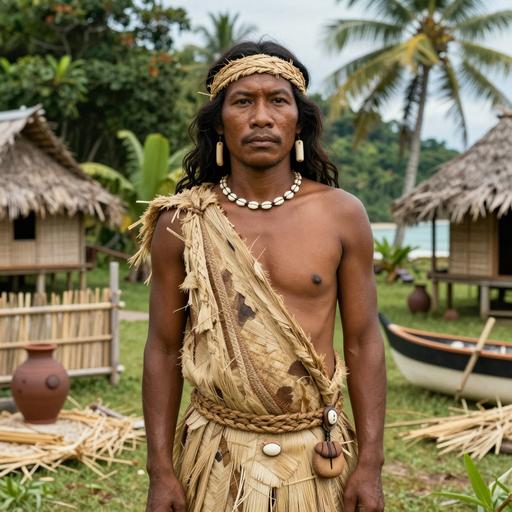
Portrait of ancient individual TanjungPinang2 from Indonesia, dated 750 BCE - 350 CE
TanjungPinang2
Indonesia Neolithic to Early Bronze Age Tanjung Pinang, Morotai, Indonesia 750 BCE - 350 CE Tanjung Pinang Culture Q1 Direct
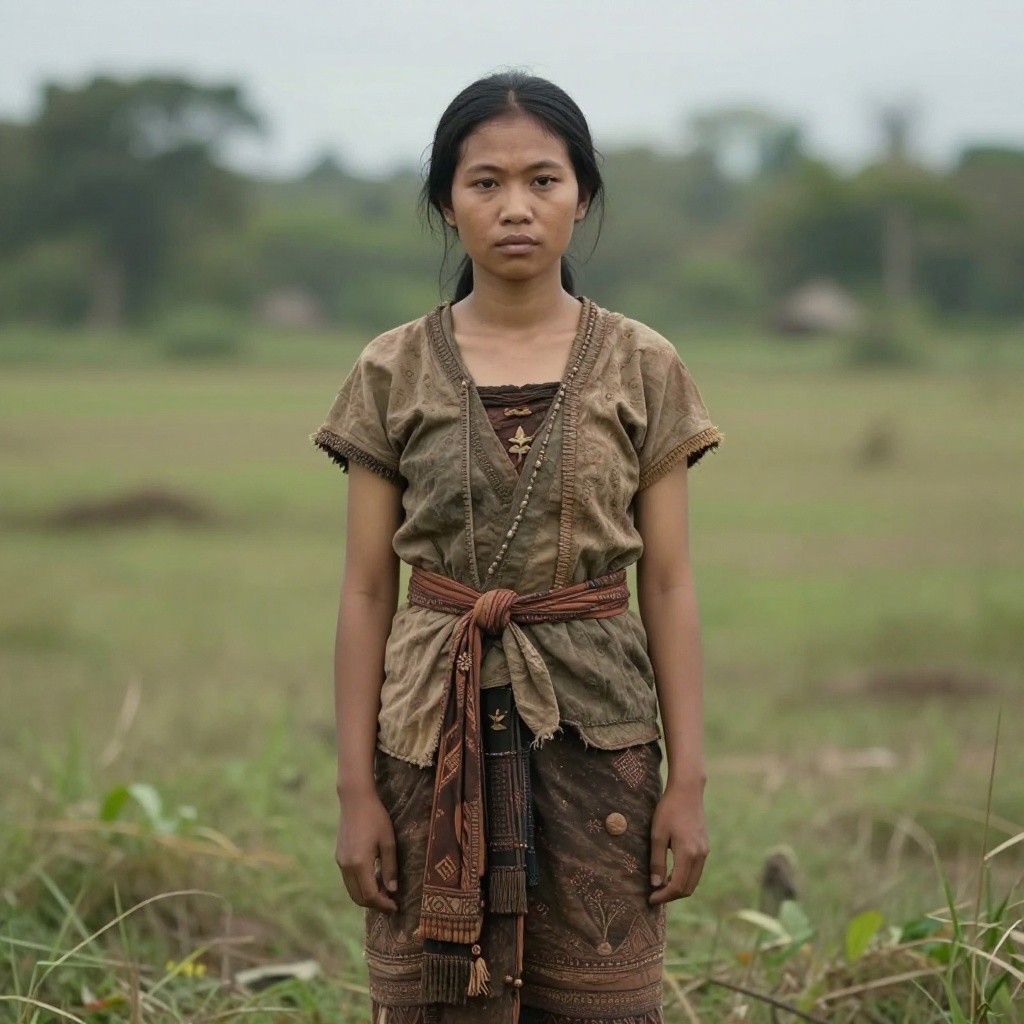
Portrait of ancient individual I10966 from Vanuatu, dated 1450 CE - 1650 CE
I10966
Vanuatu Vanuatu 400 Years Ago 1450 CE - 1650 CE Late Vanuatu Q1 Direct
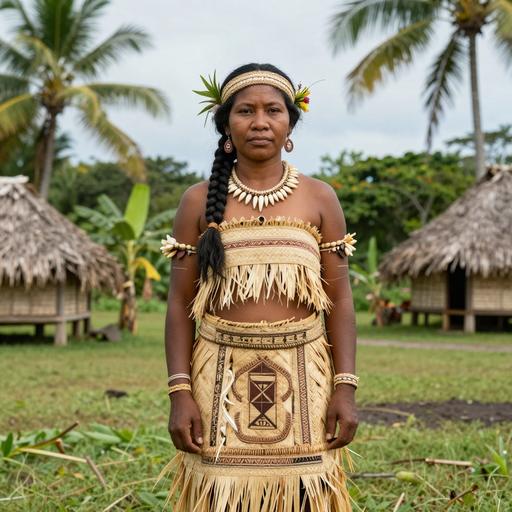
Portrait of ancient individual I6188 from Vanuatu, dated 600 BCE - 300 BCE
I6188
Vanuatu Vanuatu 2,400 Years Ago 600 BCE - 300 BCE Post-Lapita Vanuatu Q1b Downstream
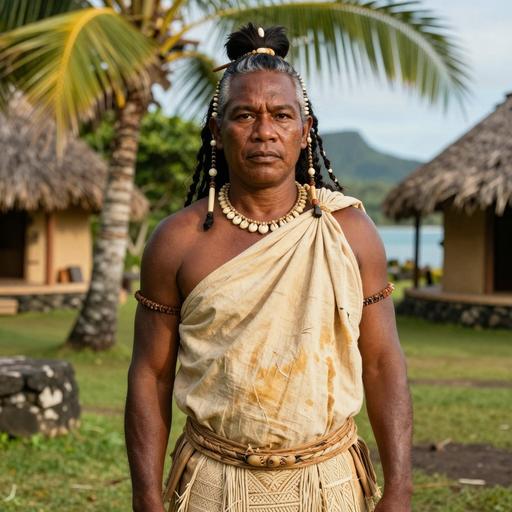
Portrait of ancient individual AMA003008 from Indonesia, dated 750 BCE - 150 CE
AMA003008
Indonesia Early Bronze Age Indonesia 750 BCE - 150 CE Early Bronze Indonesian Q1d Downstream
Portrait of ancient individual AMA009 from Indonesia, dated 1025 CE - 1156 CE
AMA009
Indonesia Early Bronze Age Indonesia 1025 CE - 1156 CE Early Bronze Indonesian Q1d Downstream
Chapter VI

Carrier Distribution Map

Geographic distribution of 5 ancient DNA samples (direct and subclade carriers of Q1)

Direct carrier Subclade carrier
Time Period Filter
All Time Periods
Showing all samples
Chapter VII

Temporal Distribution

Distribution of carriers across archaeological periods

Chapter VIII

Geographic Distribution

Distribution by country of origin (direct and subclade carriers shown by default)

Chapter IX

Country × Era Distribution

Cross-tabulation of carrier countries and archaeological periods (direct and subclade carriers shown by default)

Data

Data & Provenance

Source information and data quality

Last Updated 2026-02-16
Confidence Score 50/100
Coverage Low
Data Source

We use the latest phylotree for MTDNA haplogroup classification and data.