Menu
mtDNA Haplogroup • Maternal Lineage

R2A

mtDNA Haplogroup R2A

~12,000 years ago
South Asia
0 subclades
Scroll to explore
Chapter I

The Story

The journey of mtDNA haplogroup R2A

Origins and Evolution

mtDNA haplogroup R2A is a downstream lineage of haplogroup R2, itself a branch of macro-haplogroup R. R2 has been estimated to arise in South Asia during the Late Upper Paleolithic (~25 kya for the parent R2), and R2A represents a younger diversification within that South Asian-centered tradition. Based on phylogenetic branching patterns and diversity observed in modern samples, R2A most likely diversified after the Last Glacial Maximum during the terminal Pleistocene to early Holocene (estimates for R2A center on the late Pleistocene to early Holocene, here expressed around ~12 kya), reflecting regional maternal lineages that persisted and expanded locally.

Subclades

R2A is recognized as a distinct subclade of R2 in modern phylogenies and has been further subdivided in high-resolution mtDNA studies into downstream branches (often annotated in different databases as R2a1, R2a2, etc.). The exact internal structure continues to be refined as more complete mitogenomes are published from South Asian and neighbouring populations. Because many studies still sample unevenly across regions and populations, discovery of additional minor subclades of R2A is ongoing.

Geographical Distribution

R2A is concentrated in South Asia—including India, Pakistan, Bangladesh, Sri Lanka and Nepal—where it reaches its highest frequencies and diversity. Secondary, lower-frequency occurrences are routinely reported in Iran, Afghanistan and neighboring Central Asian groups, consistent with historical and prehistoric gene flow across the Iranian plateau and Himalayan foothills. Sporadic low-frequency occurrences in parts of Southeast Asia and the Middle East reflect more recent dispersals or long-distance low-frequency ancestry.

Contemporary and limited ancient DNA evidence indicate continuity of R2-derived maternal lineages in the region; one confirmed archaeological/ancient sample carrying R2-class lineage further supports presence of the clade in antiquity, though ancient sampling in South Asia remains sparse compared with Europe and parts of West Asia.

Historical and Cultural Significance

R2A has been reported at appreciable frequencies in some endogamous and historically distinctive groups in South Asia — for example among certain caste groups and in Parsi (Zoroastrian) communities — making it useful in studies of regional demographic structure, founder effects and migration histories. The distribution fits a model of deep regional matrilineal continuity coupled with episodic admixture from West and Central Asia (e.g., via trade, migration or small-scale movements during the Bronze and Iron Ages).

It is important to emphasize that mtDNA R2A tracks only maternal ancestry and therefore should be interpreted alongside autosomal and Y-DNA data when reconstructing population history, language spread or cultural transmission.

Conclusion

R2A is a regionally informative South Asian maternal lineage derived from R2. Its geographic concentration and internal diversity make it a useful marker for investigating Holocene demographic processes in South Asia and for tracing secondary dispersals into Iran, Afghanistan and Central Asia. Continued mitogenome sequencing and targeted ancient DNA recovery in South Asia will clarify the timing and substructure of R2A and its role in prehistoric population dynamics.

Key Points

  • Origins and Evolution
  • Subclades
  • Geographical Distribution
  • Historical and Cultural Significance
  • Conclusion
Chapter II

Tree & Relationships

Phylogenetic context and subclades

Evolution Path

This haplogroup's evolutionary journey from its earliest ancestor to the present.

Steps Haplogroup Age Estimate Archaeology Era Time Passed Immediate Descendants Tested Modern Descendants Ancient Connections
1 R2A Current ~12,000 years ago 🌾 Neolithic 12,000 years 0 0 0

Subclades (0)

Terminal branch - no known subclades

Siblings (6)

Other branches from the same parent haplogroup

Chapter III

Where in the World

Geographic distribution and modern presence

Place of Origin

South Asia

Modern Distribution

The populations where mtDNA haplogroup R2A is found include:

  1. South Asian populations (India, Pakistan, Sri Lanka, Bangladesh)
  2. Iranian and Persian‑speaking groups
  3. Afghan and Pashtun populations
  4. Central Asian groups (Tajik, Uzbek and neighbouring populations)
  5. Nepalese and Himalayan populations
  6. Parsis (Zoroastrian communities) and some Indian caste groups
  7. Southeast Asian groups (low frequency occurrences)
  8. Middle Eastern populations (sporadic, low frequency)
CHAPTER IV

When in Time

Your haplogroup in the context of human history

~12k years ago

Haplogroup R2A

Your mtDNA haplogroup emerged in South Asia

South Asia
~10k years ago

Neolithic Revolution

Agriculture begins, settled communities form

~5k years ago

Bronze Age

Metalworking, writing, and early civilizations

~3k years ago

Iron Age

Iron tools, expanded trade networks

~2k years ago

Classical Antiquity

Greek and Roman civilizations flourish

Present

Present Day

Modern era

Your Haplogroup
Historical Era
Chapter IV-B

Linked Cultures

Ancient cultures associated with mtDNA haplogroup R2A

Cultural Heritage

These ancient cultures have been linked to haplogroup R2A based on matching ancient DNA samples from archaeological excavations. The presence of this haplogroup in these cultures provides insights into the migrations and population movements of populations carrying this haplogroup.

Abdul Hosein Culture Dzharkutan Ganj Dareh Culture Geoksyur Culture Gonur Culture Hasanlu Culture Luristan Culture Rossberga Culture
Culture assignments are based on archaeological context of ancient DNA samples and may represent regional associations during specific time periods.
Chapter V

Sample Catalog

2 direct carriers and 1 subclade carrier of haplogroup R2A

3 / 3 samples
Portrait Sample Country Era Date Culture mtDNA Match
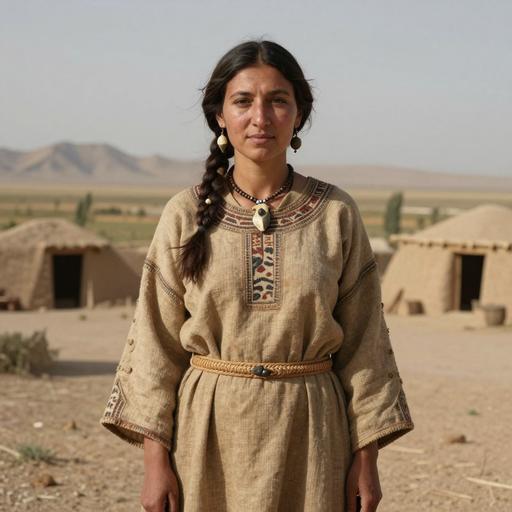
Portrait of ancient individual I12484 from Turkmenistan, dated 3500 BCE - 2800 BCE
I12484
Turkmenistan Chalcolithic Geoksyur 3500 BCE - 2800 BCE Geoksyur Culture R2-a Direct
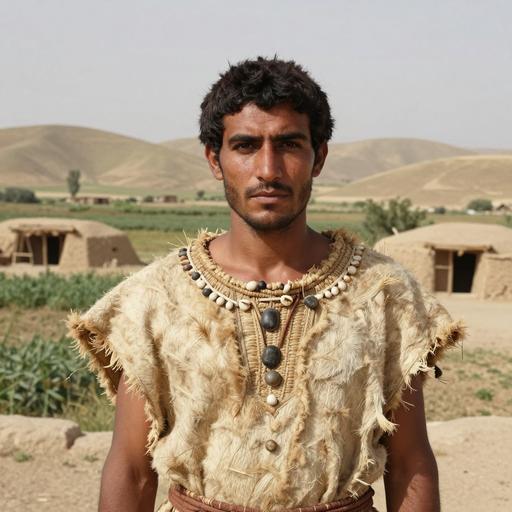
Portrait of ancient individual I12484 from Turkmenistan, dated 3500 BCE - 2800 BCE
I12484
Turkmenistan Early Neolithic Turan 3500 BCE - 2800 BCE R2-a Direct
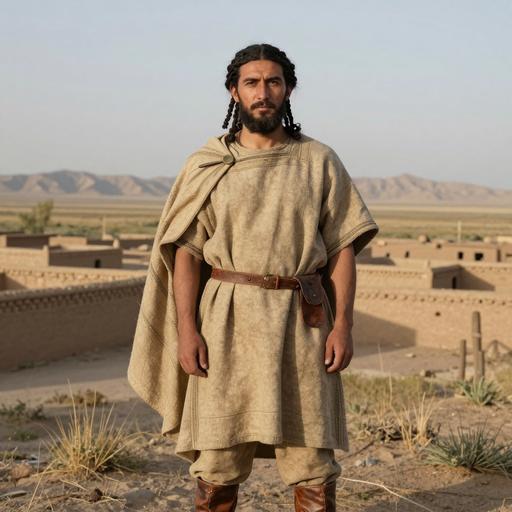
Portrait of ancient individual I4315 from Uzbekistan, dated 1540 BCE - 1455 BCE
I4315
Uzbekistan Bronze Age Dzharkutan 1540 BCE - 1455 BCE Dzharkutan R2-a4a2 Downstream
Chapter VI

Carrier Distribution Map

Geographic distribution of 3 ancient DNA samples (direct and subclade carriers of R2A)

Direct carrier Subclade carrier
Time Period Filter
All Time Periods
Showing all samples
Chapter VII

Temporal Distribution

Distribution of carriers across archaeological periods

Chapter VIII

Geographic Distribution

Distribution by country of origin (direct and subclade carriers shown by default)

Chapter IX

Country × Era Distribution

Cross-tabulation of carrier countries and archaeological periods (direct and subclade carriers shown by default)

Data

Data & Provenance

Source information and data quality

Last Updated 2026-04-20
Confidence Score 50/100
Coverage Low
Data Source

We use the latest phylotree for MTDNA haplogroup classification and data.