Menu
mtDNA Haplogroup • Maternal Lineage

U5A1D

mtDNA Haplogroup U5A1D

~12,000 years ago
Northern and Eastern Europe
2 subclades
25 ancient samples
Scroll to explore
Chapter I

The Story

The journey of mtDNA haplogroup U5A1D

Origins and Evolution

mtDNA haplogroup U5A1D is a terminal subclade nested within U5a1, itself part of the wider U5 family—one of the oldest and most characteristic maternal lineages of European hunter‑gatherers. The broader U5 lineage expanded in Europe during and after the Last Glacial Maximum (LGM). Based on its phylogenetic position under U5a1 and the distribution of related subclades in Mesolithic and early Holocene samples, U5A1D most plausibly arose in Northern or Northeastern Europe in the early Holocene (approximately 10–14 kya), representing a post‑glacial diversification of maternal lineages that had persisted through the LGM.

Subclades (if applicable)

U5A1D is itself a terminal or narrowly defined subclade beneath U5a1. Where available high‑resolution mitogenomes show further downstream variation, these are usually local private mutations indicating regional population structuring rather than deep, widely dispersed branches. As with many U5 sublineages, many of the downstream branches are rare and often confined to particular geographic or ethnic groups (for example, isolated communities in Fennoscandia and the Baltic region).

Geographical Distribution

The geographical distribution of U5A1D mirrors the broader pattern of U5a1 and ancient European hunter‑gatherer lineages but at generally lower frequency. It is most frequently observed in:

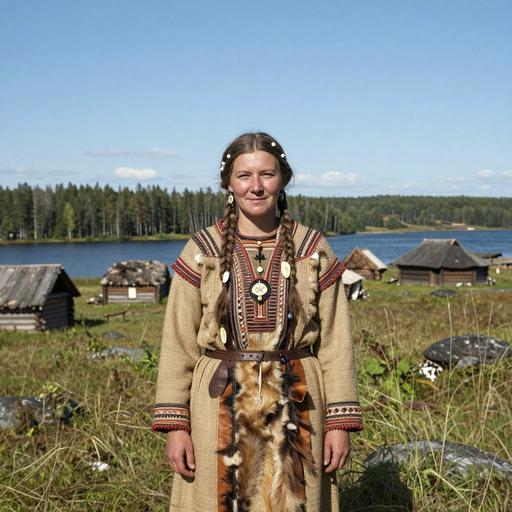
  • Northern Europe (Scandinavia, Finland), including enrichment among indigenous Saami populations;
  • Eastern Europe and the Baltic (Latvia, Lithuania, NW Russia), reflecting Mesolithic continuity in these regions;
  • Lower frequencies in Central and Western Europe where U5 persists as part of a mixed maternal pool;
  • Sparse occurrences reported in the Caucasus and North Africa, typically interpreted as later gene flow or low‑frequency ancient dispersals.

Ancient DNA datasets report U5a1 and U5a1‑derived haplotypes in Mesolithic and early Holocene contexts across northern and eastern Europe; specifically, 16 archaeological samples matching defined U5a1 subclades in the user's database suggest a measurable ancient presence for closely related lineages, consistent with the inferred antiquity of U5A1D.

Historical and Cultural Significance

U5 lineages, including U5a1 and its downstream branches such as U5A1D, are strongly associated with Mesolithic hunter‑gatherer populations of Europe and are considered part of the genetic signature that persisted in northern latitudes through the transition to the Neolithic. In some regions (notably among the Saami and certain Baltic groups), these maternal lineages show continuity from prehistoric times into the present, reflecting demographic persistence or local refugia during climatic stress periods.

While Neolithic farmer migrations (bearing different mtDNA profiles, e.g., higher frequencies of H and certain T and J lineages) reshaped maternal gene pools in many parts of Europe, U5 subclades often remained in higher frequency in more northerly or marginal environments where forager ancestry persisted. Later cultural horizons (Bronze Age and beyond) produced admixture layers that diluted but did not eliminate U5 presence—hence occasional detection of U5A1D in mixed archaeological contexts including Corded Ware or Bell Beaker associated burials in northern/western locales, typically at low frequency.

Conclusion

U5A1D represents a localized, early Holocene diversification of the broader U5a1 maternal lineage that is part of Europe's Mesolithic genetic heritage. Its greatest significance is as an indicator of long‑term regional continuity in northern and eastern Europe, including persistent lineages among indigenous groups like the Saami. Modern and ancient DNA studies that include whole mitogenomes continue to refine the phylogeny and geographic resolution of U5A1D and related branches, clarifying migration, survival, and local drift processes that shaped present distributions.

Key Points

  • Origins and Evolution
  • Subclades (if applicable)
  • Geographical Distribution
  • Historical and Cultural Significance
  • Conclusion
Chapter II

Tree & Relationships

Phylogenetic context and subclades

Evolution Path

This haplogroup's evolutionary journey from its earliest ancestor to the present.

Steps Haplogroup Age Estimate Archaeology Era Time Passed Immediate Descendants Tested Modern Descendants Ancient Connections
1 U5A1D Current ~12,000 years ago 🌾 Neolithic 12,000 years 2 36 25
2 U5a1 ~18,000 years ago 🏹 Mesolithic 18,000 years 10 414 0
3 U ~46,000 years ago 🦴 Paleolithic 46,000 years 12 2,835 110
4 R ~60,000 years ago 🦴 Paleolithic 60,000 years 12 10,987 57
5 N ~60,000 years ago 🦴 Paleolithic 60,000 years 15 15,452 13
6 L3 ~70,000 years ago 🦴 Paleolithic 70,000 years 11 17,621 6
7 L ~160,000 years ago 🦴 Paleolithic 160,000 years 7 18,987 5
Chapter III

Where in the World

Geographic distribution and modern presence

Place of Origin

Northern and Eastern Europe

Modern Distribution

The populations where mtDNA haplogroup U5A1D is found include:

  1. Saami and other indigenous Northern European groups (Scandinavia, Finland)
  2. Baltic populations (Latvia, Lithuania, Estonia)
  3. Eastern European populations (northwestern Russia, Belarus)
  4. Central and Western European populations at lower frequencies
  5. Caucasus populations (sporadic occurrences)
  6. North African populations (very low frequency, likely secondary)
CHAPTER IV

When in Time

Your haplogroup in the context of human history

~12k years ago

Haplogroup U5A1D

Your mtDNA haplogroup emerged in Northern and Eastern Europe

Northern and Eastern Europe
~10k years ago

Neolithic Revolution

Agriculture begins, settled communities form

~5k years ago

Bronze Age

Metalworking, writing, and early civilizations

~3k years ago

Iron Age

Iron tools, expanded trade networks

~2k years ago

Classical Antiquity

Greek and Roman civilizations flourish

Present

Present Day

Modern era

Your Haplogroup
Historical Era
Chapter IV-B

Linked Cultures

Ancient cultures associated with mtDNA haplogroup U5A1D

Cultural Heritage

These ancient cultures have been linked to haplogroup U5A1D based on matching ancient DNA samples from archaeological excavations. The presence of this haplogroup in these cultures provides insights into the migrations and population movements of populations carrying this haplogroup.

Armenian LBA-EIA Baltic Hunter-Gatherer Bolshoy Oleni Ostrov Estonian Iron Age Karasuk Culture Lyalovo Culture Mesolithic Ukrainian Nordic Hunter-Gatherer Samara Culture Scandinavian Mesolithic Volosovo Culture Yamnaya
Culture assignments are based on archaeological context of ancient DNA samples and may represent regional associations during specific time periods.
Chapter V

Sample Catalog

13 direct carriers and 12 subclade carriers of haplogroup U5A1D

25 / 25 samples
Portrait Sample Country Era Date Culture mtDNA Match
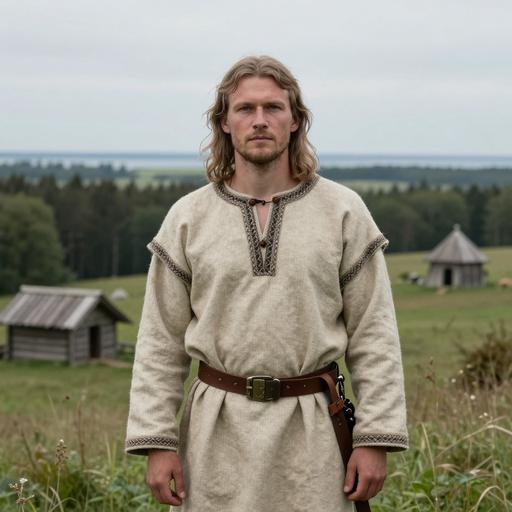
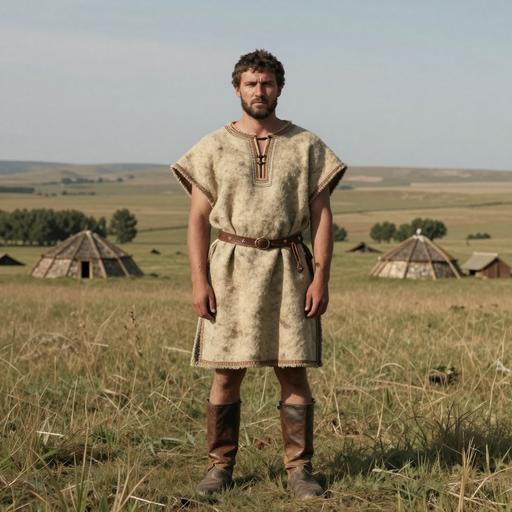
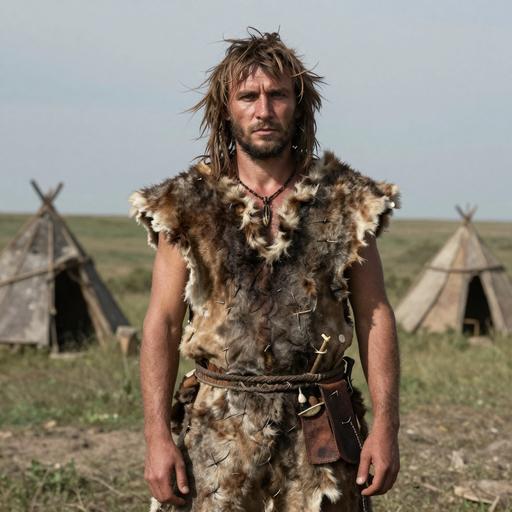
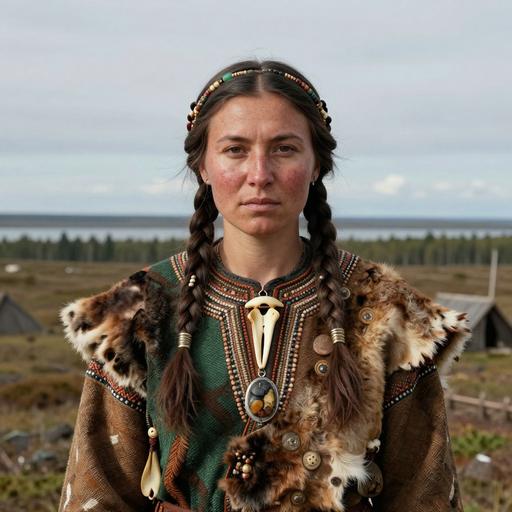
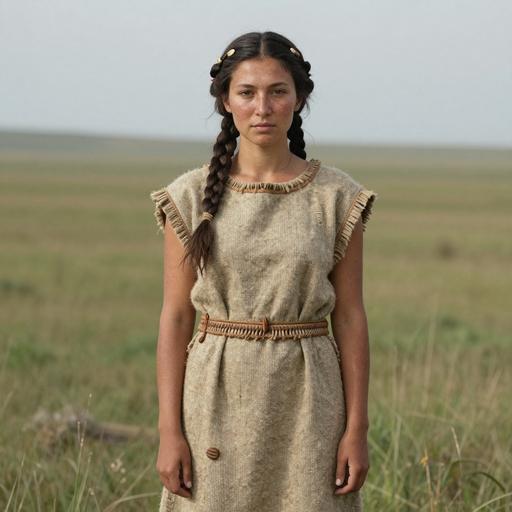
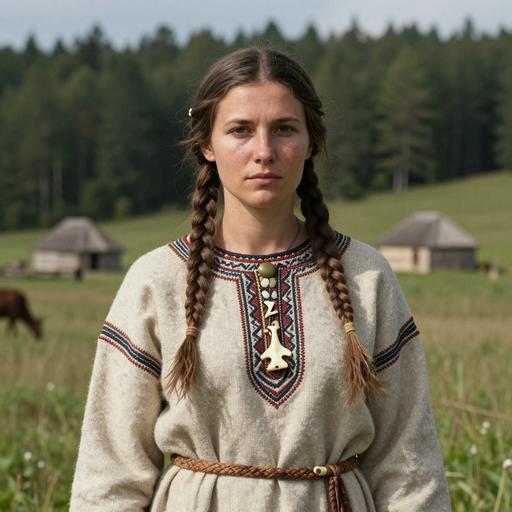
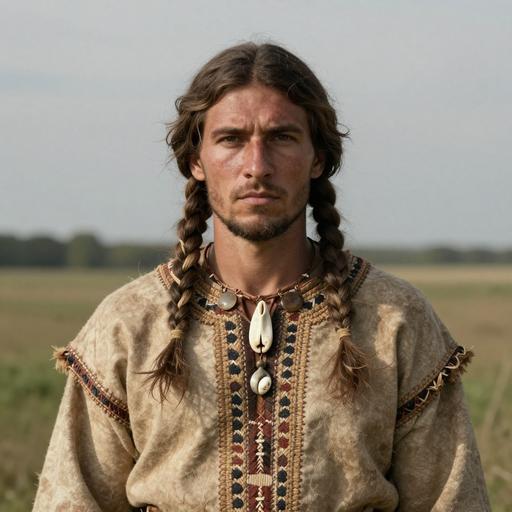
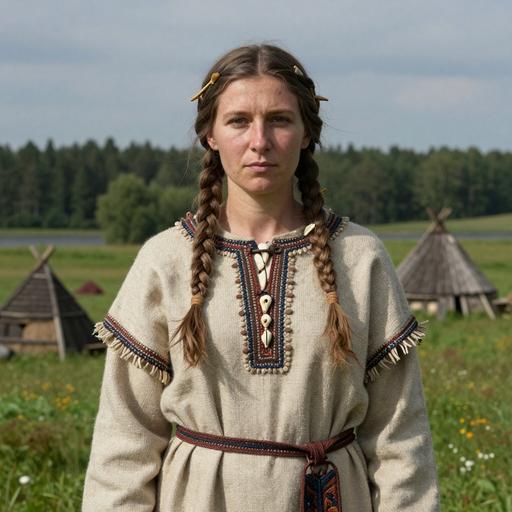
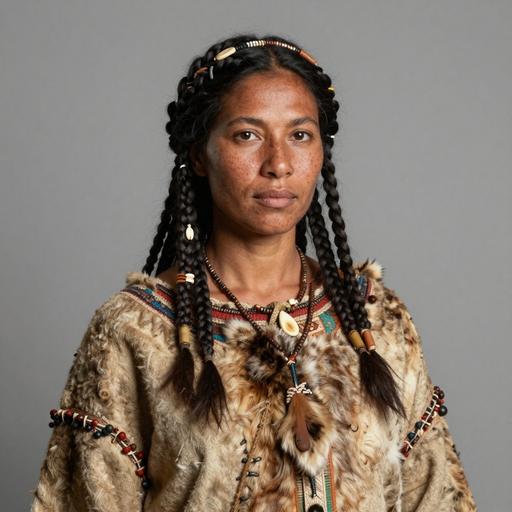
Portrait of ancient individual VII3 from Estonia, dated 379 BCE - 173 BCE
VII3
Estonia Iron Age Estonia 379 BCE - 173 BCE Estonian Iron Age U5a1d Direct
Portrait of ancient individual VII3 from Estonia, dated 379 BCE - 173 BCE
VII3
Estonia Early Iron Age Baltic 379 BCE - 173 BCE U5a1d Direct
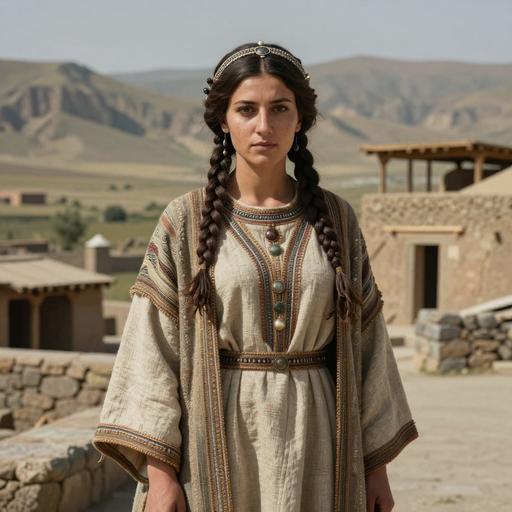
Portrait of ancient individual I14052 from Armenia, dated 800 BCE - 680 BCE
I14052
Armenia Late Bronze Age to Early Iron Age Armenia 800 BCE - 680 BCE Armenian LBA-EIA U5a1d Direct
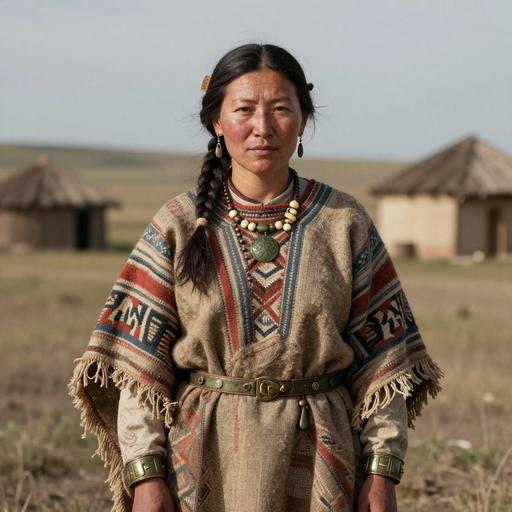
Portrait of ancient individual RISE502 from Russia, dated 1497 BCE - 1308 BCE
RISE502
Russia Karasuk Culture, Russia 1497 BCE - 1308 BCE Karasuk Culture U5a1d Direct
Portrait of ancient individual RISE502 from Russia, dated 1497 BCE - 1308 BCE
RISE502
Russia The Karasuk Culture 1497 BCE - 1308 BCE U5a1d Direct
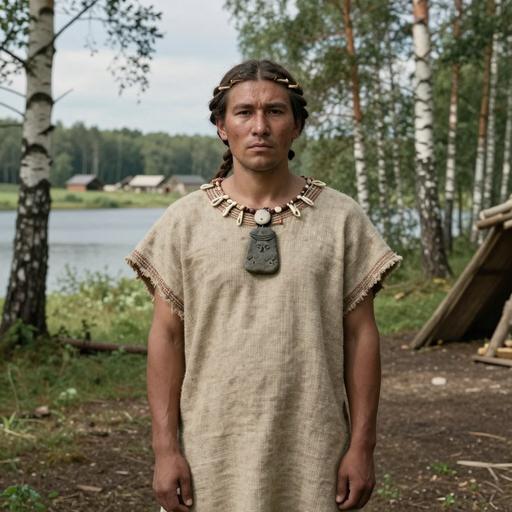
Portrait of ancient individual BOO005 from Russia, dated 2050 BCE - 1500 BCE
BOO005
Russia Bolshoy Oleni Ostrov Site, Russia 2050 BCE - 1500 BCE Bolshoy Oleni Ostrov U5a1d Direct
Portrait of ancient individual RK1001 from Russia, dated 2881 BCE - 2639 BCE
RK1001
Russia Early Bronze Age Yamnaya Culture, Caucasus, Russia 2881 BCE - 2639 BCE Yamnaya U5a1d Direct
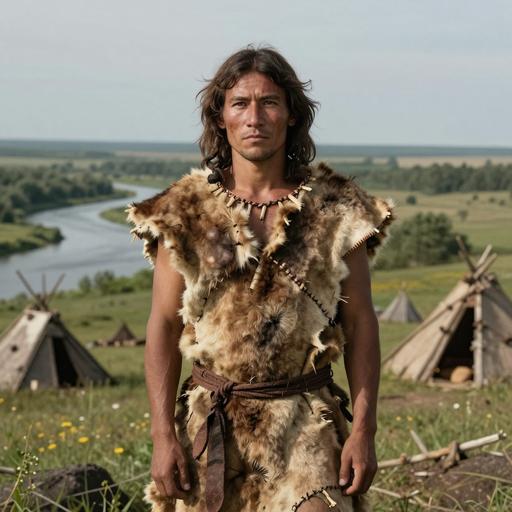
Portrait of ancient individual NEO178 from Russia, dated 3639 BCE - 3377 BCE
NEO178
Russia Volosovo culture 3639 BCE - 3377 BCE Volosovo Culture U5a1d Direct
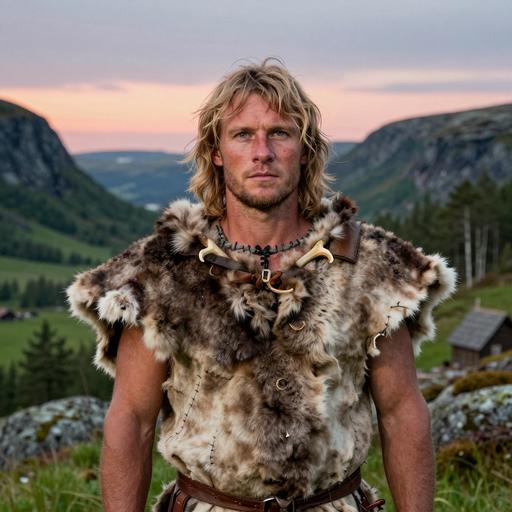
Portrait of ancient individual Steigen from Norway, dated 4000 BCE - 3814 BCE
Steigen
Norway Neolithic Hunter-Gatherer Norway 4000 BCE - 3814 BCE Nordic Hunter-Gatherer U5a1d Direct
Portrait of ancient individual Steigen from Norway, dated 4000 BCE - 3814 BCE
Steigen
Norway Ancient Hunter-Gatherers of the Nordic Countries 4000 BCE - 3814 BCE U5a1d Direct
Chapter VI

Carrier Distribution Map

Geographic distribution of 25 ancient DNA samples (direct and subclade carriers of U5A1D)

Direct carrier Subclade carrier
Time Period Filter
All Time Periods
Showing all samples
Chapter VII

Temporal Distribution

Distribution of carriers across archaeological periods

Chapter VIII

Geographic Distribution

Distribution by country of origin (direct and subclade carriers shown by default)

Chapter IX

Country × Era Distribution

Cross-tabulation of carrier countries and archaeological periods (direct and subclade carriers shown by default)

Data

Data & Provenance

Source information and data quality

Last Updated 2026-02-16
Confidence Score 50/100
Coverage Low
Data Source

We use the latest phylotree for MTDNA haplogroup classification and data.