Menu
mtDNA Haplogroup • Maternal Lineage

U5B1B1

mtDNA Haplogroup U5B1B1

~4,000 years ago
Northern/Central Europe
3 subclades
Scroll to explore
Chapter I

The Story

The journey of mtDNA haplogroup U5B1B1

Origins and Evolution

mtDNA haplogroup U5B1B1 derives from the broader U5 maternal lineage, one of the oldest and most characteristic mitochondrial haplogroups of postglacial European hunter-gatherers. While U5 itself originates in the Upper Paleolithic and expanded across Europe during and after the Last Glacial Maximum, U5B1B1 represents a downstream branching event that likely formed in Northern or Central Europe in the late Neolithic to Bronze Age (approximately 3–5 kya). Its emergence reflects local differentiation of older U5 diversity that had persisted in northern refugia and then continued evolving in situ as populations transitioned through Neolithic and later cultural processes.

The subclade shows phylogenetic ties to U5B and U5B1B (its immediate parent), and its mutational profile indicates a relatively young coalescence compared with basal U5 branches but still preserves the deep Mesolithic ancestry signal inherited from earlier U5-bearing maternal lines.

Subclades (if applicable)

Documented diversity within U5B1B1 is limited compared with deeper U5 branches; published and database sequences suggest a small number of downstream lineages and local variants, particularly in northern Fennoscandia. Ancient DNA identifications (the user's dataset notes ~22 aDNA hits) indicate the clade appears intermittently in archaeological contexts, consistent with persistence rather than massive population replacement. Continued sampling and full mitogenome sequencing occasionally reveal micro‑subclades tied to regional founder events (for example, haplotypes enriched among Saami and northern Scandinavian communities).

Geographical Distribution

U5B1B1 is concentrated in northern Europe, with its highest relative frequencies and distinctive haplotypes recorded among Saami and other populations of northern Scandinavia. It also occurs at lower to moderate frequencies across broader northwestern and central Europe (British Isles, Scandinavia, Iberia, Germany, Poland, Baltic regions) and has sporadic low-frequency detections in adjacent regions such as the Caucasus and parts of North Africa, likely reflecting historical gene flow, small-scale migrations, or ancient shared ancestry.

Ancient DNA evidence places U5B1B1 and closely related lineages in archaeological samples spanning the Neolithic through the Bronze Age into historic periods in northern Europe, supporting a model of regional continuity with periodic admixture from neighboring groups.

Historical and Cultural Significance

Because U5B1B1 derives from the Mesolithic-associated U5 backbone, its presence in modern northern European and Saami populations is often interpreted as a signal of deep local maternal continuity through the Neolithic and later periods. It is not typically associated with the major demographic pulses that brought Neolithic farmers (whose female lineages were often H, J, T etc.) or steppe pastoralists (who influenced autosomal ancestry strongly) as primary founders; instead, U5B1B1 represents persistence of indigenous maternal ancestry that was assimilated into later cultural packages.

In cultural-archaeological terms, U5B1B1 appears as a background lineage in regions associated with Mesolithic and postglacial recolonization, and it continues into later contexts (Neolithic, Bronze Age) where it marks local continuity. Its enrichment among the Saami supports hypotheses of regional founder effects and genetic drift acting on small, relatively isolated populations in northern Fennoscandia.

Conclusion

U5B1B1 is a regionally informative mtDNA subclade that illustrates how deep Paleolithic and Mesolithic maternal lineages persisted and differentiated locally in northern Europe. Its modern distribution and presence in ancient samples make it a useful marker for tracing continuity and founder events in Scandinavia and adjacent parts of Europe, particularly in studies focused on the maternal legacy of postglacial hunter-gatherer populations and their interactions with incoming groups during the Neolithic and Bronze Age.

Key Points

  • Origins and Evolution
  • Subclades (if applicable)
  • Geographical Distribution
  • Historical and Cultural Significance
  • Conclusion
Chapter II

Tree & Relationships

Phylogenetic context and subclades

Evolution Path

This haplogroup's evolutionary journey from its earliest ancestor to the present.

Steps Haplogroup Age Estimate Archaeology Era Time Passed Immediate Descendants Tested Modern Descendants Ancient Connections
1 U5B1B1 Current ~4,000 years ago 🔶 Bronze Age 4,000 years 3 49 0
2 U5B1B ~5,000 years ago 🔶 Bronze Age 5,000 years 2 64 31
3 U5B1 ~9,000 years ago 🌾 Neolithic 9,000 years 9 165 0
4 U5b ~9,000 years ago 🌾 Neolithic 9,000 years 3 495 140
5 U ~46,000 years ago 🦴 Paleolithic 46,000 years 12 2,835 110
6 R ~60,000 years ago 🦴 Paleolithic 60,000 years 12 10,987 57
7 N ~60,000 years ago 🦴 Paleolithic 60,000 years 15 15,452 13
8 L3 ~70,000 years ago 🦴 Paleolithic 70,000 years 11 17,621 6
9 L ~160,000 years ago 🦴 Paleolithic 160,000 years 7 18,987 5

Siblings (1)

Other branches from the same parent haplogroup

Chapter III

Where in the World

Geographic distribution and modern presence

Place of Origin

Northern/Central Europe

Modern Distribution

The populations where mtDNA haplogroup U5B1B1 is found include:

  1. Saami (Sápmi, Northern Scandinavia and Kola)
  2. Scandinavian populations (Norway, Sweden, Denmark)
  3. British Isles populations (England, Scotland, Ireland)
  4. Iberian Peninsula populations (Spain, Portugal)
  5. Central and Eastern European populations (Poland, Germany, Baltic states, Russia)
  6. North African groups at low frequency (Berber-speaking populations and adjacent regions)
  7. Caucasus populations at low frequency
CHAPTER IV

When in Time

Your haplogroup in the context of human history

~10k years ago

Neolithic Revolution

Agriculture begins, settled communities form

~5k years ago

Bronze Age

Metalworking, writing, and early civilizations

~4k years ago

Haplogroup U5B1B1

Your mtDNA haplogroup emerged in Northern/Central Europe

Northern/Central Europe
~3k years ago

Iron Age

Iron tools, expanded trade networks

~2k years ago

Classical Antiquity

Greek and Roman civilizations flourish

Present

Present Day

Modern era

Your Haplogroup
Historical Era
Chapter IV-B

Linked Cultures

Ancient cultures associated with mtDNA haplogroup U5B1B1

Cultural Heritage

These ancient cultures have been linked to haplogroup U5B1B1 based on matching ancient DNA samples from archaeological excavations. The presence of this haplogroup in these cultures provides insights into the migrations and population movements of populations carrying this haplogroup.

Asturian Culture Early Byzantine Ertebølle Estonian Bronze Age Hallstatt Culture Ottoman Imperial Saxon Culture Viking Volosovo Culture
Culture assignments are based on archaeological context of ancient DNA samples and may represent regional associations during specific time periods.
Chapter V

Sample Catalog

4 direct carriers and 25 subclade carriers of haplogroup U5B1B1

29 / 29 samples
Portrait Sample Country Era Date Culture mtDNA Match
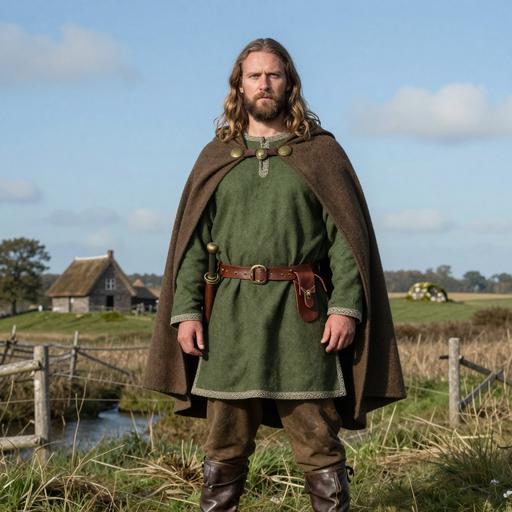
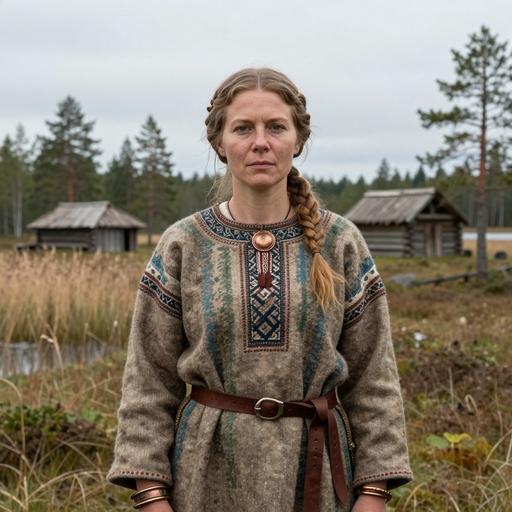
Portrait of ancient individual GRO005 from Netherlands, dated 1000 CE - 1100 CE
GRO005
Netherlands Saxon Medieval Groningen, Netherlands 1000 CE - 1100 CE Saxon Culture U5b1b1 Direct
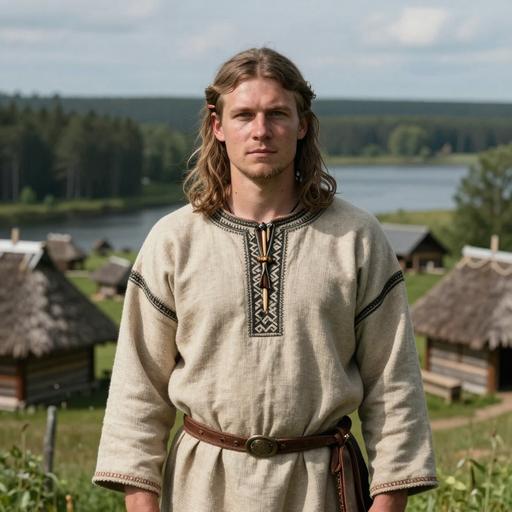
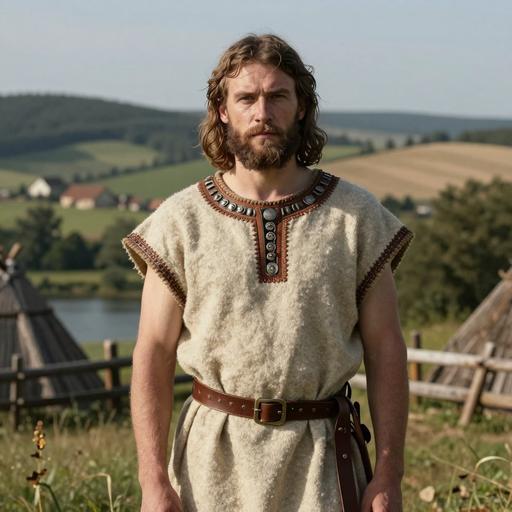
Portrait of ancient individual X15 from Estonia, dated 1206 BCE - 1006 BCE
X15
Estonia Bronze Age Estonia 1206 BCE - 1006 BCE Estonian Bronze Age U5b1b1 Direct
Portrait of ancient individual X15 from Estonia, dated 1206 BCE - 1006 BCE
X15
Estonia Late Bronze Age Baltic 1206 BCE - 1006 BCE U5b1b1 Direct
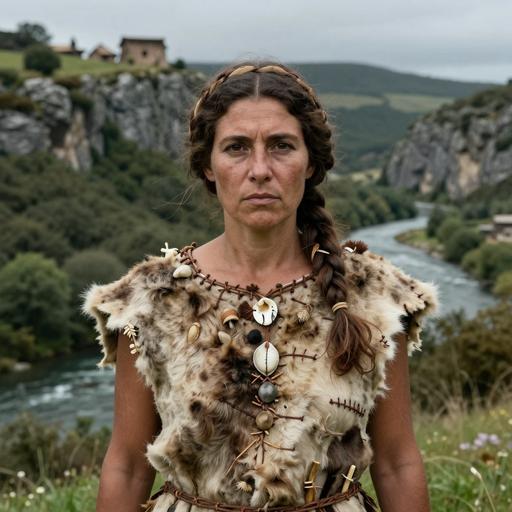
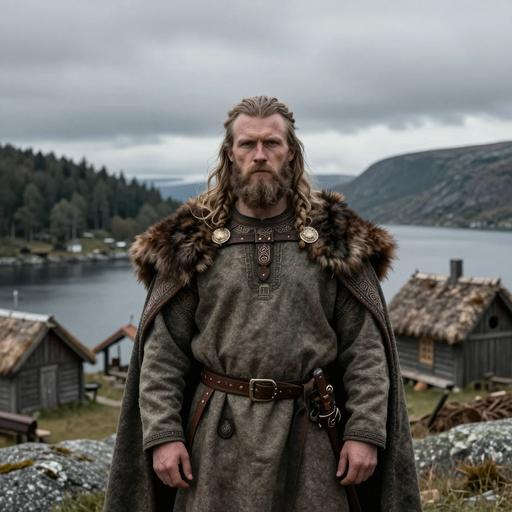
Portrait of ancient individual NEO646 from Spain, dated 6589 BCE - 6426 BCE
NEO646
Spain Asturian Mesolithic 6589 BCE - 6426 BCE Asturian Culture U5b1b1 Direct
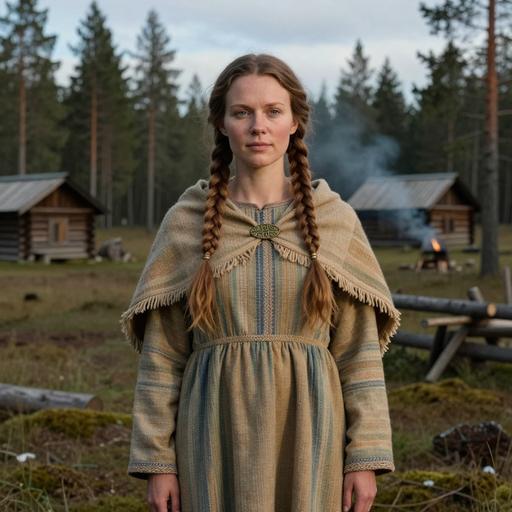
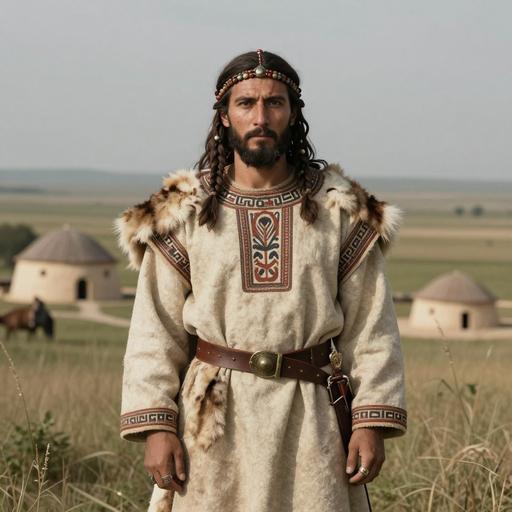
Portrait of ancient individual JK1963 from Finland, dated 300 CE - 800 CE
JK1963
Finland Levanluhta Site, Finland 300 CE - 800 CE Levanluhta U5b1b1a1* Downstream
Portrait of ancient individual JK1967 from Finland, dated 300 CE - 800 CE
JK1967
Finland Levanluhta Site, Finland 300 CE - 800 CE Levanluhta U5b1b1a4 Downstream
Portrait of ancient individual JK1963 from Finland, dated 300 CE - 800 CE
JK1963
Finland Middle Iron Age Finland 300 CE - 800 CE U5b1b1a1* Downstream
Portrait of ancient individual JK1967 from Finland, dated 300 CE - 800 CE
JK1967
Finland Middle Iron Age Finland 300 CE - 800 CE U5b1b1a4 Downstream
Portrait of ancient individual I17014 from United Kingdom, dated 381 BCE - 179 BCE
I17014
United Kingdom Middle Iron Age England 381 BCE - 179 BCE Middle Iron Age British U5b1b1d Downstream
Portrait of ancient individual I17320 from Czech Republic, dated 400 BCE - 200 BCE
I17320
Czech Republic Iron Age La Tène Culture, Czech Republic 400 BCE - 200 BCE La Tène Culture U5b1b1d Downstream
Chapter VI

Carrier Distribution Map

Geographic distribution of 29 ancient DNA samples (direct and subclade carriers of U5B1B1)

Direct carrier Subclade carrier
Time Period Filter
All Time Periods
Showing all samples
Chapter VII

Temporal Distribution

Distribution of carriers across archaeological periods

Chapter VIII

Geographic Distribution

Distribution by country of origin (direct and subclade carriers shown by default)

Chapter IX

Country × Era Distribution

Cross-tabulation of carrier countries and archaeological periods (direct and subclade carriers shown by default)

Data

Data & Provenance

Source information and data quality

Last Updated 2026-02-16
Confidence Score 50/100
Coverage Low
Data Source

We use the latest phylotree for MTDNA haplogroup classification and data.