Menu
mtDNA Haplogroup • Maternal Lineage

W5

mtDNA Haplogroup W5

~8,000 years ago
Near East / South Asia
2 subclades
Scroll to explore
Chapter I

The Story

The journey of mtDNA haplogroup W5

Origins and Evolution

W5 is a downstream subclade of mtDNA haplogroup W, which itself is thought to have arisen in the Near East or adjacent parts of South Asia during the Upper Paleolithic. As a derived branch, W5 likely split from other W lineages sometime in the early to mid-Holocene (several thousand years after the initial W diversification). The timing and distribution of W5 are consistent with a lineage that emerged in a Near Eastern or South Asian population and spread into adjacent regions through a mixture of small-scale migrations and larger demographic events associated with the Neolithic transition and later Bronze Age population movements.

Subclades

W5 is one of several named sublineages under haplogroup W. Depending on the resolution of mtDNA sequencing, W5 may itself include further downstream branches (e.g., W5a, W5b in some local phylogenies), which show finer-scale geographic structure. These sub-branches are typically rare and often localized, reflecting drift and founder effects in particular regions or communities.

Geographical Distribution

The modern distribution of W5 is patchy and characterized by low to moderate frequencies in multiple adjacent regions rather than high frequency in a single core area. W5 appears in:

  • Eastern and Northern Europe at low-to-moderate frequencies, often in populations that show mixed ancestry from Neolithic farmers and later Bronze Age groups.
  • The Caucasus and Anatolia, where it is found at low-to-moderate levels and can reflect long-term local continuity and cross-Caucasus gene flow.
  • South Asia (India, Pakistan) in scattered occurrences, consistent with W’s broader presence in parts of South Asia.
  • Central Asia and parts of the Near East where Eurasian maternal lineages have mixed over millennia.

Ancient DNA evidence shows occasional occurrences of W and its subclades in archaeological contexts across Europe and West Eurasia; W5 specifically is rarer in aDNA datasets but conforms to the general pattern of Holocene-era dispersal.

Historical and Cultural Significance

Because W5 is relatively rare, it is not tied exclusively to any single archaeological culture, but it plausibly participated in the demographic processes associated with major cultural horizons: the Neolithic expansion of farming, which moved Near Eastern lineages into Europe, and later Bronze Age population movements (steppe-derived and regional migrations) that reshaped maternal gene pools in parts of Europe and Central Asia. In modern populations, W5 may therefore reflect a mosaic of ancestry components — residual local hunter-gatherer/early farmer lineages combined with later regional admixture.

Conclusion

W5 is best understood as a geographically widespread but low-frequency maternal lineage derived from the broader W clade. Its presence across Europe, the Caucasus, Central Asia, and South Asia highlights the complex web of Holocene population movements linking the Near East to adjacent regions. While not a major marker of any single migratory event, W5 contributes useful resolution to studies of maternal ancestry where high-resolution mitogenome data are available.

Key Points

  • Origins and Evolution
  • Subclades
  • Geographical Distribution
  • Historical and Cultural Significance
  • Conclusion
Chapter II

Tree & Relationships

Phylogenetic context and subclades

Evolution Path

This haplogroup's evolutionary journey from its earliest ancestor to the present.

Steps Haplogroup Age Estimate Archaeology Era Time Passed Immediate Descendants Tested Modern Descendants Ancient Connections
1 W5 Current ~8,000 years ago 🌾 Neolithic 7,500 years 2 11 0
2 W ~20,000 years ago 🏹 Mesolithic 20,000 years 6 419 114
3 N2 ~45,000 years ago 🦴 Paleolithic 45,000 years 2 423 0
4 N ~60,000 years ago 🦴 Paleolithic 60,000 years 15 15,452 13
5 L3 ~70,000 years ago 🦴 Paleolithic 70,000 years 11 17,621 6
6 L ~160,000 years ago 🦴 Paleolithic 160,000 years 7 18,987 5

Siblings (5)

Other branches from the same parent haplogroup

Chapter III

Where in the World

Geographic distribution and modern presence

Place of Origin

Near East / South Asia

Modern Distribution

The populations where mtDNA haplogroup W5 is found include:

  1. Eastern European populations (e.g., Russians, Ukrainians, Belarusians)
  2. Northern European populations (e.g., Scandinavians, Finns)
  3. South Asian populations (e.g., Indian and Pakistani groups)
  4. Caucasus populations (e.g., Georgians, Armenians, Azerbaijanis)
  5. Central Asian populations (e.g., Uzbeks, Kazakhs)
  6. Near Eastern populations (e.g., Turks, Iranians)
  7. Scattered occurrences in Western China and southern Siberia
CHAPTER IV

When in Time

Your haplogroup in the context of human history

~10k years ago

Neolithic Revolution

Agriculture begins, settled communities form

~7k years ago

Haplogroup W5

Your mtDNA haplogroup emerged in Near East / South Asia

Near East / South Asia
~5k years ago

Bronze Age

Metalworking, writing, and early civilizations

~3k years ago

Iron Age

Iron tools, expanded trade networks

~2k years ago

Classical Antiquity

Greek and Roman civilizations flourish

Present

Present Day

Modern era

Your Haplogroup
Historical Era
Chapter IV-B

Linked Cultures

Ancient cultures associated with mtDNA haplogroup W5

Cultural Heritage

These ancient cultures have been linked to haplogroup W5 based on matching ancient DNA samples from archaeological excavations. The presence of this haplogroup in these cultures provides insights into the migrations and population movements of populations carrying this haplogroup.

Armenian LBA-EIA Baalberge Culture Bell Beaker Early Bronze Age Anatolian Globular Amphora Linear Pottery Culture Magyar Commoner Culture Starčevo Culture
Culture assignments are based on archaeological context of ancient DNA samples and may represent regional associations during specific time periods.
Chapter V

Sample Catalog

16 direct carriers and 6 subclade carriers of haplogroup W5

22 / 22 samples
Portrait Sample Country Era Date Culture mtDNA Match
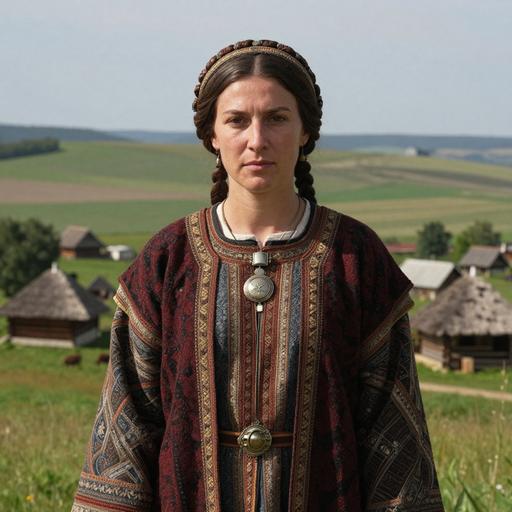
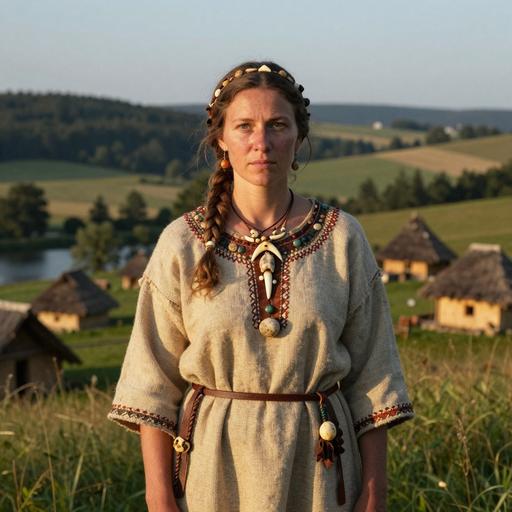
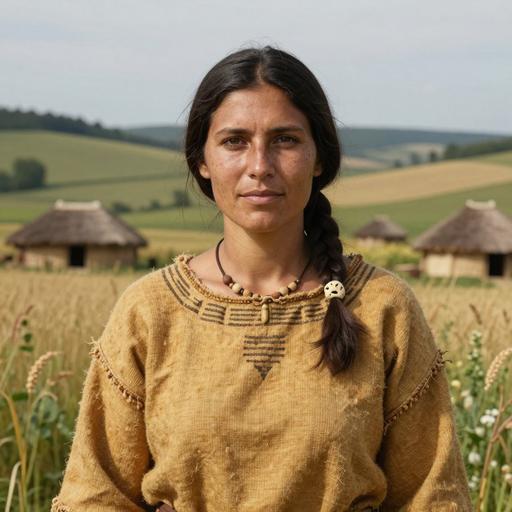
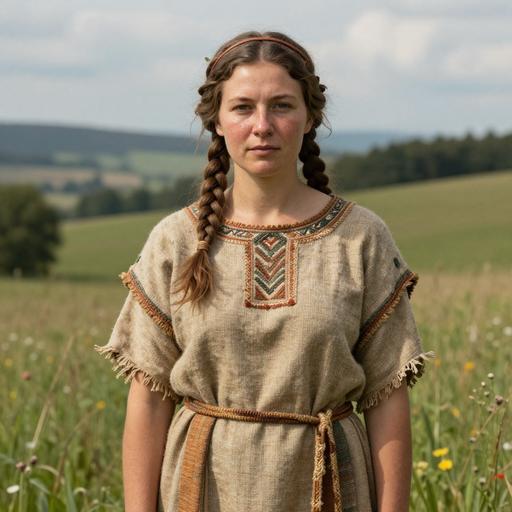
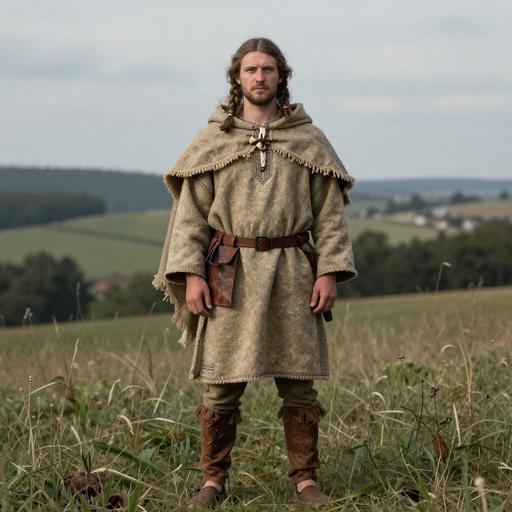
Portrait of ancient individual SZKT-89 from Hungary, dated 672 CE - 774 CE
SZKT-89
Hungary Late Avar Period Hungary 672 CE - 774 CE Avar Culture W5 Direct
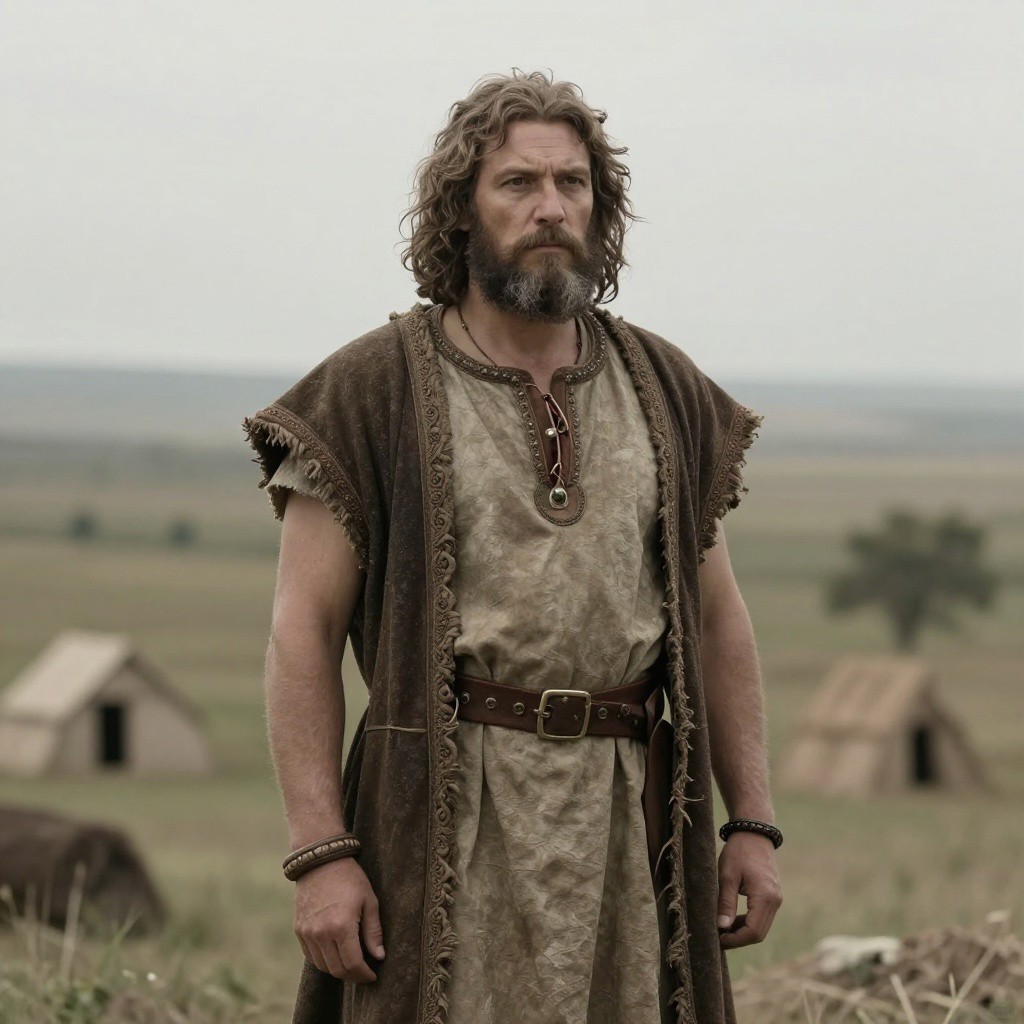
Portrait of ancient individual SH-106 from Hungary, dated 900 CE - 1000 CE
SH-106
Hungary Conqueror Commoner Hungary 900 CE - 1000 CE Magyar Commoner Culture W5 Direct
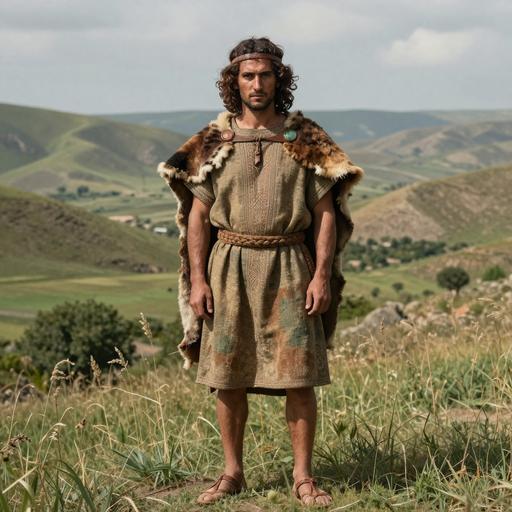
Portrait of ancient individual I14601 from Armenia, dated 1050 BCE - 800 BCE
I14601
Armenia Late Bronze Age to Early Iron Age Armenia 1050 BCE - 800 BCE Armenian LBA-EIA W5 Direct
Portrait of ancient individual I5834 from Germany, dated 2500 BCE - 2000 BCE
I5834
Germany Bell Beaker Culture, Germany 2500 BCE - 2000 BCE Bell Beaker W5 Direct
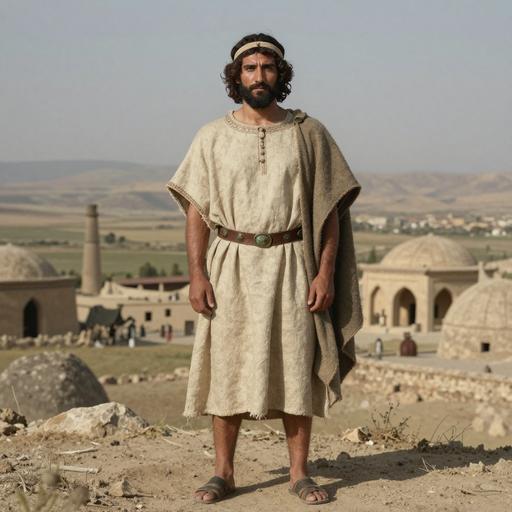
Portrait of ancient individual MA2212 from Turkey, dated 2750 BCE - 2500 BCE
MA2212
Turkey Early Bronze Age II Turkey 2750 BCE - 2500 BCE Early Bronze Age Anatolian W5 Direct
Portrait of ancient individual MA2212 from Turkey, dated 2750 BCE - 2500 BCE
MA2212
Turkey Early Bronze Age Anatolia 2750 BCE - 2500 BCE W5 Direct
Portrait of ancient individual I2405 from Poland, dated 3337 BCE - 3021 BCE
I2405
Poland Globular Amphora Culture, Poland 3337 BCE - 3021 BCE Globular Amphora W5 Direct
Portrait of ancient individual I2405 from Poland, dated 3337 BCE - 3021 BCE
I2405
Poland The Globular Amphora Culture 3337 BCE - 3021 BCE W5 Direct
Portrait of ancient individual I7189 from Czech Republic, dated 3634 BCE - 3522 BCE
I7189
Czech Republic Chalcolithic Baalberge Culture, Czech Republic 3634 BCE - 3522 BCE Baalberge Culture W5 Direct
Portrait of ancient individual I16013 from Slovakia, dated 5300 BCE - 5000 BCE
I16013
Slovakia Neolithic Linear Pottery Culture of Slovakia 5300 BCE - 5000 BCE Linear Pottery Culture W5 Direct
Chapter VI

Carrier Distribution Map

Geographic distribution of 22 ancient DNA samples (direct and subclade carriers of W5)

Direct carrier Subclade carrier
Time Period Filter
All Time Periods
Showing all samples
Chapter VII

Temporal Distribution

Distribution of carriers across archaeological periods

Chapter VIII

Geographic Distribution

Distribution by country of origin (direct and subclade carriers shown by default)

Chapter IX

Country × Era Distribution

Cross-tabulation of carrier countries and archaeological periods (direct and subclade carriers shown by default)

Data

Data & Provenance

Source information and data quality

Last Updated 2026-02-16
Confidence Score 50/100
Coverage Low
Data Source

We use the latest phylotree for MTDNA haplogroup classification and data.