The Story
The journey of mtDNA haplogroup Z
Haplogroup Z is a mitochondrial DNA (mtDNA) haplogroup that is maternally inherited and has significant importance in tracing the ancient migrations of human populations. It is a relatively rare haplogroup and is found in specific regions across Northeast Asia, Siberia, Central Asia, and Northern Europe, as well as among some Native American populations. Haplogroup Z is a descendant of haplogroup N, which is one of the two major mtDNA lineages that left Africa during the Out of Africa migration.
Origin and Evolution
Haplogroup Z is estimated to have originated around 17,000 to 23,000 years ago, likely in Central Asia or Siberia. It emerged as a subclade of haplogroup N, which is one of the earliest mitochondrial lineages to have migrated out of Africa. Haplogroup Z developed during the Upper Paleolithic, a period marked by significant human migrations and adaptations to new environments, including the cold climates of Siberia and Northeast Asia.
The presence of haplogroup Z in these regions is closely tied to the adaptations of early human populations to the challenges of the Last Glacial Maximum (LGM), around 18,000 to 20,000 years ago. These populations were among the first to expand into the harsh environments of northern Asia, and haplogroup Z reflects their genetic legacy.
Subclades of Haplogroup Z
Haplogroup Z has two main subclades:
Z1: The most common subclade of haplogroup Z, found primarily in Northeast Asia, Siberia, and Northern Europe.
Z2: A rarer subclade, primarily found in Central Asia and parts of Siberia.
Each subclade reflects ancient migration patterns and the subsequent diversification of populations across these regions.
Geographic Distribution and Significance
Siberia and Northeast Asia
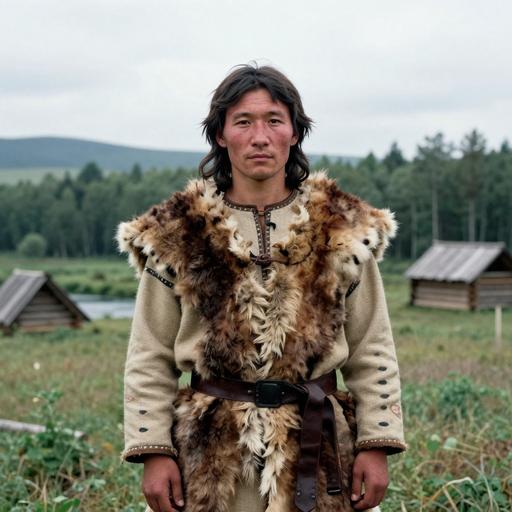
Haplogroup Z is most commonly found in Siberia and Northeast Asia, where it is associated with Indigenous populations that have historically inhabited these regions. It is particularly prevalent among Evenk, Yakut, and Nganasan populations in Siberia. The widespread presence of haplogroup Z in these populations indicates ancient roots in northern Asia, likely linked to the adaptations of early human populations to the cold and harsh conditions of the Arctic and subarctic regions.
Central Asia
Haplogroup Z is also found in Central Asia, where it likely originated or where it diversified early in its history. Populations in Kazakhstan, Uzbekistan, and surrounding regions carry haplogroup Z, reflecting the role of Central Asia as a key region for ancient human migrations and genetic diversification.
Northern Europe
In Northern Europe, haplogroup Z is found at low frequencies, particularly among populations in Finland and Scandinavia. The presence of haplogroup Z in these populations is thought to result from ancient migrations from Siberia into Europe, possibly during the Bronze Age or earlier. This connection highlights the genetic links between northern Europe and Siberia, which were historically connected by migratory routes.
Native American Populations
Haplogroup Z is also found at low frequencies in some Native American populations, particularly in North America. Its presence among Native Americans is significant for understanding the early peopling of the Americas. Haplogroup Z likely represents one of the maternal lineages carried by ancient populations that migrated from Siberia into North America via the Bering Land Bridge, around 15,000 to 20,000 years ago. Although haplogroup Z is much less common in Native Americans than haplogroups A, B, C, and D, its presence provides further evidence of the genetic diversity of the populations that crossed into the Americas during the late Pleistocene.
Role in Human Migration
Haplogroup Z plays a crucial role in understanding human migrations, particularly across Eurasia and into North America. The following are some key migratory patterns associated with haplogroup Z:
Migration Across Northern Asia
Haplogroup Z is associated with the early migrations of human populations across Northern Asia. These migrations likely occurred during the Upper Paleolithic, when small populations adapted to the extreme cold and began moving into new territories in Siberia and Northeast Asia. Haplogroup Z reflects these early expansions and the subsequent adaptation to life in these cold, challenging environments.
Movement into Northern Europe
The presence of haplogroup Z in Northern Europe is likely tied to later migrations from Siberia into Europe, possibly during the Bronze Age or through ancient trade routes that connected northern Europe to Central Asia and Siberia. These migrations contributed to the genetic makeup of Finland and Scandinavia, where haplogroup Z persists at low frequencies.
Peopling of the Americas
One of the most important aspects of haplogroup Z is its role in the peopling of the Americas. The migration of ancient populations across the Bering Land Bridge from Siberia to North America around 15,000 to 20,000 years ago likely carried haplogroup Z into the Americas. Although it is much rarer in Native American populations than other haplogroups, its presence highlights the genetic diversity of the populations that migrated into the Americas and helps to trace their origins back to Siberia.
Ancient DNA and Archaeological Evidence
Ancient DNA studies have identified haplogroup Z in prehistoric human remains from Siberia, Northeast Asia, and Europe, providing valuable insights into the ancient migrations and genetic history of these regions. For example:
Haplogroup Z has been detected in Upper Paleolithic and Neolithic remains in Siberia and Northeast Asia, confirming its ancient presence in these regions and its role in the adaptation of human populations to northern climates.
Ancient DNA studies in Finland and Scandinavia have identified haplogroup Z in prehistoric remains, supporting the idea of ancient migrations from Siberia into Northern Europe.
Haplogroup Z has also been detected in Native American remains, further supporting the hypothesis that it was part of the early migrations into the Americas from Siberia.
Modern Distribution and Frequency
Haplogroup Z is relatively rare globally, but it has a specific geographic distribution:
Siberia and Northeast Asia: Haplogroup Z is found at moderate frequencies among Indigenous Siberian populations, particularly the Evenk, Yakut, and Nganasan.
Central Asia: It is present at low to moderate frequencies in Kazakhstan, Uzbekistan, and surrounding regions.
Northern Europe: In Finland and Scandinavia, haplogroup Z occurs at low frequencies, reflecting ancient migrations from Siberia into northern Europe.
Native American Populations: Haplogroup Z is found at very low frequencies among Native American populations, particularly in North America, and reflects one of the ancient lineages that migrated into the Americas.
Genetic and Evolutionary Significance
Haplogroup Z is significant for understanding the genetic history of populations across Siberia, Northeast Asia, Central Asia, Northern Europe, and the Americas. Its presence in these regions highlights the role of ancient human migrations and adaptations to extreme environments, particularly during the Upper Paleolithic and Neolithic periods.
The appearance of haplogroup Z in Native American populations is also critical for reconstructing the early peopling of the Americas and understanding the genetic diversity of the populations that crossed from Siberia into North America.
Conclusion
Haplogroup Z is a mitochondrial DNA lineage with ancient origins in Siberia or Central Asia and a significant, though rare, presence in populations across Northeast Asia, Northern Europe, and North America. Originating around 17,000 to 23,000 years ago, haplogroup Z reflects the early migrations of humans into some of the most challenging environments on Earth, including the cold climates of Siberia and the subarctic regions of northern Asia.
Today, haplogroup Z is found in moderate frequencies among Siberian and Northeast Asian populations, as well as at low frequencies in Northern Europe and Native American groups. Its role in the early peopling of the Americas and its connection to ancient populations in Siberia make haplogroup Z a key focus of research in human genetics and prehistory, helping to unravel the complex history of human migrations across the northern latitudes and into the Americas.
Key Points
- Origin and Evolution
- Subclades of Haplogroup Z
- Geographic Distribution and Significance
- Role in Human Migration
- Ancient DNA and Archaeological Evidence