Menu
Y-DNA Haplogroup • Paternal Lineage

C2

Y-DNA Haplogroup C2

~30,000 years ago
East-Central Asia
3 subclades
24 ancient samples
Scroll to explore
Chapter I

The Story

The journey of Y-DNA haplogroup C2

Origins and Evolution

Haplogroup C2 is a primary branch of Y-DNA haplogroup C (M130) and is frequently equated with the marker set centered on M217 and its downstream SNPs. It most likely originated in East–Central Asia during the Upper Paleolithic to early Late Pleistocene (roughly ~25–35 kya in most molecular-clock estimates), after the initial diversification of haplogroup C. From that regional origin, C2 diversified into multiple regional subclades that show strong geographic structuring associated with later population movements across Siberia, the eastern Eurasian steppe, and neighboring regions.

Subclades

C2 comprises several downstream lineages (often labeled in literature as C2a, C2b, C2c, etc., or by specific SNP names in different trees). These subclades display regional specialization: for example, northern/Siberian sub-branches are frequent among Tungusic and some Mongolic speakers; other branches are enriched in Mongolian and Central Asian pastoralist groups; and some deeply divergent lineages occur at low frequency in Northeast Asian populations (Koreans, Japanese) and in isolated indigenous groups. Ancient DNA and high-resolution Y-chromosome sequencing continue to refine the internal structure of C2 and to identify finer-scale clades linked to historical expansions.

Geographical Distribution

C2 is most common in Central and Northern Asia. It attains its highest frequencies and genetic diversity among Mongolic, some Turkic, and Tungusic-speaking groups across Mongolia, adjacent parts of Siberia, and parts of Kazakhstan. Moderate frequencies occur in broader East Asia (including parts of northeastern China, Korea, and Japan). Low but notable occurrences are reported in some indigenous groups of the Americas and in scattered populations of South Asia and Oceania, reflecting either ancient coastal/overland dispersals or later localized gene flow.

Historical and Cultural Significance

The geographic pattern of C2 aligns with the genetic signature expected from long-term occupation of the Eurasian steppe and northern forest-steppe zones. Several historical events and cultural phenomena likely influenced its distribution: Bronze–Iron Age movements across the steppe, Iron Age and early historic nomadic confederations (Scythian/Saka-like groups) in parts of Central Asia, and especially Medieval nomadic expansions associated with Mongolic-speaking polities (including the Mongol expansions), which can amplify certain subclades regionally. In Siberia and northeastern Asia, C2 is an important component of the paternal ancestry of many indigenous hunter-gatherer and reindeer-herding populations.

Conclusion

Haplogroup C2 (M217 and related lineages) represents a major East–Central Asian paternal lineage with deep prehistoric roots and strong continuity in northern and central Eurasia. Its spatial structure and subclade differentiation make it a useful marker for studying the peopling of Siberia, the dynamics of steppe populations, and the paternal contributions to various East Asian, Central Asian, and some Native American groups. Ongoing high-resolution sequencing and ancient DNA sampling continue to clarify its internal phylogeny and historical trajectories.

Key Points

  • Origins and Evolution
  • Subclades
  • Geographical Distribution
  • Historical and Cultural Significance
  • Conclusion
Chapter II

Tree & Relationships

Phylogenetic context and subclades

Evolution Path

This haplogroup's evolutionary journey from its earliest ancestor to the present.

Steps Haplogroup Age Estimate Archaeology Era Time Passed Immediate Descendants Tested Modern Descendants Ancient Connections
1 C2 Current ~30,000 years ago 🦴 Paleolithic 30,000 years 3 73 24
2 C ~53,000 years ago 🦴 Paleolithic 53,000 years 3 303 35

Siblings (2)

Other branches from the same parent haplogroup

Chapter III

Where in the World

Geographic distribution and modern presence

Place of Origin

East-Central Asia

Modern Distribution

The populations where Y-DNA haplogroup C2 is found include:

  1. Indigenous peoples of Australia (Aboriginal Australians)
  2. Indigenous peoples of Melanesia and Polynesia
  3. Some populations in East Asia (e.g., Mongolians, Chinese, Koreans, and Japanese)
  4. Central Asians (e.g., Kazakhs, Kyrgyz, and Mongols)
  5. Indigenous peoples of the Americas (in lower frequencies)
  6. Some populations in South Asia (e.g., India and Pakistan)
  7. Indigenous peoples of Siberia (e.g., Evenks and Yukaghirs)

Regional Presence

Central Asia High
Northeast Asia / Siberia High
East Asia Moderate
South Asia Low
Oceania (Australia, Melanesia, Polynesia) Low
North and Central Americas Low
CHAPTER IV

When in Time

Your haplogroup in the context of human history

~30k years ago

Haplogroup C2

Your Y-DNA haplogroup emerged in East-Central Asia

East-Central Asia
~20k years ago

Last Glacial Maximum

Peak of the last ice age, populations isolated

~10k years ago

Neolithic Revolution

Agriculture begins, settled communities form

~5k years ago

Bronze Age

Metalworking, writing, and early civilizations

~3k years ago

Iron Age

Iron tools, expanded trade networks

~2k years ago

Classical Antiquity

Greek and Roman civilizations flourish

Present

Present Day

Modern era

Your Haplogroup
Historical Era
Chapter IV-B

Linked Cultures

Ancient cultures associated with Y-DNA haplogroup C2

Cultural Heritage

These ancient cultures have been linked to haplogroup C2 based on matching ancient DNA samples from archaeological excavations. The presence of this haplogroup in these cultures provides insights into the migrations and population movements of populations carrying this haplogroup.

Buran-Kaya Chinese Paleolithic Kostenki Culture Paglicci Culture Sunghir Culture
Culture assignments are based on archaeological context of ancient DNA samples and may represent regional associations during specific time periods.
Chapter V

Sample Catalog

24 subclade carriers of haplogroup C2 (no exact C2 samples sequenced yet)

24 / 24 samples
Portrait Sample Country Era Date Culture Y-DNA Match
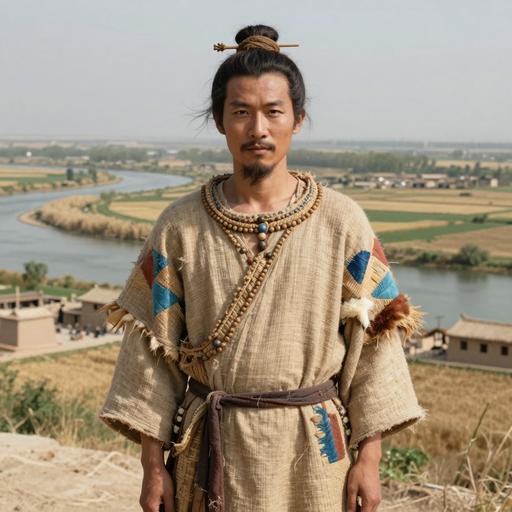
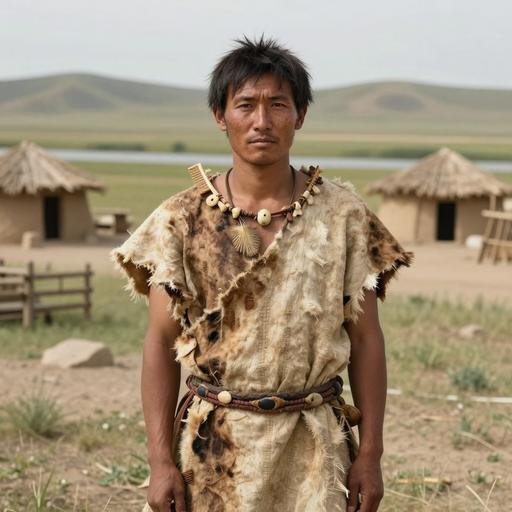
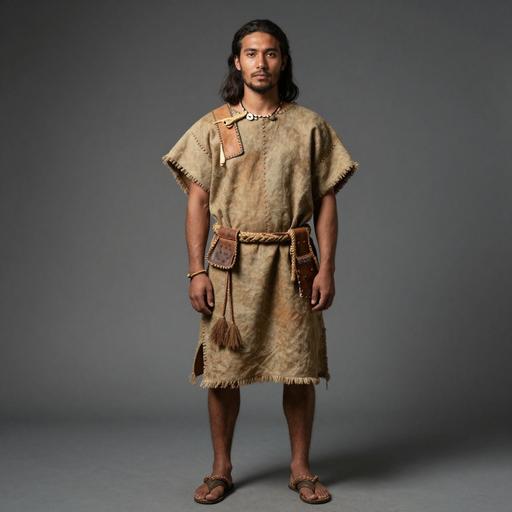
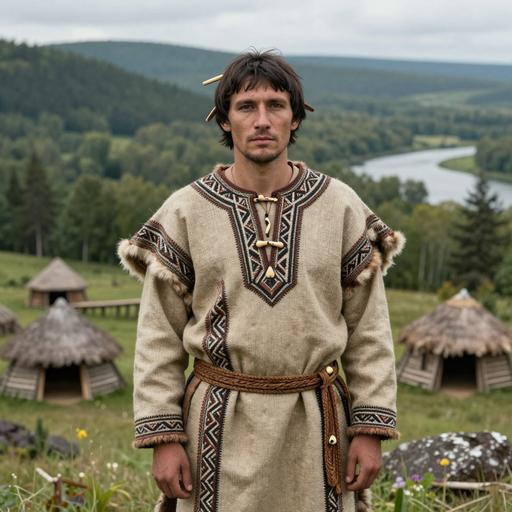
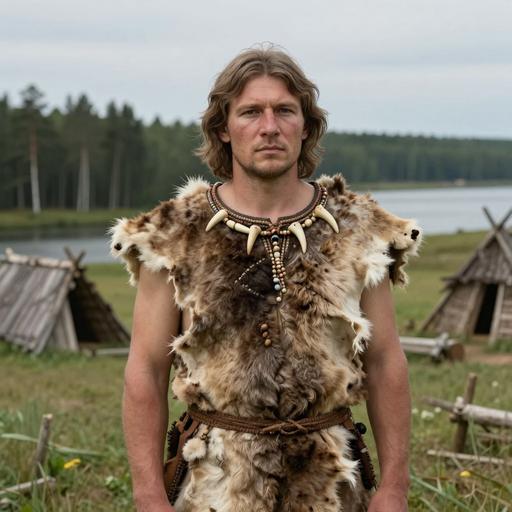
Portrait of ancient individual I6228 from Mongolia, dated 40 BCE - 109 CE
I6228
Mongolia Early Iron Age Xiongnu Culture 7, Mongolia 40 BCE - 109 CE Xiongnu Culture C2a1a1b1b-Y11605 Downstream
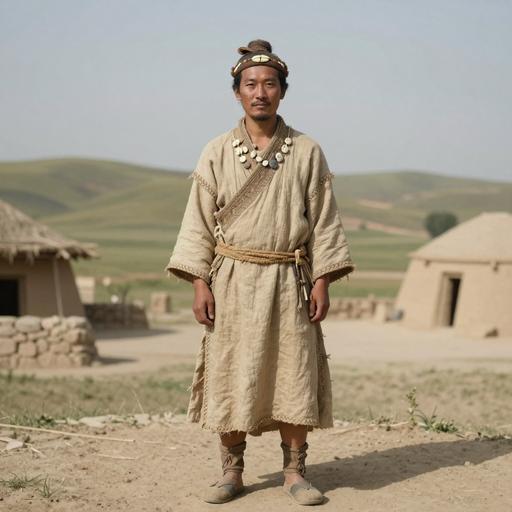
Portrait of ancient individual MGS-M7R from China, dated 50 CE - 250 CE
MGS-M7R
China Iron Age Xianbei Culture, Amur River Region, China 50 CE - 250 CE Xianbei Culture C2b1a1b1b Downstream
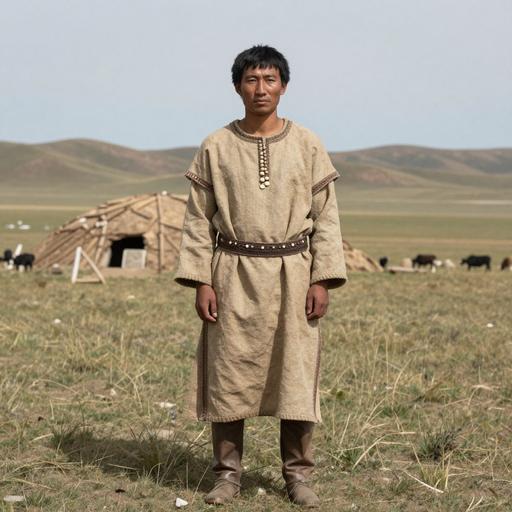
Portrait of ancient individual C1705 from China, dated 368 BCE - 173 BCE
C1705
China Iron Age Kalatasi, Xinjiang, China 368 BCE - 173 BCE Kalatasi Culture C2b1c Downstream
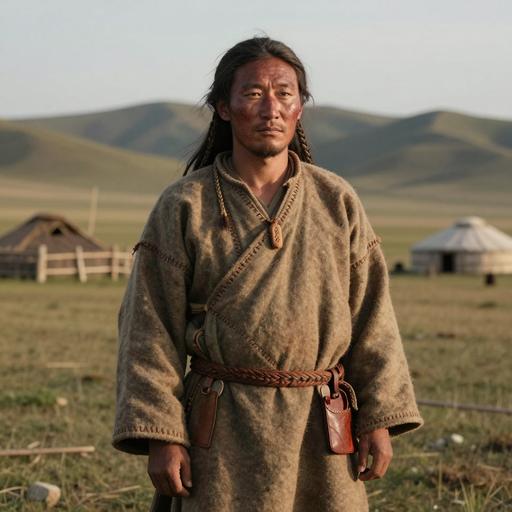
Portrait of ancient individual C1706 from China, dated 368 BCE - 173 BCE
C1706
China Iron Age Kalatasi, Xinjiang, China 368 BCE - 173 BCE Kalatasi Culture C2b1c Downstream
Portrait of ancient individual I12975 from Mongolia, dated 1255 BCE - 1055 BCE
I12975
Mongolia Late Bronze Age Center West 4, Mongolia 1255 BCE - 1055 BCE Center West 4 C2a1a-F1699 Downstream
Portrait of ancient individual M167 from China, dated 1368 CE - 1644 CE
M167
China Ming Dynasty China (Dasongshan) 1368 CE - 1644 CE Ming Dynasty C2b1b1-F5480 Downstream
Portrait of ancient individual M40 from China, dated 1368 CE - 1644 CE
M40
China Ming Dynasty China (Dasongshan) 1368 CE - 1644 CE Ming Dynasty C2b1-K490 Downstream
Portrait of ancient individual DX1047 from China, dated 2000 CE
DX1047
China Modern China 2000 CE Chinese C2b2a Downstream
Portrait of ancient individual HJTM107 from China, dated 2137 BCE - 1948 BCE
HJTM107
China Late Neolithic Yellow River, China 2137 BCE - 1948 BCE Yellow River Culture C2e2 Downstream
Portrait of ancient individual SM-M27 from China, dated 2250 BCE - 1950 BCE
SM-M27
China Late Neolithic Shimao, China 2250 BCE - 1950 BCE Shimao Culture C2e1b2 Downstream
Chapter VI

Carrier Distribution Map

Geographic distribution of 24 ancient DNA samples (direct and subclade carriers of C2)

Subclade carrier
Time Period Filter
All Time Periods
Showing all samples
Chapter VII

Temporal Distribution

Distribution of carriers across archaeological periods

Chapter VIII

Geographic Distribution

Distribution by country of origin (direct and subclade carriers shown by default)

Chapter IX

Country × Era Distribution

Cross-tabulation of carrier countries and archaeological periods (direct and subclade carriers shown by default)

Data

Data & Provenance

Source information and data quality

Last Updated 2026-02-16
Confidence Score 50/100
Coverage Low
Data Source

We use the latest phylotree for YDNA haplogroup classification and data.