The Story
The journey of Y-DNA haplogroup C2A1A
Origins and Evolution
Haplogroup C2A1A sits as a downstream branch of C2A1 within the broader C2 (M217) clade, which is widely associated with northern and northeastern Eurasian populations. Based on the phylogenetic position beneath C2A1 (commonly dated to roughly 12 kya in Central–East Asia) and diversity patterns observed in modern samples, C2A1A most plausibly arose in Central–East Asia during the Holocene (on the order of ~6 kya). Its emergence postdates initial postglacial expansions of C2 lineages and reflects later regional differentiation among populations inhabiting the forest-steppe and steppe zones of Siberia, Mongolia and adjacent regions.
Subclades (if applicable)
Several downstream branches have been identified within the C2A1A grouping in population surveys and targeted studies; many are geographically structured rather than broadly distributed. Subclades of C2A1A tend to cluster by ethnolinguistic groups (for example, distinct branches in Mongolic-speaking groups, Tungusic groups, and Yakut/Sakha clans). Where high-resolution SNP or STR data are available, researchers observe local star-like expansions consistent with demographic growth events — some Bronze–Iron Age and others tied to historic nomadic movements (e.g., Turkic and Mongolic expansions). Detailed SNP-level resolution continues to refine these internal branches as more ancient and modern genomes are sequenced.
Geographical Distribution
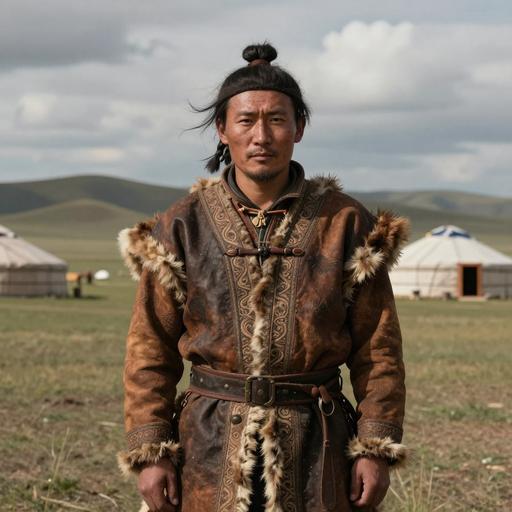
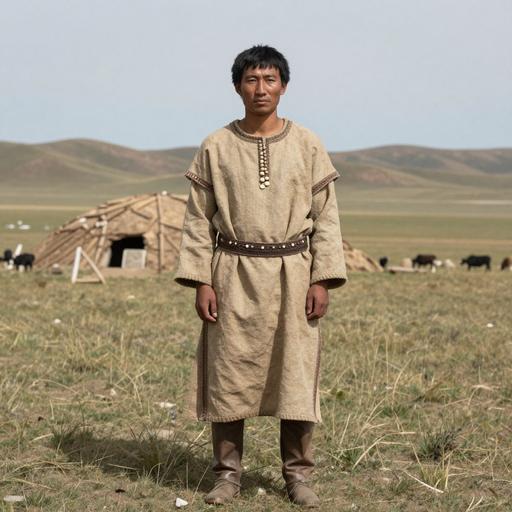
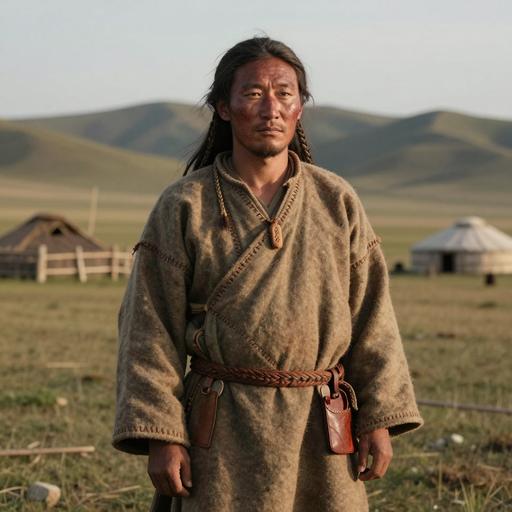
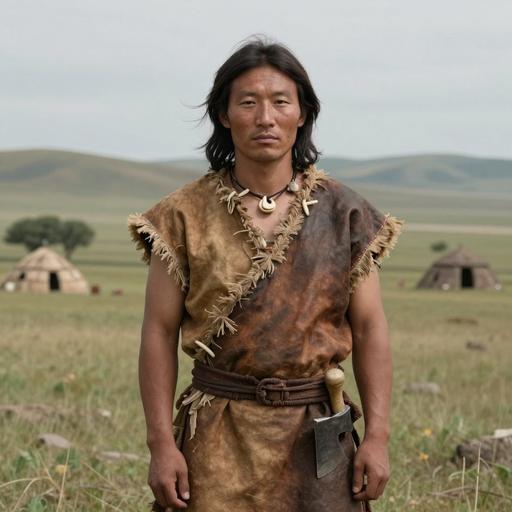
C2A1A is most frequent and diverse in the forested and steppe regions of northern and northeastern Eurasia. Highest frequencies and diversity are found among Mongolic- and Tungusic-speaking populations of Mongolia, Transbaikal, and parts of eastern Siberia. The lineage is also common in some Turkic (Sayan and southern Siberian) groups and in Yakut (Sakha) populations that migrated northeastward, where founder effects and drift produced distinctive local sublineages. Low-frequency occurrences appear in neighboring East Asian populations (including isolated reports in Korean and Japanese samples) and in very rare Beringian-derived lineages observed in North American indigenous groups, reflecting prehistoric gene flow across northeastern Asia and into Beringia.
Historical and Cultural Significance
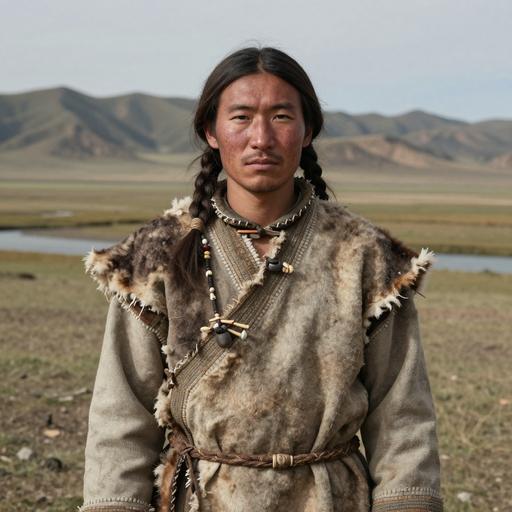
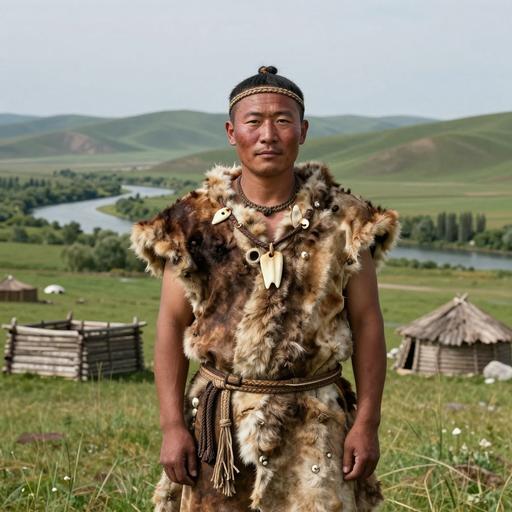
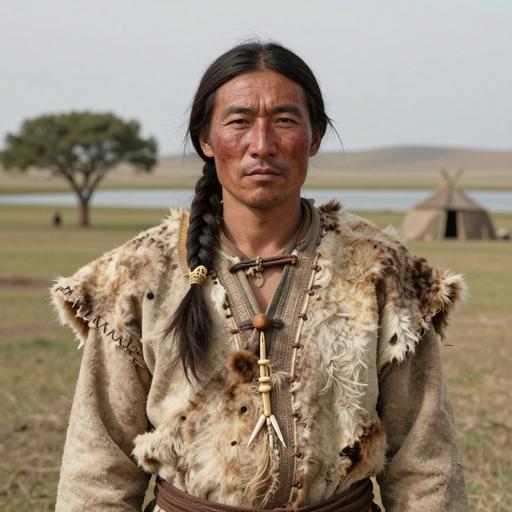
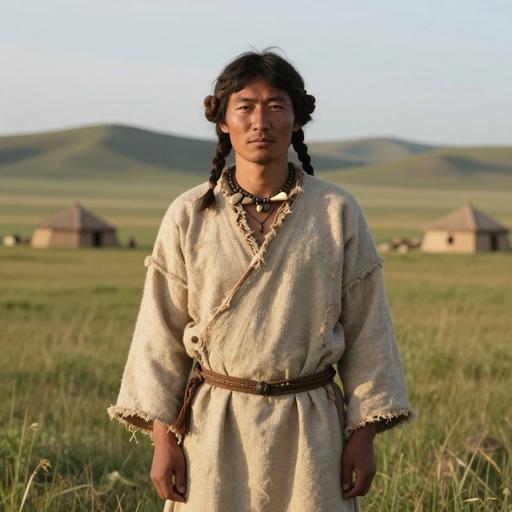
The population-genetic signature of C2A1A is consistent with both prehistoric local expansions and historic mobility associated with steppe and forest-steppe lifeways. Archaeogenetic and modern population data suggest amplification during Bronze–Iron Age and later historic periods, as pastoralist and nomadic cultures spread across northern Eurasia. C2A1A-associated paternal lineages appear among groups implicated in the eastern Eurasian nomadic networks (for example, Xiongnu-era populations and later Turkic and Mongolic confederations) and became integrated into the genetic makeup of polities such as those that formed the Mongol Empire. In northern Siberia the lineage also marks migrations and founder events (e.g., Yakut expansion into the Lena River region) that took place in the last 1–2 millennia.
Conclusion
C2A1A represents a regionally important branch of the broader C2 (M217) paternal lineage complex, reflecting Holocene differentiation in Central–East Asia followed by Bronze–Iron Age demographic processes and historic nomadic dispersals. Continued high-resolution SNP typing and ancient DNA sampling across Mongolia, southern Siberia and the Russian Far East will further clarify its internal structure, timings of local expansions, and precise associations with archaeological cultures and migration events.
Key Points
- Origins and Evolution
- Subclades (if applicable)
- Geographical Distribution
- Historical and Cultural Significance
- Conclusion