The Story
The journey of Y-DNA haplogroup C2A1
Origins and Evolution
Y-DNA haplogroup C2A1 is a downstream lineage of C2A (a branch of C2/M217), which itself is a major paternal lineage of northern and northeastern Eurasia. Based on the phylogenetic position beneath C2A and the geographic pattern of related lineages, C2A1 most plausibly arose in Central–East Asia during the late Upper Paleolithic to early Holocene (roughly ~12 kya in the estimate given here). Its emergence fits a pattern of regional diversification of male lineages in refugial and newly colonized zones of northeastern Asia following the Last Glacial Maximum.
Divergence of C2A1 would have occurred as human groups in Mongolia, Manchuria and adjacent Siberian zones developed local population structure; subsequent subclades of C2A1 expanded at different times, some during the Neolithic and Bronze Age transitions and others during historic-era nomadic movements.
Subclades
C2A1 is an intermediate clade between the broader C2A node and more terminal sublineages that are often highly regionalized. Subclades of C2A1 show varying patterns: some are relatively old and restricted to particular ethnic groups (for example specific Mongol or Tungusic lineages), while others display star-like patterns consistent with more recent rapid expansions associated with pastoralist or nomadic social structures. Ancient DNA studies and dense SNP-based sequencing continue to refine the internal tree and timing of those expansions.
Geographical Distribution
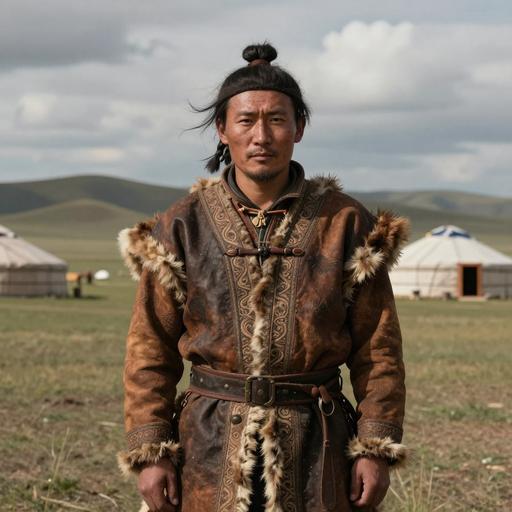
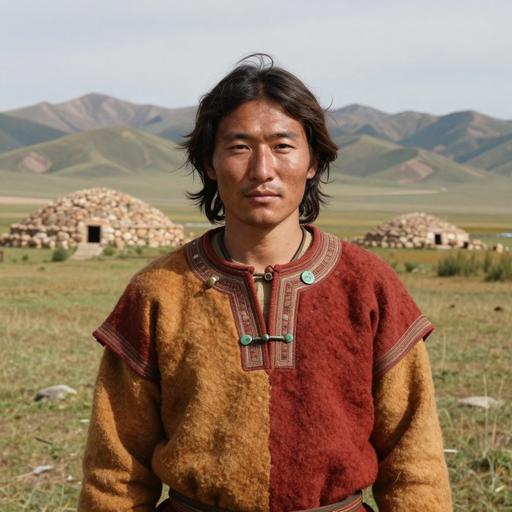
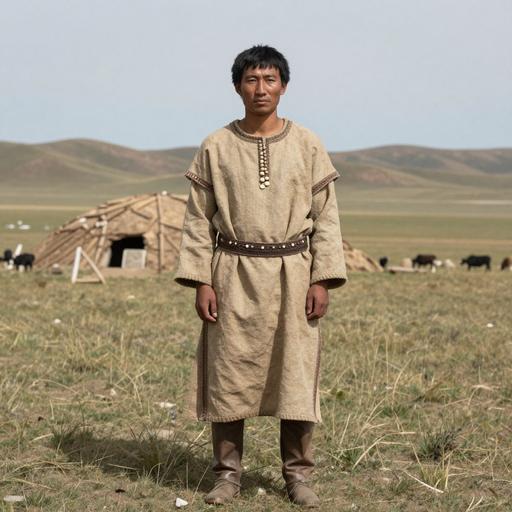
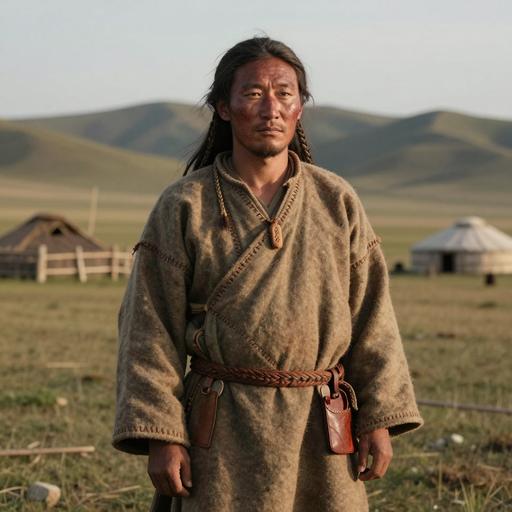
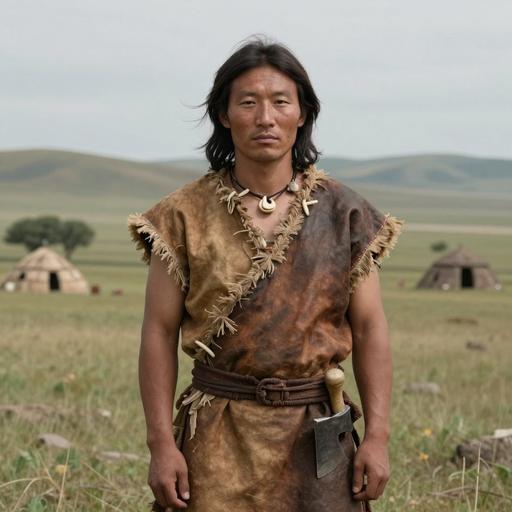
The highest frequencies of C2A1 and its subclades occur in populations of northeastern Eurasia: Mongolic-speaking peoples (Mongols, Buryats), many Tungusic groups (Evenks, Evens, Oroqen), and northern Siberian populations including Yakuts (Sakha). There are also moderate occurrences among some Turkic-speaking groups of Central Asia and southern Siberia (e.g., Tuvans, certain Kazakh clans) and low-frequency detections in Northeast Asian populations such as Koreans and Japanese, which likely reflect gene flow and historical contacts. A small number of geographically restricted subclades trace across Beringia into parts of North America, indicating very limited ancient connections between Siberia and Indigenous North American paternal lineages.
Historical and Cultural Significance
Although C2A1 predates historical states, its demographic footprint was amplified by the social and migratory dynamics of pastoralist and nomadic societies. Lineages within the broader C2 clade have been associated with elite paternal lineages in various nomadic confederations of the steppe and forest-steppe (for example, associations noted in studies of medieval Mongol period remains). Periods of demographic growth for particular C2A1 subclades likely correspond to the expansion of mobile pastoralism in eastern Eurasia, Bronze Age and Iron Age steppe dynamics, and historic-era events such as the formation and spread of Xianbei-, Xiongnu- and Mongol-related polities. In northern Siberia the spread of Yakut-speaking groups involved founder events that increased the local frequency of certain C2A1-derived lineages.
It is important to note that haplogroup presence does not map neatly onto language or culture; C2A1 coexists with other Y lineages in the same populations, and social processes (elite dominance, founder effects, assimilation) shape patterns observed in both modern and ancient DNA.
Conclusion
C2A1 is a regionally important East-Central Asian male lineage that helps trace the deep peopling and later demographic history of northern Eurasia. Its phylogenetic position beneath C2A and distribution among Mongolic, Tungusic, Turkic and some Siberian populations make it a useful marker for studying postglacial population differentiation, steppe and forest-steppe mobility, and more recent historic expansions across northeastern Asia and into localized North American contexts. Ongoing high-resolution Y-chromosome sequencing and ancient DNA sampling continue to refine its age estimates, subclade structure, and historical trajectories.
Key Points
- Origins and Evolution
- Subclades
- Geographical Distribution
- Historical and Cultural Significance
- Conclusion