The Story
The journey of Y-DNA haplogroup C2B1A1B1
Origins and Evolution
Y-DNA haplogroup C2B1A1B1 is a recently derived subclade within the broader C2 (M217) paternal lineage. The parent clade C2B1A1B likely formed around ~2 kya in the Central–East Asian / South Siberian region; C2B1A1B1 represents a downstream branch that most population-genetic evidence and coalescent estimates place in the Late Antiquity to Early Medieval period (roughly 0.5–2.0 kya). As with many C2 subclades, its history is shaped by steppe social structures: strong patrilineal descent, polygyny in some contexts, and episodic founder effects that can drive very high local frequencies in particular clans or tribal lineages.
Subclades (if applicable)
C2B1A1B1 itself is an intermediate-to-terminal subclade in many published trees and community-curated phylogenies. Where deeper resolution is available, research and commercial testing often break C2B1A1B1 into additional private or geographically-restricted downstream branches defined by SNPs discovered in targeted sequencing or Y-STR clustering. These downstream branches are frequently associated with single clans or local groups (for example, identifiable high-frequency sublineages in a Mongol or Tungusic clan). Availability of whole-Y sequencing data continues to refine internal structure and identify the youngest branches.
Geographical Distribution
The distribution of C2B1A1B1 is focused on northern and Central-East Asia, with highest representation among Mongolic and Tungusic-speaking peoples and important presence among some North Siberian groups:
- High frequencies occur in certain Mongolic-speaking groups (e.g., specific Mongol and Buryat clans) and among some Tungusic populations, reflecting strong founder/lineage effects.
- High–Moderate representation is seen in Yakut (Sakha) and other North Siberian groups, though different C2 subclades are present in different proportions.
- Moderate presence in Southern Siberian/Altai/Tuva groups (Tuvans, Altaians) and in some Central Asian steppe populations at the clan level (e.g., selected Kazakh and Kyrgyz subgroups).
- Low frequency, scattered occurrences appear in Northeast Asian populations (isolated finds in Korea and Japan) and among neighboring forest-steppe peoples.
These patterns indicate a core northern/steppe distribution with occasional low-frequency spread into neighboring regions as a result of migration, assimilation, or elite-driven expansions.
Historical and Cultural Significance
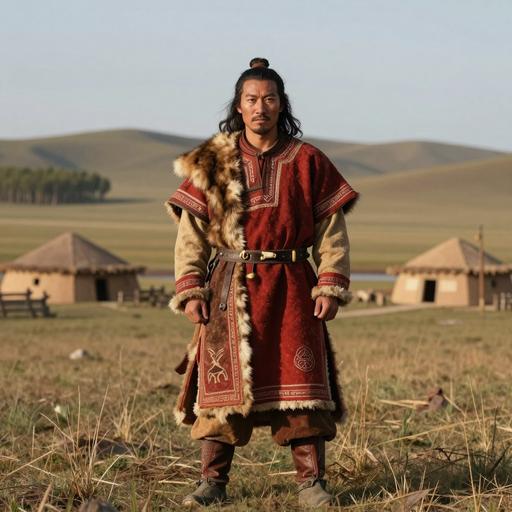
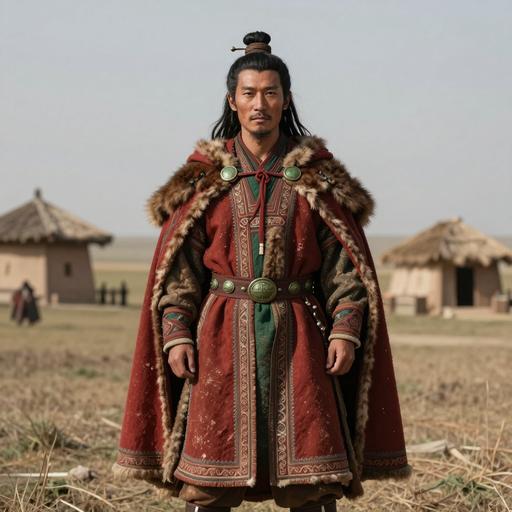
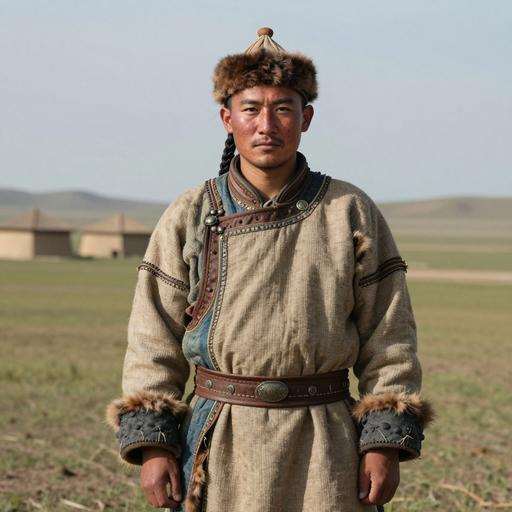
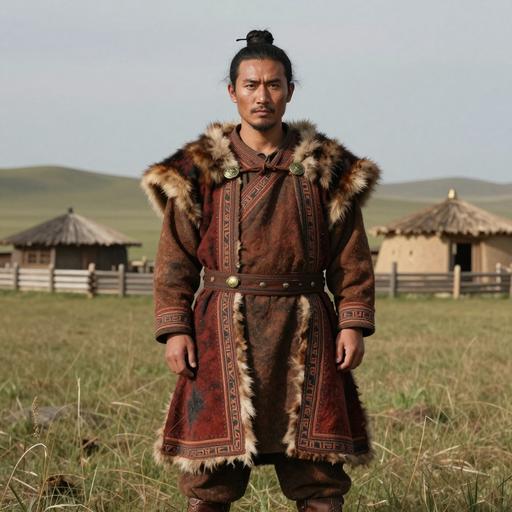
The demographic processes that amplified C2B1A1B1 are typical of medieval and later steppe societies: patrilineal clan organization, episodic elite dominance, and rapid demographic expansion of successful lineages. Historically, these processes are reflected in associations with groups such as Medieval Mongolic and Tungusic polities and with clan-based expansions among Yakut and various southern Siberian peoples. The haplogroup is useful in genetic anthropology for tracing male-mediated movements in northern Eurasia — especially those connected to nomadic pastoralism, inter-tribal alliances, and founder events that produce high within-clan homogeneity.
Ancient DNA sampling in northern Eurasia has increasingly shown that C2-derived lineages were prominent among steppe and forest-steppe populations through the first and second millennia CE, and that later medieval expansions (including those associated with Mongolic and related groups) redistributed certain C2 subclades across wide areas of Siberia and parts of Central Asia.
Conclusion
C2B1A1B1 is a regionally important, relatively young subclade of C2 (M217) that highlights male-line founder dynamics in northern Eurasia. Its strongest signals are within Mongolic and Tungusic populations and among several Siberian steppe groups, where it can reach high local frequencies tied to specific clans or lineages. Continued deep sequencing and better sampling across Central and North Asia will further clarify internal branching and the timing of expansions for this haplogroup.
Key Points
- Origins and Evolution
- Subclades (if applicable)
- Geographical Distribution
- Historical and Cultural Significance
- Conclusion