Menu
Y-DNA Haplogroup • Paternal Lineage

C2B1A1B

Y-DNA Haplogroup C2B1A1B

~2,000 years ago
Northeast Asia / Siberia
1 subclades
5 ancient samples
Scroll to explore
Chapter I

The Story

The journey of Y-DNA haplogroup C2B1A1B

Origins and Evolution

Y‑DNA haplogroup C2B1A1B sits downstream of C2B1A1 within the broader C2 (C‑M217) clade, a lineage that emerged and diversified across northeast Eurasia. Based on the parent clade's estimated time depth (~3 kya) and the internal branching pattern seen in population surveys, C2B1A1B most plausibly formed during the late Iron Age to early medieval period (approximately 2 kya). Its emergence likely reflects a localized founder event or series of related founders in northeastern Siberia/East‑Central Asia followed by population expansions linked to mobile pastoralist and nomadic societies.

Because C2 is a deep Siberian/East Eurasian lineage, the downstream formation of C2B1A1B is consistent with repeated, regionally structured founder effects and male‑mediated migrations across river valleys, steppe corridors and forest‑tundra ecotones. The phylogenetic position implies it carries the defining mutations that derive from C2B1A1, but it is distinguished by additional private SNPs that mark the B subclade.

Subclades

At present, detailed subclade structure beneath C2B1A1B is not as widely resolved in published population screens as some major Y‑haplogroups; targeted deep sequencing and high‑resolution SNP panels have revealed a small number of downstream branches in some regional datasets, indicating further diversification after the initial founder(s). Where higher resolution studies exist, they show sublineages concentrated within particular ethnic groups (for example, subbranches private to certain Mongolic or Tungusic communities), consistent with drift and recent expansions.

Geographical Distribution

C2B1A1B is concentrated in northeastern Eurasia. It is most frequently detected among: Mongolic‑speaking populations (e.g., Mongols, Buryats), Tungusic groups (e.g., Evenks, Evens and related peoples), and the Yakut (Sakha) of Yakutia. The haplogroup also appears at low frequency in neighboring East Asian minority groups and in scattered Central Asian populations, reflecting contact, admixture and occasional long‑distance movements. Its distribution pattern—high local frequency in some northern and interior regions with low frequency beyond those cores—fits a model of regional founder effects amplified by patrilineal social structures and pastoral/nomadic demography.

Historical and Cultural Significance

The temporal and geographic profile of C2B1A1B makes it compatible with demographic processes tied to late Iron Age and historic period nomadic dynamics in northeastern Eurasia. While direct one‑to‑one links between specific archaeological cultures and single Y‑lineages are rarely definitive, the haplogroup's concentration in groups historically associated with reindeer herding, horse‑based pastoralism and mobile hunting economies suggests it participated in the male‑mediated expansions that characterized steppe and forest‑steppe societies.

Genetic studies show that different subclades of C2 and related Y‑lineages often act as markers of regional founder events (strong local frequencies caused by a small number of prolific male ancestors). Such patterns also reflect social organization (patrilineal descent, polygyny) which can amplify particular Y lineages across a few centuries.

Conclusion

C2B1A1B is a regional derivative of the C2‑M217 family that documents recent (late Iron Age to early medieval) male line continuity and localized expansions in northeastern Eurasia. Its presence among Mongolic, Tungusic and Yakut populations, with lower frequencies in adjacent groups, underscores the role of founder effects and nomadic/pastoral demographic processes in shaping Y‑chromosome diversity across Siberia and neighboring parts of East‑Central Asia. Continued high‑resolution sequencing in under‑sampled populations will refine the internal topology and better link subclades to historical processes.

Key Points

  • Origins and Evolution
  • Subclades
  • Geographical Distribution
  • Historical and Cultural Significance
  • Conclusion
Chapter II

Tree & Relationships

Phylogenetic context and subclades

Evolution Path

This haplogroup's evolutionary journey from its earliest ancestor to the present.

Steps Haplogroup Age Estimate Archaeology Era Time Passed Immediate Descendants Tested Modern Descendants Ancient Connections
1 C2B1A1B Current ~2,000 years ago 🏛️ Roman Period 2,000 years 1 3 5

Siblings (1)

Other branches from the same parent haplogroup

Chapter III

Where in the World

Geographic distribution and modern presence

Place of Origin

Northeast Asia / Siberia

Modern Distribution

The populations where Y-DNA haplogroup C2B1A1B is found include:

  1. Mongolic-speaking populations (e.g., Mongols, Buryats)
  2. Tungusic-speaking groups (e.g., Evenks, Evens, and related peoples)
  3. Yakut (Sakha) and other Yakutian-associated populations in northeastern Siberia
  4. Indigenous Siberian hunter-gatherer and reindeer-herding communities
  5. Scattered individuals in Central Asian populations (low frequency)
  6. Occasional individuals in neighboring East Asian minority groups (low frequency)

Regional Presence

Northeast Asia / Siberia High
Central Asia Low
East Asia (border regions) Low
CHAPTER IV

When in Time

Your haplogroup in the context of human history

~10k years ago

Neolithic Revolution

Agriculture begins, settled communities form

~5k years ago

Bronze Age

Metalworking, writing, and early civilizations

~3k years ago

Iron Age

Iron tools, expanded trade networks

~2k years ago

Classical Antiquity

Greek and Roman civilizations flourish

~2k years ago

Haplogroup C2B1A1B

Your Y-DNA haplogroup emerged in Northeast Asia / Siberia

Northeast Asia / Siberia
Present

Present Day

Modern era

Your Haplogroup
Historical Era
Chapter IV-B

Linked Cultures

Ancient cultures associated with Y-DNA haplogroup C2B1A1B

Cultural Heritage

These ancient cultures have been linked to haplogroup C2B1A1B based on matching ancient DNA samples from archaeological excavations. The presence of this haplogroup in these cultures provides insights into the migrations and population movements of populations carrying this haplogroup.

Afanasievo Culture Blagoveshchensk Culture Chinese Iron Age Chinese Paleolithic Early Medieval Mongolian Irkutsk Culture Lena River Culture Ming Dynasty Siberian Paleolithic Sila Culture West Liao River Culture Xianbei Culture
Culture assignments are based on archaeological context of ancient DNA samples and may represent regional associations during specific time periods.
Chapter V

Sample Catalog

5 subclade carriers of haplogroup C2B1A1B (no exact C2B1A1B samples sequenced yet)

5 / 5 samples
Portrait Sample Country Era Date Culture Y-DNA Match
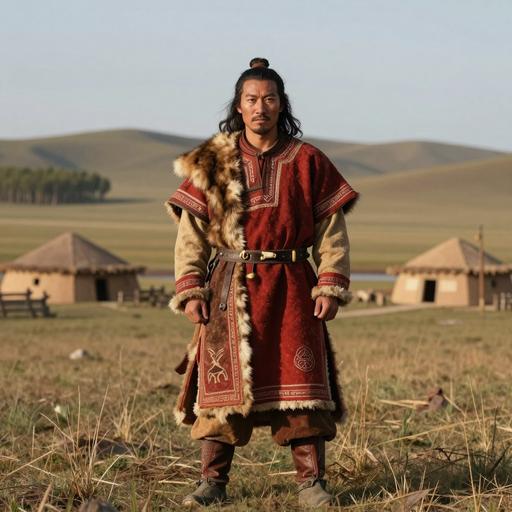
Portrait of ancient individual MGS-M6 from China, dated 50 CE - 250 CE
MGS-M6
China Iron Age Xianbei Culture, Amur River Region, China 50 CE - 250 CE Xianbei Culture C2b1a1b1 Downstream
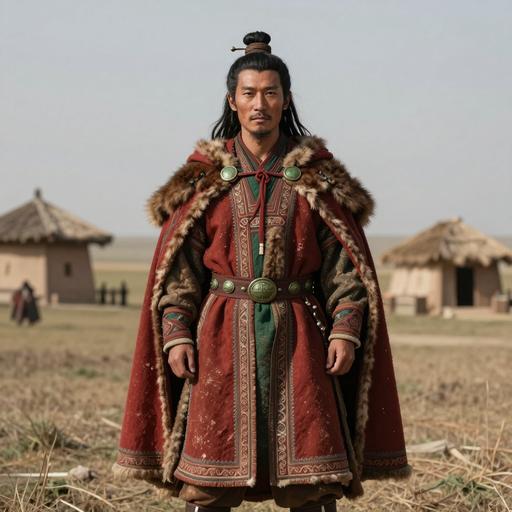
Portrait of ancient individual MGS-M7L from China, dated 50 CE - 250 CE
MGS-M7L
China Iron Age Xianbei Culture, Amur River Region, China 50 CE - 250 CE Xianbei Culture C2b1a1b1 Downstream
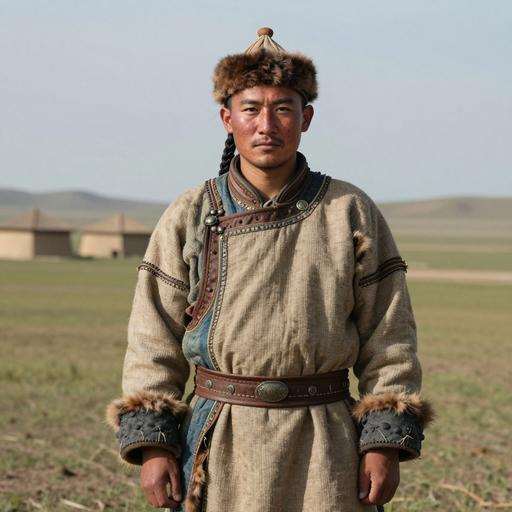
Portrait of ancient individual ZLNR-1 from China, dated 81 CE - 236 CE
ZLNR-1
China Iron Age China 81 CE - 236 CE Chinese Iron Age C2b1a1b1 Downstream
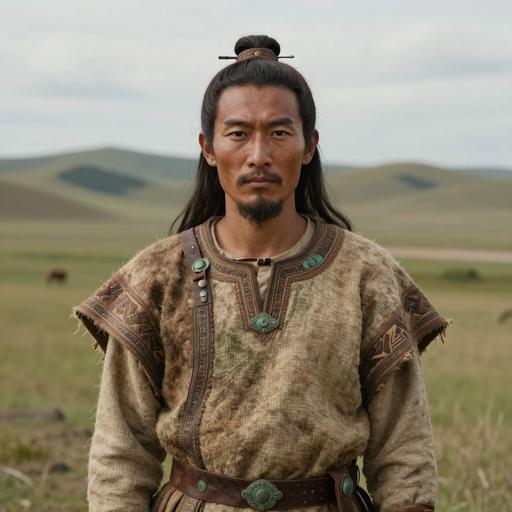
Portrait of ancient individual bla001 from Russia, dated 601 CE - 758 CE
bla001
Russia Iron Age Blagoveshchensk, Russia 601 CE - 758 CE Blagoveshchensk Culture C2b1a1b1 Downstream
Portrait of ancient individual 91KLM2 from China, dated 1050 BCE - 350 BCE
91KLM2
China Bronze Age West Liao River, China 1050 BCE - 350 BCE West Liao River Culture C2b1a1b1 Downstream
Chapter VI

Carrier Distribution Map

Geographic distribution of 5 ancient DNA samples (direct and subclade carriers of C2B1A1B)

Subclade carrier
Time Period Filter
All Time Periods
Showing all samples
Chapter VII

Temporal Distribution

Distribution of carriers across archaeological periods

Chapter VIII

Geographic Distribution

Distribution by country of origin (direct and subclade carriers shown by default)

Chapter IX

Country × Era Distribution

Cross-tabulation of carrier countries and archaeological periods (direct and subclade carriers shown by default)

Data

Data & Provenance

Source information and data quality

Last Updated 2026-02-16
Confidence Score 50/100
Coverage Low
Data Source

We use the latest phylotree for YDNA haplogroup classification and data.