The Story
The journey of Y-DNA haplogroup D1A1A1
Origins and Evolution
Y-DNA haplogroup D1A1A1 is a downstream branch of D1A1A and sits within the broader D1a clade that is characteristic of several isolated East and South Asian populations. Based on its phylogenetic position beneath D1A1A (itself estimated to have arisen on the Tibetan Plateau ~18 kya), D1A1A1 most likely coalesced in the Late Pleistocene to early Holocene (~12 kya) within upland communities on or near the Tibetan Plateau. The pattern of deep local continuity for D1a branches in the plateau and surrounding highlands, combined with the modern distribution of this clade, supports a scenario of early highland settlement followed by demographic persistence and limited but episodic gene flow with neighboring lowland groups.
Subclades
D1A1A1 is an intermediate subclade in the D1a tree. In modern datasets it often appears as a defined branch with additional downstream lineages observed at low frequencies among particular highland groups; nomenclature for these downstream groups varies with different sequencing studies (for example sub-branches sometimes annotated as D1A1A1a, D1A1A1b etc.). Where high-resolution whole Y sequencing has been applied, substructure within D1A1A1 reflects localized expansions and founder effects in discrete valleys or populations (for example Sherpa villages or isolated Qiangic communities). Continued targeted sequencing of Tibetan and Himalayan samples is refining the subclade topology and dating.
Geographical Distribution
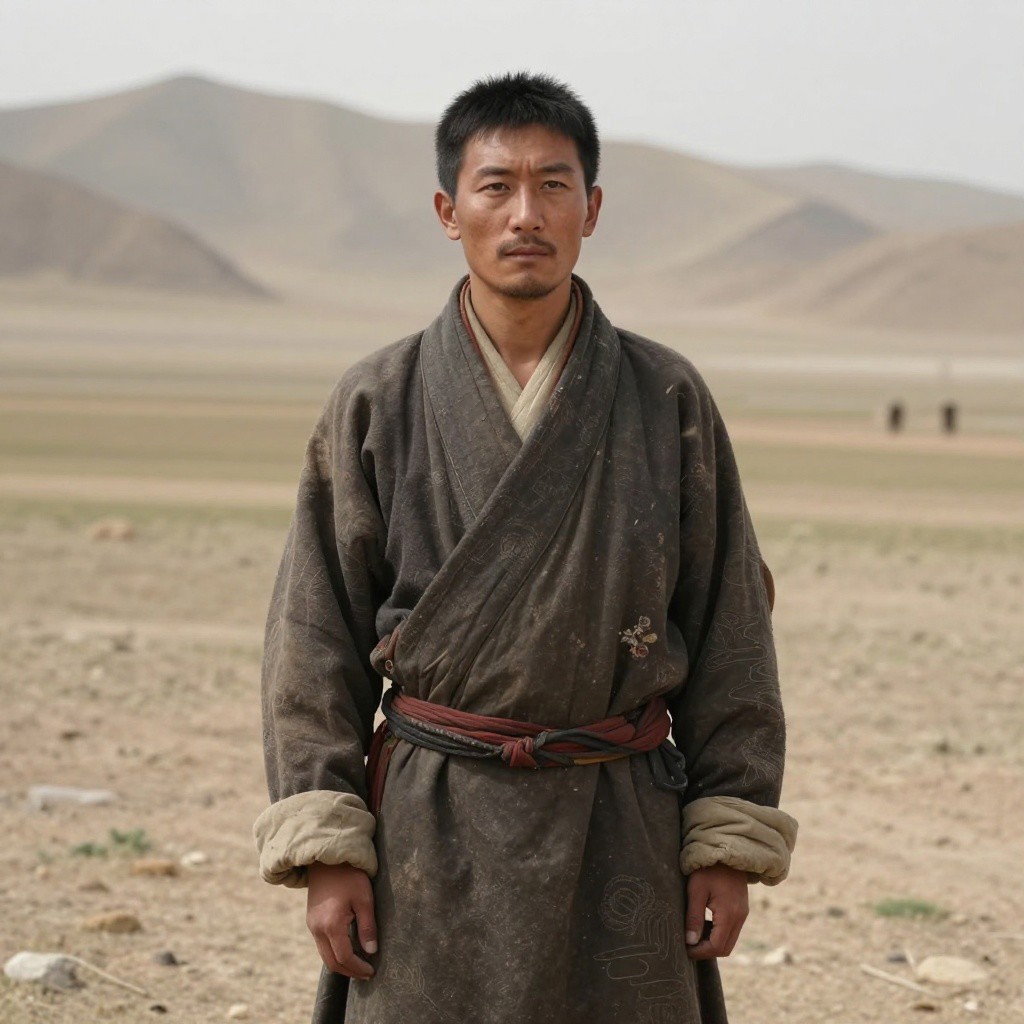
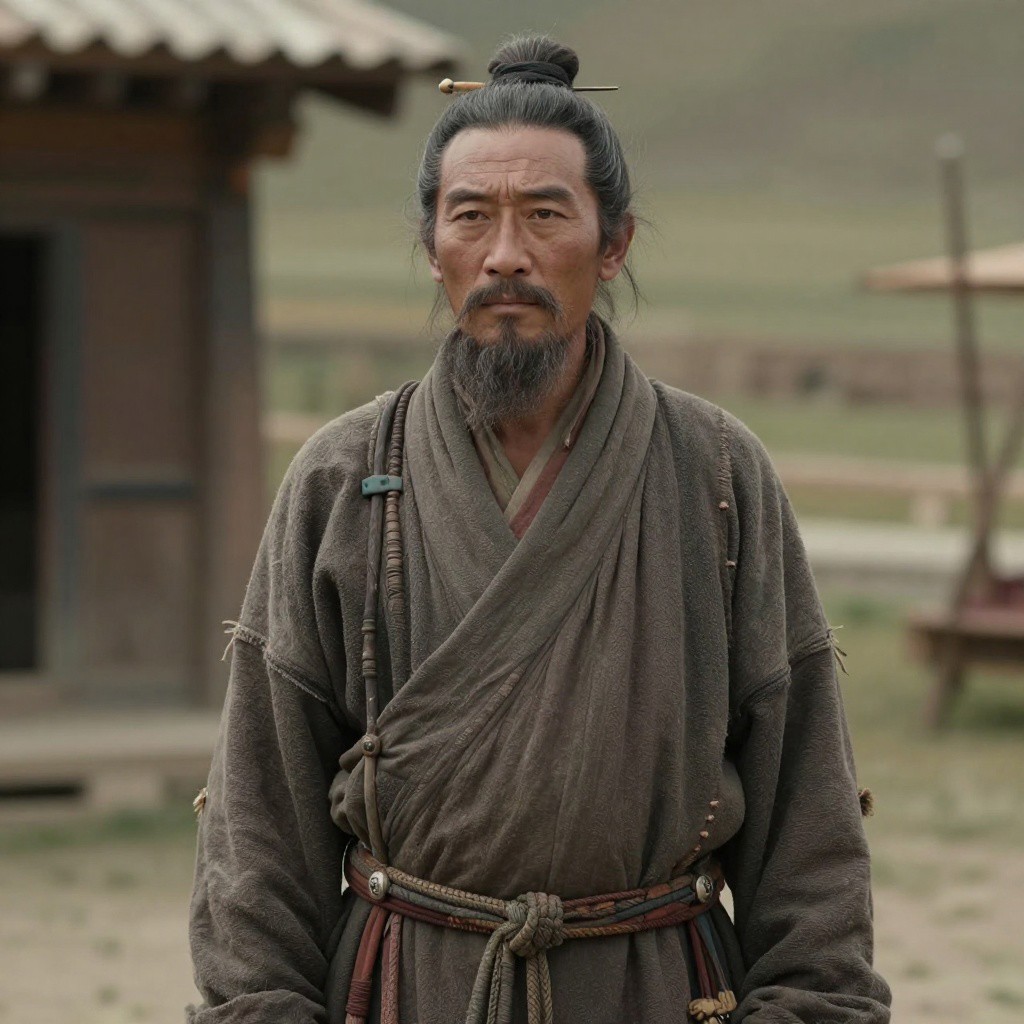
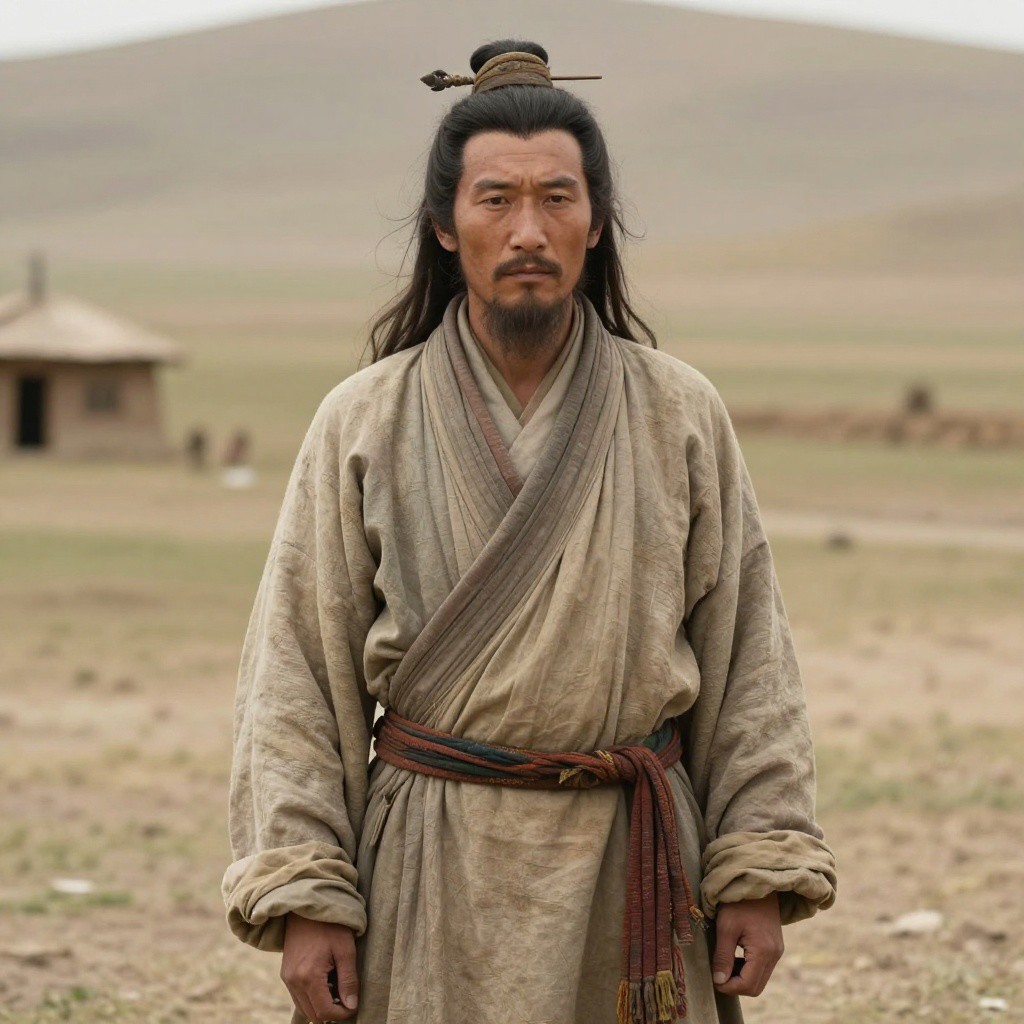
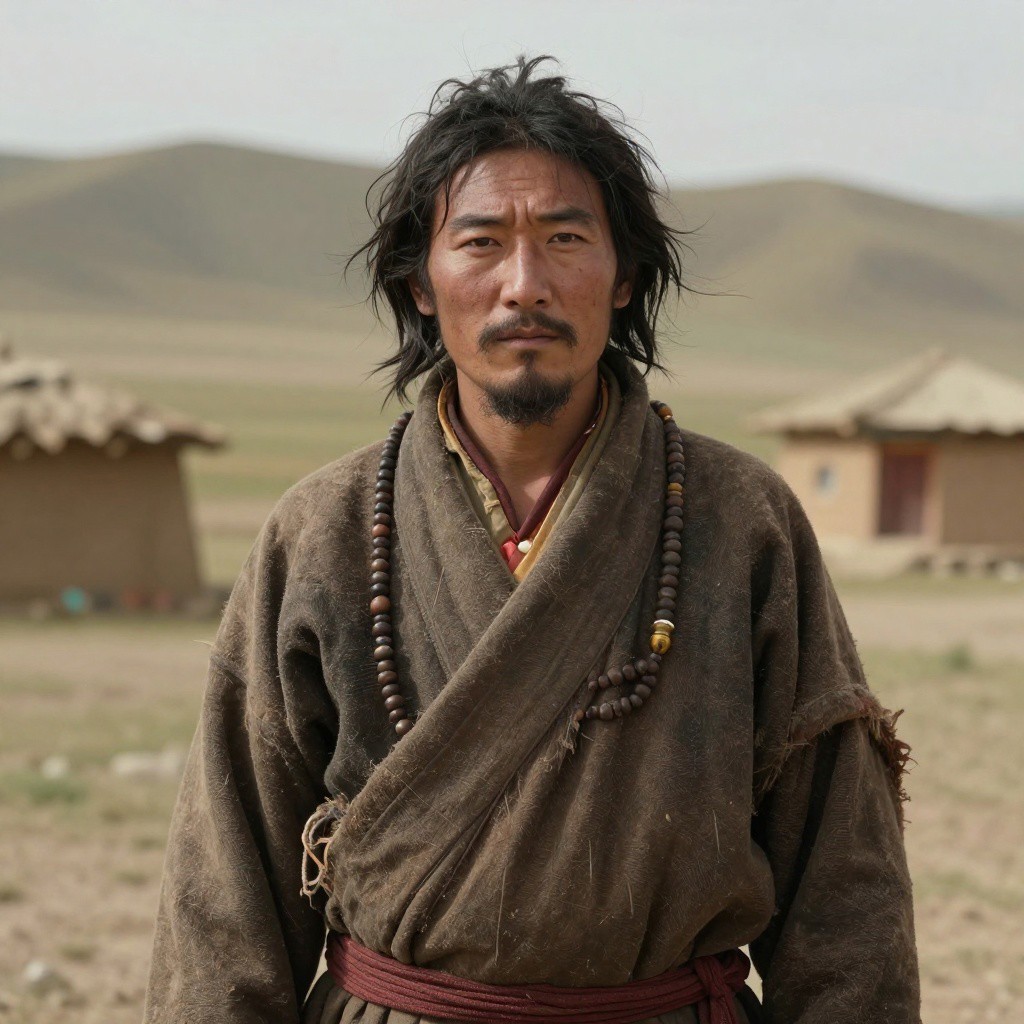
D1A1A1 shows a strongly centered highland distribution with spillover into neighboring regions at low frequencies. It is most frequent and concentrated among central and eastern Tibetan highland populations and several highland Tibeto‑Burman groups (notably Sherpa and some Qiangic-speaking communities). Scattered low-frequency occurrences are documented in adjacent Himalayan populations in Nepal and Bhutan, and rare examples appear in upland parts of Sichuan and Yunnan; isolated, very low-frequency instances have also been reported further south and southeast in upland South and Southeast Asia, likely representing episodic migration or drifted founder events.
Historical and Cultural Significance
Because D1A1A1 is concentrated in highland Tibeto‑Burman populations, it is informative for reconstructing the peopling and demographic history of the Tibetan Plateau. Its deep time depth and regional continuity imply persistence of male lineages through the transition from Late Pleistocene foraging to Holocene agropastoral and pastoral adaptations on the plateau. In modern times the clade helps trace population structure among Tibetan and Sherpa communities and complements autosomal and mitochondrial signals of high‑altitude adaptation and Tibeto‑Burman expansions. The haplogroup's pattern—high local frequency and low incidence elsewhere—also illustrates how mountainous terrain fosters genetic differentiation through isolation, founder effects, and culturally mediated marriage patterns.
Conclusion
D1A1A1 is a regionally confined, ancient paternal lineage rooted on the Tibetan Plateau that reflects long-term highland occupation and demographic continuity among Tibeto‑Burman highland groups. It is an important marker for studies of Himalayan prehistory, high-altitude population dynamics, and the microevolutionary processes (isolation, drift, and limited gene flow) that shape genetic diversity in mountainous regions.
Key Points
- Origins and Evolution
- Subclades
- Geographical Distribution
- Historical and Cultural Significance
- Conclusion