Menu
Y-DNA Haplogroup • Paternal Lineage

D1A1A1A1B

Y-DNA Haplogroup D1A1A1A1B

~2,000 years ago
Tibetan Plateau / adjacent highlands
1 subclades
Scroll to explore
Chapter I

The Story

The journey of Y-DNA haplogroup D1A1A1A1B

Origins and Evolution

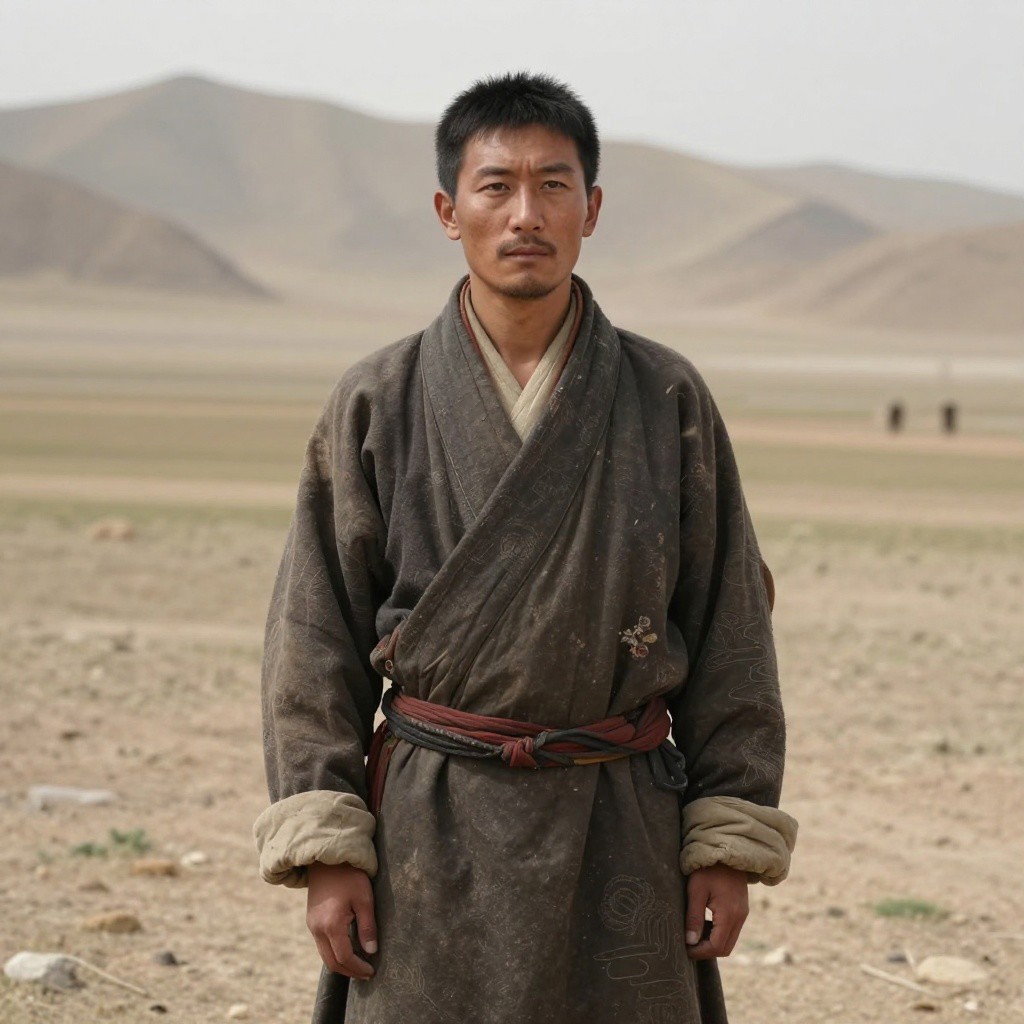
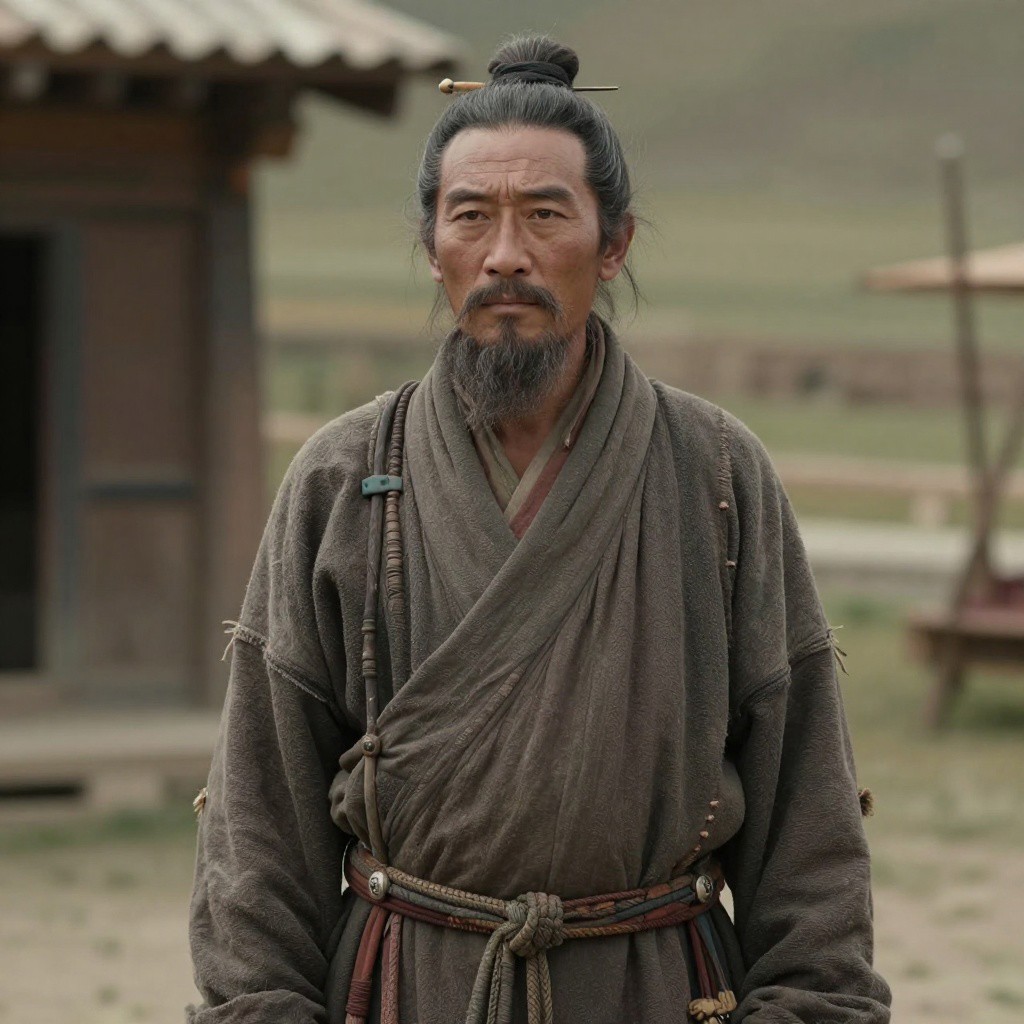
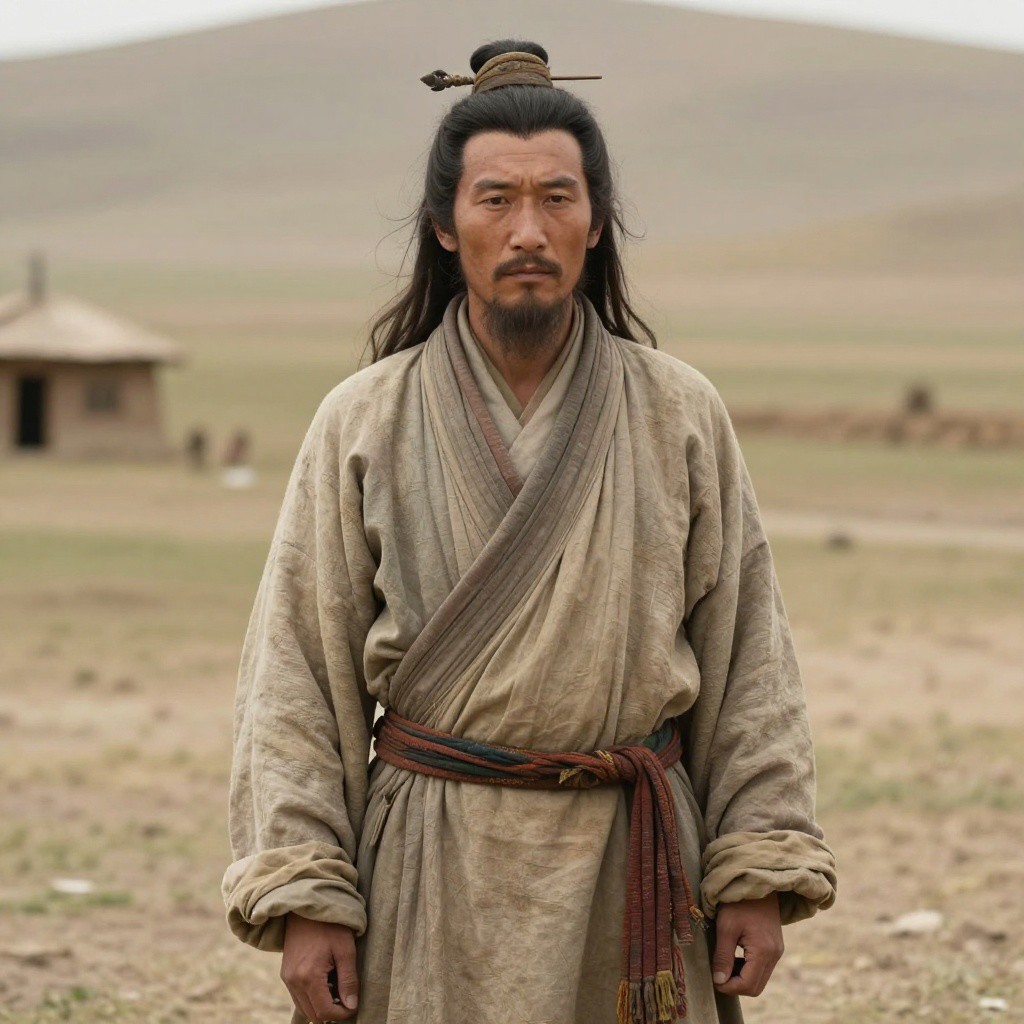
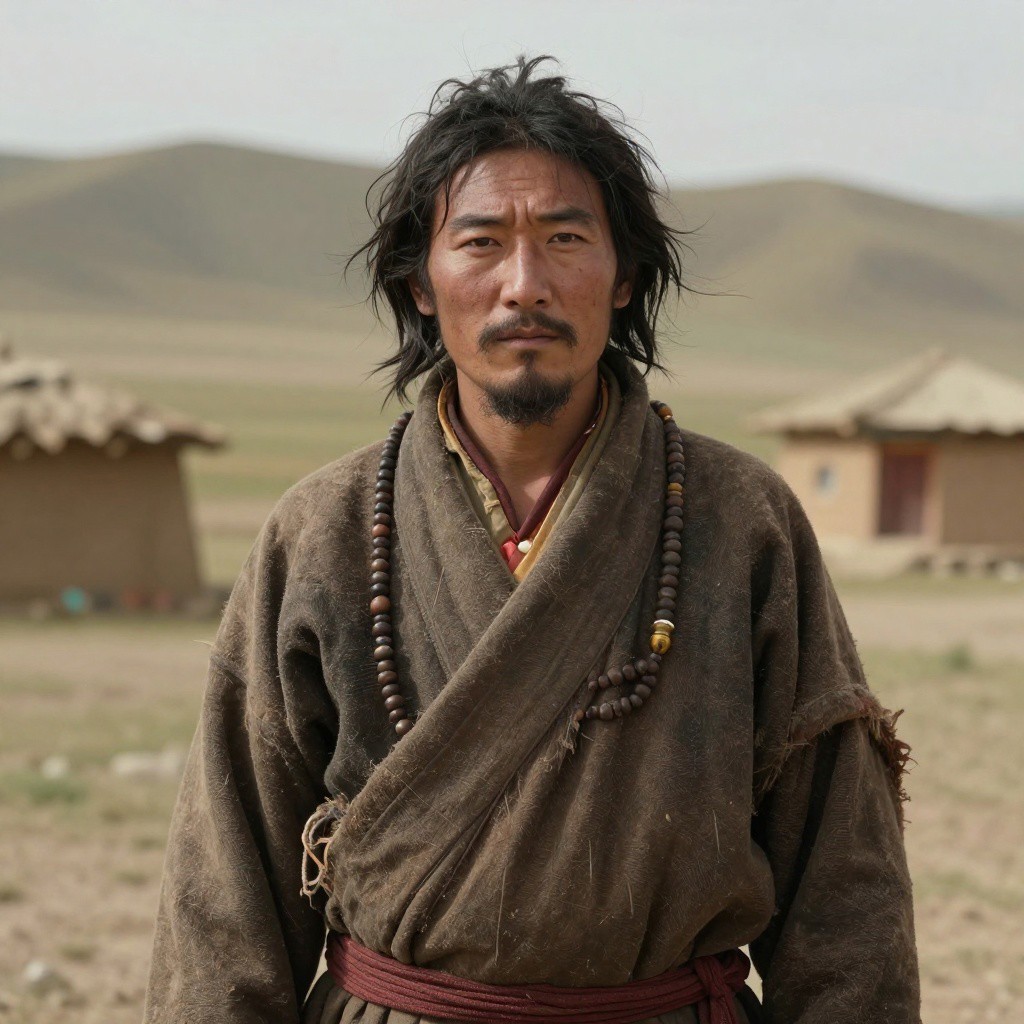
D1A1A1A1B is a downstream branch of the Tibetan-centered D1A1A1A1 lineage. Based on the parent clade's Holocene expansion on the Tibetan Plateau (~3.5 kya) and typical short terminal branch lengths seen in regional D subclades, D1A1A1A1B plausibly emerged during the late Holocene (on the order of ~1.8 kya). Its emergence likely reflects localized demographic processes on the plateau and adjacent highlands, such as founder effects and male-line drift within expanding pastoralist or mixed agropastoral communities.

Although Y-chromosome lineages do not themselves cause physiological traits, the geographic and temporal appearance of D1A1A1A1B coincides with the period when plateau populations consolidated culturally and demographically. This coincides with selection on autosomal loci involved in high-altitude adaptation in Tibetan populations (e.g., EPAS1), though such autosomal adaptation is independent of Y-chromosome lineage membership.

Subclades (if applicable)

As a relatively terminal subclade of D1A1A1A1, D1A1A1A1B may contain further local substructure identifiable only with high-resolution SNP testing and dense sampling from plateau and adjacent highland populations. At present, published resolution for many D subbranches in this region is incomplete; future targeted sequencing of Tibetan, Sherpa, and neighbouring Tibeto‑Burman groups will clarify internal diversity and the timing of any subsequent splits.

Geographical Distribution

Primary presence of D1A1A1A1B is concentrated on the central and southern Tibetan Plateau and adjacent highlands of Qinghai, Sichuan, Yunnan, parts of Nepal and Bhutan. The haplogroup appears at highest frequency among specific highland Tibeto‑Burman groups (Tibetans, Sherpa) and at lower frequencies in some Qiangic and other Tibeto‑Burman speaking communities in southwest China and northeast India. Sporadic low-frequency occurrences have been reported among Han Chinese and other neighbouring East Asian minority groups, likely reflecting recent gene flow or incomplete lineage sorting.

Ancient DNA evidence for this exact subclade is currently limited (a small number of reported instances or none depending on publication), which is consistent with the relatively recent origin and geographically constrained distribution implied by modern sampling.

Historical and Cultural Significance

The distribution and timing of D1A1A1A1B are consistent with paternal lineages that expanded with plateau-adapted pastoralist or mixed subsistence communities in the late Holocene. This time frame includes periods of increased mobility, trade and local sociopolitical consolidation across the Tibetan Plateau and adjacent highlands. The haplogroup is therefore informative for reconstructing male-mediated migrations and social structure among Tibeto‑Burman highland groups, including patterns of patrilocality, clan expansions, and localized founder events.

It is important to emphasize that associations between a Y haplogroup and a particular culture are about population history and movement rather than direct causation of cultural practices. Y‑DNA signals complement autosomal, mtDNA and archaeological evidence to build a fuller picture of demographic change.

Conclusion

D1A1A1A1B represents a geographically restricted, late-Holocene paternal lineage nested within the Tibetan-centered D1A1A1A1 clade. Its pattern—concentrated on the Tibetan Plateau and neighboring highlands, co-occurring with other East Asian Y lineages, and showing limited ancient DNA representation so far—makes it a useful marker for studying local male-line demographic history among highland Tibeto‑Burman populations. Enhanced sampling and higher-resolution sequencing in the plateau region will clarify its internal structure and finer-scale history.

Key Points

  • Origins and Evolution
  • Subclades (if applicable)
  • Geographical Distribution
  • Historical and Cultural Significance
  • Conclusion
Chapter II

Tree & Relationships

Phylogenetic context and subclades

Evolution Path

This haplogroup's evolutionary journey from its earliest ancestor to the present.

Steps Haplogroup Age Estimate Archaeology Era Time Passed Immediate Descendants Tested Modern Descendants Ancient Connections
1 D1A1A1A1B Current ~2,000 years ago 🏛️ Roman Period 1,800 years 1 0 0

Siblings (1)

Other branches from the same parent haplogroup

Chapter III

Where in the World

Geographic distribution and modern presence

Place of Origin

Tibetan Plateau / adjacent highlands

Modern Distribution

The populations where Y-DNA haplogroup D1A1A1A1B is found include:

  1. Tibetan Plateau populations (Tibetans, Sherpa and closely related highland groups)
  2. Tibeto‑Burman speaking populations in southwest China (Qiangic groups, some Naxi and Yi subgroups)
  3. Highland ethnic groups in Qinghai, Sichuan and Yunnan with historical ties to the plateau
  4. Several Tibeto‑Burman groups in northeast India and neighboring Himalayan foothills (low to moderate frequency)
  5. Highland populations in Nepal and Bhutan (localized occurrences)
  6. Low-frequency occurrences among nearby Han Chinese and other East Asian minority populations
  7. A small number of ancient highland individuals or archaeological samples reported in the literature (limited coverage)

Regional Presence

East Asia High
South Asia (Himalayan foothills & northeast India) Moderate
Southeast Asia (Yunnan borderlands) Low
CHAPTER IV

When in Time

Your haplogroup in the context of human history

~10k years ago

Neolithic Revolution

Agriculture begins, settled communities form

~5k years ago

Bronze Age

Metalworking, writing, and early civilizations

~3k years ago

Iron Age

Iron tools, expanded trade networks

~2k years ago

Classical Antiquity

Greek and Roman civilizations flourish

~1k years ago

Haplogroup D1A1A1A1B

Your Y-DNA haplogroup emerged in Tibetan Plateau / adjacent highlands

Tibetan Plateau / adjacent highlands
Present

Present Day

Modern era

Your Haplogroup
Historical Era
Chapter IV-B

Linked Cultures

Ancient cultures associated with Y-DNA haplogroup D1A1A1A1B

Cultural Heritage

These ancient cultures have been linked to haplogroup D1A1A1A1B based on matching ancient DNA samples from archaeological excavations. The presence of this haplogroup in these cultures provides insights into the migrations and population movements of populations carrying this haplogroup.

Chinese Dundgobi Culture Göktürk Hoabinhian Jomon Lajue Culture Late Iron Age Late Medieval Mongolian Longsangquduo Culture Pukagongma Culture Tibetan Plateau Culture Upper Yellow River Culture
Culture assignments are based on archaeological context of ancient DNA samples and may represent regional associations during specific time periods.
Data

Data & Provenance

Source information and data quality

Last Updated 2026-02-16
Confidence Score 50/100
Coverage Low
Data Source

We use the latest phylotree for YDNA haplogroup classification and data.