The Story
The journey of Y-DNA haplogroup D1A1A1A1
Origins and Evolution
Y-DNA haplogroup D1A1A1A1 sits as a downstream branch of the Tibetan‑centered D1A1A1A clade and likely formed during the Holocene after initial settlement of the high Tibetan Plateau. Its emergence reflects a period of regional differentiation when small, relatively isolated highland communities underwent genetic drift and occasional founder effects. The time depth of D1A1A1A1 (roughly mid‑Holocene, on the order of a few thousand years) is consistent with archaeological and genetic evidence for localized demographic continuity and the development of highland adaptations in the region.
It is important to emphasize that Y‑chromosome lineages such as D1A1A1A1 mark paternal ancestry and do not by themselves determine physiological traits (for example, altitude‑adaptation alleles like EPAS1 are autosomal and have a different evolutionary history). Instead, the Y‑chromosome record documents male‑line continuity, population structure, migrations, and founder events.
Subclades
As an intermediate terminal in published phylogenies, D1A1A1A1 may contain further downstream private or community‑specific branches which are often discovered through deep sequencing of Y chromosomes in Tibetan and Himalayan groups. These downstream branches are typically geographically restricted and may be highly differentiated due to small effective population sizes and cultural endogamy.
Geographical Distribution
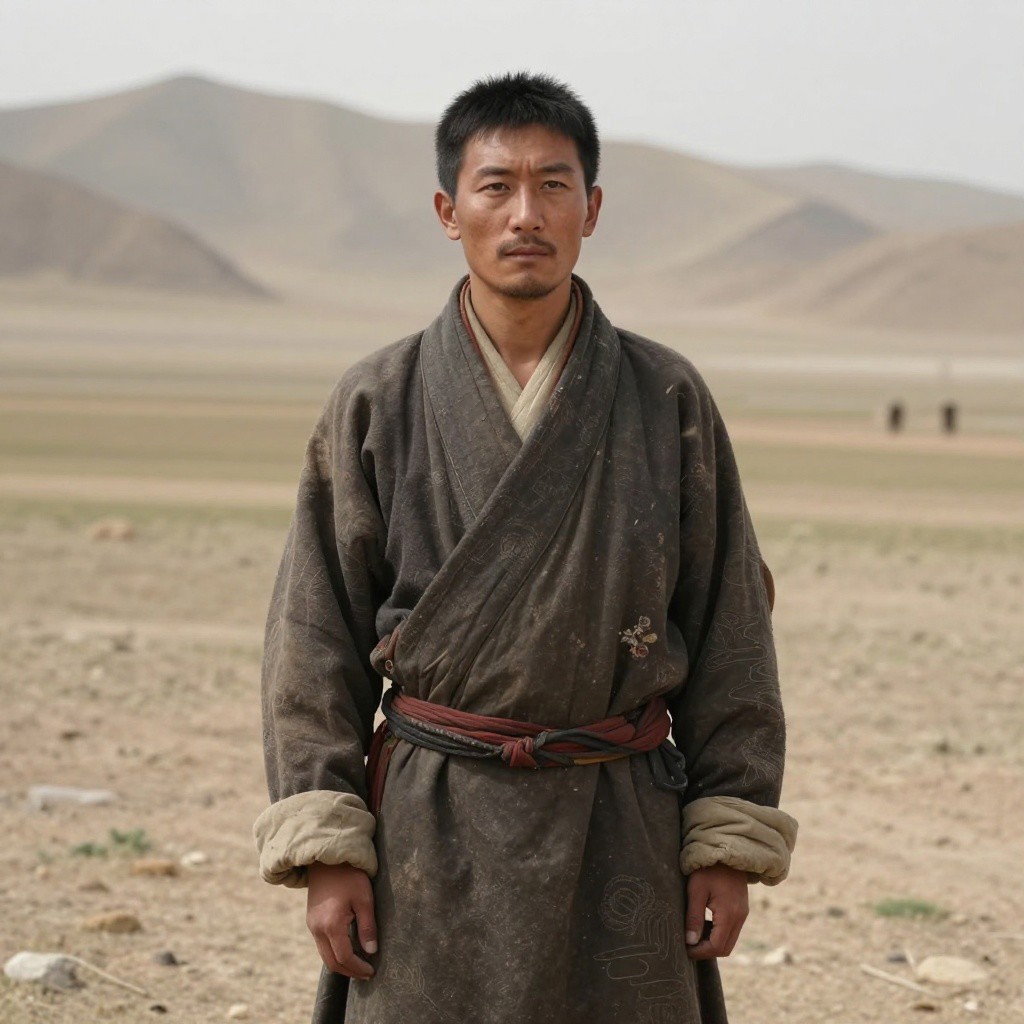
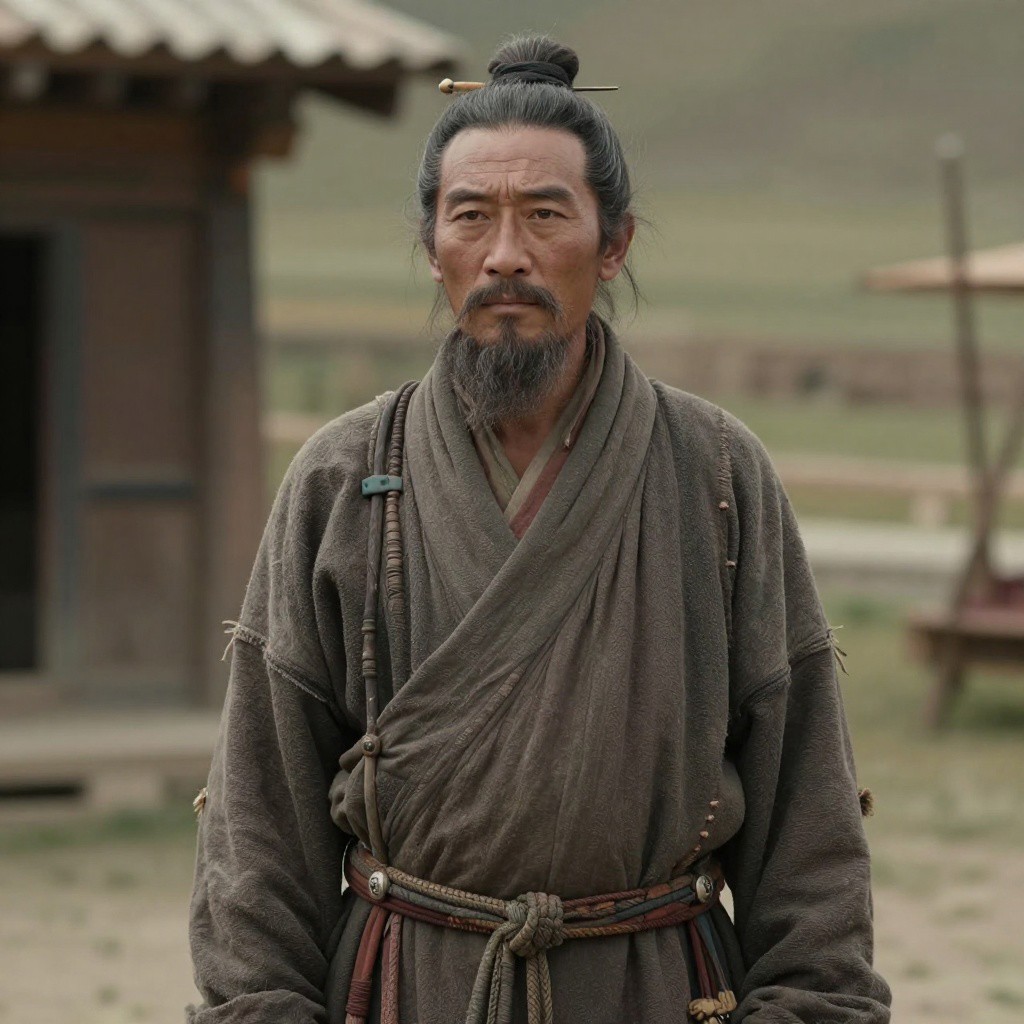
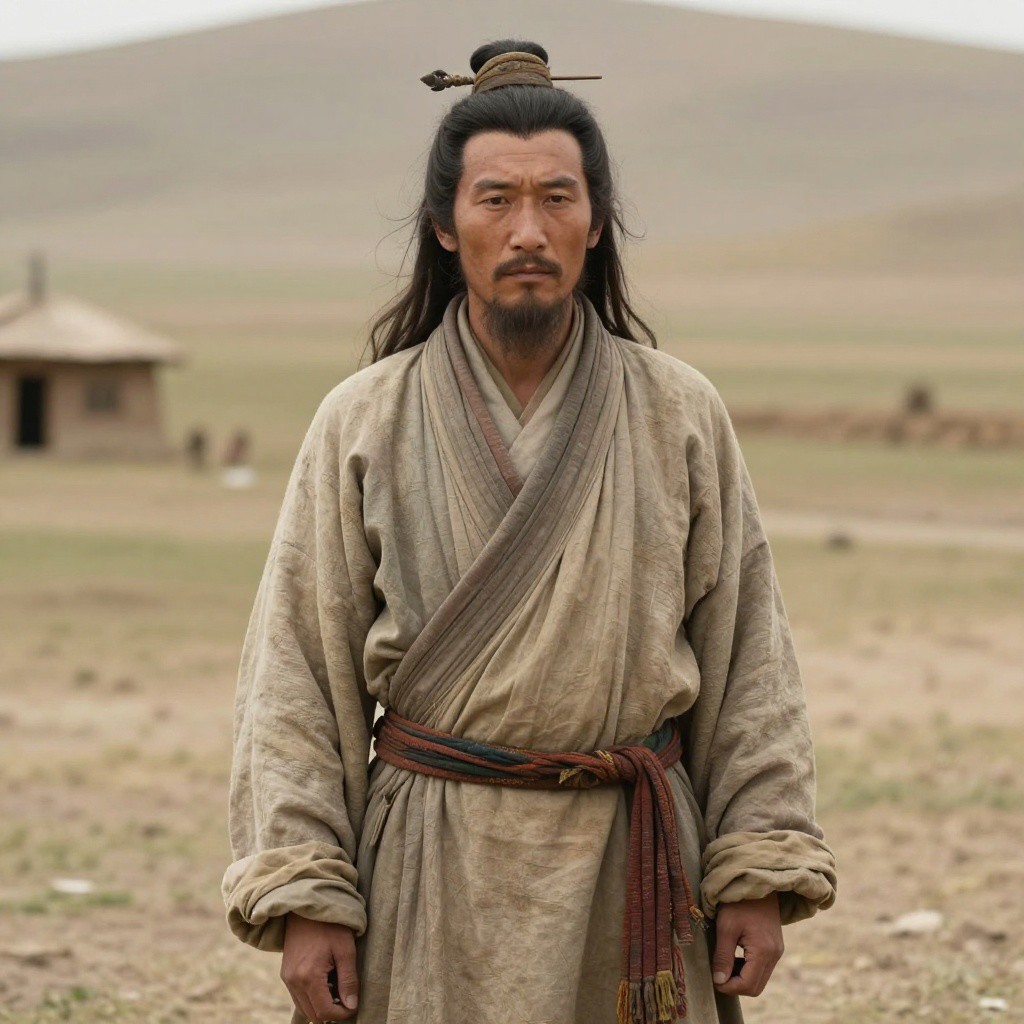
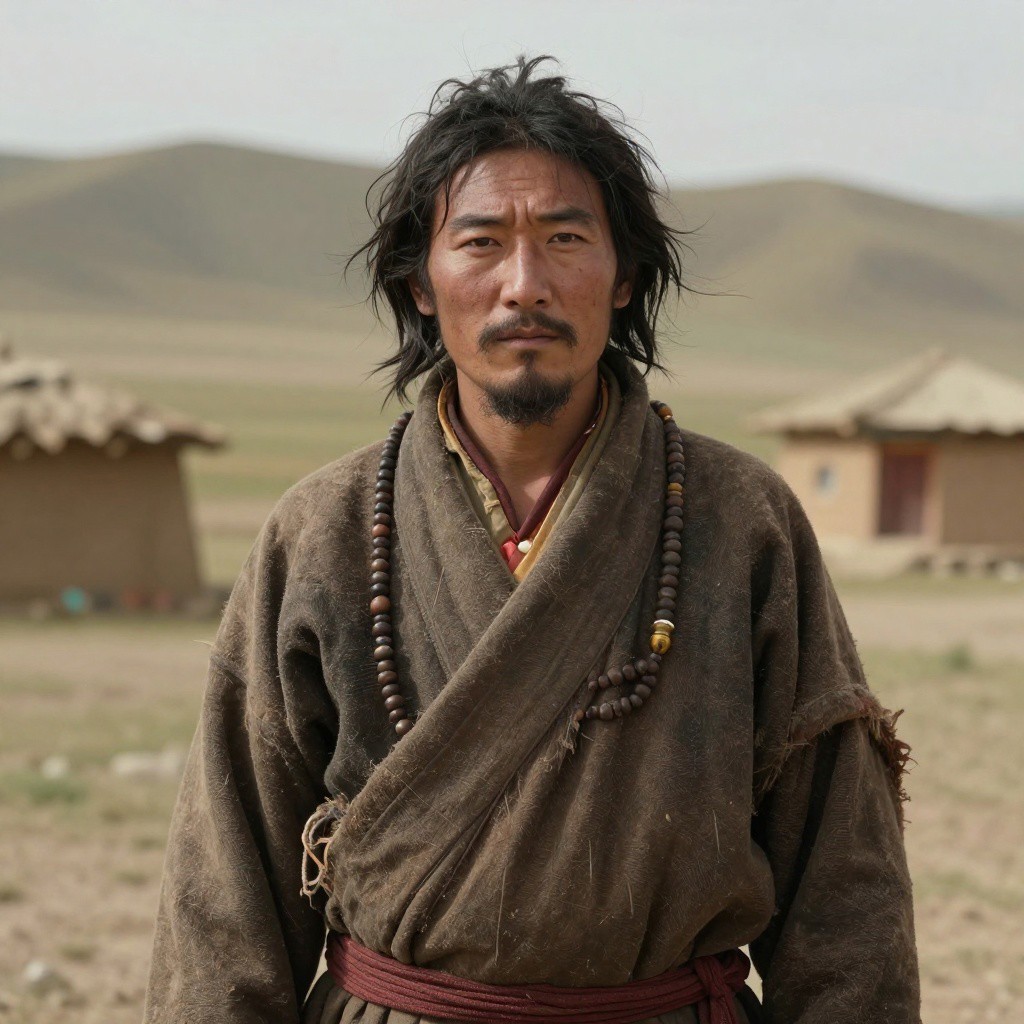
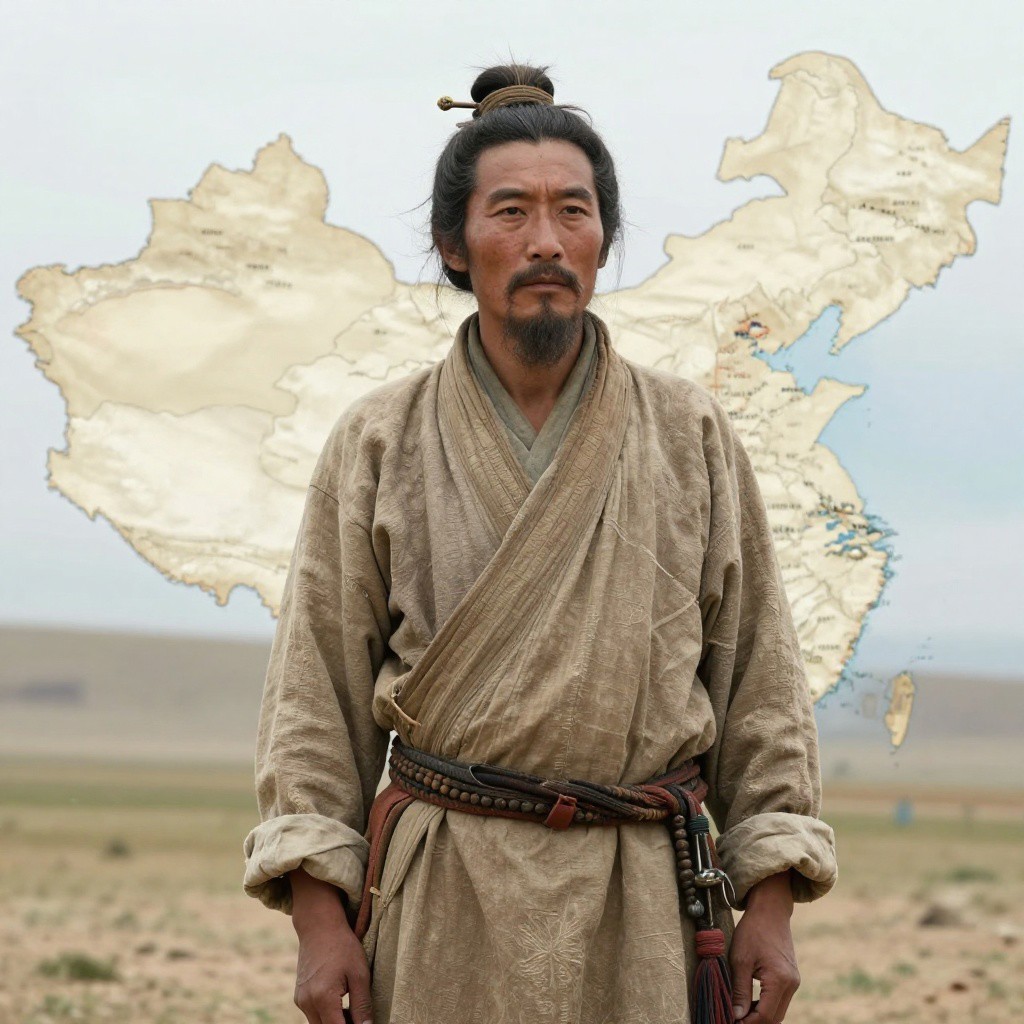
This haplogroup is principally concentrated on the Tibetan Plateau and adjacent Himalayan highlands. High frequencies and greatest diversity are observed in central and eastern Tibetan highland populations, with secondary presence among other highland Tibeto‑Burman groups such as the Sherpa and certain Qiangic populations. Neighboring populations in Nepal and Bhutan show localized occurrences, and low‑frequency, scattered detections appear among some Sino‑Tibetan speaking groups in Sichuan and Yunnan or in upland pockets of South and Southeast Asia—usually reflecting historical founder events or recent gene flow.
Geographic patterns for D1A1A1A1 are shaped by highland geography (mountain barriers), historical isolation, and demographic processes typical of small, dispersed communities (genetic drift, bottlenecks, and lineage sorting).
Historical and Cultural Significance
While Y‑DNA D1A1A1A1 itself is not directly tied to an archaeological ‘culture’ in the way that some steppe lineages are tied to Yamnaya or Bell Beaker, its distribution is concordant with long‑term highland occupation of the Tibetan Plateau and adjacent areas. The lineage is therefore informative for questions about: continuity of male lineages in highland pastoralist and mixed‑economy societies, patterns of local founder events and patrilineal structure (clan and village‑level), and sex‑biased demography in the Himalayan region.
In combination with autosomal and mtDNA evidence, the presence of D1A1A1A1 helps reconstruct migrations of Tibeto‑Burman speakers, demographic expansions or contractions associated with climatic or cultural shifts during the Holocene, and localized genetic differentiation among mountain communities.
Conclusion
D1A1A1A1 is a geographically restricted, Holocene‑aged paternal lineage that documents male‑line continuity on the Tibetan Plateau and nearby highlands. Its pattern—high frequency in core highland populations, localized downstream branches, and sporadic low‑frequency occurrences outside the core area—reflects the demographic dynamics of highland Tibeto‑Burman groups: isolation, drift, and occasional dispersal or gene flow into neighboring populations. Continued targeted Y‑chromosome sequencing in Himalayan populations will further refine the internal structure and historical timing of this lineage.
Key Points
- Origins and Evolution
- Subclades
- Geographical Distribution
- Historical and Cultural Significance
- Conclusion