Menu
Y-DNA Haplogroup • Paternal Lineage

G

G (M201)

Y-DNA Haplogroup G

~28,000 years ago
West Asia
3 subclades
7 ancient samples
Scroll to explore
Chapter I

The Story

The journey of Y-DNA haplogroup G

Y-DNA haplogroup G is an ancient paternal lineage that has played a significant role in the early human migrations and the spread of agricultural societies in Europe, the Near East, and the Caucasus. While not as widespread as some other Y-DNA haplogroups, such as R or E, haplogroup G remains a key marker in understanding the genetic history of several ancient and modern populations, particularly in the Near East, the Caucasus, and parts of Europe.

Origins and Evolution

Haplogroup G is believed to have originated approximately 40,000 to 50,000 years ago in the Middle East or the Caucasus, shortly after the emergence of haplogroup F. Its ancient roots make it one of the older Y-DNA lineages, and it is closely associated with the early development of farming societies and Neolithic migrations.

The defining mutation for haplogroup G is M201, which distinguishes it from its sibling haplogroups that also emerged from haplogroup F. Over time, haplogroup G diversified into several subclades, each with its own unique geographical distribution and historical significance. Haplogroup G is thought to have been one of the key haplogroups associated with the spread of Neolithic agriculture from the Near East into Europe.

Major Subclades of Haplogroup G

Haplogroup G is divided into several important subclades, each with distinct regional distributions. These subclades help trace the migration patterns and historical movements of populations carrying haplogroup G.

  • G1 (G-M285): Found primarily in the Middle East, Central Asia, and parts of South Asia. G1 is most common in Iran, the Caucasus, and parts of Central Asia, though it is relatively rare compared to G2. Some subclades of G1 have also been detected in populations in Europe, particularly in Eastern Europe.

  • G2 (G-P287): The most widespread and significant branch of haplogroup G. G2 is particularly common in the Caucasus and Europe and played a major role in the spread of Neolithic farming societies. G2 is further divided into several subclades, the most important of which include:

    • G2a (G-P15): The most widespread and well-studied subclade of haplogroup G, found primarily in Europe, the Caucasus, and the Near East. G2a is strongly associated with the Neolithic expansion of agricultural societies from the Near East into Europe.

      • G2a1 (G-M406): Found primarily in Anatolia, Greece, and the Caucasus. G2a1 is common among populations with historical ties to ancient farming communities in these regions.

      • G2a2b (G-L141.1): This subclade is found across Europe, especially in Southern Europe, and has been identified in ancient Neolithic farming populations. G2a2b played a key role in the early spread of farming technologies into Europe.

Geographical Distribution

The distribution of haplogroup G reflects its ancient origins and its association with early agricultural societies. While it is not one of the most common haplogroups in the modern world, its presence is still significant in certain regions, particularly in the Caucasus, parts of the Middle East, and some areas of Europe.

  • The Caucasus: Haplogroup G is particularly common in the Caucasus region, where it reaches its highest frequencies. In countries like Georgia, Armenia, and Azerbaijan, haplogroup G, particularly subclades like G2a, is found in a significant proportion of the population. The high frequency of haplogroup G in this region suggests that it has been present there since prehistoric times and may have played a role in the development of early farming cultures.

  • The Near East and Anatolia: Haplogroup G is also found at relatively high frequencies in parts of the Near East, particularly in Iran, Turkey, and the Levant. Subclades like G1 and G2 are common in populations across Iran and the eastern Mediterranean. Haplogroup G is associated with early Neolithic farming populations that developed in the Fertile Crescent and later spread into Anatolia and Europe.

  • Europe: Haplogroup G, particularly the G2a subclade, is found in Europe, especially in Southern and Central Europe. It played a major role in the early Neolithic expansion, when farming technologies were introduced into Europe from the Near East. Archaeological and genetic evidence shows that G2a was present in early farming communities in the Balkans, Italy, France, and Spain. Today, haplogroup G2a is found at moderate frequencies in these regions, especially in areas with a history of early Neolithic settlement.

  • Central Asia and South Asia: Haplogroup G1 is found in parts of Central Asia, particularly among populations in Kazakhstan, Uzbekistan, and Turkmenistan. It is also present in South Asia, especially in Iran and northern India, though at lower frequencies.

  • Northern Africa: Haplogroup G is found at low frequencies in North Africa, particularly among Berber-speaking populations. Its presence in North Africa may be related to ancient migrations from the Near East during the Neolithic or later periods.

Historical and Cultural Significance

Haplogroup G has played a significant role in the genetic history of populations in Europe, the Caucasus, and the Near East. Its presence in ancient Neolithic farming communities highlights its importance in the spread of agriculture and early human settlements in these regions.

  • The Neolithic Revolution: One of the most important historical events associated with haplogroup G is the Neolithic Revolution, which began around 10,000 years ago. This period marked the transition from hunter-gatherer societies to settled agricultural communities. Haplogroup G2a is closely associated with this transition, as it is found in many ancient farming populations that spread from the Fertile Crescent into Europe. Archaeological evidence shows that individuals carrying haplogroup G2a were among the first farmers to settle in Europe, bringing with them new farming technologies and domesticated plants and animals.

  • Ancient European Populations: Haplogroup G2a is prevalent in ancient European populations, particularly those from the early Neolithic period. Ancient DNA from archaeological sites in France, Spain, Italy, and the Balkans has confirmed the presence of haplogroup G2a in early farming communities. This haplogroup played a key role in the spread of agriculture into Europe, influencing the genetic and cultural landscape of the continent.

  • The Caucasus and Ancient Civilizations: Haplogroup G is especially common in the Caucasus region, which has been a historical crossroads for various civilizations. The presence of haplogroup G in the Caucasus suggests that it has been a dominant lineage in the region for thousands of years, contributing to the genetic makeup of ancient cultures in Armenia, Georgia, and Azerbaijan.

Genetic Studies and Haplogroup G

Genetic studies on haplogroup G have provided valuable insights into the migration patterns and historical significance of this haplogroup. Ancient DNA research, in particular, has helped clarify the role of haplogroup G in the spread of Neolithic farming and its connection to ancient populations in Europe and the Near East.

  • Ancient DNA: The analysis of ancient human remains from Neolithic archaeological sites has revealed the presence of haplogroup G, particularly G2a, in many early farming communities. These findings have shown that haplogroup G was one of the dominant Y-DNA lineages among the first farmers who migrated from the Near East into Europe. Ancient DNA studies have been crucial in understanding how haplogroup G contributed to the genetic makeup of early European populations.

  • Modern Population Genetics: Studies of modern populations in Europe, the Caucasus, and the Near East have helped map the distribution of haplogroup G and its subclades. These studies have revealed that haplogroup G is particularly common in the Caucasus, Turkey, and parts of Southern Europe, while it is found at lower frequencies in other parts of Europe and Central Asia.

Conclusion

Y-DNA haplogroup G is an ancient and significant paternal lineage that played a central role in the early development of farming societies in the Near East and Europe. Its association with the Neolithic Revolution makes it a key marker for tracing the spread of agriculture and the movement of early farming populations from the Fertile Crescent into Europe. Today, haplogroup G is most commonly found in the Caucasus, the Near East, and parts of Europe, where its presence reflects both ancient migrations and the lasting impact of Neolithic cultures on modern populations.

The study of haplogroup G, particularly its subclade G2a, provides valuable insights into the genetic and cultural transformations that took place during one of the most important periods in human history: the shift from hunting and gathering to settled agricultural life. Haplogroup G continues to be a focal point for researchers studying the peopling of Europe, the Caucasus, and the Near East, as well as the broader patterns of human migration and cultural development.

Key Points

  • Origins and Evolution
  • Major Subclades of Haplogroup G
  • Geographical Distribution
  • Historical and Cultural Significance
  • Genetic Studies and Haplogroup G
Chapter II

Tree & Relationships

Phylogenetic context and subclades

Evolution Path

This haplogroup's evolutionary journey from its earliest ancestor to the present.

Steps Haplogroup Age Estimate Archaeology Era Time Passed Immediate Descendants Tested Modern Descendants Ancient Connections
1 G Current ~28,000 years ago 🦴 Paleolithic 28,000 years 3 424 7
Chapter III

Where in the World

Geographic distribution and modern presence

Place of Origin

West Asia

Modern Distribution

The populations where Y-DNA haplogroup G is found include:

  1. Caucasus populations (e.g., Georgians, Armenians, Chechens)
  2. Some populations in the Middle East (e.g., Iran, Turkey, Levant)
  3. Some populations in Europe (e.g., Sardinia, Italy, France, Switzerland, Germany)
  4. Some Central Asian populations (in lower frequencies)
  5. Some populations in South Asia (in lower frequencies)
  6. Ashkenazi Jews (in moderate frequencies)
CHAPTER IV

When in Time

Your haplogroup in the context of human history

~28k years ago

Haplogroup G

Your Y-DNA haplogroup emerged in West Asia

West Asia
~20k years ago

Last Glacial Maximum

Peak of the last ice age, populations isolated

~10k years ago

Neolithic Revolution

Agriculture begins, settled communities form

~5k years ago

Bronze Age

Metalworking, writing, and early civilizations

~3k years ago

Iron Age

Iron tools, expanded trade networks

~2k years ago

Classical Antiquity

Greek and Roman civilizations flourish

Present

Present Day

Modern era

Your Haplogroup
Historical Era
Chapter IV-B

Linked Cultures

Ancient cultures associated with Y-DNA haplogroup G

Cultural Heritage

These ancient cultures have been linked to haplogroup G based on matching ancient DNA samples from archaeological excavations. The presence of this haplogroup in these cultures provides insights into the migrations and population movements of populations carrying this haplogroup.

Anatolian Neolithic Çayönü Culture Czech Neolithic French Neolithic Linear Pottery Culture Middle Chalcolithic Pottery Neolithic Sopot Culture Starčevo
Culture assignments are based on archaeological context of ancient DNA samples and may represent regional associations during specific time periods.
Chapter V

Sample Catalog

4 direct carriers and 3 subclade carriers of haplogroup G

7 / 7 samples
Portrait Sample Country Era Date Culture Y-DNA Match
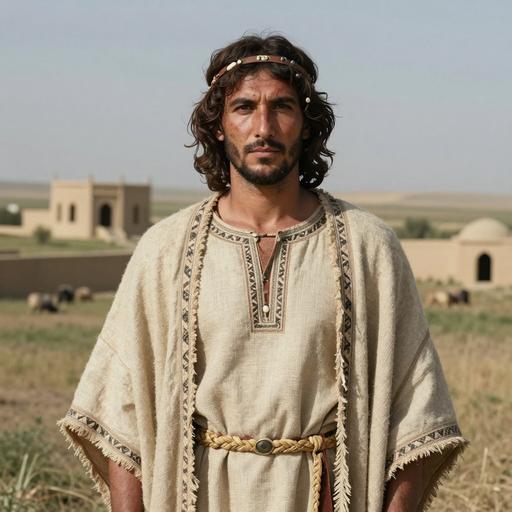
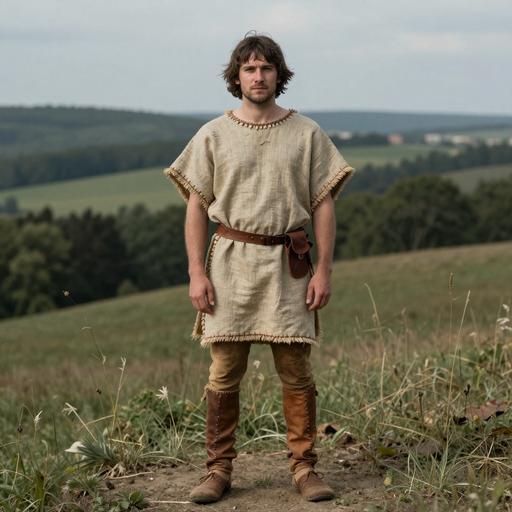
Portrait of ancient individual PCA0057 from Poland, dated 45 CE - 77 CE
PCA0057
Poland Wielbark Culture 45 CE - 77 CE Wielbark G Direct
Portrait of ancient individual GLN270B from France, dated 5300 BCE - 3900 BCE
GLN270B
France Neolithic France 5300 BCE - 3900 BCE French Neolithic G Direct
Portrait of ancient individual I11866 from Slovakia, dated 5400 BCE - 4900 BCE
I11866
Slovakia Neolithic Linear Pottery Culture of Slovakia 5400 BCE - 4900 BCE Linear Pottery Culture G Direct
Portrait of ancient individual cay011 from Turkey, dated 6475 BCE - 6269 BCE
cay011
Turkey Çayönü Pre-Pottery Neolithic Culture 6475 BCE - 6269 BCE Çayönü Culture G Direct
Portrait of ancient individual ALX002 from Azerbaijan, dated 3776 BCE - 3651 BCE
ALX002
Azerbaijan Late Chalcolithic Azerbaijan 3776 BCE - 3651 BCE Late Chalcolithic Azerbaijani G1 Downstream
Portrait of ancient individual HBS005 from Germany, dated 5250 BCE - 4800 BCE
HBS005
Germany Early Neolithic Linear Pottery Culture, Germany 5250 BCE - 4800 BCE Linear Pottery Culture G2 Downstream
Portrait of ancient individual LEPE52 from Serbia, dated 6223 BCE - 6064 BCE
LEPE52
Serbia Early to Middle Neolithic Lepenski Vir, Serbia 6223 BCE - 6064 BCE Lepenski Vir Culture G2 Downstream
Chapter VI

Carrier Distribution Map

Geographic distribution of 7 ancient DNA samples (direct and subclade carriers of G)

Direct carrier Subclade carrier
Time Period Filter
All Time Periods
Showing all samples
Chapter VII

Temporal Distribution

Distribution of carriers across archaeological periods

Chapter VIII

Geographic Distribution

Distribution by country of origin (direct and subclade carriers shown by default)

Chapter IX

Country × Era Distribution

Cross-tabulation of carrier countries and archaeological periods (direct and subclade carriers shown by default)

Data

Data & Provenance

Source information and data quality

Last Updated 2026-01-15
Data Source

We use the latest phylotree for YDNA haplogroup classification and data.